

Museum Huruf Jember
About Museum Huruf Jember
Description
Museum Huruf Jember stands out as a curious, lovingly curated place in Jember Regency, East Java, dedicated to the story of letters, scripts, and writing systems that shaped Indonesian culture. It is not a sprawling palace of artifacts — instead, it feels like a compact, intensely focused cabinet of wonders. The emphasis is on aksara, local alphabets, printing history, and how language lives in daily life. Visitors who expect wall-to-wall, centuries-old relics will find a museum that prefers meaningful, interactive displays over sheer volume. And that decision makes it work: the exhibits are approachable, especially for families and school groups.
The museum leans into education. Interpretive panels explain the origins of different scripts found across the archipelago, with comparisons that make it easy to follow how Javanese, Balinese, Arabic-derived scripts, and Latin writing intersect in Indonesia’s story. There are hands-on corners where children can trace characters, mock up simple printing blocks, or try basic calligraphy tools. Those corners are often busy — in a good way — because they turn abstract concepts into tactile experiences. Heaps of parents come away saying their kids actually understood what aksara means for the first time. That’s not hyperbole; the writer remembers a reluctant nine-year-old who left enthused, clutching a scribbled postcard he’d made himself.
Museum Huruf also quietly plays a role as a cultural hub. It hosts occasional workshops, small lectures, and commemorative events around Hari Aksara Nusantara and similar observances celebrating literacy and script diversity. Local teachers and university students often organize visits, and the museum has cultivated decent partnerships with nearby educational institutions, so expect thoughtful school-program resources and sometimes guest lecturers. The vibe is collegial rather than commercial: people who care about language run it, and that care shows in the careful labeling and the willingness of staff to pause for questions.
Practical amenities are basic but sensible. There are clean restrooms and a wheelchair-accessible restroom, which matters a lot even though it’s sometimes overlooked in small local museums. There is no on-site restaurant, so plan accordingly if long sightseeing days are on the agenda. The space is intentionally family-friendly — stroller access is workable in most areas, and many exhibits are kid-height. Because the museum doesn’t try to be everything, circulation is pleasant; one can move through the rooms without feeling claustrophobic or rushed.
Now, about hidden things not every guidebook mentions: a surprising number of displays focus on regional typography and the modern graphic design uses of traditional scripts. That means designers, typographers, and anyone mildly obsessed with fonts will actually enjoy the visit. A small section shows how contemporary type designers reinterpret old letterforms for posters, logos, and digital interfaces. It’s niche, yes, but delightful if you’ve ever found yourself pausing at a signboard to admire the lettering. Also, the museum keeps a modest archive of printed materials that chart transitions from hand-lettered signs and newspapers to offset printing and digital typesetting in East Java. For a place of this size, that archival angle is unexpectedly satisfying for history buffs.
The tone inside the museum is relaxed and educational rather than reverential. Staff are friendly and will chat about practical things — when was this script taught in schools, how did colonial print presses change local media, what are efforts now to keep certain scripts alive — and they often suggest nearby cultural stops that pair well, like community libraries or small bookstores. And yes, the museum occasionally holds workshops where visitors can learn a basic script stroke or make a simple printing block. Those sessions aren’t huge productions, but they’re hands-on and memorable. The writer attended a casual block-printing demo once and left with a small printed bookmark that looked like a trophy to the nine-year-old companion. Little things like that turn a museum visit into a memory.
Expect a mix of traditional and modern presentation techniques. There are display cases with historic books and inscriptions, but there are also mounted explanations that use photographs, diagrams, and comparative charts to show script evolution. Lighting is used thoughtfully to protect delicate items while keeping them visible; however, in some corners the museum could use brighter bulbs or clearer signage. That’s a fair critique visitors sometimes voice: the place could be more discoverable in certain rooms. But most people appreciate the intimacy and the depth in the topics covered. It will feel like an insider’s introduction to Jember’s relationship with writing, not a glossy tourist spectacle.
Accessibility and family orientation are real strengths. The museum’s layout accommodates wheelchair users reasonably well and it offers a kid-friendly environment that makes learning playful rather than didactic. Teachers frequently book visits because the content aligns well with lessons on local history, language, and cultural studies. If one is traveling with children, this museum often becomes the pleasant educational pause in a longer itinerary around Jember. There’s a calming rhythm to the visit: stroll through the script galleries, let kids try tracing letters, and then move to a small reading nook or workshop zone.
One practical point worth noting up front: there is no restaurant on site. That surprised a first-time visitor who came mid-day with a hungry crew. But the museum’s central location in town means cafes and small warungs are usually within easy reach, so planning a light snack or lunch nearby solves the problem quickly. Also, bring a camera if you like documenting design and lettering, but check signage: some rare items are behind glass and photography may be restricted for conservation reasons. Respecting those rules helps keep these materials available for future visitors.
People who love local history, design, or education will find the museum deeply rewarding. It’s especially good for travelers who prefer substance over spectacle. He or she who wants flashy, Instagram-driven moments might leave less satisfied; this is a place for quiet curiosity. Still, photographers fond of typography will find satisfying compositions in the gallery corners. And for those who enjoy asking questions, the staff’s knowledge and the museum’s community ties often open doors to short talks or impromptu explanations — little interactions that make a stay feel personal rather than transactional.
There are small opportunities for improvement that some visitors mention. Occasional updates to exhibit panels and a few more English-language translations would help international guests. While the museum does provide English text in several displays, the depth and clarity vary; non-Indonesian speakers who are passionate about scripts may want to budget extra time and a translator or guide. On the plus side, the friendly atmosphere means staff will often walk visitors through displays in English when asked, so it rarely becomes a real barrier.
Finally, the emotional payoff. Museum Huruf Jember does something quiet but meaningful: it connects people with the idea that letters are living artifacts, not just shapes on a page. For travelers who stop by, it’s an invitation to slow down and think about how language travels across islands and generations. That sense of connection is the museum’s best feature. It will not overwhelm with scale, but it will surprise many with its insight and the little human stories tucked into display cases. Walk out and one often carries a small, oddly persistent feeling of having learned something useful and humbling about the ways people record their lives.
In short, Museum Huruf Jember is a concentrated, thoughtful stop for anyone interested in the history of writing, Indonesia’s script diversity, and how communities keep language traditions alive. It makes for a meaningful detour during a Jember visit — especially for families, students, designers, and history-minded travelers who appreciate substance and hands-on learning. Book an hour or two, ask questions, try the workshops if they’re running, and treat the visit like a conversation more than a checklist. The museum will return the attention with curiosity, stories, and a few memorable letters.
Key Features
More Details
Updated August 29, 2025
Table of Contents
Description
Museum Huruf Jember stands out as a curious, lovingly curated place in Jember Regency, East Java, dedicated to the story of letters, scripts, and writing systems that shaped Indonesian culture. It is not a sprawling palace of artifacts — instead, it feels like a compact, intensely focused cabinet of wonders. The emphasis is on aksara, local alphabets, printing history, and how language lives in daily life. Visitors who expect wall-to-wall, centuries-old relics will find a museum that prefers meaningful, interactive displays over sheer volume. And that decision makes it work: the exhibits are approachable, especially for families and school groups.
The museum leans into education. Interpretive panels explain the origins of different scripts found across the archipelago, with comparisons that make it easy to follow how Javanese, Balinese, Arabic-derived scripts, and Latin writing intersect in Indonesia’s story. There are hands-on corners where children can trace characters, mock up simple printing blocks, or try basic calligraphy tools. Those corners are often busy — in a good way — because they turn abstract concepts into tactile experiences. Heaps of parents come away saying their kids actually understood what aksara means for the first time. That’s not hyperbole; the writer remembers a reluctant nine-year-old who left enthused, clutching a scribbled postcard he’d made himself.
Museum Huruf also quietly plays a role as a cultural hub. It hosts occasional workshops, small lectures, and commemorative events around Hari Aksara Nusantara and similar observances celebrating literacy and script diversity. Local teachers and university students often organize visits, and the museum has cultivated decent partnerships with nearby educational institutions, so expect thoughtful school-program resources and sometimes guest lecturers. The vibe is collegial rather than commercial: people who care about language run it, and that care shows in the careful labeling and the willingness of staff to pause for questions.
Practical amenities are basic but sensible. There are clean restrooms and a wheelchair-accessible restroom, which matters a lot even though it’s sometimes overlooked in small local museums. There is no on-site restaurant, so plan accordingly if long sightseeing days are on the agenda. The space is intentionally family-friendly — stroller access is workable in most areas, and many exhibits are kid-height. Because the museum doesn’t try to be everything, circulation is pleasant; one can move through the rooms without feeling claustrophobic or rushed.
Now, about hidden things not every guidebook mentions: a surprising number of displays focus on regional typography and the modern graphic design uses of traditional scripts. That means designers, typographers, and anyone mildly obsessed with fonts will actually enjoy the visit. A small section shows how contemporary type designers reinterpret old letterforms for posters, logos, and digital interfaces. It’s niche, yes, but delightful if you’ve ever found yourself pausing at a signboard to admire the lettering. Also, the museum keeps a modest archive of printed materials that chart transitions from hand-lettered signs and newspapers to offset printing and digital typesetting in East Java. For a place of this size, that archival angle is unexpectedly satisfying for history buffs.
The tone inside the museum is relaxed and educational rather than reverential. Staff are friendly and will chat about practical things — when was this script taught in schools, how did colonial print presses change local media, what are efforts now to keep certain scripts alive — and they often suggest nearby cultural stops that pair well, like community libraries or small bookstores. And yes, the museum occasionally holds workshops where visitors can learn a basic script stroke or make a simple printing block. Those sessions aren’t huge productions, but they’re hands-on and memorable. The writer attended a casual block-printing demo once and left with a small printed bookmark that looked like a trophy to the nine-year-old companion. Little things like that turn a museum visit into a memory.
Expect a mix of traditional and modern presentation techniques. There are display cases with historic books and inscriptions, but there are also mounted explanations that use photographs, diagrams, and comparative charts to show script evolution. Lighting is used thoughtfully to protect delicate items while keeping them visible; however, in some corners the museum could use brighter bulbs or clearer signage. That’s a fair critique visitors sometimes voice: the place could be more discoverable in certain rooms. But most people appreciate the intimacy and the depth in the topics covered. It will feel like an insider’s introduction to Jember’s relationship with writing, not a glossy tourist spectacle.
Accessibility and family orientation are real strengths. The museum’s layout accommodates wheelchair users reasonably well and it offers a kid-friendly environment that makes learning playful rather than didactic. Teachers frequently book visits because the content aligns well with lessons on local history, language, and cultural studies. If one is traveling with children, this museum often becomes the pleasant educational pause in a longer itinerary around Jember. There’s a calming rhythm to the visit: stroll through the script galleries, let kids try tracing letters, and then move to a small reading nook or workshop zone.
One practical point worth noting up front: there is no restaurant on site. That surprised a first-time visitor who came mid-day with a hungry crew. But the museum’s central location in town means cafes and small warungs are usually within easy reach, so planning a light snack or lunch nearby solves the problem quickly. Also, bring a camera if you like documenting design and lettering, but check signage: some rare items are behind glass and photography may be restricted for conservation reasons. Respecting those rules helps keep these materials available for future visitors.
People who love local history, design, or education will find the museum deeply rewarding. It’s especially good for travelers who prefer substance over spectacle. He or she who wants flashy, Instagram-driven moments might leave less satisfied; this is a place for quiet curiosity. Still, photographers fond of typography will find satisfying compositions in the gallery corners. And for those who enjoy asking questions, the staff’s knowledge and the museum’s community ties often open doors to short talks or impromptu explanations — little interactions that make a stay feel personal rather than transactional.
There are small opportunities for improvement that some visitors mention. Occasional updates to exhibit panels and a few more English-language translations would help international guests. While the museum does provide English text in several displays, the depth and clarity vary; non-Indonesian speakers who are passionate about scripts may want to budget extra time and a translator or guide. On the plus side, the friendly atmosphere means staff will often walk visitors through displays in English when asked, so it rarely becomes a real barrier.
Finally, the emotional payoff. Museum Huruf Jember does something quiet but meaningful: it connects people with the idea that letters are living artifacts, not just shapes on a page. For travelers who stop by, it’s an invitation to slow down and think about how language travels across islands and generations. That sense of connection is the museum’s best feature. It will not overwhelm with scale, but it will surprise many with its insight and the little human stories tucked into display cases. Walk out and one often carries a small, oddly persistent feeling of having learned something useful and humbling about the ways people record their lives.
In short, Museum Huruf Jember is a concentrated, thoughtful stop for anyone interested in the history of writing, Indonesia’s script diversity, and how communities keep language traditions alive. It makes for a meaningful detour during a Jember visit — especially for families, students, designers, and history-minded travelers who appreciate substance and hands-on learning. Book an hour or two, ask questions, try the workshops if they’re running, and treat the visit like a conversation more than a checklist. The museum will return the attention with curiosity, stories, and a few memorable letters.
Key Highlights
Museum Huruf Jember
Location
Places to Stay Near Museum Huruf Jember
Find and Book a Tour
Explore More Travel Guides
No reviews found! Be the first to review!
Traveler Reviews for Museum Huruf Jember
There are no reviews yet. Be the first one to write one.
Have you visited Museum Huruf Jember? Help other travelers by sharing your review.
You Might Also Like

Museum Tembakau Jember
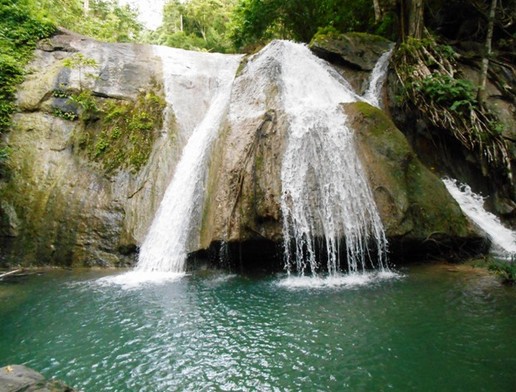
Air Terjun Watu Ondo
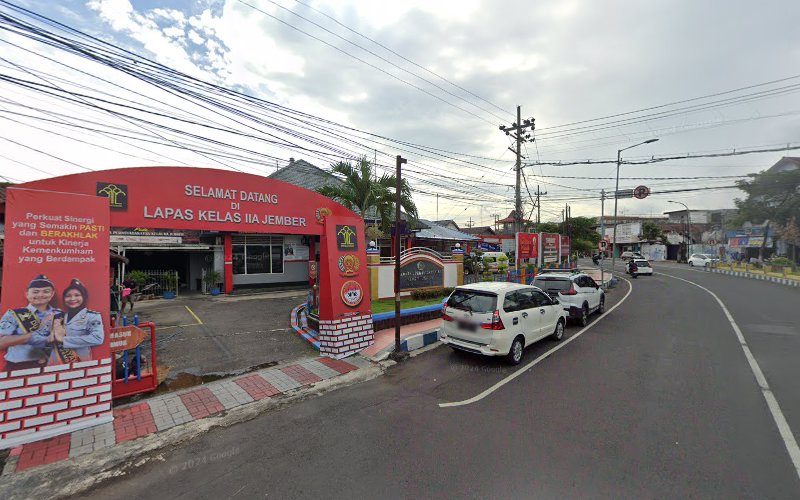
Jl. PB Sudirman
Find Accommodations Nearby
Recommended Tours & Activities
Visitor Reviews
There are no reviews yet. Be the first one to write one.
Share Your Experience
Have you visited Museum Huruf Jember? Help other travelers by leaving a review.