

Museum Tembakau Jember
About Museum Tembakau Jember
Description
The Museum Tembakau Jember is a focused, quietly proud institution that tells the story of tobacco in Jember and East Java with a clarity that surprises first-time visitors. Housed in a modest building that used to be part of the local tobacco infrastructure, the museum charts the arc from field to factory: seedlings and soil, drying barns, leaf grading, the craft of cerutu, and the economic and cultural role that tembakau has played in the region. It is the kind of museum that rewards curiosity. People who stroll in thinking it will be small or niche often end up lingering over displays of old tools, labeled leaf varieties, and archival photos that capture a different Jember — one of hands, sweat, and the scent of drying tobacco just on the edge of memory.
The collection emphasizes tangible, sensorial experiences. Antique scales, hand-stitched cigar molds, and wooden drying racks sit beside contemporary interpretive panels. There are also preserved sections of a gudang pengeringan tembakau that demonstrate how leaves are cured: the architecture of airflow, the spacing of racks, and the smells that come with the drying process. And no, it does not smell like a cigarette shop; it smells like agriculture and craft, the quiet kind of scent that reminds visitors that products have a long life before they become finished goods.
Exhibits are arranged to be easy to follow. The narrative starts with the plant itself — varieties, how leaves differ in color and texture, and which kinds are used for cerutu versus other products — moves through the harvesting and grading process, then into processing and the social history: how tobacco shaped local jobs, family life, and even architecture. There is also attention given to the export history of Jember's tobacco, contextualizing it within regional trade patterns in Jawa Timur and beyond. Interpretive labels blend short historical notes with practical explanations, so someone who knows nothing about tobacco production will still come away understanding the basics.
What makes this museum stand out is its localness. Many large agricultural museums focus on the global commodity chain; Museum Tembakau Jember keeps the spotlight on the community that grew, harvested, and processed the tobacco. Visitors will find oral history clips — recorded testimonies from farmers and factory workers — alongside photographs of local markets and family workshops. One recurring theme is that tobacco in Jember was not merely an industry but a way families organized work across generations. A visitor once noted that a single framed photograph of women sorting leaves in the late afternoon felt like a short film: it implied a rhythm of life, something that dry statistics rarely convey.
The museum is family-friendly and good for kids, but that does not mean it is a playground. Rather, the layout allows for quick, hands-on learning moments: sample leaves under plastic sleeves, magnifiers for inspecting veins and textures, and simple diagrams that explain grading systems. Teachers and parents often appreciate these tactile elements because they turn abstract ideas into something memorable. For travelers who like to learn by touching and trying, the experience is satisfyingly direct.
Accessibility has been considered, too. There is a wheelchair accessible restroom on site, and main exhibition areas are navigable with a stroller or mobility aid. That said, some of the older structures and display setups retain a certain unevenness in flooring and thresholds, a reminder that the building itself has a past. Visitors with reduced mobility should find the museum accommodating overall, but a short phone call ahead (if they can) to ask about current arrangements can remove any small worries.
Operationally, the museum is simple and efficient. There is no on-site restaurant, so visitors should plan for snacks or meals before or after their visit. Restroom facilities are available. Most people spend between 45 minutes and 90 minutes inside depending on how deep they dive into the audio clips and photo archives. The museum manages to pack a lot into a compact space: two floors of exhibits, a small reference corner with books and pamphlets, and a display area that features rotating thematic exhibitions — sometimes focused on cerutu craftsmanship, sometimes on the role of tobacco in local festivals or agricultural cycles.
Critically, the museum does not pretend to be a tobacco apologist. Interpretive material addresses economic benefits as well as the environmental and social trade-offs associated with a tobacco-based economy. This balance gives the museum credibility, especially for travelers who appreciate context and nuance rather than cheerleading. A few visitors have pointed out that some labels could be more multilingual and that signage in English is limited, but the staff are generally friendly and willing to explain exhibits to international guests. The tone is conversational rather than academic, which suits the museum’s local focus.
For photographers and casual historians, there are photo-worthy moments at almost every turn: vintage posters, crates stamped with trade marks, detailed close-ups of cured leaves, and the architecture of the drying warehouses. But do note that some exhibits are behind glass or in restricted display cases, so while close-up photos are often possible, museum etiquette asks that visitors avoid flash on sensitive materials. Many visitors return home with a new appreciation for the craft behind cerutu and an understanding of how a single crop can shape a town.
Practical museums rarely surprise, but this one does, in its calm way. It’s not a blockbuster attraction; it will not take an entire day, nor does it dominate travel itineraries in Jember. Yet for those who enjoy regional museums that preserve local memory and explain the everyday processes behind products, it is a small treasure. Visitors leave more informed about tembakau types, the role of the gudang pengeringan, and why certain leaves are prized for cerutu. And they often leave with an urge to explore surrounding areas where tobacco still grows and local crafts persist.
In short, the Museum Tembakau Jember offers a compact, well-curated look at a commodity that helped shape Jember’s social and economic landscape. It does so with an often understated respect for the people who worked the land and the skills passed down through generations. For travelers seeking context about East Java’s agricultural history, or for anyone curious about cerutu and the lifecycle of tobacco, this museum provides an efficient, thoughtful stop. Bring curiosity, bring questions, and remember to plan mealtime elsewhere because, as noted, there is no restaurant on site. But the payoff is worth it: a clear, human-sized story of tobacco in Jember that lingers after the visit ends.
Key Features
More Details
Updated August 29, 2025
Table of Contents
Description
The Museum Tembakau Jember is a focused, quietly proud institution that tells the story of tobacco in Jember and East Java with a clarity that surprises first-time visitors. Housed in a modest building that used to be part of the local tobacco infrastructure, the museum charts the arc from field to factory: seedlings and soil, drying barns, leaf grading, the craft of cerutu, and the economic and cultural role that tembakau has played in the region. It is the kind of museum that rewards curiosity. People who stroll in thinking it will be small or niche often end up lingering over displays of old tools, labeled leaf varieties, and archival photos that capture a different Jember — one of hands, sweat, and the scent of drying tobacco just on the edge of memory.
The collection emphasizes tangible, sensorial experiences. Antique scales, hand-stitched cigar molds, and wooden drying racks sit beside contemporary interpretive panels. There are also preserved sections of a gudang pengeringan tembakau that demonstrate how leaves are cured: the architecture of airflow, the spacing of racks, and the smells that come with the drying process. And no, it does not smell like a cigarette shop; it smells like agriculture and craft, the quiet kind of scent that reminds visitors that products have a long life before they become finished goods.
Exhibits are arranged to be easy to follow. The narrative starts with the plant itself — varieties, how leaves differ in color and texture, and which kinds are used for cerutu versus other products — moves through the harvesting and grading process, then into processing and the social history: how tobacco shaped local jobs, family life, and even architecture. There is also attention given to the export history of Jember’s tobacco, contextualizing it within regional trade patterns in Jawa Timur and beyond. Interpretive labels blend short historical notes with practical explanations, so someone who knows nothing about tobacco production will still come away understanding the basics.
What makes this museum stand out is its localness. Many large agricultural museums focus on the global commodity chain; Museum Tembakau Jember keeps the spotlight on the community that grew, harvested, and processed the tobacco. Visitors will find oral history clips — recorded testimonies from farmers and factory workers — alongside photographs of local markets and family workshops. One recurring theme is that tobacco in Jember was not merely an industry but a way families organized work across generations. A visitor once noted that a single framed photograph of women sorting leaves in the late afternoon felt like a short film: it implied a rhythm of life, something that dry statistics rarely convey.
The museum is family-friendly and good for kids, but that does not mean it is a playground. Rather, the layout allows for quick, hands-on learning moments: sample leaves under plastic sleeves, magnifiers for inspecting veins and textures, and simple diagrams that explain grading systems. Teachers and parents often appreciate these tactile elements because they turn abstract ideas into something memorable. For travelers who like to learn by touching and trying, the experience is satisfyingly direct.
Accessibility has been considered, too. There is a wheelchair accessible restroom on site, and main exhibition areas are navigable with a stroller or mobility aid. That said, some of the older structures and display setups retain a certain unevenness in flooring and thresholds, a reminder that the building itself has a past. Visitors with reduced mobility should find the museum accommodating overall, but a short phone call ahead (if they can) to ask about current arrangements can remove any small worries.
Operationally, the museum is simple and efficient. There is no on-site restaurant, so visitors should plan for snacks or meals before or after their visit. Restroom facilities are available. Most people spend between 45 minutes and 90 minutes inside depending on how deep they dive into the audio clips and photo archives. The museum manages to pack a lot into a compact space: two floors of exhibits, a small reference corner with books and pamphlets, and a display area that features rotating thematic exhibitions — sometimes focused on cerutu craftsmanship, sometimes on the role of tobacco in local festivals or agricultural cycles.
Critically, the museum does not pretend to be a tobacco apologist. Interpretive material addresses economic benefits as well as the environmental and social trade-offs associated with a tobacco-based economy. This balance gives the museum credibility, especially for travelers who appreciate context and nuance rather than cheerleading. A few visitors have pointed out that some labels could be more multilingual and that signage in English is limited, but the staff are generally friendly and willing to explain exhibits to international guests. The tone is conversational rather than academic, which suits the museum’s local focus.
For photographers and casual historians, there are photo-worthy moments at almost every turn: vintage posters, crates stamped with trade marks, detailed close-ups of cured leaves, and the architecture of the drying warehouses. But do note that some exhibits are behind glass or in restricted display cases, so while close-up photos are often possible, museum etiquette asks that visitors avoid flash on sensitive materials. Many visitors return home with a new appreciation for the craft behind cerutu and an understanding of how a single crop can shape a town.
Practical museums rarely surprise, but this one does, in its calm way. It’s not a blockbuster attraction; it will not take an entire day, nor does it dominate travel itineraries in Jember. Yet for those who enjoy regional museums that preserve local memory and explain the everyday processes behind products, it is a small treasure. Visitors leave more informed about tembakau types, the role of the gudang pengeringan, and why certain leaves are prized for cerutu. And they often leave with an urge to explore surrounding areas where tobacco still grows and local crafts persist.
In short, the Museum Tembakau Jember offers a compact, well-curated look at a commodity that helped shape Jember’s social and economic landscape. It does so with an often understated respect for the people who worked the land and the skills passed down through generations. For travelers seeking context about East Java’s agricultural history, or for anyone curious about cerutu and the lifecycle of tobacco, this museum provides an efficient, thoughtful stop. Bring curiosity, bring questions, and remember to plan mealtime elsewhere because, as noted, there is no restaurant on site. But the payoff is worth it: a clear, human-sized story of tobacco in Jember that lingers after the visit ends.
Key Highlights
Museum Tembakau Jember
Location
Places to Stay Near Museum Tembakau Jember
Find and Book a Tour
Explore More Travel Guides
No reviews found! Be the first to review!
Traveler Reviews for Museum Tembakau Jember
There are no reviews yet. Be the first one to write one.
Have you visited Museum Tembakau Jember? Help other travelers by sharing your review.
You Might Also Like
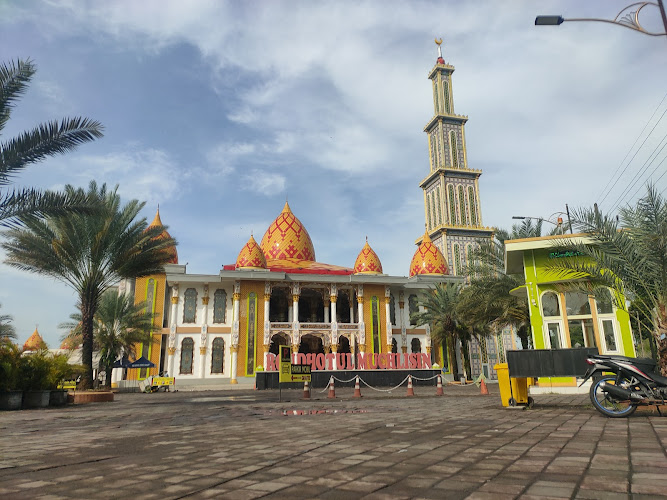
Masjid Roudhotul Muchlisin

Teluk Love

Museum Huruf Jember
Find Accommodations Nearby
Recommended Tours & Activities
Visitor Reviews
There are no reviews yet. Be the first one to write one.
Share Your Experience
Have you visited Museum Tembakau Jember? Help other travelers by leaving a review.