About Museu Esportivo de Maringá

Description

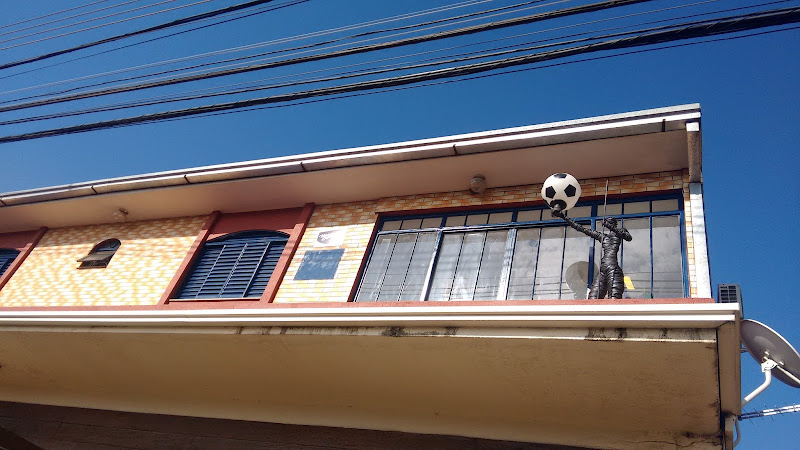
The Museu Esportivo de Maringá is the kind of place that quietly sneaks up on you. It doesn’t shout for attention from the street, and honestly, that’s part of its charm. This local sports museum focuses on the athletic history of Maringá and the surrounding region, and it does so with a sincerity that feels refreshingly honest. You walk in thinking you’ll spend 20 minutes, maybe half an hour, and then suddenly you’re still there an hour later, reading old match reports and staring at jerseys that once mattered a lot to someone.

For travelers who enjoy understanding a city through its people rather than just its skyline, this museum makes sense. Sports in Maringá aren’t just games; they’re social glue. Football, of course, dominates many of the displays, but there’s also room for athletics, futsal, basketball, and community-level competitions that shaped local identity. And yes, that sounds academic, but the exhibits keep things grounded. You see the sweat, the pride, the awkward old photos. It feels lived-in.

I remember visiting a similar sports museum years ago in a small city in southern Europe, and what struck me then is the same thing that struck me here: sports history works best when it’s personal. The Museu Esportivo de Maringá leans into that. You’ll find trophies that look a little worn, newspaper clippings yellowed at the edges, and handwritten notes that probably weren’t meant to be museum pieces at all. That’s the good stuff. It makes the place feel human, not staged.

Another thing worth pointing out is how accessible and welcoming the space is. The museum is clearly designed with the local community in mind, not just visiting academics or hardcore sports historians. Kids are welcome, families don’t feel awkward wandering through, and if you’re rolling in with a wheelchair or stroller, you’re not going to be blocked by narrow doors or awkward steps. That matters more than people admit.

And let’s be real for a second. Not every traveler is into museums, let alone sports museums. But this one doesn’t overwhelm you with endless panels or dry timelines. It’s compact, focused, and emotionally readable. You don’t need to know every Brazilian league table from the 1970s to enjoy it. You just need curiosity. If you like stories about effort, failure, comebacks, and local heroes, you’ll feel at home.

Key Features

  • Permanent exhibits dedicated to the sporting history of Maringá and nearby regions
  • Authentic memorabilia including jerseys, medals, trophies, and archival photographs
  • Strong focus on football, with additional coverage of athletics, futsal, and community sports
  • Clear, readable displays that don’t assume expert-level sports knowledge
  • Wheelchair accessible entrance and restrooms, making the visit comfortable for all
  • Family-friendly layout that works well for kids and curious teenagers
  • A calm, uncrowded atmosphere that allows you to explore at your own pace

Best Time to Visit

The best time to visit the Museu Esportivo de Maringá is honestly whenever you need a slower moment in your travel schedule. It’s an indoor museum, so weather isn’t a big factor. That said, weekdays tend to be quieter, which lets you linger without feeling like you’re in anyone’s way. If you’re the type who likes to read every caption (guilty), you’ll appreciate the calm.

Mornings usually feel lighter and more relaxed. I’ve always preferred museums before lunch, when your brain is fresh and your feet don’t hurt yet. And because this isn’t a mega-attraction packed with tour groups, you’re unlikely to face crowds even during busier travel seasons. That’s a huge plus if you’re trying to avoid sensory overload.

If you’re visiting Maringá during a local sporting event or tournament, pairing that experience with a visit to the museum adds a layer of context. You’ll see how today’s games connect to decades of local passion. But don’t stress if your timing doesn’t line up perfectly. The museum stands on its own just fine.

How to Get There

Getting to the Museu Esportivo de Maringá is straightforward, especially if you’re already staying within the city. Public transportation routes cover the general area well, and taxis or ride-hailing apps are widely used and affordable by international standards. If you’re driving, parking nearby is typically manageable, though like any urban area, it helps to be patient.

I’ve always found that asking a local for directions in Maringá leads to a mini conversation about sports. Seriously. Mention the museum, and suddenly you’re hearing about a memorable goal from years ago or a player someone swears should’ve gone pro. It’s part of the experience, even before you arrive.

For travelers who enjoy walking, the museum can be integrated into a broader city stroll, depending on where you’re coming from. Maringá is known for its planned layout and green spaces, so the walk itself can be pleasant. Just bring water. Brazilian sun doesn’t play around.

Tips for Visiting

First tip: give yourself more time than you think you’ll need. The Museu Esportivo de Maringá looks small from the outside, but the content pulls you in. Plan at least an hour, maybe more if you enjoy reading and reflecting. This isn’t a rush-through kind of place.

Second, talk to the staff if they’re around. They often have personal connections to the exhibits or know stories that aren’t written on the walls. On one visit, I learned about a local athlete’s career that never quite took off due to an injury, and that story stuck with me longer than any trophy did. Those moments aren’t guaranteed, but they happen.

If you’re visiting with kids, encourage them to ask questions. The museum is genuinely good for younger visitors, especially those who play sports themselves. Seeing old equipment and photos makes history feel real, not like homework. And yes, some of the hairstyles alone are worth a laugh.

Accessibility-wise, you’re covered. The entrance and restrooms accommodate wheelchair users, which isn’t always a given in smaller museums. Still, if you have specific needs, arriving earlier in the day can make things smoother.

There’s no restaurant on-site, so plan meals before or after your visit. That’s not a downside, just something to know. I actually like this because it nudges you back into the city afterward, maybe to sit down somewhere and talk about what you just saw. Museums work better when they spark conversation.

Finally, go in with an open mind. Even if you’re not a hardcore sports fan, the Museu Esportivo de Maringá offers insight into how a city celebrates effort, teamwork, and memory. It’s about more than wins and losses. It’s about community pride, and the quiet joy of remembering where you came from. And if that doesn’t hit you at least a little, well, maybe check your pulse. Just kidding. Sort of.

Key Features

  • Permanent exhibits dedicated to the sporting history of Maringá and nearby regions
  • Authentic memorabilia including jerseys, medals, trophies, and archival photographs
  • Strong focus on football, with additional coverage of athletics, futsal, and community sports
  • Clear, readable displays that don’t assume expert-level sports knowledge
  • Wheelchair accessible entrance and restrooms, making the visit comfortable for all
  • Family-friendly layout that works well for kids and curious teenagers
  • A calm, uncrowded atmosphere that allows you to explore at your own pace

More Details

Updated January 1, 2026

Description

The Museu Esportivo de Maringá is the kind of place that quietly sneaks up on you. It doesn’t shout for attention from the street, and honestly, that’s part of its charm. This local sports museum focuses on the athletic history of Maringá and the surrounding region, and it does so with a sincerity that feels refreshingly honest. You walk in thinking you’ll spend 20 minutes, maybe half an hour, and then suddenly you’re still there an hour later, reading old match reports and staring at jerseys that once mattered a lot to someone.

For travelers who enjoy understanding a city through its people rather than just its skyline, this museum makes sense. Sports in Maringá aren’t just games; they’re social glue. Football, of course, dominates many of the displays, but there’s also room for athletics, futsal, basketball, and community-level competitions that shaped local identity. And yes, that sounds academic, but the exhibits keep things grounded. You see the sweat, the pride, the awkward old photos. It feels lived-in.

I remember visiting a similar sports museum years ago in a small city in southern Europe, and what struck me then is the same thing that struck me here: sports history works best when it’s personal. The Museu Esportivo de Maringá leans into that. You’ll find trophies that look a little worn, newspaper clippings yellowed at the edges, and handwritten notes that probably weren’t meant to be museum pieces at all. That’s the good stuff. It makes the place feel human, not staged.

Another thing worth pointing out is how accessible and welcoming the space is. The museum is clearly designed with the local community in mind, not just visiting academics or hardcore sports historians. Kids are welcome, families don’t feel awkward wandering through, and if you’re rolling in with a wheelchair or stroller, you’re not going to be blocked by narrow doors or awkward steps. That matters more than people admit.

And let’s be real for a second. Not every traveler is into museums, let alone sports museums. But this one doesn’t overwhelm you with endless panels or dry timelines. It’s compact, focused, and emotionally readable. You don’t need to know every Brazilian league table from the 1970s to enjoy it. You just need curiosity. If you like stories about effort, failure, comebacks, and local heroes, you’ll feel at home.

Key Features

  • Permanent exhibits dedicated to the sporting history of Maringá and nearby regions
  • Authentic memorabilia including jerseys, medals, trophies, and archival photographs
  • Strong focus on football, with additional coverage of athletics, futsal, and community sports
  • Clear, readable displays that don’t assume expert-level sports knowledge
  • Wheelchair accessible entrance and restrooms, making the visit comfortable for all
  • Family-friendly layout that works well for kids and curious teenagers
  • A calm, uncrowded atmosphere that allows you to explore at your own pace

Best Time to Visit

The best time to visit the Museu Esportivo de Maringá is honestly whenever you need a slower moment in your travel schedule. It’s an indoor museum, so weather isn’t a big factor. That said, weekdays tend to be quieter, which lets you linger without feeling like you’re in anyone’s way. If you’re the type who likes to read every caption (guilty), you’ll appreciate the calm.

Mornings usually feel lighter and more relaxed. I’ve always preferred museums before lunch, when your brain is fresh and your feet don’t hurt yet. And because this isn’t a mega-attraction packed with tour groups, you’re unlikely to face crowds even during busier travel seasons. That’s a huge plus if you’re trying to avoid sensory overload.

If you’re visiting Maringá during a local sporting event or tournament, pairing that experience with a visit to the museum adds a layer of context. You’ll see how today’s games connect to decades of local passion. But don’t stress if your timing doesn’t line up perfectly. The museum stands on its own just fine.

How to Get There

Getting to the Museu Esportivo de Maringá is straightforward, especially if you’re already staying within the city. Public transportation routes cover the general area well, and taxis or ride-hailing apps are widely used and affordable by international standards. If you’re driving, parking nearby is typically manageable, though like any urban area, it helps to be patient.

I’ve always found that asking a local for directions in Maringá leads to a mini conversation about sports. Seriously. Mention the museum, and suddenly you’re hearing about a memorable goal from years ago or a player someone swears should’ve gone pro. It’s part of the experience, even before you arrive.

For travelers who enjoy walking, the museum can be integrated into a broader city stroll, depending on where you’re coming from. Maringá is known for its planned layout and green spaces, so the walk itself can be pleasant. Just bring water. Brazilian sun doesn’t play around.

Tips for Visiting

First tip: give yourself more time than you think you’ll need. The Museu Esportivo de Maringá looks small from the outside, but the content pulls you in. Plan at least an hour, maybe more if you enjoy reading and reflecting. This isn’t a rush-through kind of place.

Second, talk to the staff if they’re around. They often have personal connections to the exhibits or know stories that aren’t written on the walls. On one visit, I learned about a local athlete’s career that never quite took off due to an injury, and that story stuck with me longer than any trophy did. Those moments aren’t guaranteed, but they happen.

If you’re visiting with kids, encourage them to ask questions. The museum is genuinely good for younger visitors, especially those who play sports themselves. Seeing old equipment and photos makes history feel real, not like homework. And yes, some of the hairstyles alone are worth a laugh.

Accessibility-wise, you’re covered. The entrance and restrooms accommodate wheelchair users, which isn’t always a given in smaller museums. Still, if you have specific needs, arriving earlier in the day can make things smoother.

There’s no restaurant on-site, so plan meals before or after your visit. That’s not a downside, just something to know. I actually like this because it nudges you back into the city afterward, maybe to sit down somewhere and talk about what you just saw. Museums work better when they spark conversation.

Finally, go in with an open mind. Even if you’re not a hardcore sports fan, the Museu Esportivo de Maringá offers insight into how a city celebrates effort, teamwork, and memory. It’s about more than wins and losses. It’s about community pride, and the quiet joy of remembering where you came from. And if that doesn’t hit you at least a little, well, maybe check your pulse. Just kidding. Sort of.

Key Highlights

  • Permanent exhibits dedicated to the sporting history of Maringá and nearby regions
  • Authentic memorabilia including jerseys, medals, trophies, and archival photographs
  • Strong focus on football, with additional coverage of athletics, futsal, and community sports
  • Clear, readable displays that don’t assume expert-level sports knowledge
  • Wheelchair accessible entrance and restrooms, making the visit comfortable for all
  • Family-friendly layout that works well for kids and curious teenagers
  • A calm, uncrowded atmosphere that allows you to explore at your own pace

Location

Places to Stay Near Museu Esportivo de Maringá

Find and Book a Tour

Explore More Travel Guides

No reviews found! Be the first to review!

Traveler Reviews for Museu Esportivo de Maringá

There are no reviews yet. Be the first one to write one.

Share Your Experience

Have you visited Museu Esportivo de Maringá? Help other travelers by sharing your review.

Find Accommodations Nearby

Recommended Tours & Activities

Visitor Reviews

There are no reviews yet. Be the first one to write one.

Share Your Experience

Have you visited Museu Esportivo de Maringá? Help other travelers by leaving a review.