Maringá
About Maringá
Description
Maringá is one of those Brazilian cities that quietly surprises travelers who think they’ve already “seen Brazil.” Founded on May 10, 1947, it was designed as a planned city from the very start, which explains why everything feels oddly logical for Brazil. Streets are wide, blocks make sense, and green space isn’t an afterthought. With around 385,000 residents in the city itself and more than 760,000 across the metropolitan area, Maringá ranks as the third-largest city in Paraná, but it doesn’t carry the chaotic weight you might expect from a city that size.
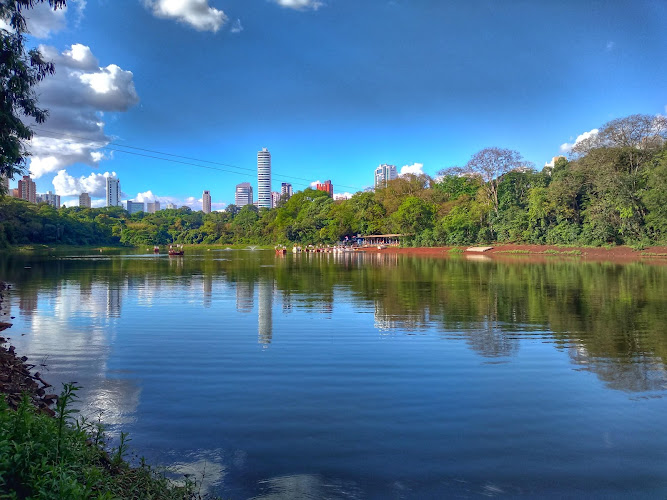
The city sits in southern Brazil, far from the coast and even farther from the tourist clichés. And that’s exactly its strength. Maringá grew out of agricultural ambition, especially coffee, and that heritage still lingers in subtle ways, from the economic confidence to the pride locals have in their city. There’s a calm order here. Trees line major avenues. Public parks are actually used. And people seem genuinely invested in keeping the place livable.
From a traveler’s perspective, Maringá feels refreshingly grounded. It doesn’t try to impress with exaggerated landmarks or flashy slogans. Instead, it wins you over slowly. I remember arriving for the first time thinking I’d stay a day, maybe two. I stayed a week. And even then, it felt unfinished, like I’d only scratched the surface. That’s the kind of city Maringá is. It doesn’t shout. It waits.
Architecturally, the city blends modern Brazilian urban planning with touches of mid-century ambition. The skyline isn’t overwhelming, but it’s purposeful. You’ll notice how the city breathes, how sunlight reaches the streets, how neighborhoods feel intentional rather than accidental. And yes, it’s clean. Not sterile-clean, but cared-for. You notice it in small details, like how parks don’t feel abandoned or how sidewalks are actually walkable, which, if you’ve traveled much, you know is not a given.
For travelers interested in real Brazilian city life rather than postcard scenes, Maringá offers something honest. It’s a place where daily routines matter, where people live full lives not centered around tourism. That makes visiting here feel less like consuming a destination and more like briefly joining a functioning community. And honestly, that’s a rare treat.
Key Features
- Planned Urban Design: Wide avenues, logical layouts, and well-distributed green areas make navigating Maringá surprisingly easy, even for first-time visitors.
- Abundant Green Spaces: The city is known for its urban forests and parks, including large conservation areas that sit right alongside residential neighborhoods.
- Strong Local Economy: Built on agribusiness and services, Maringá has one of Paraná’s highest standards of living, and you feel that stability as a visitor.
- Cultural Scene Without Pretension: Theaters, local music venues, and community events happen regularly, but they feel organic, not staged for tourists.
- Cathedral Presence: The city’s cathedral is one of the tallest in Latin America, visible from many points and oddly grounding rather than imposing.
- Walkable Neighborhoods: Sidewalk cafés, bakeries, and everyday commerce make wandering around genuinely enjoyable.
- Balanced City Energy: Lively enough to stay interesting, calm enough to relax. That balance is harder to find than people think.
Best Time to Visit
Maringá has a subtropical climate, which means warm summers and mild winters. The most comfortable time to visit is between April and September. During these months, temperatures are moderate, rainfall is lower, and walking around the city feels pleasant rather than exhausting. Winters here are mild by most standards. You won’t need heavy coats, just a light jacket for cooler evenings.
Summer, from December to March, can be hot and humid, with frequent afternoon rainstorms. But there’s a silver lining. The city turns greener, parks feel alive, and locals adjust their schedules in a way that’s fascinating to observe. If you don’t mind sudden rain and you enjoy a slower pace midday, summer isn’t a bad choice.
Personally, I’m partial to May and August. May still carries warmth but without the heavy humidity, and August has crisp mornings that make coffee taste better. That’s not scientific, but I stand by it. Also, visiting during local festivals or cultural events can add depth to your trip, even if you don’t fully understand what’s going on. Sometimes that confusion is part of the fun.
How to Get There
Maringá is well-connected, especially within southern Brazil. The city has its own airport, which receives regular domestic flights from major hubs like São Paulo and Curitiba. Flying is the quickest option and surprisingly convenient, especially if you’re short on time.
For those who prefer the road, Maringá is accessible by bus from several major cities in Paraná and neighboring states. Brazil’s long-distance bus system is more comfortable than many expect, and routes to Maringá are frequent. Driving is also an option, with highways that are generally well-maintained. And yes, the city’s planned layout makes arriving by car less stressful than usual.
If you’re already in Paraná, getting to Maringá feels straightforward. No dramatic mountain passes or confusing detours. Just long stretches of agricultural land, the kind that remind you how much of Brazil’s economy still grows from the soil.
Tips for Visiting
First, give Maringá more time than you think you’ll need. It’s not a checklist city. It reveals itself slowly, through routines and repeated walks. Stay at least three days, ideally more. Let yourself settle.
Second, explore on foot when possible. The city’s design rewards walking. You’ll notice details you’d miss otherwise, like how neighborhoods transition or how locals use public spaces. And yes, bring comfortable shoes. I learned that the hard way, wandering longer than planned because, well, curiosity won.
Third, don’t expect English to be widely spoken. Basic Portuguese will go a long way, and locals appreciate the effort. Even simple phrases open doors. I once got invited to a family lunch because I tried, poorly, to ask for directions. That’s not a guarantee, obviously, but it says something about the place.
Fourth, embrace the food scene without overthinking it. Maringá isn’t about flashy dining. It’s about solid meals, good coffee, and bakeries that locals swear by. Ask residents where they eat. Skip the obvious spots and follow their advice. You’ll eat better.
Finally, adjust your expectations. Maringá isn’t loud. It doesn’t perform. And that’s exactly why it stays with you. If you come looking for fireworks, you might miss the quiet brilliance. But if you’re open to a city that functions well, feels humane, and offers a glimpse into everyday Brazilian life done right, you’ll leave with more than photos. You’ll leave with perspective.
And maybe, like me, you’ll find yourself thinking about it months later, wondering when you can go back. Not because you have unfinished sightseeing, but because some places just feel good to be in. Maringá is one of those places.
Key Features
- Key Features
- Best Time to Visit
- How to Get There
- Tips for Visiting
More Details
Updated December 31, 2025
Table of Contents
Description
Maringá is one of those Brazilian cities that quietly surprises travelers who think they’ve already “seen Brazil.” Founded on May 10, 1947, it was designed as a planned city from the very start, which explains why everything feels oddly logical for Brazil. Streets are wide, blocks make sense, and green space isn’t an afterthought. With around 385,000 residents in the city itself and more than 760,000 across the metropolitan area, Maringá ranks as the third-largest city in Paraná, but it doesn’t carry the chaotic weight you might expect from a city that size.
The city sits in southern Brazil, far from the coast and even farther from the tourist clichés. And that’s exactly its strength. Maringá grew out of agricultural ambition, especially coffee, and that heritage still lingers in subtle ways, from the economic confidence to the pride locals have in their city. There’s a calm order here. Trees line major avenues. Public parks are actually used. And people seem genuinely invested in keeping the place livable.
From a traveler’s perspective, Maringá feels refreshingly grounded. It doesn’t try to impress with exaggerated landmarks or flashy slogans. Instead, it wins you over slowly. I remember arriving for the first time thinking I’d stay a day, maybe two. I stayed a week. And even then, it felt unfinished, like I’d only scratched the surface. That’s the kind of city Maringá is. It doesn’t shout. It waits.
Architecturally, the city blends modern Brazilian urban planning with touches of mid-century ambition. The skyline isn’t overwhelming, but it’s purposeful. You’ll notice how the city breathes, how sunlight reaches the streets, how neighborhoods feel intentional rather than accidental. And yes, it’s clean. Not sterile-clean, but cared-for. You notice it in small details, like how parks don’t feel abandoned or how sidewalks are actually walkable, which, if you’ve traveled much, you know is not a given.
For travelers interested in real Brazilian city life rather than postcard scenes, Maringá offers something honest. It’s a place where daily routines matter, where people live full lives not centered around tourism. That makes visiting here feel less like consuming a destination and more like briefly joining a functioning community. And honestly, that’s a rare treat.
Key Features
- Planned Urban Design: Wide avenues, logical layouts, and well-distributed green areas make navigating Maringá surprisingly easy, even for first-time visitors.
- Abundant Green Spaces: The city is known for its urban forests and parks, including large conservation areas that sit right alongside residential neighborhoods.
- Strong Local Economy: Built on agribusiness and services, Maringá has one of Paraná’s highest standards of living, and you feel that stability as a visitor.
- Cultural Scene Without Pretension: Theaters, local music venues, and community events happen regularly, but they feel organic, not staged for tourists.
- Cathedral Presence: The city’s cathedral is one of the tallest in Latin America, visible from many points and oddly grounding rather than imposing.
- Walkable Neighborhoods: Sidewalk cafés, bakeries, and everyday commerce make wandering around genuinely enjoyable.
- Balanced City Energy: Lively enough to stay interesting, calm enough to relax. That balance is harder to find than people think.
Best Time to Visit
Maringá has a subtropical climate, which means warm summers and mild winters. The most comfortable time to visit is between April and September. During these months, temperatures are moderate, rainfall is lower, and walking around the city feels pleasant rather than exhausting. Winters here are mild by most standards. You won’t need heavy coats, just a light jacket for cooler evenings.
Summer, from December to March, can be hot and humid, with frequent afternoon rainstorms. But there’s a silver lining. The city turns greener, parks feel alive, and locals adjust their schedules in a way that’s fascinating to observe. If you don’t mind sudden rain and you enjoy a slower pace midday, summer isn’t a bad choice.
Personally, I’m partial to May and August. May still carries warmth but without the heavy humidity, and August has crisp mornings that make coffee taste better. That’s not scientific, but I stand by it. Also, visiting during local festivals or cultural events can add depth to your trip, even if you don’t fully understand what’s going on. Sometimes that confusion is part of the fun.
How to Get There
Maringá is well-connected, especially within southern Brazil. The city has its own airport, which receives regular domestic flights from major hubs like São Paulo and Curitiba. Flying is the quickest option and surprisingly convenient, especially if you’re short on time.
For those who prefer the road, Maringá is accessible by bus from several major cities in Paraná and neighboring states. Brazil’s long-distance bus system is more comfortable than many expect, and routes to Maringá are frequent. Driving is also an option, with highways that are generally well-maintained. And yes, the city’s planned layout makes arriving by car less stressful than usual.
If you’re already in Paraná, getting to Maringá feels straightforward. No dramatic mountain passes or confusing detours. Just long stretches of agricultural land, the kind that remind you how much of Brazil’s economy still grows from the soil.
Tips for Visiting
First, give Maringá more time than you think you’ll need. It’s not a checklist city. It reveals itself slowly, through routines and repeated walks. Stay at least three days, ideally more. Let yourself settle.
Second, explore on foot when possible. The city’s design rewards walking. You’ll notice details you’d miss otherwise, like how neighborhoods transition or how locals use public spaces. And yes, bring comfortable shoes. I learned that the hard way, wandering longer than planned because, well, curiosity won.
Third, don’t expect English to be widely spoken. Basic Portuguese will go a long way, and locals appreciate the effort. Even simple phrases open doors. I once got invited to a family lunch because I tried, poorly, to ask for directions. That’s not a guarantee, obviously, but it says something about the place.
Fourth, embrace the food scene without overthinking it. Maringá isn’t about flashy dining. It’s about solid meals, good coffee, and bakeries that locals swear by. Ask residents where they eat. Skip the obvious spots and follow their advice. You’ll eat better.
Finally, adjust your expectations. Maringá isn’t loud. It doesn’t perform. And that’s exactly why it stays with you. If you come looking for fireworks, you might miss the quiet brilliance. But if you’re open to a city that functions well, feels humane, and offers a glimpse into everyday Brazilian life done right, you’ll leave with more than photos. You’ll leave with perspective.
And maybe, like me, you’ll find yourself thinking about it months later, wondering when you can go back. Not because you have unfinished sightseeing, but because some places just feel good to be in. Maringá is one of those places.

Key Highlights
- Key Features
- Best Time to Visit
- How to Get There
- Tips for Visiting
Location
Places to Stay Near Maringá
Find and Book a Tour
Explore More Travel Guides
No reviews found! Be the first to review!
Traveler Reviews for Maringá
There are no reviews yet. Be the first one to write one.
Have you visited Maringá? Help other travelers by sharing your review.
Find Accommodations Nearby
Recommended Tours & Activities
Visitor Reviews
There are no reviews yet. Be the first one to write one.
Share Your Experience
Have you visited Maringá? Help other travelers by leaving a review.