Description
This temple belongs to the Jodo Shu sect of Buddhism, which focuses on devotion to Amida Buddha and the practice of nembutsu, the chanting of Namu Amida Butsu. You don’t need to know any of that to enjoy a visit, by the way. Travelers who wander in without a clue often end up staying longer than planned, just sitting, watching incense smoke curl upward, or listening to the faint sounds of prayer. And yes, it’s peaceful. Almost stubbornly so.
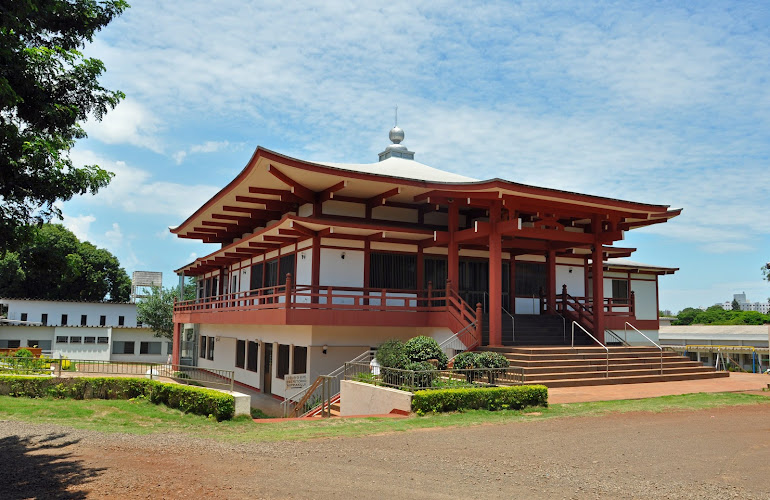
Architecturally, Jodoshu Nippakuji leans toward restraint rather than spectacle. Clean lines, natural materials, and a layout that encourages slow movement. There are no flashing signs telling you where to go. You sort of discover the temple at your own pace, which I personally love. Modern travelers are usually rushed, glued to schedules and screens. Here, your phone feels awkward in your hand. That’s a good thing.
What surprised me most, and what many visitors don’t expect, is how welcoming the space is for everyone. Accessibility has clearly been thought through, not as an afterthought but as a basic courtesy. Wheelchair users can navigate the entrance and facilities comfortably, and that’s still not as common as it should be at historic religious sites. It makes the temple feel open, in a very literal sense.
While most people leave glowing impressions, a small number walk away underwhelmed, usually because they expected something louder or more dramatic. If you come looking for spectacle, you might miss the point. But if you’re open to subtlety, to the idea that a place can work on you quietly, Jodoshu Nippakuji delivers. It’s not about checking off a sightseeing list. It’s about slowing down, even if just for an hour.
Key Features
-
Authentic Jodo Shu atmosphere: The temple remains active as a place of worship, which gives it a lived-in, genuine feeling rather than a museum vibe.
-
Peaceful prayer halls: Spaces designed for contemplation, chanting, and quiet sitting, without crowds pushing you along.
-
Accessibility-friendly design: Wheelchair accessible entrance, parking, and restrooms make this temple easier to visit than many traditional sites.
-
Simple yet meaningful architecture: No excess decoration, just thoughtful design that aligns with Buddhist values of humility and focus.
-
Restroom facilities on-site: A small detail, but travelers know how important this can be, especially on longer sightseeing days.
-
Recommended advance planning: Tickets or entry arrangements are smoother when planned ahead, especially during busier seasons.
-
Atmosphere over entertainment: This is a place for reflection, not performances or photo ops, and that’s exactly its strength.
Best Time to Visit
Timing your visit to Jodoshu Nippakuji can shape your entire experience. Early mornings are my personal favorite. The light is soft, the air feels cleaner somehow, and there’s a sense that the day hasn’t fully woken up yet. You’ll often share the space with locals coming to pray, which adds a layer of authenticity you can’t manufacture.
Late mornings to early afternoons are when most travelers arrive. It’s still calm, but you might hear more footsteps, more whispers. If you don’t mind gentle background noise, this is a perfectly fine window. And honestly, even at its busiest, the temple never feels chaotic. The layout naturally spreads people out.
Seasonally, spring and autumn are standouts. Spring brings mild temperatures and a sense of renewal that fits well with Buddhist themes. Autumn, on the other hand, has a quieter, more introspective mood. I once visited a temple like this in fall after a rough patch in my own life, and the combination of cool air and falling leaves hit harder than I expected. Not dramatic, just real.
Summer can be warm, and while the temple itself remains serene, the heat might shorten your stay. Winter visits are peaceful and often overlooked, which can be a plus if you prefer solitude. Just dress warmly and move a little slower.
How to Get There
Getting to Jodoshu Nippakuji is fairly straightforward, especially if you’re already exploring the surrounding area. Public transportation is a common choice for travelers, and it usually drops you within a reasonable walking distance. The walk itself becomes part of the experience. Streets gradually quiet down, and by the time you arrive, your mindset has already shifted.
For those traveling by car, the availability of wheelchair accessible parking is a relief. Parking around religious sites can sometimes be a guessing game, but here it feels organized and considerate. If you’re road-tripping, this temple fits nicely as a calm stop between busier attractions.
One small tip from personal experience: allow extra time, even if the journey looks short on paper. Not because it’s difficult, but because you might want to linger once you arrive. Rushing in and out kind of defeats the purpose.
Tips for Visiting
First and foremost, adjust your expectations. Jodoshu Nippakuji isn’t about big moments; it’s about subtle ones. Go in with curiosity instead of a checklist. You’ll get more out of it that way.
Dress respectfully and comfortably. You don’t need formal attire, but modest clothing shows awareness. And comfortable shoes matter, because you’ll likely want to walk slowly, maybe even aimlessly. That’s not wasted time here.
Silence isn’t strictly enforced, but it’s encouraged. Keep conversations low, put your phone away when you can, and resist the urge to document every corner. I’ve learned the hard way that some places are better remembered than photographed.
If tickets or entry arrangements are required during your visit window, plan ahead. It removes stress and lets you arrive in the right headspace. No one wants to be fumbling with logistics at a temple gate.
Take advantage of the accessibility features if you need them, or simply notice them if you don’t. It’s refreshing to see a historic religious space that acknowledges modern needs without compromising its spirit.
Finally, give yourself permission to sit and do nothing. Really. Find a spot, watch the light change, listen to the ambient sounds. Travelers often feel guilty for not “doing” enough, but here, not doing is kind of the point. And who knows, you might walk out feeling lighter than when you walked in. That’s been my experience, more than once.