Interdisciplinary Dynamic Museum
About Interdisciplinary Dynamic Museum
Description
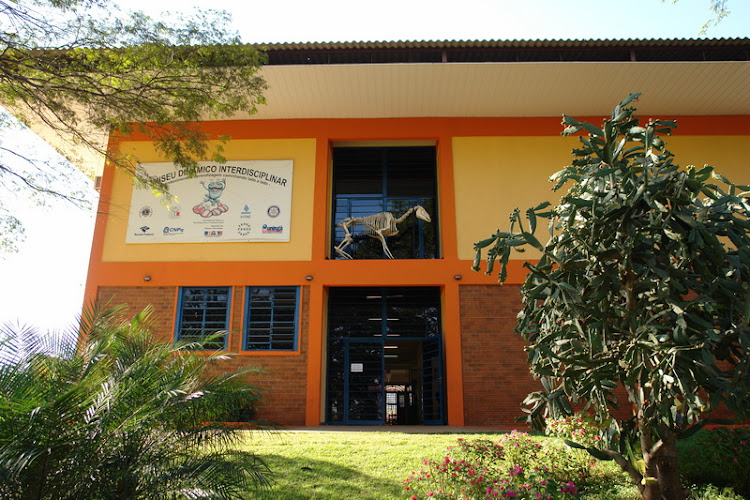
The Interdisciplinary Dynamic Museum is the kind of place that quietly messes with your expectations. On paper, it’s a science museum. In practice, it behaves more like a living lab where disciplines bump into each other and occasionally argue. Physics leans into art. Biology borrows from design. Technology hums in the background, not shouting, just doing its thing. And that, honestly, is what makes it so compelling for travelers who are tired of glass cases and long labels.
This museum is designed around motion, interaction, and curiosity. You don’t just walk through it; you engage with it. Exhibits are built to respond to human presence—your movement, your voice, your decisions. And yes, sometimes they glitch a little. But I actually like that. It reminds you that learning is messy, and discovery doesn’t always come with clean edges.
What stands out is how interdisciplinary actually means interdisciplinary here. Instead of separating science into neat rooms, the museum blends subjects into shared spaces. One gallery might explore climate systems through data visualizations and soundscapes. Another might ask you to solve engineering problems using principles from psychology and sociology. It’s thinking-heavy, but not exhausting. More like mentally stimulating in a way that sneaks up on you.
I visited on a random weekday afternoon once, expecting to kill an hour. I stayed nearly three. Part of that was watching school groups work through challenges together. Part of it was me getting oddly invested in an interactive exhibit about urban planning, tweaking variables like population density and public transport until the virtual city didn’t collapse. Small win, but I’ll take it.
The museum is clearly popular, and for good reason. Most visitors walk away impressed, though a few do mention that some exhibits feel more experimental than polished. That’s fair. But if you like places that try new ideas instead of playing it safe, this museum hits the mark.
Key Features
- Hands-on science exhibits that merge physics, biology, technology, and art into shared experiences
- Interactive installations that respond to movement, sound, and user choices
- Strong focus on systems thinking, problem-solving, and real-world applications
- Exhibit design that encourages collaboration, especially among students and families
- Rotating displays that keep repeat visits interesting and slightly unpredictable
- Clear explanations without dumbing things down, which I appreciate more than I should admit
- Wheelchair accessible entrance, parking, and restrooms, making the space genuinely inclusive
- Kid-friendly zones that don’t feel like an afterthought or a noisy side room
Best Time to Visit
If you’re traveling and can choose your timing, weekday mornings are gold. The museum opens up slowly then, and you’ll have space to linger at exhibits without feeling rushed or jostled. It’s quieter, more contemplative. You can actually hear the subtle audio components of some installations, which get lost when the place is packed.
Weekends are busier, especially late morning through mid-afternoon. Families, school groups, tourists—it all converges. That energy can be fun, sure, but it also means waiting for popular interactive stations. If you don’t mind a little chaos and enjoy watching kids figure things out (sometimes faster than adults), weekends still work.
Season-wise, the museum is a solid year-round option. Rainy days, cold snaps, or those too-hot-to-function afternoons make it an ideal escape. Summer tends to bring more travelers, so expect higher foot traffic then. Personally, I like visiting during shoulder seasons when the city feels calmer and the museum staff seem a bit more relaxed and chatty.
How to Get There
Getting to the Interdisciplinary Dynamic Museum is refreshingly straightforward, especially for travelers relying on public transportation. It’s well integrated into the city’s transit network, and stops are within comfortable walking distance. The walk itself usually gives you a sense of the surrounding neighborhood, which I consider part of the experience.
If you’re driving, there’s accessible parking available, and navigating in and out isn’t a headache. That alone deserves some credit. Rideshares also work well, with designated drop-off points that don’t require awkward street crossings or long detours.
For those exploring on foot or by bike, the area around the museum is pedestrian-friendly. I once wandered over after lunch somewhere nearby, no plan, just following my curiosity. Those unplanned visits often end up being the most memorable, don’t they?
Tips for Visiting
First tip: give yourself more time than you think you’ll need. This isn’t a quick in-and-out museum. Even if you’re not a hardcore science person, the interactive nature pulls you in. Two hours is a reasonable minimum. Three if you like to poke at every screen and lever.
Second, wear comfortable shoes. You’ll be standing, moving, circling back to exhibits you thought you were done with. I made the mistake of wearing stiff boots once and regretted it about an hour in. Learn from my poor choices.
If you’re visiting with kids, let them lead sometimes. Seriously. The museum is designed with students in mind, and watching a child explain a concept to an adult is both humbling and kind of wonderful. Plus, kids tend to notice details adults breeze past.
Accessibility is well thought out here. Wheelchair users will find entrances, restrooms, and main pathways easy to navigate. That’s not always a given, sadly, so it’s worth mentioning. If you need assistance, staff are generally attentive without hovering.
There’s no on-site restaurant, so plan meals accordingly. Eat before you go or after. Some people try to rush through because they’re hungry, and that’s just tragic. Science deserves your full attention, and your brain works better when fed. Bring a small snack if allowed, but double-check current policies.
Don’t be afraid to ask questions. Museum staff and facilitators often have backgrounds in science or education, and they’re usually happy to dive deeper into an exhibit if you show interest. One staff member once spent ten minutes explaining the logic behind an algorithmic art piece to me, and I walked away feeling smarter. Or at least pretending I was.
Lastly, keep an open mind. Some exhibits might not land for you. Others will surprise you. That’s the deal with interdisciplinary spaces—they’re experimental by nature. And that’s okay. Travel, after all, is about encountering ideas that don’t fit neatly into your existing boxes.
The Interdisciplinary Dynamic Museum rewards curiosity, patience, and a willingness to engage. For travelers who want more than passive observation, it offers a hands-on, thought-provoking break from the usual sightseeing routine. And honestly, it’s the kind of place that sticks with you, popping back into your thoughts days later when you least expect it. That’s a good sign, in my book.
Key Features
- Hands-on science exhibits that merge physics, biology, technology, and art into shared experiences
- Interactive installations that respond to movement, sound, and user choices
- Strong focus on systems thinking, problem-solving, and real-world applications
- Exhibit design that encourages collaboration, especially among students and families
- Rotating displays that keep repeat visits interesting and slightly unpredictable
- Clear explanations without dumbing things down, which I appreciate more than I should admit
- Wheelchair accessible entrance, parking, and restrooms, making the space genuinely inclusive
- Kid-friendly zones that don’t feel like an afterthought or a noisy side room
More Details
Updated January 1, 2026
Table of Contents
Description
The Interdisciplinary Dynamic Museum is the kind of place that quietly messes with your expectations. On paper, it’s a science museum. In practice, it behaves more like a living lab where disciplines bump into each other and occasionally argue. Physics leans into art. Biology borrows from design. Technology hums in the background, not shouting, just doing its thing. And that, honestly, is what makes it so compelling for travelers who are tired of glass cases and long labels.
This museum is designed around motion, interaction, and curiosity. You don’t just walk through it; you engage with it. Exhibits are built to respond to human presence—your movement, your voice, your decisions. And yes, sometimes they glitch a little. But I actually like that. It reminds you that learning is messy, and discovery doesn’t always come with clean edges.
What stands out is how interdisciplinary actually means interdisciplinary here. Instead of separating science into neat rooms, the museum blends subjects into shared spaces. One gallery might explore climate systems through data visualizations and soundscapes. Another might ask you to solve engineering problems using principles from psychology and sociology. It’s thinking-heavy, but not exhausting. More like mentally stimulating in a way that sneaks up on you.
I visited on a random weekday afternoon once, expecting to kill an hour. I stayed nearly three. Part of that was watching school groups work through challenges together. Part of it was me getting oddly invested in an interactive exhibit about urban planning, tweaking variables like population density and public transport until the virtual city didn’t collapse. Small win, but I’ll take it.
The museum is clearly popular, and for good reason. Most visitors walk away impressed, though a few do mention that some exhibits feel more experimental than polished. That’s fair. But if you like places that try new ideas instead of playing it safe, this museum hits the mark.
Key Features
- Hands-on science exhibits that merge physics, biology, technology, and art into shared experiences
- Interactive installations that respond to movement, sound, and user choices
- Strong focus on systems thinking, problem-solving, and real-world applications
- Exhibit design that encourages collaboration, especially among students and families
- Rotating displays that keep repeat visits interesting and slightly unpredictable
- Clear explanations without dumbing things down, which I appreciate more than I should admit
- Wheelchair accessible entrance, parking, and restrooms, making the space genuinely inclusive
- Kid-friendly zones that don’t feel like an afterthought or a noisy side room
Best Time to Visit
If you’re traveling and can choose your timing, weekday mornings are gold. The museum opens up slowly then, and you’ll have space to linger at exhibits without feeling rushed or jostled. It’s quieter, more contemplative. You can actually hear the subtle audio components of some installations, which get lost when the place is packed.
Weekends are busier, especially late morning through mid-afternoon. Families, school groups, tourists—it all converges. That energy can be fun, sure, but it also means waiting for popular interactive stations. If you don’t mind a little chaos and enjoy watching kids figure things out (sometimes faster than adults), weekends still work.
Season-wise, the museum is a solid year-round option. Rainy days, cold snaps, or those too-hot-to-function afternoons make it an ideal escape. Summer tends to bring more travelers, so expect higher foot traffic then. Personally, I like visiting during shoulder seasons when the city feels calmer and the museum staff seem a bit more relaxed and chatty.
How to Get There
Getting to the Interdisciplinary Dynamic Museum is refreshingly straightforward, especially for travelers relying on public transportation. It’s well integrated into the city’s transit network, and stops are within comfortable walking distance. The walk itself usually gives you a sense of the surrounding neighborhood, which I consider part of the experience.
If you’re driving, there’s accessible parking available, and navigating in and out isn’t a headache. That alone deserves some credit. Rideshares also work well, with designated drop-off points that don’t require awkward street crossings or long detours.
For those exploring on foot or by bike, the area around the museum is pedestrian-friendly. I once wandered over after lunch somewhere nearby, no plan, just following my curiosity. Those unplanned visits often end up being the most memorable, don’t they?
Tips for Visiting
First tip: give yourself more time than you think you’ll need. This isn’t a quick in-and-out museum. Even if you’re not a hardcore science person, the interactive nature pulls you in. Two hours is a reasonable minimum. Three if you like to poke at every screen and lever.
Second, wear comfortable shoes. You’ll be standing, moving, circling back to exhibits you thought you were done with. I made the mistake of wearing stiff boots once and regretted it about an hour in. Learn from my poor choices.
If you’re visiting with kids, let them lead sometimes. Seriously. The museum is designed with students in mind, and watching a child explain a concept to an adult is both humbling and kind of wonderful. Plus, kids tend to notice details adults breeze past.
Accessibility is well thought out here. Wheelchair users will find entrances, restrooms, and main pathways easy to navigate. That’s not always a given, sadly, so it’s worth mentioning. If you need assistance, staff are generally attentive without hovering.
There’s no on-site restaurant, so plan meals accordingly. Eat before you go or after. Some people try to rush through because they’re hungry, and that’s just tragic. Science deserves your full attention, and your brain works better when fed. Bring a small snack if allowed, but double-check current policies.
Don’t be afraid to ask questions. Museum staff and facilitators often have backgrounds in science or education, and they’re usually happy to dive deeper into an exhibit if you show interest. One staff member once spent ten minutes explaining the logic behind an algorithmic art piece to me, and I walked away feeling smarter. Or at least pretending I was.
Lastly, keep an open mind. Some exhibits might not land for you. Others will surprise you. That’s the deal with interdisciplinary spaces—they’re experimental by nature. And that’s okay. Travel, after all, is about encountering ideas that don’t fit neatly into your existing boxes.
The Interdisciplinary Dynamic Museum rewards curiosity, patience, and a willingness to engage. For travelers who want more than passive observation, it offers a hands-on, thought-provoking break from the usual sightseeing routine. And honestly, it’s the kind of place that sticks with you, popping back into your thoughts days later when you least expect it. That’s a good sign, in my book.

Key Highlights
- Hands-on science exhibits that merge physics, biology, technology, and art into shared experiences
- Interactive installations that respond to movement, sound, and user choices
- Strong focus on systems thinking, problem-solving, and real-world applications
- Exhibit design that encourages collaboration, especially among students and families
- Rotating displays that keep repeat visits interesting and slightly unpredictable
- Clear explanations without dumbing things down, which I appreciate more than I should admit
- Wheelchair accessible entrance, parking, and restrooms, making the space genuinely inclusive
- Kid-friendly zones that don’t feel like an afterthought or a noisy side room
Location
Places to Stay Near Interdisciplinary Dynamic Museum
Find and Book a Tour
Explore More Travel Guides
No reviews found! Be the first to review!
Traveler Reviews for Interdisciplinary Dynamic Museum
There are no reviews yet. Be the first one to write one.
Have you visited Interdisciplinary Dynamic Museum? Help other travelers by sharing your review.
Find Accommodations Nearby
Recommended Tours & Activities
Visitor Reviews
There are no reviews yet. Be the first one to write one.
Share Your Experience
Have you visited Interdisciplinary Dynamic Museum? Help other travelers by leaving a review.