
Museo Pambata
About Museo Pambata
Description
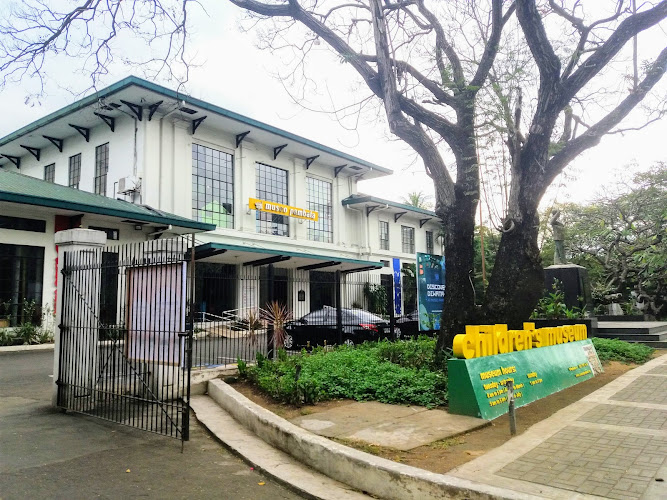
Museo Pambata transforms the typical museum experience into something kids actually want to do, which honestly feels like a minor miracle for parents traveling through Manila. This isn't one of those dusty institutions where children have to whisper and keep their hands behind their backs. Instead, the entire concept revolves around touching, exploring, and actually engaging with Filipino culture and history in ways that make learning feel like play. The museum occupies a historic building that once served as the Elks Club during the American colonial period, and there's something rather poetic about turning what was essentially an exclusive social club into a space dedicated entirely to children's education and discovery. Walking through those doors, travelers immediately notice the energy is different from standard museums. Kids are encouraged to run their hands over exhibits, climb into displays, and participate rather than just observe. What really sets Museo Pambata apart is how it weaves Filipino traditions, values, and contemporary life into every corner. The exhibits tackle everything from traditional Filipino homes to human biology to environmental conservation, but they do it through interactive installations that pull kids in. I've watched children who were dragging their feet through other Manila attractions suddenly light up here, and that's the magic of a well-executed children's museum. It proves that education doesn't have to feel like a chore when you design it right. The theatrical performances add another layer to the experience, bringing stories and lessons to life in ways that static displays simply cannot match. And let's be honest, after a few days of temples and historical sites, having a place where your kids can actually be loud and curious feels like finding an oasis.Key Features
The hands-on nature of Museo Pambata creates memorable experiences that stick with young travelers long after they've left Manila. Here's what makes this place worth adding to your itinerary:- Traditional Filipino House Exhibit: Kids can step inside a bahay kubo and explore authentic Filipino living spaces, getting a genuine sense of how families lived and still live across the archipelago
- Carousel of Philippine Cultures: This rotating exhibit introduces children to the diverse ethnic groups throughout the Philippines, celebrating the country's rich cultural tapestry in accessible ways
- My Body Exhibit: An engaging exploration of human anatomy and health that makes biology fascinating rather than clinical, perfect for curious minds who ask endless questions about how things work
- Kalikasan (Nature) Gallery: Environmental exhibits that teach conservation and ecology through the lens of Philippine ecosystems, which feels particularly relevant given the country's incredible biodiversity
- Banking and Money Exhibit: Surprisingly popular with kids who enjoy role-playing adult scenarios, this section introduces basic financial literacy concepts through play
- Soap Bubble Area: Because sometimes the simplest pleasures create the biggest smiles, and giant bubbles never get old no matter how many times you've seen them
- Indoor Playground: A dedicated space where younger children can burn energy safely while parents catch their breath
- Theatrical Performances: Regular shows that bring Filipino folklore and stories to life, adding entertainment value beyond the exhibits themselves
- Accessibility Features: Wheelchair-accessible throughout, making it genuinely inclusive for families with different mobility needs
Best Time to Visit
Timing your visit to Museo Pambata can make the difference between a peaceful educational experience and feeling like you're navigating a school field trip stampede. Weekday mornings, particularly Tuesday through Thursday, offer the calmest experience. You'll find fewer crowds and more breathing room around popular exhibits, which means your kids can actually spend time exploring without waiting in line. Weekends and Philippine holidays get packed, and I mean really packed. The museum's popularity means families from across Metro Manila descend on it, especially when school's out. If weekends are your only option, arrive right when doors open. That first hour before the crowds build gives you a chance to hit the most popular exhibits while they're still relatively empty. The dry season from December through May generally makes getting to the museum easier since you won't be dealing with Manila's notorious monsoon rains and flooding. But honestly, if you're already in Manila during the wet season, the museum makes an excellent rainy day activity since everything's indoors anyway. School break periods in March, April, and May see increased visitor numbers, but the museum often schedules additional programming during these times. June marks the start of the Philippine school year, so you might encounter organized school groups on weekday mornings during this period. Consider the heat too. Manila gets brutally hot, especially from March through May, and while the museum has air conditioning, getting there during midday can be exhausting for little ones. Morning visits let you tackle the museum when everyone's fresh and before the tropical heat really cranks up.How to Get There
Getting to Museo Pambata requires navigating Manila's chaotic traffic situation, which can test even experienced travelers' patience. The museum sits along Roxas Boulevard near the Manila Hotel and Rizal Park, putting it squarely in the tourist district but also in an area where traffic can grind to a standstill. Taxis remain the most straightforward option for most travelers. Just tell your driver "Museo Pambata sa Roxas Boulevard" and they should know it. Use only metered taxis or ride-hailing apps like Grab to avoid the inflated tourist pricing that some drivers attempt. From Makati, expect about 30-45 minutes depending on traffic. From the Ermita or Malate tourist areas, you're looking at 10-15 minutes on a good day. The MRT and LRT train systems don't stop particularly close to the museum, but if you're staying further out, you could take the LRT-1 to United Nations station and then grab a short taxi ride. Some budget-conscious travelers do this to avoid sitting in traffic the entire way. Jeepneys running along Roxas Boulevard pass near the museum, but navigating Manila's jeepney system takes some practice and comfort with local transportation. Look for jeepneys marked "Taft-Mabini" or routes heading toward the Manila Bay area. You'll need to know where to signal your stop, and with kids in tow, this becomes more complicated than it's usually worth. If your hotel is in the nearby tourist belt around Rizal Park, you could potentially walk, though Manila's pedestrian infrastructure leaves much to be desired. The heat and humidity make this practical only in early morning, and you'll need to watch for traffic carefully. Parking is available on-site for families who've rented a car, though driving in Manila traffic yourself requires strong nerves and familiarity with local driving customs that can be described as creative at best.Tips for Visiting
Maximizing your Museo Pambata experience comes down to preparation and managing expectations appropriately. First things first, plan to spend at least two to three hours here. Rushing through defeats the purpose since the value lies in hands-on engagement, not just seeing everything quickly. Bring socks for your children. Many exhibits require removing shoes, and while the museum maintains cleanliness, having socks keeps little feet comfortable and protected. You'll appreciate this detail when you're not dealing with complaints about cold floors or worries about what they're stepping on. The museum doesn't have a restaurant, which trips up some visitors who arrive expecting full dining facilities. They do have a small snack area and vending machines, but smart travelers pack light snacks and water bottles, especially for younger children who need regular fuel. The nearby areas around Rizal Park have plenty of dining options for after your visit. Don't try to see everything if your kids are young. Attempting every exhibit leads to exhaustion and meltdowns. Instead, let your children's interests guide the visit. Some kids will spend an hour in one area that captures their imagination while barely glancing at others, and that's perfectly fine. The goal is engagement, not completion. Bring your camera but put it down sometimes. Yes, the photo opportunities are great, but I've watched too many parents experience the entire museum through their phone screens instead of actually watching their kids discover things. Snap a few pictures then just be present for the moments. The theatrical performances follow a schedule that isn't always consistent, so ask at the front desk when you arrive about show times. These performances add significant value to the visit and help break up the exhibit exploration with something different. Weekday afternoons after 2 PM often see thinner crowds as school groups leave and before families arrive for evening visits. This window can provide a sweet spot for visitors with flexible schedules. The museum staff genuinely care about creating positive experiences for children. Don't hesitate to ask questions or request assistance. They're accustomed to helping international visitors and families with specific needs. Budget roughly 200-300 pesos per person for admission, though prices occasionally change. Having exact change speeds up the entry process, and the museum only accepts cash payments, so hit an ATM beforehand if needed. Consider your children's sensory sensitivities. The museum can get loud and crowded, with lots of stimulation happening simultaneously. Kids who become overwhelmed in busy environments might need breaks in quieter corners or outside for a few minutes. Restrooms are available and wheelchair accessible, but they can get crowded during peak times. Strategic bathroom breaks before they become urgent saves stress. The gift shop near the exit sells educational toys and Filipino cultural items at reasonable prices. Setting expectations beforehand about whether you'll be buying anything prevents the inevitable "but I want this" negotiations while you're trying to leave. Finally, approach Museo Pambata with the understanding that it reflects Philippine resources and context. It won't have the polish or technology of children's museums in wealthier countries, but the heart and educational mission shine through clearly. The experience offers something many flashier museums cannot, which is an authentic window into Filipino culture presented specifically for young minds to grasp and appreciate.Key Features
- Hands-on science and interactive exhibits designed for children
- Replica village and role-play areas that teach everyday life skills
- Rotating themed galleries and educational programs for schools
- Child-scaled design and sensory-friendly activity zones
- Located near Rizal Park and other central Manila attractions
More Details
Updated January 18, 2026
Table of Contents
Description
Museo Pambata transforms the typical museum experience into something kids actually want to do, which honestly feels like a minor miracle for parents traveling through Manila. This isn’t one of those dusty institutions where children have to whisper and keep their hands behind their backs. Instead, the entire concept revolves around touching, exploring, and actually engaging with Filipino culture and history in ways that make learning feel like play.
The museum occupies a historic building that once served as the Elks Club during the American colonial period, and there’s something rather poetic about turning what was essentially an exclusive social club into a space dedicated entirely to children’s education and discovery. Walking through those doors, travelers immediately notice the energy is different from standard museums. Kids are encouraged to run their hands over exhibits, climb into displays, and participate rather than just observe.
What really sets Museo Pambata apart is how it weaves Filipino traditions, values, and contemporary life into every corner. The exhibits tackle everything from traditional Filipino homes to human biology to environmental conservation, but they do it through interactive installations that pull kids in. I’ve watched children who were dragging their feet through other Manila attractions suddenly light up here, and that’s the magic of a well-executed children’s museum. It proves that education doesn’t have to feel like a chore when you design it right.
The theatrical performances add another layer to the experience, bringing stories and lessons to life in ways that static displays simply cannot match. And let’s be honest, after a few days of temples and historical sites, having a place where your kids can actually be loud and curious feels like finding an oasis.
Key Features
The hands-on nature of Museo Pambata creates memorable experiences that stick with young travelers long after they’ve left Manila. Here’s what makes this place worth adding to your itinerary:
- Traditional Filipino House Exhibit: Kids can step inside a bahay kubo and explore authentic Filipino living spaces, getting a genuine sense of how families lived and still live across the archipelago
- Carousel of Philippine Cultures: This rotating exhibit introduces children to the diverse ethnic groups throughout the Philippines, celebrating the country’s rich cultural tapestry in accessible ways
- My Body Exhibit: An engaging exploration of human anatomy and health that makes biology fascinating rather than clinical, perfect for curious minds who ask endless questions about how things work
- Kalikasan (Nature) Gallery: Environmental exhibits that teach conservation and ecology through the lens of Philippine ecosystems, which feels particularly relevant given the country’s incredible biodiversity
- Banking and Money Exhibit: Surprisingly popular with kids who enjoy role-playing adult scenarios, this section introduces basic financial literacy concepts through play
- Soap Bubble Area: Because sometimes the simplest pleasures create the biggest smiles, and giant bubbles never get old no matter how many times you’ve seen them
- Indoor Playground: A dedicated space where younger children can burn energy safely while parents catch their breath
- Theatrical Performances: Regular shows that bring Filipino folklore and stories to life, adding entertainment value beyond the exhibits themselves
- Accessibility Features: Wheelchair-accessible throughout, making it genuinely inclusive for families with different mobility needs
Best Time to Visit
Timing your visit to Museo Pambata can make the difference between a peaceful educational experience and feeling like you’re navigating a school field trip stampede. Weekday mornings, particularly Tuesday through Thursday, offer the calmest experience. You’ll find fewer crowds and more breathing room around popular exhibits, which means your kids can actually spend time exploring without waiting in line.
Weekends and Philippine holidays get packed, and I mean really packed. The museum’s popularity means families from across Metro Manila descend on it, especially when school’s out. If weekends are your only option, arrive right when doors open. That first hour before the crowds build gives you a chance to hit the most popular exhibits while they’re still relatively empty.
The dry season from December through May generally makes getting to the museum easier since you won’t be dealing with Manila’s notorious monsoon rains and flooding. But honestly, if you’re already in Manila during the wet season, the museum makes an excellent rainy day activity since everything’s indoors anyway.
School break periods in March, April, and May see increased visitor numbers, but the museum often schedules additional programming during these times. June marks the start of the Philippine school year, so you might encounter organized school groups on weekday mornings during this period.
Consider the heat too. Manila gets brutally hot, especially from March through May, and while the museum has air conditioning, getting there during midday can be exhausting for little ones. Morning visits let you tackle the museum when everyone’s fresh and before the tropical heat really cranks up.
How to Get There
Getting to Museo Pambata requires navigating Manila’s chaotic traffic situation, which can test even experienced travelers’ patience. The museum sits along Roxas Boulevard near the Manila Hotel and Rizal Park, putting it squarely in the tourist district but also in an area where traffic can grind to a standstill.
Taxis remain the most straightforward option for most travelers. Just tell your driver “Museo Pambata sa Roxas Boulevard” and they should know it. Use only metered taxis or ride-hailing apps like Grab to avoid the inflated tourist pricing that some drivers attempt. From Makati, expect about 30-45 minutes depending on traffic. From the Ermita or Malate tourist areas, you’re looking at 10-15 minutes on a good day.
The MRT and LRT train systems don’t stop particularly close to the museum, but if you’re staying further out, you could take the LRT-1 to United Nations station and then grab a short taxi ride. Some budget-conscious travelers do this to avoid sitting in traffic the entire way.
Jeepneys running along Roxas Boulevard pass near the museum, but navigating Manila’s jeepney system takes some practice and comfort with local transportation. Look for jeepneys marked “Taft-Mabini” or routes heading toward the Manila Bay area. You’ll need to know where to signal your stop, and with kids in tow, this becomes more complicated than it’s usually worth.
If your hotel is in the nearby tourist belt around Rizal Park, you could potentially walk, though Manila’s pedestrian infrastructure leaves much to be desired. The heat and humidity make this practical only in early morning, and you’ll need to watch for traffic carefully.
Parking is available on-site for families who’ve rented a car, though driving in Manila traffic yourself requires strong nerves and familiarity with local driving customs that can be described as creative at best.
Tips for Visiting
Maximizing your Museo Pambata experience comes down to preparation and managing expectations appropriately. First things first, plan to spend at least two to three hours here. Rushing through defeats the purpose since the value lies in hands-on engagement, not just seeing everything quickly.
Bring socks for your children. Many exhibits require removing shoes, and while the museum maintains cleanliness, having socks keeps little feet comfortable and protected. You’ll appreciate this detail when you’re not dealing with complaints about cold floors or worries about what they’re stepping on.
The museum doesn’t have a restaurant, which trips up some visitors who arrive expecting full dining facilities. They do have a small snack area and vending machines, but smart travelers pack light snacks and water bottles, especially for younger children who need regular fuel. The nearby areas around Rizal Park have plenty of dining options for after your visit.
Don’t try to see everything if your kids are young. Attempting every exhibit leads to exhaustion and meltdowns. Instead, let your children’s interests guide the visit. Some kids will spend an hour in one area that captures their imagination while barely glancing at others, and that’s perfectly fine. The goal is engagement, not completion.
Bring your camera but put it down sometimes. Yes, the photo opportunities are great, but I’ve watched too many parents experience the entire museum through their phone screens instead of actually watching their kids discover things. Snap a few pictures then just be present for the moments.
The theatrical performances follow a schedule that isn’t always consistent, so ask at the front desk when you arrive about show times. These performances add significant value to the visit and help break up the exhibit exploration with something different.
Weekday afternoons after 2 PM often see thinner crowds as school groups leave and before families arrive for evening visits. This window can provide a sweet spot for visitors with flexible schedules.
The museum staff genuinely care about creating positive experiences for children. Don’t hesitate to ask questions or request assistance. They’re accustomed to helping international visitors and families with specific needs.
Budget roughly 200-300 pesos per person for admission, though prices occasionally change. Having exact change speeds up the entry process, and the museum only accepts cash payments, so hit an ATM beforehand if needed.
Consider your children’s sensory sensitivities. The museum can get loud and crowded, with lots of stimulation happening simultaneously. Kids who become overwhelmed in busy environments might need breaks in quieter corners or outside for a few minutes.
Restrooms are available and wheelchair accessible, but they can get crowded during peak times. Strategic bathroom breaks before they become urgent saves stress.
The gift shop near the exit sells educational toys and Filipino cultural items at reasonable prices. Setting expectations beforehand about whether you’ll be buying anything prevents the inevitable “but I want this” negotiations while you’re trying to leave.
Finally, approach Museo Pambata with the understanding that it reflects Philippine resources and context. It won’t have the polish or technology of children’s museums in wealthier countries, but the heart and educational mission shine through clearly. The experience offers something many flashier museums cannot, which is an authentic window into Filipino culture presented specifically for young minds to grasp and appreciate.
Key Highlights
- Hands-on science and interactive exhibits designed for children
- Replica village and role-play areas that teach everyday life skills
- Rotating themed galleries and educational programs for schools
- Child-scaled design and sensory-friendly activity zones
- Located near Rizal Park and other central Manila attractions
Location
Places to Stay Near Museo Pambata
Find and Book a Tour
Explore More Travel Guides
No reviews found! Be the first to review!
Traveler Reviews for Museo Pambata
There are no reviews yet. Be the first one to write one.
Have you visited Museo Pambata? Help other travelers by sharing your review.
Nearby Attractions
You Might Also Like

Museo de Intramuros

Plaza San Luis Complex
Mehan Garden Manila
Find Accommodations Nearby
Recommended Tours & Activities
Visitor Reviews
There are no reviews yet. Be the first one to write one.
Share Your Experience
Have you visited Museo Pambata? Help other travelers by leaving a review.