

Museo de Intramuros
About Museo de Intramuros
Description
Museo de Intramuros presents a focused, quietly compelling look at the religious and colonial heritage tucked inside the stone walls of Intramuros. It is the sort of museum that rewards patience and curiosity rather than casual scrolling; visitors who slow down tend to leave with a deeper sense of Manila's layered past. The museum concentrates on ecclesiastical art and artifacts rescued, restored, and interpreted to tell stories about faith, craftsmanship, and everyday life in different eras of the Philippines. It does not shout. It whispers—through carved retablos, fragile textiles, faded oil paintings, and the odd, beautifully worn reliquary that seems to hum with history.
Location-wise, the museum sits within Intramuros, so it naturally becomes part of a walking itinerary that includes fortifications, plazas, and old churches. One of the pleasant surprises for many visitors is the spatial calm inside: galleries are arranged to let objects breathe, creating a more intimate experience than the large, sometimes chaotic national museums. The display approach leans towards context over volume. Labels tend to focus on provenance and liturgical use, and while some panels are succinct and very helpful, others leave a bit of room for imagination—some guests like that; others ask for more detail. Both reactions are valid, and both reflect the museum's modest scale and specific mission.
Accessibility is noticeably addressed. The museum has a wheelchair-accessible entrance and restroom, which is not always a given at older heritage sites. Families traveling with small children will appreciate that the place is generally kid-friendly: there are interesting visual objects that spark young imaginations and spaces where a child can pause to look closely without disrupting others. On the flip side, there is no onsite restaurant, so visitors should plan for a snack or meal elsewhere on their Intramuros route. A restroom is available inside, which makes longer visits less fussy than they might have been.
Expect a modest footprint. Museo de Intramuros is not encyclopedic; instead it curates a series of discrete, meaningful encounters with objects that have survived earthquakes, wars, and centuries of changing tastes. For many travelers this is precisely the charm. The exhibits weave a narrative about the role of the Church in Filipino social and artistic life—from colonial commissions to community-made devotional pieces that reveal local materials and techniques. The restoration work visible in several displays is itself part of the story: you can often see evidence of conservation decisions, and the museum staff sometimes explain these choices during special tours or talks. If one delights in the process of conservation, this is unexpectedly satisfying—those patinaed frames and carefully mended fabrics are proof of patient expertise.
Service and interpretation vary, which is typical of smaller, specialist museums. Some visitors discover passionate, well-informed guides who elevate the visit; others come during quieter hours and meet staff with a quieter, more administrative presence. The best visits often happen when a staff member is available to narrate a particular piece's backstory—the convent-bound sculptures, the hand-painted processional banners, the intricate metalwork of a tabernacle. Without that personal touch, the museum still speaks, but in a softer voice.
For travelers who enjoy connecting objects to places, Museo de Intramuros sits in a sweet spot. The museum amplifies the sensory experience of Intramuros itself: the mellow stone, the echo of church bells, the geometry of Spanish-era architecture. It pairs well with a guided walking circuit of the walled city, or with a slow afternoon that includes a visit to nearby historic churches. If a traveler has limited time in Manila and must choose between sprawling national collections and a focused local institution, Museo de Intramuros offers a concentrated, reflective alternative that complements, rather than competes with, larger museums.
Practical expectations: the museum's exhibits are primarily indoors with controlled lighting, so photography is usually possible but sometimes restricted for delicate items—one should look for signage or ask staff. The pace recommended here is unhurried: allow at least 45–75 minutes to appreciate the main galleries, more if a temporary exhibition or program is running. Because there is no café, it’s smart to time the visit before or after a meal elsewhere. The surrounding area offers many options, from street-side snacks to small cafes just outside the walls.
What many first-time visitors fail to predict is how quietly moving some of the objects can be. A small carved santo with the varnish rubbed thin in a child's reach, or an embroidered altar frontal showing the work of an unknown parish needleworker—these are intimate, human items that bridge centuries. Some travelers leave with an urge to learn more about specific artists or parish histories; others simply carry a sensory memory of gentle, deliberate craft. There is also a civic dimension: the museum is part of ongoing efforts to conserve Intramuros as living heritage rather than a static museum village, and that mission colors the exhibitions and programming.
Of course, the museum is not perfect. A few visitors mention that the space can feel small if expectations are for grand, museum-sized galleries. Signage sometimes errs on the concise side, which can frustrate those wishing for exhaustive academic context. Temporary exhibits appear from time to time, and while they can be excellent, they are hit-or-miss depending on the curatorial theme and loaned materials. Yet these limitations are also what keeps Museo de Intramuros human-scaled and approachable. It is not trying to be everything; it tries to do a few things well.
For travelers with specialized interests—church architecture, colonial-era art, Filipino Catholic traditions—this museum is a low-effort, high-interest stop. The collections are particularly rewarding for those who enjoy connecting material culture to social history. And for the casual visitor who stumbles in because Intramuros beckoned, it often becomes a pleasant surprise: short, accessible, and suffused with the peculiar combination of humility and gravity that ecclesiastical art tends to produce.
The museum's atmosphere makes it useful as a reflective pause in a full day of sightseeing. One can imagine sitting on a bench in a quieter gallery, flipping through the notes in the audio guide or comparing inscriptions and dates on wooden plaques. It is the kind of place that invites rereads: a brief stop leads to curiosity, and curiosity leads some people back later that week with more time, or with a friend who appreciates religious art. The writer of this guide has seen couples and solo travelers both linger in similar museums, comparing notes while pointing out details most passersby miss—the tiny nail holes in a frame, the faded pigment that hints at a palette once brighter.
Accessibility features and child-friendly aspects make Museo de Intramuros practical as well as culturally enriching. It is not designed as a theme-park attraction, but as an institutional space where conservation, interpretation, and local memory intersect. Those who come with high expectations for theatrical displays might be slightly underwhelmed, but those who come open to nuance and quiet storytelling will find the experience rewarding in ways that don't always show up on a checklist.
In short, Museo de Intramuros is a thoughtful stop for travelers interested in Manila’s religious and colonial heritage. It offers accessible facilities, kid-friendly touches, and a curated collection that favors depth over breadth. Visitors should plan around the lack of an onsite restaurant, allow a comfortable window of time for a slow visit, and be ready to ask staff questions—because when someone there shares a story about provenance or restoration, the whole place snaps into sharper focus. It's not flashy. It is, however, sincere: and that sincerity often turns a modest museum visit into a memorable part of a Manila trip.
Key Features
More Details
Updated August 29, 2025
Table of Contents
Description
Museo de Intramuros presents a focused, quietly compelling look at the religious and colonial heritage tucked inside the stone walls of Intramuros. It is the sort of museum that rewards patience and curiosity rather than casual scrolling; visitors who slow down tend to leave with a deeper sense of Manila’s layered past. The museum concentrates on ecclesiastical art and artifacts rescued, restored, and interpreted to tell stories about faith, craftsmanship, and everyday life in different eras of the Philippines. It does not shout. It whispers—through carved retablos, fragile textiles, faded oil paintings, and the odd, beautifully worn reliquary that seems to hum with history.
Location-wise, the museum sits within Intramuros, so it naturally becomes part of a walking itinerary that includes fortifications, plazas, and old churches. One of the pleasant surprises for many visitors is the spatial calm inside: galleries are arranged to let objects breathe, creating a more intimate experience than the large, sometimes chaotic national museums. The display approach leans towards context over volume. Labels tend to focus on provenance and liturgical use, and while some panels are succinct and very helpful, others leave a bit of room for imagination—some guests like that; others ask for more detail. Both reactions are valid, and both reflect the museum’s modest scale and specific mission.
Accessibility is noticeably addressed. The museum has a wheelchair-accessible entrance and restroom, which is not always a given at older heritage sites. Families traveling with small children will appreciate that the place is generally kid-friendly: there are interesting visual objects that spark young imaginations and spaces where a child can pause to look closely without disrupting others. On the flip side, there is no onsite restaurant, so visitors should plan for a snack or meal elsewhere on their Intramuros route. A restroom is available inside, which makes longer visits less fussy than they might have been.
Expect a modest footprint. Museo de Intramuros is not encyclopedic; instead it curates a series of discrete, meaningful encounters with objects that have survived earthquakes, wars, and centuries of changing tastes. For many travelers this is precisely the charm. The exhibits weave a narrative about the role of the Church in Filipino social and artistic life—from colonial commissions to community-made devotional pieces that reveal local materials and techniques. The restoration work visible in several displays is itself part of the story: you can often see evidence of conservation decisions, and the museum staff sometimes explain these choices during special tours or talks. If one delights in the process of conservation, this is unexpectedly satisfying—those patinaed frames and carefully mended fabrics are proof of patient expertise.
Service and interpretation vary, which is typical of smaller, specialist museums. Some visitors discover passionate, well-informed guides who elevate the visit; others come during quieter hours and meet staff with a quieter, more administrative presence. The best visits often happen when a staff member is available to narrate a particular piece’s backstory—the convent-bound sculptures, the hand-painted processional banners, the intricate metalwork of a tabernacle. Without that personal touch, the museum still speaks, but in a softer voice.
For travelers who enjoy connecting objects to places, Museo de Intramuros sits in a sweet spot. The museum amplifies the sensory experience of Intramuros itself: the mellow stone, the echo of church bells, the geometry of Spanish-era architecture. It pairs well with a guided walking circuit of the walled city, or with a slow afternoon that includes a visit to nearby historic churches. If a traveler has limited time in Manila and must choose between sprawling national collections and a focused local institution, Museo de Intramuros offers a concentrated, reflective alternative that complements, rather than competes with, larger museums.
Practical expectations: the museum’s exhibits are primarily indoors with controlled lighting, so photography is usually possible but sometimes restricted for delicate items—one should look for signage or ask staff. The pace recommended here is unhurried: allow at least 45–75 minutes to appreciate the main galleries, more if a temporary exhibition or program is running. Because there is no café, it’s smart to time the visit before or after a meal elsewhere. The surrounding area offers many options, from street-side snacks to small cafes just outside the walls.
What many first-time visitors fail to predict is how quietly moving some of the objects can be. A small carved santo with the varnish rubbed thin in a child’s reach, or an embroidered altar frontal showing the work of an unknown parish needleworker—these are intimate, human items that bridge centuries. Some travelers leave with an urge to learn more about specific artists or parish histories; others simply carry a sensory memory of gentle, deliberate craft. There is also a civic dimension: the museum is part of ongoing efforts to conserve Intramuros as living heritage rather than a static museum village, and that mission colors the exhibitions and programming.
Of course, the museum is not perfect. A few visitors mention that the space can feel small if expectations are for grand, museum-sized galleries. Signage sometimes errs on the concise side, which can frustrate those wishing for exhaustive academic context. Temporary exhibits appear from time to time, and while they can be excellent, they are hit-or-miss depending on the curatorial theme and loaned materials. Yet these limitations are also what keeps Museo de Intramuros human-scaled and approachable. It is not trying to be everything; it tries to do a few things well.
For travelers with specialized interests—church architecture, colonial-era art, Filipino Catholic traditions—this museum is a low-effort, high-interest stop. The collections are particularly rewarding for those who enjoy connecting material culture to social history. And for the casual visitor who stumbles in because Intramuros beckoned, it often becomes a pleasant surprise: short, accessible, and suffused with the peculiar combination of humility and gravity that ecclesiastical art tends to produce.
The museum’s atmosphere makes it useful as a reflective pause in a full day of sightseeing. One can imagine sitting on a bench in a quieter gallery, flipping through the notes in the audio guide or comparing inscriptions and dates on wooden plaques. It is the kind of place that invites rereads: a brief stop leads to curiosity, and curiosity leads some people back later that week with more time, or with a friend who appreciates religious art. The writer of this guide has seen couples and solo travelers both linger in similar museums, comparing notes while pointing out details most passersby miss—the tiny nail holes in a frame, the faded pigment that hints at a palette once brighter.
Accessibility features and child-friendly aspects make Museo de Intramuros practical as well as culturally enriching. It is not designed as a theme-park attraction, but as an institutional space where conservation, interpretation, and local memory intersect. Those who come with high expectations for theatrical displays might be slightly underwhelmed, but those who come open to nuance and quiet storytelling will find the experience rewarding in ways that don’t always show up on a checklist.
In short, Museo de Intramuros is a thoughtful stop for travelers interested in Manila’s religious and colonial heritage. It offers accessible facilities, kid-friendly touches, and a curated collection that favors depth over breadth. Visitors should plan around the lack of an onsite restaurant, allow a comfortable window of time for a slow visit, and be ready to ask staff questions—because when someone there shares a story about provenance or restoration, the whole place snaps into sharper focus. It’s not flashy. It is, however, sincere: and that sincerity often turns a modest museum visit into a memorable part of a Manila trip.
Key Highlights
Museo de Intramuros
Location
Places to Stay Near Museo de Intramuros
Find and Book a Tour
Explore More Travel Guides
No reviews found! Be the first to review!
Traveler Reviews for Museo de Intramuros
There are no reviews yet. Be the first one to write one.
Have you visited Museo de Intramuros? Help other travelers by sharing your review.
You Might Also Like

Malacañang Palace
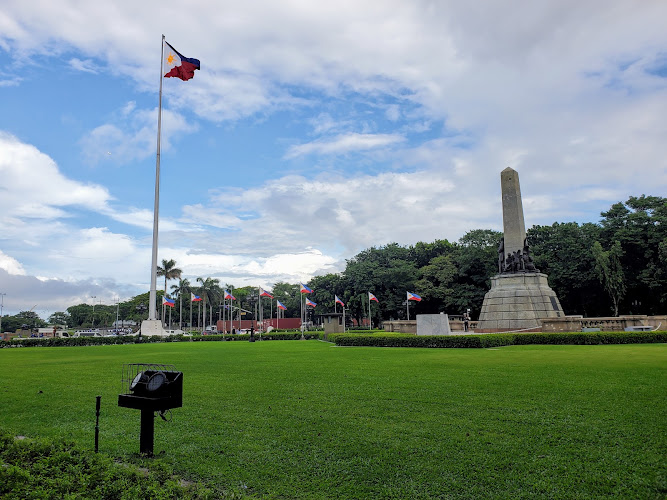
Rizal Park
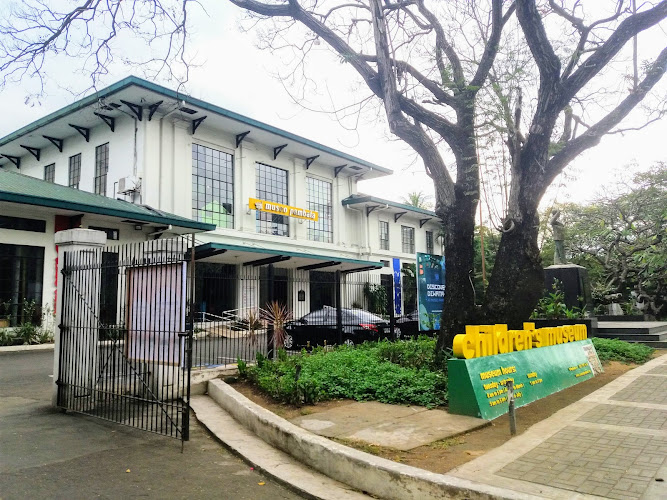
Museo Pambata
Find Accommodations Nearby
Recommended Tours & Activities
Visitor Reviews
There are no reviews yet. Be the first one to write one.
Share Your Experience
Have you visited Museo de Intramuros? Help other travelers by leaving a review.