
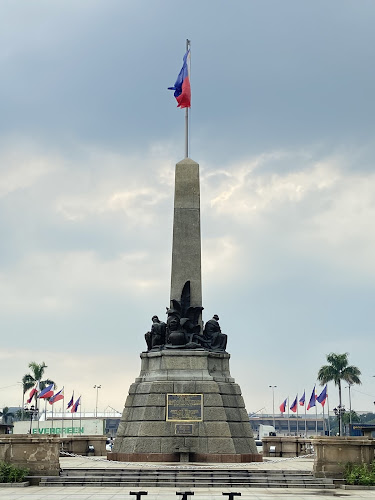
José Rizal Monument
About José Rizal Monument
Description
The José Rizal Monument is one of those places that almost demands a pause, even from travelers who usually rush through landmarks with a phone in hand. Standing tall with its bronze sculpture and obelisk, it memorializes José Rizal, the Filipino nationalist and writer whose execution in 1896 helped ignite the Philippine Revolution. And yes, it’s solemn, but it’s not stiff or unwelcoming. There’s an odd calm around it that sneaks up on you.
The monument depicts Rizal in bronze, dignified and composed, with an obelisk rising behind him. Beneath it lies his remains, which adds weight to the experience in a very real way. This isn’t just symbolic history. This is physical, literal, and grounding. Travelers often mention that they didn’t expect to feel much, but ended up lingering longer than planned. I’ve seen people walk in chatting loudly, then slowly quiet down as they get closer. It happens naturally.
What makes the José Rizal Monument especially compelling is how it balances reverence with approachability. Families come through, school groups gather, solo travelers stand quietly reading plaques. And nobody feels out of place. The grounds are open and thoughtfully maintained, and there’s enough space to breathe, sit, and think. On my first visit years ago, I remember sitting on a bench nearby, watching guards perform their ceremonial duties. I didn’t fully understand the choreography at the time, but I felt the seriousness of it. It stuck with me.
From a traveler’s point of view, this landmark offers a crash course in Philippine history without feeling like a lecture. It’s visual, emotional, and refreshingly straightforward. You don’t need to be a history buff to appreciate it. You just need a bit of curiosity, and maybe a willingness to slow down for once.
Key Features
- Bronze sculpture of José Rizal standing in formal attire, capturing his calm resolve
- Obelisk memorial marking the exact burial site of Rizal’s remains
- Historical plaques explaining Rizal’s life, works, and execution
- Ceremonial guards adding a sense of tradition and respect
- Wide, open grounds suitable for walking, sitting, and quiet reflection
- Wheelchair accessible entrance and parking, making it easier for all visitors
- Kid-friendly space where children can learn history without being bored stiff
One small thing I always point out to friends is how the monument doesn’t overwhelm with too much text or overly dramatic design. It trusts the story to speak for itself. And honestly, that restraint works. You’re not bombarded. You’re invited.
Best Time to Visit
The best time to visit the José Rizal Monument depends on what kind of experience you’re after. Early mornings are my personal favorite. The light is softer, the air is cooler, and there’s a gentle quiet that makes the place feel more intimate. You’ll often see joggers passing by, guards preparing for the day, and a few travelers snapping photos without bumping elbows.
Late afternoons are another solid choice, especially if you enjoy people-watching. The monument becomes a gathering point, and there’s a subtle energy in the air. It’s not loud or chaotic, just alive. Sunset adds a warm glow to the bronze statue, which looks surprisingly different depending on the angle of the light. I once spent a good ten minutes just watching how the color shifted. No regrets.
Midday visits can be a bit harsher, heat-wise, and the crowd tends to thicken. Still, if that’s the only time you’ve got, it’s doable. Just bring water, maybe a hat, and a bit of patience. The monument itself doesn’t lose its impact just because it’s busy.
If you’re interested in ceremonial guard changes, check locally for schedules. Catching one adds a layer of context and drama to your visit. It’s brief, but memorable. And kids, especially, seem to love it.
How to Get There
Getting to the José Rizal Monument is fairly straightforward, even if you’re not familiar with the area. It’s located within a well-known public space, so most local transport options will get you close. Taxis and ride-hailing services are the easiest for travelers, especially if you’re short on time or patience. Just tell the driver the monument’s name, and they’ll know.
Public transportation works too, though it may require a bit of walking. If you’re the type who enjoys figuring things out on the fly, this can be part of the adventure. I remember getting slightly lost on my first attempt, asking a security guard for directions, and ending up with a mini history lesson instead. Not a bad trade.
Once you’re nearby, signage and the general flow of people make it easy to find. You won’t be wandering around wondering if you missed it. The monument has a presence that’s hard to ignore.
For those driving, parking is available and designed with accessibility in mind. That’s a big plus, especially for travelers with mobility needs or families hauling strollers.
Tips for Visiting
First tip, and I can’t stress this enough: give yourself time. This isn’t a place to rush. Even if you think you’ll just pop in for ten minutes, plan for at least half an hour. The monument has a way of slowing you down, and fighting that feels wrong.
Dress comfortably and respectfully. There’s no strict dress code, but remember this is a memorial. Casual is fine, beachwear maybe not so much. Comfortable shoes are a must if you plan to walk around the grounds.
If you’re visiting with kids, take advantage of the open space. Let them ask questions. Use the plaques as conversation starters. I’ve overheard some surprisingly thoughtful questions from children here, and it’s refreshing.
Photography is allowed, and you’ll want photos, trust me. But try to take a moment without the camera too. Stand still. Read. Look around. That memory tends to stick longer than anything on your phone.
Accessibility is well considered, but it’s still smart to visit during less crowded times if mobility is a concern. Early mornings are best for that.
And finally, don’t overthink it. You don’t need to know everything about José Rizal before you arrive. The monument meets you where you are. Whether you’re a history nerd, a casual traveler, or someone just ticking boxes on a list, there’s something quietly powerful about standing in front of it. I’ve been more than once, and each visit felt slightly different. That’s how you know a place has depth.
The José Rizal Monument isn’t flashy. It doesn’t try to entertain you. But it leaves an impression, and that’s rarer than people think. For travelers looking to understand the Philippines beyond photos and food, this landmark is essential. Not because a guidebook says so, but because it earns its place in your memory.
Key Features
- Bronze sculpture of José Rizal standing in formal attire, capturing his calm resolve
- Obelisk memorial marking the exact burial site of Rizal’s remains
- Historical plaques explaining Rizal’s life, works, and execution
- Ceremonial guards adding a sense of tradition and respect
- Wide, open grounds suitable for walking, sitting, and quiet reflection
- Wheelchair accessible entrance and parking, making it easier for all visitors
- Kid-friendly space where children can learn history without being bored stiff
More Details
Updated January 1, 2026
Table of Contents
Description
The José Rizal Monument is one of those places that almost demands a pause, even from travelers who usually rush through landmarks with a phone in hand. Standing tall with its bronze sculpture and obelisk, it memorializes José Rizal, the Filipino nationalist and writer whose execution in 1896 helped ignite the Philippine Revolution. And yes, it’s solemn, but it’s not stiff or unwelcoming. There’s an odd calm around it that sneaks up on you.
The monument depicts Rizal in bronze, dignified and composed, with an obelisk rising behind him. Beneath it lies his remains, which adds weight to the experience in a very real way. This isn’t just symbolic history. This is physical, literal, and grounding. Travelers often mention that they didn’t expect to feel much, but ended up lingering longer than planned. I’ve seen people walk in chatting loudly, then slowly quiet down as they get closer. It happens naturally.
What makes the José Rizal Monument especially compelling is how it balances reverence with approachability. Families come through, school groups gather, solo travelers stand quietly reading plaques. And nobody feels out of place. The grounds are open and thoughtfully maintained, and there’s enough space to breathe, sit, and think. On my first visit years ago, I remember sitting on a bench nearby, watching guards perform their ceremonial duties. I didn’t fully understand the choreography at the time, but I felt the seriousness of it. It stuck with me.
From a traveler’s point of view, this landmark offers a crash course in Philippine history without feeling like a lecture. It’s visual, emotional, and refreshingly straightforward. You don’t need to be a history buff to appreciate it. You just need a bit of curiosity, and maybe a willingness to slow down for once.
Key Features
- Bronze sculpture of José Rizal standing in formal attire, capturing his calm resolve
- Obelisk memorial marking the exact burial site of Rizal’s remains
- Historical plaques explaining Rizal’s life, works, and execution
- Ceremonial guards adding a sense of tradition and respect
- Wide, open grounds suitable for walking, sitting, and quiet reflection
- Wheelchair accessible entrance and parking, making it easier for all visitors
- Kid-friendly space where children can learn history without being bored stiff
One small thing I always point out to friends is how the monument doesn’t overwhelm with too much text or overly dramatic design. It trusts the story to speak for itself. And honestly, that restraint works. You’re not bombarded. You’re invited.
Best Time to Visit
The best time to visit the José Rizal Monument depends on what kind of experience you’re after. Early mornings are my personal favorite. The light is softer, the air is cooler, and there’s a gentle quiet that makes the place feel more intimate. You’ll often see joggers passing by, guards preparing for the day, and a few travelers snapping photos without bumping elbows.
Late afternoons are another solid choice, especially if you enjoy people-watching. The monument becomes a gathering point, and there’s a subtle energy in the air. It’s not loud or chaotic, just alive. Sunset adds a warm glow to the bronze statue, which looks surprisingly different depending on the angle of the light. I once spent a good ten minutes just watching how the color shifted. No regrets.
Midday visits can be a bit harsher, heat-wise, and the crowd tends to thicken. Still, if that’s the only time you’ve got, it’s doable. Just bring water, maybe a hat, and a bit of patience. The monument itself doesn’t lose its impact just because it’s busy.
If you’re interested in ceremonial guard changes, check locally for schedules. Catching one adds a layer of context and drama to your visit. It’s brief, but memorable. And kids, especially, seem to love it.
How to Get There
Getting to the José Rizal Monument is fairly straightforward, even if you’re not familiar with the area. It’s located within a well-known public space, so most local transport options will get you close. Taxis and ride-hailing services are the easiest for travelers, especially if you’re short on time or patience. Just tell the driver the monument’s name, and they’ll know.
Public transportation works too, though it may require a bit of walking. If you’re the type who enjoys figuring things out on the fly, this can be part of the adventure. I remember getting slightly lost on my first attempt, asking a security guard for directions, and ending up with a mini history lesson instead. Not a bad trade.
Once you’re nearby, signage and the general flow of people make it easy to find. You won’t be wandering around wondering if you missed it. The monument has a presence that’s hard to ignore.
For those driving, parking is available and designed with accessibility in mind. That’s a big plus, especially for travelers with mobility needs or families hauling strollers.
Tips for Visiting
First tip, and I can’t stress this enough: give yourself time. This isn’t a place to rush. Even if you think you’ll just pop in for ten minutes, plan for at least half an hour. The monument has a way of slowing you down, and fighting that feels wrong.
Dress comfortably and respectfully. There’s no strict dress code, but remember this is a memorial. Casual is fine, beachwear maybe not so much. Comfortable shoes are a must if you plan to walk around the grounds.
If you’re visiting with kids, take advantage of the open space. Let them ask questions. Use the plaques as conversation starters. I’ve overheard some surprisingly thoughtful questions from children here, and it’s refreshing.
Photography is allowed, and you’ll want photos, trust me. But try to take a moment without the camera too. Stand still. Read. Look around. That memory tends to stick longer than anything on your phone.
Accessibility is well considered, but it’s still smart to visit during less crowded times if mobility is a concern. Early mornings are best for that.
And finally, don’t overthink it. You don’t need to know everything about José Rizal before you arrive. The monument meets you where you are. Whether you’re a history nerd, a casual traveler, or someone just ticking boxes on a list, there’s something quietly powerful about standing in front of it. I’ve been more than once, and each visit felt slightly different. That’s how you know a place has depth.
The José Rizal Monument isn’t flashy. It doesn’t try to entertain you. But it leaves an impression, and that’s rarer than people think. For travelers looking to understand the Philippines beyond photos and food, this landmark is essential. Not because a guidebook says so, but because it earns its place in your memory.
Key Highlights
- Bronze sculpture of José Rizal standing in formal attire, capturing his calm resolve
- Obelisk memorial marking the exact burial site of Rizal’s remains
- Historical plaques explaining Rizal’s life, works, and execution
- Ceremonial guards adding a sense of tradition and respect
- Wide, open grounds suitable for walking, sitting, and quiet reflection
- Wheelchair accessible entrance and parking, making it easier for all visitors
- Kid-friendly space where children can learn history without being bored stiff
Location
Places to Stay Near José Rizal Monument
Find and Book a Tour
Explore More Travel Guides
No reviews found! Be the first to review!
Traveler Reviews for José Rizal Monument
There are no reviews yet. Be the first one to write one.
Have you visited José Rizal Monument? Help other travelers by sharing your review.
You Might Also Like
Miss Kon
Jones Bridge
Bonifacio and the Katipunan Revolution Monument
Find Accommodations Nearby
Recommended Tours & Activities
Visitor Reviews
There are no reviews yet. Be the first one to write one.
Share Your Experience
Have you visited José Rizal Monument? Help other travelers by leaving a review.