
Musée de la santé Armand-Frappier
About Musée de la santé Armand-Frappier
Description
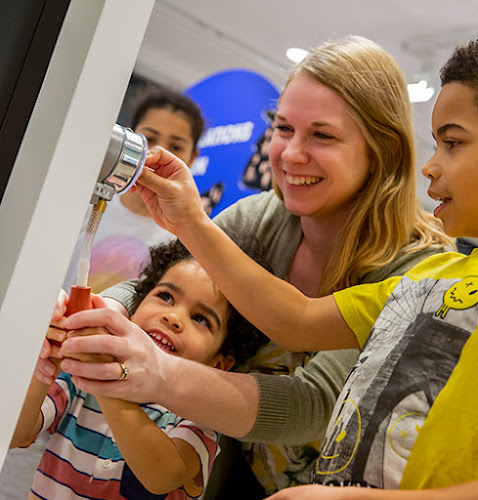
The Musée de la santé Armand-Frappier stands as a somewhat unexpected gem in Quebec's museum landscape, combining scientific rigor with interactive exhibits that make health and microbiology genuinely fascinating for visitors who might never have thought they'd enjoy learning about bacteria. This science museum takes what could be dry academic material and transforms it into something surprisingly engaging, even for travelers who typically skip educational attractions. I'll be honest - when most people plan their Quebec trips, they're thinking about historic architecture, French cuisine, and maybe catching a hockey game. But this museum has carved out its own unique niche by focusing on something we all deal with every day but rarely stop to think about: our health and the microscopic world that influences it. The museum honors Dr. Armand Frappier, a pioneering Quebec microbiologist who made significant contributions to public health, and that legacy permeates every corner of this facility. What makes this place different from your typical science museum is its hands-on approach to understanding health sciences. Visitors aren't just reading plaques on walls or staring at static displays behind glass. The museum invites you to actually engage with scientific concepts through interactive exhibits that explain everything from how vaccines work to the role microorganisms play in our daily lives. And yeah, you might find yourself genuinely excited about learning what's happening inside your immune system, which feels weird but also pretty cool. The facility itself reflects modern museum design principles with accessible spaces throughout and amenities that show thoughtful planning for diverse visitor needs. It's not massive - you won't get lost wandering for hours like you might at some sprawling metropolitan museums - but that's actually part of its charm. The manageable size means families can enjoy a complete visit without exhausting young children or overwhelming themselves with too much information at once.Key Features
- Interactive laboratory experiences where visitors can participate in simplified scientific experiments and observe actual lab equipment used in microbiological research
- Exhibits explaining vaccine development and immunology in accessible language that doesn't require a science degree to understand
- Hands-on displays demonstrating how microorganisms affect food, the environment, and human health in daily life
- Educational programs specifically designed for children that make learning about health sciences genuinely entertaining rather than feeling like a classroom lecture
- Multimedia presentations that bring microscopic worlds to life through high-quality imaging and engaging storytelling
- Family discount options making it financially accessible for parents traveling with multiple children
- Wheelchair accessible facilities throughout the entire museum, including entrances, restrooms, and parking areas
- Gender-neutral restroom facilities demonstrating the museum's commitment to inclusive visitor experiences
- Free Wi-Fi access allowing visitors to look up additional information or share their experiences in real-time
- Changing tables for parents traveling with infants, showing attention to practical family needs
- Educational resources and materials available for different age groups and knowledge levels
Best Time to Visit
Timing your visit to the Musée de la santé Armand-Frappier can significantly impact your experience, though honestly, this isn't the kind of attraction that gets overwhelmingly crowded during specific seasons like outdoor tourist spots do. Weekday mornings tend to offer the quietest experiences, especially during the school year when you'll avoid large groups of students on educational field trips. But here's the thing - if you're traveling with kids, seeing other families around can actually enhance the experience since children often engage more enthusiastically when peers are participating in interactive exhibits alongside them. Summer months bring more tourist traffic to Quebec generally, and the museum does see increased visitation during July and August. However, the uptick isn't so dramatic that you'll find yourself fighting for space at exhibits. The museum's layout accommodates moderate crowds reasonably well. Fall presents an excellent window for visiting, particularly September and early October. The weather remains pleasant for traveling around the region, school groups haven't yet ramped up their field trip schedules, and you'll have comfortable access to all exhibits without feeling rushed. Winter visiting has its own advantages despite the cold Quebec weather. Indoor attractions become particularly appealing when temperatures drop, and the museum offers a warm, engaging environment perfect for families seeking educational entertainment without braving the elements. Plus, you might snag better deals on accommodations in the area during off-peak winter months. Spring brings renewed energy to the region, and visiting in April or May means you're catching the museum before summer tourist season kicks into full gear. The weather cooperates enough for exploring other area attractions before or after your museum visit. Regardless of season, purchasing tickets in advance is recommended. This isn't just standard tourist advice - the museum specifically suggests advance booking, which helps them manage visitor flow and ensures you won't be disappointed if they've reached capacity during your planned visit.How to Get There
Getting to the Musée de la santé Armand-Frappier requires a bit of planning since it's not located in the absolute center of Montreal's main tourist district, but the journey isn't complicated once you understand your options. For travelers with rental cars, driving offers the most straightforward approach. The museum provides wheelchair accessible parking, and having your own vehicle gives you flexibility to explore other attractions in the Laval area. GPS navigation makes finding the location simple enough, though I'd recommend downloading offline maps just in case you encounter areas with spotty cell reception. Public transportation works perfectly well for budget-conscious travelers or those preferring not to navigate Quebec roads. Montreal's public transit system connects reasonably well to Laval, though you'll want to research current routes and schedules since they can change seasonally. The journey takes longer than driving directly, but it's considerably cheaper and eliminates parking concerns. Taxi services and ride-sharing apps like Uber operate in the area, offering a middle-ground option between public transit and rental cars. This works particularly well for families with young children or travelers who don't want to manage public transportation logistics but also don't need a vehicle for their entire trip. The museum's wheelchair accessible entrance makes arrival straightforward for visitors with mobility considerations, regardless of your transportation choice. But do note that if you're relying on public transit, you'll want to verify accessibility options for your entire journey, not just the museum itself. Many travelers combine their museum visit with other Laval attractions, making it part of a broader day trip from Montreal. This approach maximizes your travel time and gives you a fuller picture of the region beyond Montreal's downtown core.Tips for Visiting
Walking into any science museum can feel intimidating, especially if you're traveling with kids of different ages or if science wasn't exactly your favorite subject in school. But the Musée de la santé Armand-Frappier rewards visitors who approach it with curiosity rather than expecting to understand everything immediately. Plan for roughly two to three hours to experience the museum comfortably without rushing. Some families zip through in ninety minutes while others easily spend half a day engaging with exhibits. Your pace depends largely on how interactive you want to be and whether your children want to participate in every hands-on activity available. The museum doesn't have an onsite restaurant, so eat before arriving or plan to leave for lunch if you're spending an extended time there. Nearby dining options exist, but having a meal strategy prevents hungry, cranky kids from derailing an otherwise enjoyable visit. Snacks in your bag aren't a bad idea either, though check current food policies before your visit. Engage with staff members and volunteers who can often provide insights not available through exhibit labels alone. I've found that museum educators genuinely enjoy sharing their knowledge, and asking questions frequently leads to unexpected learning moments that enhance the entire experience. For families with young children, tackle the most interactive exhibits first while energy levels run high. Kids can absorb scientific concepts better when they're fresh and excited rather than tired and ready to leave. Save any video presentations or less hands-on displays for later when little ones might need a quieter activity. The free Wi-Fi isn't just for social media posting - use it to look up additional information about topics that particularly interest you. Many exhibits introduce concepts worth exploring further, and having internet access right there enables deeper learning for curious visitors. Take advantage of family discount options by asking about them specifically when purchasing tickets. Sometimes these deals aren't automatically applied, and staff members appreciate when visitors inquire rather than assuming they've already received the best available rate. Photography policies vary by exhibit, so check signage or ask staff before snapping pictures. Some displays welcome photography while others restrict it, and respecting these guidelines helps preserve the museum experience for everyone. The gender-neutral restrooms and changing tables demonstrate thoughtful planning, but facilities are still limited in quantity. Plan bathroom breaks strategically, especially with young children, rather than assuming restrooms are conveniently located at every turn. Accessibility features extend throughout the museum, but visitors with specific needs should contact the facility before visiting to discuss any particular accommodations that might enhance their experience. The staff genuinely seems committed to making science accessible to everyone, but they can't anticipate every individual need without communication. Consider your visit part of a broader educational experience rather than just checking a museum off your itinerary. The concepts presented here connect to news stories about public health, discussions about vaccines, and even understanding how food preservation works. Those connections make the museum more relevant and memorable long after you've left Quebec.Key Features
- Interactive laboratory experiences where visitors can participate in simplified scientific experiments and observe actual lab equipment used in microbiological research
- Exhibits explaining vaccine development and immunology in accessible language that doesn't require a science degree to understand
- Hands-on displays demonstrating how microorganisms affect food, the environment, and human health in daily life
- Educational programs specifically designed for children that make learning about health sciences genuinely entertaining rather than feeling like a classroom lecture
- Multimedia presentations that bring microscopic worlds to life through high-quality imaging and engaging storytelling
- Family discount options making it financially accessible for parents traveling with multiple children
- Wheelchair accessible facilities throughout the entire museum, including entrances, restrooms, and parking areas
- Gender-neutral restroom facilities demonstrating the museum's commitment to inclusive visitor experiences
More Details
Updated January 16, 2026
Table of Contents
Description
The Musée de la santé Armand-Frappier stands as a somewhat unexpected gem in Quebec’s museum landscape, combining scientific rigor with interactive exhibits that make health and microbiology genuinely fascinating for visitors who might never have thought they’d enjoy learning about bacteria. This science museum takes what could be dry academic material and transforms it into something surprisingly engaging, even for travelers who typically skip educational attractions.
I’ll be honest – when most people plan their Quebec trips, they’re thinking about historic architecture, French cuisine, and maybe catching a hockey game. But this museum has carved out its own unique niche by focusing on something we all deal with every day but rarely stop to think about: our health and the microscopic world that influences it. The museum honors Dr. Armand Frappier, a pioneering Quebec microbiologist who made significant contributions to public health, and that legacy permeates every corner of this facility.
What makes this place different from your typical science museum is its hands-on approach to understanding health sciences. Visitors aren’t just reading plaques on walls or staring at static displays behind glass. The museum invites you to actually engage with scientific concepts through interactive exhibits that explain everything from how vaccines work to the role microorganisms play in our daily lives. And yeah, you might find yourself genuinely excited about learning what’s happening inside your immune system, which feels weird but also pretty cool.
The facility itself reflects modern museum design principles with accessible spaces throughout and amenities that show thoughtful planning for diverse visitor needs. It’s not massive – you won’t get lost wandering for hours like you might at some sprawling metropolitan museums – but that’s actually part of its charm. The manageable size means families can enjoy a complete visit without exhausting young children or overwhelming themselves with too much information at once.
Key Features
- Interactive laboratory experiences where visitors can participate in simplified scientific experiments and observe actual lab equipment used in microbiological research
- Exhibits explaining vaccine development and immunology in accessible language that doesn’t require a science degree to understand
- Hands-on displays demonstrating how microorganisms affect food, the environment, and human health in daily life
- Educational programs specifically designed for children that make learning about health sciences genuinely entertaining rather than feeling like a classroom lecture
- Multimedia presentations that bring microscopic worlds to life through high-quality imaging and engaging storytelling
- Family discount options making it financially accessible for parents traveling with multiple children
- Wheelchair accessible facilities throughout the entire museum, including entrances, restrooms, and parking areas
- Gender-neutral restroom facilities demonstrating the museum’s commitment to inclusive visitor experiences
- Free Wi-Fi access allowing visitors to look up additional information or share their experiences in real-time
- Changing tables for parents traveling with infants, showing attention to practical family needs
- Educational resources and materials available for different age groups and knowledge levels
Best Time to Visit
Timing your visit to the Musée de la santé Armand-Frappier can significantly impact your experience, though honestly, this isn’t the kind of attraction that gets overwhelmingly crowded during specific seasons like outdoor tourist spots do.
Weekday mornings tend to offer the quietest experiences, especially during the school year when you’ll avoid large groups of students on educational field trips. But here’s the thing – if you’re traveling with kids, seeing other families around can actually enhance the experience since children often engage more enthusiastically when peers are participating in interactive exhibits alongside them.
Summer months bring more tourist traffic to Quebec generally, and the museum does see increased visitation during July and August. However, the uptick isn’t so dramatic that you’ll find yourself fighting for space at exhibits. The museum’s layout accommodates moderate crowds reasonably well.
Fall presents an excellent window for visiting, particularly September and early October. The weather remains pleasant for traveling around the region, school groups haven’t yet ramped up their field trip schedules, and you’ll have comfortable access to all exhibits without feeling rushed.
Winter visiting has its own advantages despite the cold Quebec weather. Indoor attractions become particularly appealing when temperatures drop, and the museum offers a warm, engaging environment perfect for families seeking educational entertainment without braving the elements. Plus, you might snag better deals on accommodations in the area during off-peak winter months.
Spring brings renewed energy to the region, and visiting in April or May means you’re catching the museum before summer tourist season kicks into full gear. The weather cooperates enough for exploring other area attractions before or after your museum visit.
Regardless of season, purchasing tickets in advance is recommended. This isn’t just standard tourist advice – the museum specifically suggests advance booking, which helps them manage visitor flow and ensures you won’t be disappointed if they’ve reached capacity during your planned visit.
How to Get There
Getting to the Musée de la santé Armand-Frappier requires a bit of planning since it’s not located in the absolute center of Montreal’s main tourist district, but the journey isn’t complicated once you understand your options.
For travelers with rental cars, driving offers the most straightforward approach. The museum provides wheelchair accessible parking, and having your own vehicle gives you flexibility to explore other attractions in the Laval area. GPS navigation makes finding the location simple enough, though I’d recommend downloading offline maps just in case you encounter areas with spotty cell reception.
Public transportation works perfectly well for budget-conscious travelers or those preferring not to navigate Quebec roads. Montreal’s public transit system connects reasonably well to Laval, though you’ll want to research current routes and schedules since they can change seasonally. The journey takes longer than driving directly, but it’s considerably cheaper and eliminates parking concerns.
Taxi services and ride-sharing apps like Uber operate in the area, offering a middle-ground option between public transit and rental cars. This works particularly well for families with young children or travelers who don’t want to manage public transportation logistics but also don’t need a vehicle for their entire trip.
The museum’s wheelchair accessible entrance makes arrival straightforward for visitors with mobility considerations, regardless of your transportation choice. But do note that if you’re relying on public transit, you’ll want to verify accessibility options for your entire journey, not just the museum itself.
Many travelers combine their museum visit with other Laval attractions, making it part of a broader day trip from Montreal. This approach maximizes your travel time and gives you a fuller picture of the region beyond Montreal’s downtown core.
Tips for Visiting
Walking into any science museum can feel intimidating, especially if you’re traveling with kids of different ages or if science wasn’t exactly your favorite subject in school. But the Musée de la santé Armand-Frappier rewards visitors who approach it with curiosity rather than expecting to understand everything immediately.
Plan for roughly two to three hours to experience the museum comfortably without rushing. Some families zip through in ninety minutes while others easily spend half a day engaging with exhibits. Your pace depends largely on how interactive you want to be and whether your children want to participate in every hands-on activity available.
The museum doesn’t have an onsite restaurant, so eat before arriving or plan to leave for lunch if you’re spending an extended time there. Nearby dining options exist, but having a meal strategy prevents hungry, cranky kids from derailing an otherwise enjoyable visit. Snacks in your bag aren’t a bad idea either, though check current food policies before your visit.
Engage with staff members and volunteers who can often provide insights not available through exhibit labels alone. I’ve found that museum educators genuinely enjoy sharing their knowledge, and asking questions frequently leads to unexpected learning moments that enhance the entire experience.
For families with young children, tackle the most interactive exhibits first while energy levels run high. Kids can absorb scientific concepts better when they’re fresh and excited rather than tired and ready to leave. Save any video presentations or less hands-on displays for later when little ones might need a quieter activity.
The free Wi-Fi isn’t just for social media posting – use it to look up additional information about topics that particularly interest you. Many exhibits introduce concepts worth exploring further, and having internet access right there enables deeper learning for curious visitors.
Take advantage of family discount options by asking about them specifically when purchasing tickets. Sometimes these deals aren’t automatically applied, and staff members appreciate when visitors inquire rather than assuming they’ve already received the best available rate.
Photography policies vary by exhibit, so check signage or ask staff before snapping pictures. Some displays welcome photography while others restrict it, and respecting these guidelines helps preserve the museum experience for everyone.
The gender-neutral restrooms and changing tables demonstrate thoughtful planning, but facilities are still limited in quantity. Plan bathroom breaks strategically, especially with young children, rather than assuming restrooms are conveniently located at every turn.
Accessibility features extend throughout the museum, but visitors with specific needs should contact the facility before visiting to discuss any particular accommodations that might enhance their experience. The staff genuinely seems committed to making science accessible to everyone, but they can’t anticipate every individual need without communication.
Consider your visit part of a broader educational experience rather than just checking a museum off your itinerary. The concepts presented here connect to news stories about public health, discussions about vaccines, and even understanding how food preservation works. Those connections make the museum more relevant and memorable long after you’ve left Quebec.
Key Highlights
- Interactive laboratory experiences where visitors can participate in simplified scientific experiments and observe actual lab equipment used in microbiological research
- Exhibits explaining vaccine development and immunology in accessible language that doesn't require a science degree to understand
- Hands-on displays demonstrating how microorganisms affect food, the environment, and human health in daily life
- Educational programs specifically designed for children that make learning about health sciences genuinely entertaining rather than feeling like a classroom lecture
- Multimedia presentations that bring microscopic worlds to life through high-quality imaging and engaging storytelling
- Family discount options making it financially accessible for parents traveling with multiple children
- Wheelchair accessible facilities throughout the entire museum, including entrances, restrooms, and parking areas
- Gender-neutral restroom facilities demonstrating the museum's commitment to inclusive visitor experiences
Location
Places to Stay Near Musée de la santé Armand-Frappier
Find and Book a Tour
Explore More Travel Guides
No reviews found! Be the first to review!
Traveler Reviews for Musée de la santé Armand-Frappier
There are no reviews yet. Be the first one to write one.
Have you visited Musée de la santé Armand-Frappier? Help other travelers by sharing your review.
You Might Also Like
Armand-Frappier Woods
Parc Père-Vimont
Escape Game Centropolis l Jeu d'évasion - S.Cape -
Find Accommodations Nearby
Recommended Tours & Activities
Visitor Reviews
There are no reviews yet. Be the first one to write one.
Share Your Experience
Have you visited Musée de la santé Armand-Frappier? Help other travelers by leaving a review.