
Armand-Frappier Woods
About Armand-Frappier Woods
Description
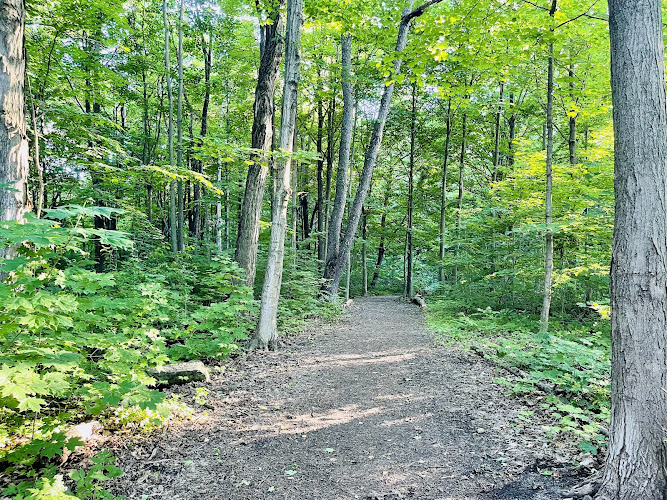
Armand-Frappier Woods represents one of those lesser-known provincial parks that kind of sneaks up on you in the best possible way. I've always believed the best outdoor spaces are the ones that don't feel the need to shout about themselves, and this park fits that description perfectly. Located in Quebec, this protected natural area offers travelers a genuine escape into nature without the overwhelming crowds you'd typically find at more commercialized destinations. The park serves as an important green corridor in the region, providing both ecological value and recreational opportunities for visitors of all ages. What strikes most people when they first arrive is how the forest seems to wrap around you in this comforting way—not intimidating or overly wild, but genuinely welcoming. The trails wind through mixed forests where hardwoods and conifers create this beautiful canopy that changes dramatically with the seasons. And here's something I really appreciate about Armand-Frappier Woods: it doesn't try to be everything to everyone. Instead, it focuses on doing a few things exceptionally well. The hiking infrastructure is thoughtfully designed, making it accessible for families while still offering enough natural beauty to satisfy more experienced outdoor enthusiasts. Dogs are welcome here too, which means you can bring your four-legged companion along for the adventure—always a plus in my book. The park maintains that authentic provincial park feel without excessive development. You won't find fancy visitor centers or gift shops here, which honestly makes the experience feel more genuine. It's just you, the trees, and the trails. Sometimes that's exactly what travelers need after spending time in bustling urban environments.Key Features
The features that make Armand-Frappier Woods worth visiting include several distinctive elements that set it apart from other provincial parks in the region:- Well-maintained hiking trails suitable for multiple skill levels, from beginner-friendly paths to more challenging woodland routes
- Dog-friendly policies allowing visitors to explore the park with their pets on leash
- Kid-appropriate trails designed with younger hikers in mind, making family outings both safe and enjoyable
- Diverse forest ecosystems featuring native Quebec flora and fauna throughout the seasons
- Peaceful atmosphere with significantly fewer crowds compared to major tourist destinations
- Educational opportunities for learning about local ecology and forest conservation
- Seasonal wildlife viewing chances, particularly for bird enthusiasts and nature photographers
- Accessible location that serves as a convenient nature retreat without requiring extensive travel time
- Natural soundscapes that provide genuine relaxation away from urban noise pollution
- Free or low-cost entry compared to many provincial attractions
Best Time to Visit
Timing your visit to Armand-Frappier Woods can really make or break your experience, though honestly, each season brings its own character to the park. Based on what I've observed and heard from fellow travelers, late spring through early fall tends to be the sweet spot for most visitors. May and June offer that fresh, vibrant green that only spring forests can deliver. The undergrowth comes alive, wildflowers start making their appearance, and the temperatures are comfortable for extended hikes. You'll want to bring bug spray during these months though—the mosquitoes don't care that you're trying to enjoy nature. But the trade-off is worth it when you experience the forest awakening after winter. Summer months from July through August provide the warmest weather and longest daylight hours, which is perfect if you're traveling with children who need plenty of time to explore at their own pace. The canopy provides natural shade during hot days, making the trails considerably cooler than open spaces. I'd recommend early morning visits during summer to avoid the afternoon heat and catch the forest at its most peaceful. September and October? That's when Armand-Frappier Woods really shows off. The fall foliage transforms the park into this incredible palette of reds, oranges, and yellows. Photographers absolutely love this period, and honestly, even if you're just snapping pictures with your phone, you'll get some stunning shots. The temperatures are crisp but not cold, and the bugs have mostly disappeared. Winter visiting is possible for those who enjoy snowshoeing or winter hiking, though trail conditions can vary significantly. The park takes on a quiet, almost meditative quality under snow cover. Just be prepared with appropriate gear and check conditions before heading out. Weekday visits typically offer more solitude than weekends, regardless of season. If you're someone who values quiet contemplation in nature, plan accordingly.How to Get There
Getting to Armand-Frappier Woods is reasonably straightforward, which makes it an excellent option for travelers who want outdoor experiences without complicated logistics. The park's accessibility is actually one of its strongest selling points—you don't need to plan some elaborate expedition to enjoy what it offers. For those driving, the park is located in the greater Montreal region, making it easily reachable by personal vehicle. GPS navigation works reliably in the area, so you can simply input the park name and follow the directions. Parking facilities are available on-site, though spaces can fill up on beautiful weekend days during peak seasons. Arriving earlier in the day generally ensures you'll find parking without hassle. Public transportation options exist for travelers without access to a car, though they may require some planning. Regional transit systems service the general area, and from there you might need to walk a bit or arrange a short taxi ride to reach the park entrance. It's not the most convenient option admittedly, but it's doable for determined visitors. Cycling to the park is another possibility if you're staying relatively nearby and enjoy bike travel. The surrounding roads vary in their bike-friendliness, so research your route beforehand and prioritize safety. Some travelers actually prefer arriving by bike as it extends their outdoor experience beyond just the park itself. Distance from Montreal makes the park ideal for day trips or half-day excursions. You're not committing to hours of travel time, which means spontaneous visits are totally feasible when the weather looks promising. This convenience factor shouldn't be underestimated—sometimes the best outdoor experiences happen when you can just go without extensive planning. Ride-sharing services operate in the region and can provide door-to-door transportation if you prefer not to drive. Just confirm your return trip in advance since service availability might vary depending on exact location and time of day.Tips for Visiting
Preparation makes all the difference when visiting Armand-Frappier Woods, and I've learned through experience that even provincial parks require some thoughtful planning. First thing: wear appropriate footwear. I cannot stress this enough. Those cute sneakers you brought might look great, but proper hiking boots or sturdy trail shoes will save your feet and ankles on uneven terrain. The trails can get muddy after rain, and roots and rocks appear regularly along the paths. Bring water—more than you think you'll need actually. There's no cafe or water fountain waiting for you halfway through your hike. I typically pack at least a liter per person for a few hours of hiking, and double that during summer months. Dehydration sneaks up on you, especially when you're focused on enjoying the scenery. The park allows dogs, which is fantastic, but keep them leashed at all times. This protects wildlife, prevents your pet from getting lost, and respects other visitors who might not be as comfortable around dogs. Bring waste bags and pack out everything your dog leaves behind—basic trail etiquette that keeps the park beautiful for everyone. If you're bringing kids, set realistic expectations about distance and difficulty. The kid-friendly trails are genuinely suitable for younger hikers, but children's endurance varies wildly. Pack snacks, bring activities for rest breaks, and consider the hike an adventure rather than a race to complete a certain distance. Some of my best nature experiences happened when I slowed down to a child's pace and actually noticed things I would've walked right past. Download offline maps if possible, or grab a trail map if the park provides them. Cell service in forested areas can be unreliable, and getting turned around is easier than you'd think. Mark your starting point mentally so you can retrace your steps if needed. Check the weather forecast before heading out and dress in layers. Forest temperatures can differ significantly from open areas, and conditions change throughout the day. A light rain jacket takes minimal space but provides major benefits if weather turns unexpectedly. Respect wildlife by observing from distance. Don't feed animals, no matter how cute or insistent they seem. You're visiting their home, and human food causes genuine harm to wild animals. Leave no trace principles apply fully here. Pack out everything you pack in, stay on marked trails to prevent erosion, and leave natural objects where you find them. That pretty rock or interesting leaf serves a purpose in the ecosystem. Photography enthusiasts should bring appropriate equipment but remember that the best camera is the one you'll actually use. Don't get so focused on getting the perfect shot that you forget to experience the moment. I've been guilty of this myself—spending so much time fiddling with camera settings that I missed the actual sunset I was trying to photograph. Insect repellent during warmer months isn't optional—it's essential equipment. Ticks can be present in wooded areas, so consider treating clothing with permethrin and doing tick checks after your hike. Finally, visit with an open mind and flexible expectations. Nature doesn't perform on command. Some days you'll see abundant wildlife and perfect weather, other days you won't. Both experiences have value if you let them.Key Features
- Mature hardwood forest with winding footpaths
- Green corridor linking central Laval to the Rivière des Prairies
- Small mountain-biking area across the road
- Accessible location within Chomedey, close to public streets
- Year-round access with seasonal variety (wildflowers, fall foliage, winter quiet)
More Details
Updated January 16, 2026
Table of Contents
Description
Armand-Frappier Woods represents one of those lesser-known provincial parks that kind of sneaks up on you in the best possible way. I’ve always believed the best outdoor spaces are the ones that don’t feel the need to shout about themselves, and this park fits that description perfectly. Located in Quebec, this protected natural area offers travelers a genuine escape into nature without the overwhelming crowds you’d typically find at more commercialized destinations.
The park serves as an important green corridor in the region, providing both ecological value and recreational opportunities for visitors of all ages. What strikes most people when they first arrive is how the forest seems to wrap around you in this comforting way—not intimidating or overly wild, but genuinely welcoming. The trails wind through mixed forests where hardwoods and conifers create this beautiful canopy that changes dramatically with the seasons.
And here’s something I really appreciate about Armand-Frappier Woods: it doesn’t try to be everything to everyone. Instead, it focuses on doing a few things exceptionally well. The hiking infrastructure is thoughtfully designed, making it accessible for families while still offering enough natural beauty to satisfy more experienced outdoor enthusiasts. Dogs are welcome here too, which means you can bring your four-legged companion along for the adventure—always a plus in my book.
The park maintains that authentic provincial park feel without excessive development. You won’t find fancy visitor centers or gift shops here, which honestly makes the experience feel more genuine. It’s just you, the trees, and the trails. Sometimes that’s exactly what travelers need after spending time in bustling urban environments.
Key Features
The features that make Armand-Frappier Woods worth visiting include several distinctive elements that set it apart from other provincial parks in the region:
- Well-maintained hiking trails suitable for multiple skill levels, from beginner-friendly paths to more challenging woodland routes
- Dog-friendly policies allowing visitors to explore the park with their pets on leash
- Kid-appropriate trails designed with younger hikers in mind, making family outings both safe and enjoyable
- Diverse forest ecosystems featuring native Quebec flora and fauna throughout the seasons
- Peaceful atmosphere with significantly fewer crowds compared to major tourist destinations
- Educational opportunities for learning about local ecology and forest conservation
- Seasonal wildlife viewing chances, particularly for bird enthusiasts and nature photographers
- Accessible location that serves as a convenient nature retreat without requiring extensive travel time
- Natural soundscapes that provide genuine relaxation away from urban noise pollution
- Free or low-cost entry compared to many provincial attractions
Best Time to Visit
Timing your visit to Armand-Frappier Woods can really make or break your experience, though honestly, each season brings its own character to the park. Based on what I’ve observed and heard from fellow travelers, late spring through early fall tends to be the sweet spot for most visitors.
May and June offer that fresh, vibrant green that only spring forests can deliver. The undergrowth comes alive, wildflowers start making their appearance, and the temperatures are comfortable for extended hikes. You’ll want to bring bug spray during these months though—the mosquitoes don’t care that you’re trying to enjoy nature. But the trade-off is worth it when you experience the forest awakening after winter.
Summer months from July through August provide the warmest weather and longest daylight hours, which is perfect if you’re traveling with children who need plenty of time to explore at their own pace. The canopy provides natural shade during hot days, making the trails considerably cooler than open spaces. I’d recommend early morning visits during summer to avoid the afternoon heat and catch the forest at its most peaceful.
September and October? That’s when Armand-Frappier Woods really shows off. The fall foliage transforms the park into this incredible palette of reds, oranges, and yellows. Photographers absolutely love this period, and honestly, even if you’re just snapping pictures with your phone, you’ll get some stunning shots. The temperatures are crisp but not cold, and the bugs have mostly disappeared.
Winter visiting is possible for those who enjoy snowshoeing or winter hiking, though trail conditions can vary significantly. The park takes on a quiet, almost meditative quality under snow cover. Just be prepared with appropriate gear and check conditions before heading out.
Weekday visits typically offer more solitude than weekends, regardless of season. If you’re someone who values quiet contemplation in nature, plan accordingly.
How to Get There
Getting to Armand-Frappier Woods is reasonably straightforward, which makes it an excellent option for travelers who want outdoor experiences without complicated logistics. The park’s accessibility is actually one of its strongest selling points—you don’t need to plan some elaborate expedition to enjoy what it offers.
For those driving, the park is located in the greater Montreal region, making it easily reachable by personal vehicle. GPS navigation works reliably in the area, so you can simply input the park name and follow the directions. Parking facilities are available on-site, though spaces can fill up on beautiful weekend days during peak seasons. Arriving earlier in the day generally ensures you’ll find parking without hassle.
Public transportation options exist for travelers without access to a car, though they may require some planning. Regional transit systems service the general area, and from there you might need to walk a bit or arrange a short taxi ride to reach the park entrance. It’s not the most convenient option admittedly, but it’s doable for determined visitors.
Cycling to the park is another possibility if you’re staying relatively nearby and enjoy bike travel. The surrounding roads vary in their bike-friendliness, so research your route beforehand and prioritize safety. Some travelers actually prefer arriving by bike as it extends their outdoor experience beyond just the park itself.
Distance from Montreal makes the park ideal for day trips or half-day excursions. You’re not committing to hours of travel time, which means spontaneous visits are totally feasible when the weather looks promising. This convenience factor shouldn’t be underestimated—sometimes the best outdoor experiences happen when you can just go without extensive planning.
Ride-sharing services operate in the region and can provide door-to-door transportation if you prefer not to drive. Just confirm your return trip in advance since service availability might vary depending on exact location and time of day.
Tips for Visiting
Preparation makes all the difference when visiting Armand-Frappier Woods, and I’ve learned through experience that even provincial parks require some thoughtful planning. First thing: wear appropriate footwear. I cannot stress this enough. Those cute sneakers you brought might look great, but proper hiking boots or sturdy trail shoes will save your feet and ankles on uneven terrain. The trails can get muddy after rain, and roots and rocks appear regularly along the paths.
Bring water—more than you think you’ll need actually. There’s no cafe or water fountain waiting for you halfway through your hike. I typically pack at least a liter per person for a few hours of hiking, and double that during summer months. Dehydration sneaks up on you, especially when you’re focused on enjoying the scenery.
The park allows dogs, which is fantastic, but keep them leashed at all times. This protects wildlife, prevents your pet from getting lost, and respects other visitors who might not be as comfortable around dogs. Bring waste bags and pack out everything your dog leaves behind—basic trail etiquette that keeps the park beautiful for everyone.
If you’re bringing kids, set realistic expectations about distance and difficulty. The kid-friendly trails are genuinely suitable for younger hikers, but children’s endurance varies wildly. Pack snacks, bring activities for rest breaks, and consider the hike an adventure rather than a race to complete a certain distance. Some of my best nature experiences happened when I slowed down to a child’s pace and actually noticed things I would’ve walked right past.
Download offline maps if possible, or grab a trail map if the park provides them. Cell service in forested areas can be unreliable, and getting turned around is easier than you’d think. Mark your starting point mentally so you can retrace your steps if needed.
Check the weather forecast before heading out and dress in layers. Forest temperatures can differ significantly from open areas, and conditions change throughout the day. A light rain jacket takes minimal space but provides major benefits if weather turns unexpectedly.
Respect wildlife by observing from distance. Don’t feed animals, no matter how cute or insistent they seem. You’re visiting their home, and human food causes genuine harm to wild animals.
Leave no trace principles apply fully here. Pack out everything you pack in, stay on marked trails to prevent erosion, and leave natural objects where you find them. That pretty rock or interesting leaf serves a purpose in the ecosystem.
Photography enthusiasts should bring appropriate equipment but remember that the best camera is the one you’ll actually use. Don’t get so focused on getting the perfect shot that you forget to experience the moment. I’ve been guilty of this myself—spending so much time fiddling with camera settings that I missed the actual sunset I was trying to photograph.
Insect repellent during warmer months isn’t optional—it’s essential equipment. Ticks can be present in wooded areas, so consider treating clothing with permethrin and doing tick checks after your hike.
Finally, visit with an open mind and flexible expectations. Nature doesn’t perform on command. Some days you’ll see abundant wildlife and perfect weather, other days you won’t. Both experiences have value if you let them.
Key Highlights
- Mature hardwood forest with winding footpaths
- Green corridor linking central Laval to the Rivière des Prairies
- Small mountain-biking area across the road
- Accessible location within Chomedey, close to public streets
- Year-round access with seasonal variety (wildflowers, fall foliage, winter quiet)
Location
Places to Stay Near Armand-Frappier Woods
Find and Book a Tour
Explore More Travel Guides
No reviews found! Be the first to review!
Traveler Reviews for Armand-Frappier Woods
There are no reviews yet. Be the first one to write one.
Have you visited Armand-Frappier Woods? Help other travelers by sharing your review.
Nearby Attractions
You Might Also Like
2005 Bd Daniel-Johnson

Centropolis Fountain

Escalade Clip 'n Climb Laval
Find Accommodations Nearby
Recommended Tours & Activities
Visitor Reviews
There are no reviews yet. Be the first one to write one.
Share Your Experience
Have you visited Armand-Frappier Woods? Help other travelers by leaving a review.