Description
The Nature Center stands as one of those rare places where the boundary between wild spaces and human recreation blurs in the best possible way. I’ve spent countless hours at nature centers across the country, and what strikes me most about this particular destination is how it manages to cater to serious outdoor enthusiasts while simultaneously being incredibly welcoming to families just looking for a pleasant afternoon out. It’s genuinely massive – we’re talking about a sprawling park that could easily occupy an entire day or even several visits without ever feeling repetitive.
What makes this place special isn’t just its size though. The combination of an animal farm and greenhouse creates an educational component that elevates it beyond your typical city park. You’re not just walking trails here – you’re actually connecting with living ecosystems in multiple ways. The animal farm brings that tactile, up-close experience that kids (and let’s be honest, adults too) absolutely love, while the greenhouse offers a peaceful retreat especially during colder months when you need that hit of green growing things.
And here’s something I really appreciate: the park doesn’t shut down when winter arrives. Unlike so many outdoor destinations that basically hibernate for half the year, this nature center transforms. Those walking paths become cross-country ski trails, and an actual ice rink opens up. That kind of year-round accessibility means travelers can visit during any season and find completely different experiences waiting for them.
The park’s philosophy seems to be about meeting people where they are. Whether you’re an avid kayaker looking to get out on the water, a cyclist who needs proper cycling lanes, or someone who just wants to spread out a picnic blanket and watch the world go by, there’s space for you here. I’ve noticed that places with this kind of inclusive approach tend to develop really wonderful community atmospheres, where you’ll see everyone from serious athletes to toddlers taking their first wobbly steps all sharing the same green spaces.
Key Features
• Animal Farm and Greenhouse – These dual attractions provide year-round interest and educational opportunities that go beyond typical park offerings, perfect for families wanting to teach kids about agriculture and plant life
• Extensive Trail System – Multiple walking and hiking paths wind throughout the property, offering everything from easy strolls to more challenging routes for serious hikers
• Winter Recreation Facilities – Cross-country ski trails and an ice rink transform the park into a cold-weather destination when most outdoor spaces become less appealing
• Kayaking Access – Water access points allow visitors to explore by kayak, adding an aquatic dimension to the typical land-based park experience
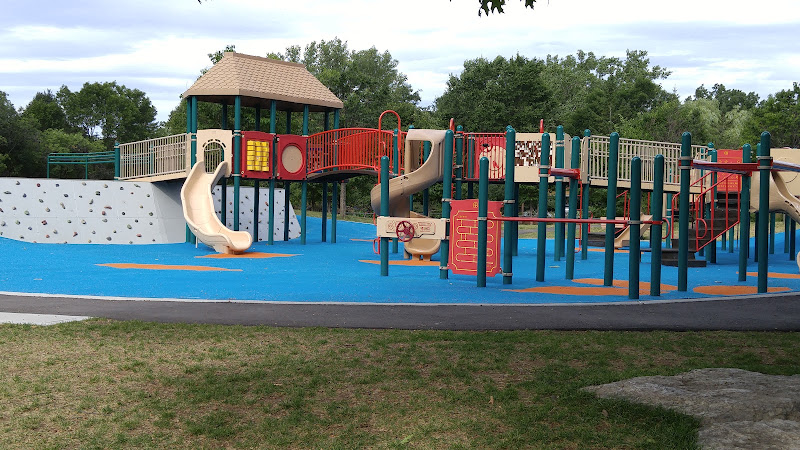
• Comprehensive Playground Areas – Slides, swings, and various play structures keep younger visitors entertained for hours while parents can actually relax nearby
• Dedicated Dog Park – Separate areas for canine visitors mean your four-legged travel companions aren’t left behind at the hotel
• Full Accessibility – Wheelchair accessible entrances, parking, and facilities ensure everyone can enjoy what the park offers regardless of mobility challenges
• Skateboarding Area – A dedicated space for skateboarders shows the park’s commitment to serving diverse recreational interests
• Cycling Infrastructure – Proper cycling lanes make it safe and enjoyable for bike enthusiasts to explore the grounds
• Complete Amenities – Picnic tables, public restrooms, and modern payment options (including NFC mobile payments) show attention to practical visitor needs
Best Time to Visit
Here’s where things get interesting, because unlike most destinations where I’d give you a straightforward “visit in spring or fall” answer, this nature center genuinely shines across all seasons. But let me break it down based on what you’re actually after.
If you want the classic nature center experience with everything operating at full capacity, aim for late spring through early fall – roughly May through September. During these months, the animal farm is at its most active, the greenhouse is lush and impressive, and all the trails are easily accessible. You’ll find the park buzzing with activity, which some people love and others find a bit much. I’m personally drawn to slightly quieter times, but there’s something energizing about visiting when everyone’s out enjoying themselves.
Summer weekends can get genuinely busy, especially July and August. If crowds aren’t your thing but you still want warm weather, try visiting on weekday mornings. I’ve found that showing up around 9 or 10 AM on a Tuesday or Wednesday gives you almost the entire place to yourself for a couple hours before the after-lunch crowd arrives.
Early fall deserves special mention. September and October bring gorgeous foliage without the oppressive heat of summer, and families have returned to school routines so the park feels less hectic. It’s prime kayaking season too – the water’s still warm enough to be pleasant, but you’re not dealing with summer crowds.
Winter transforms everything completely. If you’re into cross-country skiing or ice skating, January and February are your months. The park takes on this serene, almost magical quality when snow covers everything. Just know that some areas may have reduced hours, and obviously the water activities are off the table. But honestly? Winter visits here can be absolutely spectacular if you dress appropriately and embrace the cold.
Spring (March through April) can be a bit unpredictable weather-wise and somewhat muddy on the trails, but there’s something really special about watching the park wake up from winter. The greenhouse becomes particularly appealing during this transitional season. Plus you’ll avoid crowds entirely.
For photography enthusiasts, golden hour in autumn is unbeatable. For families with young kids, summer mornings remain ideal despite the busier atmosphere because children can actually enjoy all the outdoor elements comfortably.
How to Get There
Getting to the Nature Center is refreshingly straightforward, though your best approach depends on where you’re coming from and what you’re comfortable with.
For travelers driving in, the park maintains ample parking facilities that accommodate everything from compact cars to vehicles with bike racks or kayak carriers. The parking lots are wheelchair accessible, which matters more than people realize – good accessible parking can make or break a visit for many travelers. During peak summer weekends, arriving before 10 AM helps ensure you’ll snag a convenient spot close to your intended activities.
Public transportation works for some visitors depending on the city’s transit system, though I’ll admit that nature centers by their very nature tend to sit outside immediate downtown cores. Check local bus routes ahead of time, and don’t be surprised if you need to walk 10-15 minutes from the nearest stop. That’s not necessarily a bad thing – it just becomes part of your overall walking experience for the day.
Cyclists should know that the park actively encourages bike access with those dedicated cycling lanes I mentioned earlier. If you’re staying somewhere within a few miles, biking to the nature center and then exploring via the internal trails creates a really satisfying all-day cycling adventure. Just make sure you’ve got a good lock since you’ll probably want to leave your bike secured while you explore areas where cycling isn’t appropriate.
Rideshare services work perfectly fine here. The pickup and dropoff points are clearly marked, and drivers generally know the location well given its popularity. This becomes your best option if you’re visiting solo, don’t have a car, and want to avoid the public transit walk.
One practical tip I always share: if you’re planning to kayak, figure out your transportation logistics for the kayak itself beforehand. Some visitors bring their own, others rent locally and transport them. Either way, having a solid plan beats trying to figure it out in the parking lot.
Tips for Visiting
After visiting numerous nature centers and talking to countless travelers who’ve explored this one specifically, I’ve collected some genuinely useful advice that goes beyond the obvious “bring sunscreen” stuff.
First off, dress in layers regardless of what the weather forecast says. The temperature difference between sunny open areas and shaded forest trails can surprise you, and if you’re planning to visit the greenhouse, you’re essentially moving between different climate zones within the same visit. I learned this the hard way during a spring visit when I nearly melted in my jacket inside the greenhouse after spending an hour on chilly morning trails.
Bring your own water bottles and snacks. Yes, there are amenities, but nature center visits tend to last longer than people anticipate, and having provisions means you can stay as long as you want without needing to leave for food. The picnic tables scattered throughout make it easy to stop for impromptu snack breaks. Plus it’s way cheaper than buying refreshments, which matters when you’re traveling and watching your budget.
If you’re visiting with kids, the playground areas are genuinely substantial, so factor in extra time for those. Parents often underestimate how long children will want to stay on the swings and slides, then feel rushed to see the rest of the park. Build in at least 45 minutes for playground time if you’ve got little ones.
The dog park is fantastic, but bring waste bags even though they’re usually provided – you never know when dispensers might be empty. Also, assess your dog’s temperament honestly before letting them off-leash. A nervous or aggressive dog won’t suddenly become social in a park setting, and it makes the experience stressful for everyone.
For the animal farm, morning visits typically mean more active animals. Farm creatures tend to be livelier earlier in the day, especially during warmer months when they seek shade and rest by afternoon. If your kids are really excited about the animals, prioritize that section before lunch.
Wear real shoes. I know that sounds ridiculously obvious, but I’ve seen countless visitors in flip-flops struggling on trails or parents carrying children who complain about uncomfortable sandals. This is a place where you’ll walk more than you think, and proper footwear genuinely improves your entire experience.
The greenhouse offers fantastic respite on extremely hot or cold days. Use it strategically as a temperature-regulation tool during your visit. Too hot? Duck into the greenhouse which somehow stays more moderate. Too cold? Warm up inside before heading back out.
If you’re into photography, the golden hour before sunset creates absolutely stunning light conditions throughout the park, particularly around the water features. But keep in mind that the park does have posted hours, so check closing times before planning an extended evening photography session.
Payment options are modernized here, accepting credit cards, debit cards, and even NFC mobile payments. That said, having a small amount of cash never hurts, particularly for any vending machines or donation boxes you might encounter.
Check the weather not just for rain, but for recent rainfall. Trails can get muddy and less pleasant after storms, and kayaking conditions change significantly. A quick weather check for the preceding few days gives you realistic expectations about ground conditions.
Lastly, manage your expectations around wildlife. This is called a Nature Center, but it’s also a heavily-visited recreational park. You probably won’t see deer wandering through on a busy Saturday afternoon. For genuine wildlife encounters, those early weekday morning visits I mentioned earlier give you much better odds. The park’s ecosystems are real, but the experience balances between authentic nature and managed recreation.
The Nature Center rewards visitors who approach it with flexibility and curiosity rather than rigid itineraries. It’s rare to find a destination that genuinely works for solo travelers seeking solitude, families with diverse age ranges, fitness enthusiasts, and people with accessibility needs all at once. That’s pretty remarkable when you think about it.