Description
The Monument to the Sunken Ships stands as one of Sevastopol’s most recognizable symbols, rising from the waters of the city’s bay like a silent guardian of history. This remarkable memorial commemorates a desperate act of naval sacrifice during the Crimean War, when Russian forces deliberately scuttled their own warships across the harbor entrance in 1854-55 to prevent enemy fleets from advancing. It’s one of those places where you can almost feel the weight of history pressing down on you—in a good way, if that makes sense.
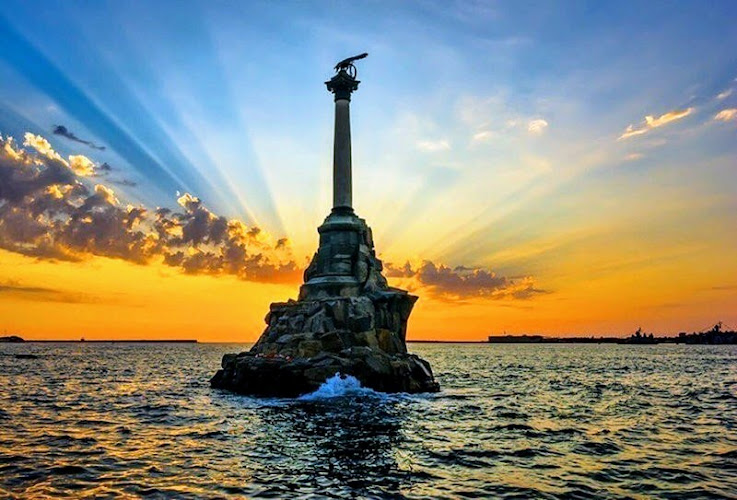
The monument itself features a Corinthian column jutting from the sea, crowned by a bronze double-headed eagle with spread wings clutching an anchor and a naval crown in its talons. The whole structure reaches about 16 meters above the water’s surface, creating a striking silhouette against the Black Sea horizon that photographers absolutely love. And honestly, you’d be hard-pressed to find a more photogenic spot in the entire city.
What makes this memorial particularly special is its offshore location. Unlike most monuments that you simply walk up to and admire, this one demands to be viewed from the shore or from passing boats, creating a sense of distance and reverence that feels entirely appropriate given what it represents. The column emerges from an artificial rock foundation in the water, positioned roughly 23 meters from the Primorsky Boulevard, making it a constant presence for anyone strolling along Sevastopol’s waterfront.
I remember reading about how the sailors must have felt watching their own ships sink to protect their city, and it gave me goosebumps. This wasn’t just military strategy—it was sacrifice of the highest order. The monument captures that gravity beautifully without being overly somber.
Key Features
Visitors will find several distinctive elements that make this landmark worth the journey:
- The bronze double-headed eagle perched atop the Corinthian column represents Russian imperial power and naval strength, serving as a powerful symbol visible from various points around the bay
- An anchor and decorative bronze laurel wreath attached to the monument’s base honor the naval crews who participated in the historic ship scuttling operation
- The artificial rock foundation creates the illusion that the monument naturally rises from the sea floor, though it actually sits on a carefully constructed platform
- Bas-relief details on the column depict important dates and information about the seven ships that were intentionally sunk to form the harbor blockade
- The monument’s position in the water creates spectacular photography opportunities during sunrise and sunset when the light catches the bronze eagle at different angles
- A wheelchair accessible viewing area along the Primorsky Boulevard ensures visitors of all mobility levels can appreciate the memorial
- The surrounding waterfront promenade offers multiple vantage points for viewing and photographing the monument from different perspectives
- Nearby plaques and informational displays provide historical context about the Siege of Sevastopol and the strategic decision to sacrifice the fleet
Best Time to Visit
Timing your visit to the Monument to the Sunken Ships can really enhance your experience, and trust me on this—the differences between seasons are more significant than you might think.
Late spring through early autumn, particularly May through September, offers the most pleasant weather for waterfront exploration. During these months, temperatures hover comfortably between 20-28 degrees Celsius, making it ideal for extended strolls along the boulevard. The sea usually displays its best turquoise hues during summer, creating that picture-perfect backdrop everyone wants for their photos.
But here’s the thing: summer also brings the crowds. July and August see the heaviest tourist traffic, which means you’ll be sharing your views with lots of other visitors. If you don’t mind company and actually enjoy the buzz of peak season energy, this works perfectly fine. The atmosphere becomes almost festival-like with street performers and vendors dotting the promenade.
Early morning visits, regardless of season, offer something special. The monument catches the rising sun beautifully, and you’ll often have the waterfront mostly to yourself—just you, the seabirds, and this incredible piece of history. I’ve heard from several photographers that the golden hour before sunset provides equally stunning lighting conditions, with the eagle’s silhouette creating dramatic images against colorful skies.
Winter visits have their own unique appeal, though you’ll need to bundle up. November through March can be quite cold and windy along the exposed waterfront. However, the monument takes on a different character during these months—more solemn, more fitting to its memorial purpose. The reduced tourist numbers mean you can spend as much time as you want contemplating the scene without feeling rushed.
Spring, particularly April and May, might actually be the sweet spot. The weather starts warming up, flowers begin blooming along the boulevard, but the summer crowds haven’t arrived yet. Plus, the sea retains that deep, dramatic blue-grey color that contrasts beautifully with the monument’s lighter tones.
Weather can be unpredictable near the Black Sea, so checking forecasts a few days before your visit is smart planning. Foggy conditions occasionally roll in and can partially obscure the monument, though some visitors find this atmospheric rather than disappointing.
How to Get There
Reaching the Monument to the Sunken Ships is refreshingly straightforward, which is always appreciated when you’re exploring a new city.
The monument sits right on Primorsky Boulevard in the heart of Sevastopol’s historic district, making it accessible by virtually any transportation method you prefer. Most visitors staying anywhere in central Sevastopol can easily walk to the site—the waterfront location means it’s visible from quite a distance, so getting lost is pretty difficult.
Public transportation works well for those staying further out. Multiple bus and trolleybus routes stop near Nakhimov Square, which sits adjacent to the monument. Routes 2, 4, 12, 13, 16, and 22 all serve this area, with fares remaining remarkably affordable. Just tell the driver you’re heading to the monument or Primorsky Boulevard, and they’ll know exactly where you mean.
Taxis and ride-sharing services operate throughout Sevastopol, offering convenient door-to-door service. The monument’s iconic status means every local driver knows it without requiring an address. During peak tourist season, you might find slightly inflated prices, but trips within the city center rarely break the bank.
For those arriving by sea—which adds its own memorable dimension to the experience—various boat tours and water taxis operate in the harbor. Viewing the monument from the water provides a completely different perspective and helps you better understand its positioning and purpose. Some tours specifically time their routes to pass close by the monument while guides explain its history.
Parking can be found along nearby streets and in several paid lots within walking distance, though spaces fill up quickly during summer months. The waterfront area sees heavy pedestrian traffic, so arriving early if you’re driving makes life easier.
The actual viewing spots along the boulevard require no tickets or special access—it’s completely free and open to the public year-round. And because the monument is outdoors in the harbor, you can view it 24 hours a day, though obviously daylight hours offer better visibility and safety.
Tips for Visiting
Getting the most out of your visit involves a bit of practical knowledge that guidebooks sometimes skip over.
Bring your camera with a decent zoom lens if you’re serious about photography. The monument’s offshore position means you can’t get right up to it, so zoom capability helps capture detailed shots of the eagle and architectural elements. Phone cameras work fine for general shots, but you’ll want extra reach for close-ups.
Comfortable walking shoes are essential—the Primorsky Boulevard extends quite a ways, and you’ll likely want to explore different viewing angles. The pavement is generally well-maintained and wheelchair accessible, but you’ll be on your feet more than you might anticipate.
Weather along the waterfront can change quickly. Even on seemingly calm days, sea breezes can kick up, and in cooler months they cut right through light jackets. Layering your clothing gives you flexibility as conditions shift throughout the day.
The monument is particularly family-friendly, which the accessibility features reflect. Kids generally find the story of the sunken ships fascinating once you explain it in terms they understand—brave sailors making a huge sacrifice to protect their home. The open waterfront also gives children room to move around safely while parents take in the history.
Plan to spend at least 30-45 minutes at the site if you want more than just a quick photo. Reading the informational plaques, walking the boulevard to different viewpoints, and really absorbing the atmosphere takes time. And honestly, rushing through this particular landmark feels wrong given what it represents.
Consider combining your visit with other nearby attractions along the waterfront. The Sevastopol Embankment offers pleasant walking, and several museums and historical sites sit within easy distance. The Graf Quay and various other Crimean War memorials create a comprehensive historical experience if you’re interested in that period.
Sunrise and sunset timing varies significantly by season, so check specific times if you’re planning to catch that perfect light. Apps showing sun position can help you predict exactly when the monument will be best lit from your chosen vantage point.
Don’t forget that this is fundamentally a war memorial. While it’s absolutely appropriate to take photos and enjoy the aesthetic beauty, maintaining a respectful demeanor honors the memory it preserves. You’ll notice locals often pause quietly before the monument—following their lead shows cultural sensitivity.
Food and drinks aren’t sold directly at the monument site, but numerous cafes and restaurants line the nearby streets. Grabbing a coffee and finding a bench with a monument view makes for a lovely way to spend a morning.
The monument looks completely different in various weather conditions and times of day, so if you have time in your itinerary, consider visiting more than once. Storm clouds rolling over the sea create drama, while clear sunny days showcase the monument’s architectural details beautifully.
And here’s something I wish someone had told me before my first visit—bring a light jacket even in summer. That sea breeze I mentioned earlier? It’s persistent and cooler than you’d expect, especially if you’re planning to spend any significant time along the waterfront.
 Real Journey Travels