

Monastère de Cimiez
About Monastère de Cimiez
Description
Perched high above the city of Nice, the Monastère de Cimiez feels like stepping into another century — maybe even another world. This centuries-old Franciscan monastery, dating back to the 800s, has watched the Riviera evolve from sleepy hillside villages to the glamorous destination it is today. Yet, here, time seems to slow down. The air feels calmer, the light softer, and the silence somehow sacred. It’s one of those places where you find yourself whispering without really knowing why.
The monastery complex includes the Church of Our Lady of the Assumption, a small Franciscan museum, and gardens that overlook the terracotta rooftops of Nice. The view alone could make you linger for hours. But there’s something deeper that draws visitors back — maybe it’s the quiet dignity of the place, or the sense that hundreds of years of prayer still echo faintly in the stone walls. Inside, you’ll find remarkable works by the Brea brothers, whose Renaissance paintings glow with color and devotion. And just outside, in the adjoining cemetery, lies the grave of Henri Matisse, one of Nice’s most beloved artists — a touching reminder of how art and spirituality often intertwine on this hill.
Even if you’re not particularly religious, the monastery has a universal appeal. It’s about reflection, beauty, and history — all wrapped in the scent of olive trees and lavender. I remember my first visit: I’d been wandering through the busy streets of Nice, slightly overwhelmed by the crowds. Then, after a short bus ride up to Cimiez, everything changed. The noise faded, and suddenly I was standing in a sunlit courtyard, listening to birdsong and distant church bells. It felt like a secret gift from the city.
Key Features
- Historic Origins: Founded in the 9th century by monks from the Abbey of Saint-Pons, the monastery has been a center of Franciscan life for over a millennium.
- Franciscan Museum: A small but fascinating museum that showcases centuries of Franciscan artifacts, manuscripts, and everyday objects that tell the story of monastic life.
- Church of Our Lady of the Assumption: Home to Renaissance masterpieces by Ludovico and François Brea, whose altarpieces are among the most admired in the region.
- Peaceful Gardens: Manicured terraces filled with olive trees, roses, and cypress, offering panoramic views over Nice and the Baie des Anges.
- Matisse’s Resting Place: The celebrated artist Henri Matisse is buried in the adjoining cemetery, which also contains the graves of other notable residents from Nice’s past.
- Accessibility: Wheelchair-accessible entrances and parking make it easy for all visitors to explore comfortably.
- Free Entry: Access to the monastery, museum, and gardens is completely free, making it one of the best-value cultural experiences in Nice.
Best Time to Visit
While the Monastère de Cimiez is open year-round, the experience shifts beautifully with the seasons. In spring, the gardens burst into color — roses, lavender, and wisteria perfume the air. Summer brings long golden evenings when the light over Nice is almost cinematic. Autumn is my personal favorite: fewer tourists, cooler air, and that soft Mediterranean glow that makes everything look like a painting. Winter, though quieter, has its own charm — the crisp air and near-empty paths make reflection come naturally.
If you can, visit early in the morning or late in the afternoon. That’s when the light hits the monastery walls just right, and you can almost feel the centuries breathing around you. Plus, the crowds tend to be lighter, giving you space to truly absorb the atmosphere. Sundays are particularly special because you might catch the monks’ chants echoing through the chapel — a hauntingly beautiful sound you won’t soon forget.
How to Get There
Reaching the Monastère de Cimiez is quite straightforward and part of the fun. If you’re staying in central Nice, you can take a local bus or even walk if you’re feeling energetic — though be prepared for a bit of an uphill climb. The route winds through quiet neighborhoods filled with old villas and olive trees, giving you glimpses of daily life beyond the tourist bustle.
Public transportation is reliable, and the bus stops just a short stroll from the monastery gates. For those driving, there’s free street parking nearby, though it can fill up quickly on weekends. If you’re cycling, the ride up is steep but rewarding — and coasting back down feels like flying. Taxis and rideshares are also easy options if you prefer a more relaxed journey.
Once you arrive, you’ll likely find yourself pausing before even entering — the view of Nice from the terrace is spectacular. You can see the sea shimmering in the distance, the city sprawling below, and the hills rolling away behind you. It’s one of those views that makes you fall in love with the Riviera all over again.
Tips for Visiting
A few practical and personal notes can make your visit even more memorable. First, wear comfortable shoes — the grounds are uneven in places, and you’ll want to wander through the gardens without worrying about your footing. Bring water, especially in summer, as the sun can be intense. And don’t rush. This isn’t a place to “check off” your list; it’s one to experience slowly.
Photography is allowed, but be respectful in the church and museum. The light inside is dim, and flash can disturb both the artwork and the quiet atmosphere. If you’re into sketching or journaling, this is the perfect spot to do it. I once spent an hour sitting under an olive tree, sketching the outline of the monastery while listening to the hum of bees — it’s that kind of place.
If you’re traveling with children, the gardens are great for them to explore safely, though they might not appreciate the museum as much. For those with mobility needs, the accessible entrances make it easy to navigate most areas comfortably. There’s even a sense of community here — locals often come to read, meditate, or simply sit in the sun. Don’t be surprised if someone greets you with a friendly “bonjour”; it’s that kind of peaceful, open space.
And here’s a little insider tip: bring a small snack or coffee and enjoy it quietly in the gardens. There’s no café on-site, but the serenity of the place makes it the perfect picnic spot. Just remember to clean up afterward — the site is well cared for, and it’s nice to help keep it that way.
If you’re planning a longer stay in Nice, pair your visit to the Monastère de Cimiez with the nearby Matisse Museum, which is just a short walk away. Seeing the artist’s works there, then visiting his resting place at the monastery, gives a touching sense of completion — like closing the loop on a story that began with color and ended with peace.
Ultimately, the Monastère de Cimiez isn’t just another tourist attraction; it’s a reminder that beauty and stillness still exist, even in a world that moves too fast. Whether you come for the art, the view, or simply a moment of quiet, you’ll leave feeling lighter — maybe even a little changed. And honestly, isn’t that what travel is all about?
Key Features
- Key Features
- Best Time to Visit
- How to Get There
- Tips for Visiting
More Details
Updated December 1, 2025
Table of Contents
Description
Perched high above the city of Nice, the Monastère de Cimiez feels like stepping into another century — maybe even another world. This centuries-old Franciscan monastery, dating back to the 800s, has watched the Riviera evolve from sleepy hillside villages to the glamorous destination it is today. Yet, here, time seems to slow down. The air feels calmer, the light softer, and the silence somehow sacred. It’s one of those places where you find yourself whispering without really knowing why.
The monastery complex includes the Church of Our Lady of the Assumption, a small Franciscan museum, and gardens that overlook the terracotta rooftops of Nice. The view alone could make you linger for hours. But there’s something deeper that draws visitors back — maybe it’s the quiet dignity of the place, or the sense that hundreds of years of prayer still echo faintly in the stone walls. Inside, you’ll find remarkable works by the Brea brothers, whose Renaissance paintings glow with color and devotion. And just outside, in the adjoining cemetery, lies the grave of Henri Matisse, one of Nice’s most beloved artists — a touching reminder of how art and spirituality often intertwine on this hill.
Even if you’re not particularly religious, the monastery has a universal appeal. It’s about reflection, beauty, and history — all wrapped in the scent of olive trees and lavender. I remember my first visit: I’d been wandering through the busy streets of Nice, slightly overwhelmed by the crowds. Then, after a short bus ride up to Cimiez, everything changed. The noise faded, and suddenly I was standing in a sunlit courtyard, listening to birdsong and distant church bells. It felt like a secret gift from the city.
Key Features
- Historic Origins: Founded in the 9th century by monks from the Abbey of Saint-Pons, the monastery has been a center of Franciscan life for over a millennium.
- Franciscan Museum: A small but fascinating museum that showcases centuries of Franciscan artifacts, manuscripts, and everyday objects that tell the story of monastic life.
- Church of Our Lady of the Assumption: Home to Renaissance masterpieces by Ludovico and François Brea, whose altarpieces are among the most admired in the region.
- Peaceful Gardens: Manicured terraces filled with olive trees, roses, and cypress, offering panoramic views over Nice and the Baie des Anges.
- Matisse’s Resting Place: The celebrated artist Henri Matisse is buried in the adjoining cemetery, which also contains the graves of other notable residents from Nice’s past.
- Accessibility: Wheelchair-accessible entrances and parking make it easy for all visitors to explore comfortably.
- Free Entry: Access to the monastery, museum, and gardens is completely free, making it one of the best-value cultural experiences in Nice.
Best Time to Visit
While the Monastère de Cimiez is open year-round, the experience shifts beautifully with the seasons. In spring, the gardens burst into color — roses, lavender, and wisteria perfume the air. Summer brings long golden evenings when the light over Nice is almost cinematic. Autumn is my personal favorite: fewer tourists, cooler air, and that soft Mediterranean glow that makes everything look like a painting. Winter, though quieter, has its own charm — the crisp air and near-empty paths make reflection come naturally.
If you can, visit early in the morning or late in the afternoon. That’s when the light hits the monastery walls just right, and you can almost feel the centuries breathing around you. Plus, the crowds tend to be lighter, giving you space to truly absorb the atmosphere. Sundays are particularly special because you might catch the monks’ chants echoing through the chapel — a hauntingly beautiful sound you won’t soon forget.
How to Get There
Reaching the Monastère de Cimiez is quite straightforward and part of the fun. If you’re staying in central Nice, you can take a local bus or even walk if you’re feeling energetic — though be prepared for a bit of an uphill climb. The route winds through quiet neighborhoods filled with old villas and olive trees, giving you glimpses of daily life beyond the tourist bustle.
Public transportation is reliable, and the bus stops just a short stroll from the monastery gates. For those driving, there’s free street parking nearby, though it can fill up quickly on weekends. If you’re cycling, the ride up is steep but rewarding — and coasting back down feels like flying. Taxis and rideshares are also easy options if you prefer a more relaxed journey.
Once you arrive, you’ll likely find yourself pausing before even entering — the view of Nice from the terrace is spectacular. You can see the sea shimmering in the distance, the city sprawling below, and the hills rolling away behind you. It’s one of those views that makes you fall in love with the Riviera all over again.
Tips for Visiting
A few practical and personal notes can make your visit even more memorable. First, wear comfortable shoes — the grounds are uneven in places, and you’ll want to wander through the gardens without worrying about your footing. Bring water, especially in summer, as the sun can be intense. And don’t rush. This isn’t a place to “check off” your list; it’s one to experience slowly.
Photography is allowed, but be respectful in the church and museum. The light inside is dim, and flash can disturb both the artwork and the quiet atmosphere. If you’re into sketching or journaling, this is the perfect spot to do it. I once spent an hour sitting under an olive tree, sketching the outline of the monastery while listening to the hum of bees — it’s that kind of place.
If you’re traveling with children, the gardens are great for them to explore safely, though they might not appreciate the museum as much. For those with mobility needs, the accessible entrances make it easy to navigate most areas comfortably. There’s even a sense of community here — locals often come to read, meditate, or simply sit in the sun. Don’t be surprised if someone greets you with a friendly “bonjour”; it’s that kind of peaceful, open space.
And here’s a little insider tip: bring a small snack or coffee and enjoy it quietly in the gardens. There’s no café on-site, but the serenity of the place makes it the perfect picnic spot. Just remember to clean up afterward — the site is well cared for, and it’s nice to help keep it that way.
If you’re planning a longer stay in Nice, pair your visit to the Monastère de Cimiez with the nearby Matisse Museum, which is just a short walk away. Seeing the artist’s works there, then visiting his resting place at the monastery, gives a touching sense of completion — like closing the loop on a story that began with color and ended with peace.
Ultimately, the Monastère de Cimiez isn’t just another tourist attraction; it’s a reminder that beauty and stillness still exist, even in a world that moves too fast. Whether you come for the art, the view, or simply a moment of quiet, you’ll leave feeling lighter — maybe even a little changed. And honestly, isn’t that what travel is all about?
Key Highlights
- Key Features
- Best Time to Visit
- How to Get There
- Tips for Visiting
Location
Places to Stay Near Monastère de Cimiez
Find and Book a Tour
Explore More Travel Guides
No reviews found! Be the first to review!
Traveler Reviews for Monastère de Cimiez
There are no reviews yet. Be the first one to write one.
Have you visited Monastère de Cimiez? Help other travelers by sharing your review.
You Might Also Like

Basilique Notre-Dame de l’Assomption
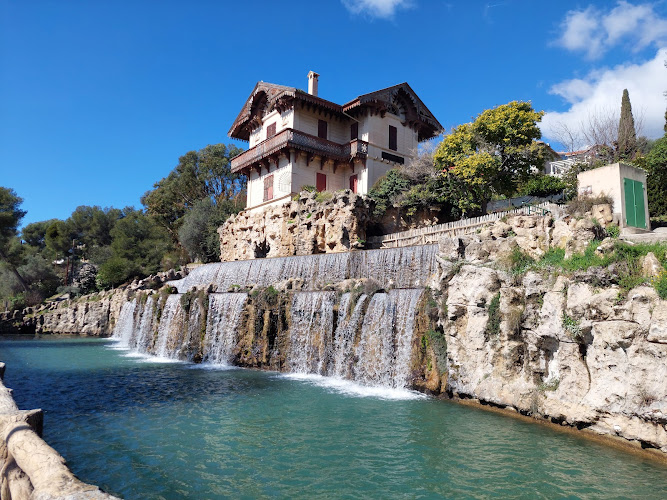
Cascade de Gairaut

Parc Castel des Deux Rois
Find Accommodations Nearby
Recommended Tours & Activities
Visitor Reviews
There are no reviews yet. Be the first one to write one.
Share Your Experience
Have you visited Monastère de Cimiez? Help other travelers by leaving a review.