

Meiji Jingu
About Meiji Jingu
Description
Meiji Jingu is one of those rare places in Tokyo where time seems to slow down. Even with the hum of the city just beyond its gates, the moment someone steps under the massive wooden torii, the air changes. The sound of gravel underfoot, the faint rustle of leaves—everything feels intentional, almost meditative. Dedicated to Emperor Meiji and Empress Shoken, this Shinto shrine stands as a tribute not just to their memory but to an entire era that shaped modern Japan. Built in 1920, it’s more than a religious site; it’s a living piece of history wrapped in a forest that feels almost impossibly serene in the middle of Shibuya.
Visitors often describe Meiji Jingu as peaceful, spiritual, and grounding. And honestly, that’s exactly what it is. The shrine grounds span over 70 hectares of lush forest, home to more than 100,000 trees donated from across Japan. It’s easy to forget you’re in one of the busiest cities in the world. The contrast between the natural calm of Meiji Jingu and the neon chaos of nearby Harajuku is part of what makes it so special. You can spend an hour or a whole afternoon wandering here, and it never feels rushed.
Of course, not every visitor walks away equally moved—some come expecting dazzling architecture or grand ceremonies and find instead quiet simplicity. But that’s the beauty of this place. It’s not about spectacle; it’s about stillness. The shrine’s understated wooden structures, the scent of cypress, and the echo of ritual chants all invite reflection. And if you’re lucky, you might even witness a traditional Shinto wedding procession, complete with white kimono and red parasols gliding through the courtyard. It’s one of those moments that feels like stepping into another time.
Key Features
- Majestic Torii Gates: Gigantic wooden gates mark the entrance, symbolizing the transition from the everyday world into sacred space.
- Sprawling Forest: Over 100,000 trees create a natural sanctuary teeming with birds and seasonal blooms.
- Inner Shrine (Naien): The heart of Meiji Jingu, where visitors can offer prayers and observe Shinto rituals.
- Iris Garden: A seasonal highlight, the iris garden bursts into color in early summer, said to have been loved by Empress Shoken herself.
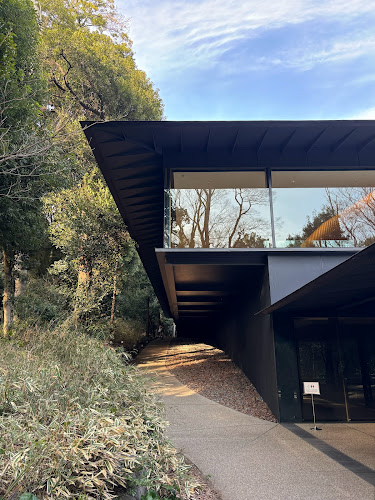
- Treasure Museum: Displays personal belongings of Emperor Meiji and Empress Shoken, offering glimpses into their lives and Japan’s modernization.
- Traditional Weddings: Authentic Shinto ceremonies often take place here, giving visitors a rare chance to witness Japanese traditions in action.
- Accessibility and Amenities: The shrine is wheelchair accessible, has restrooms, and offers on-site parking—making it easy for everyone to explore comfortably.
Best Time to Visit
There’s really no bad time to visit Meiji Jingu, but the experience changes with the seasons. Spring brings soft cherry blossoms that frame the torii gates like something out of a painting. Summer, though humid, is alive with greenery and the iris garden at its best. Autumn might be my personal favorite—the air turns crisp, and the maple leaves paint the grounds in deep reds and golds. Winter, while quieter, has its charm too. The bare branches and cool air make the shrine feel even more tranquil, especially in the early morning.
If you can, try to visit early in the day before the crowds roll in. There’s something magical about being among the first few to walk the gravel paths, watching sunlight filter through the trees. Sundays are often busy with weddings, which can be fascinating to witness but also draw more visitors. So, if solitude is what you’re after, aim for a weekday morning.
How to Get There
Getting to Meiji Jingu is surprisingly easy, even for first-time travelers in Tokyo. The shrine sits right next to Harajuku Station on the JR Yamanote Line and Meiji-jingumae Station on the Tokyo Metro Chiyoda and Fukutoshin Lines. From either station, it’s just a short walk to the main torii gate. The entrance path is wide, shaded, and lined with towering trees—it’s almost like a prelude to the calm that awaits inside.
For those staying in central Tokyo, it’s a quick train ride from major hubs like Shinjuku or Shibuya. And if you’re exploring on foot, it’s perfectly doable to combine a visit to Meiji Jingu with a stroll through Yoyogi Park or the quirky shops and cafés of Harajuku. Just remember to wear comfortable shoes; the grounds are vast, and you’ll want to wander freely without worrying about sore feet.
Tips for Visiting
Visiting Meiji Jingu isn’t complicated, but a few small things can make your experience even better. First, respect the atmosphere—it’s a working shrine, not just a tourist spot. When you approach the main hall, bow slightly before entering the sacred area, and follow the cleansing ritual at the temizuya (water pavilion). It’s simple: rinse your left hand, then your right, then your mouth (without touching the ladle). It’s a small gesture, but it connects you to centuries of tradition.
Photography is allowed in most areas, but avoid taking pictures near the main offering hall or during ceremonies. It’s also worth bringing a small coin for offerings—five yen is considered lucky. Toss it into the wooden box, bow twice, clap twice, and bow once more. Even if you’re not religious, there’s something grounding about participating in this quiet ritual.
If you’re visiting in summer, bring water and maybe a hat—the humidity can sneak up on you. And in winter, the chill in the air can be surprisingly sharp, so layer up. The shrine has restrooms and vending machines near the entrance, which is handy if you’re spending a few hours exploring.
One of my favorite things to do here is to write a wish on an ema (a small wooden plaque) and hang it up with the others. You’ll see messages in dozens of languages—hopes, dreams, prayers, all mingling together. It’s a small reminder that, no matter where we come from, we’re all looking for a bit of peace and good fortune.
Before you leave, take a moment to stop near the sake barrels stacked in colorful rows along the path. They’re decorative, yes, but they also symbolize offerings made to the deities. And right across from them, you’ll see barrels of wine—an interesting nod to Emperor Meiji’s openness to Western culture. It’s these little details that make Meiji Jingu so fascinating: a place where old and new Japan coexist quietly, side by side.
In short, Meiji Jingu isn’t just a shrine—it’s an experience. It’s where you can breathe deeply, slow down, and feel connected to something bigger than yourself, even if only for a moment. Whether you come for the history, the nature, or just a break from Tokyo’s pace, you’ll walk away with a sense of calm that lingers long after you’ve left the forest. And honestly, that’s what makes this place worth every step.
Key Features
- Key Features
- Best Time to Visit
- How to Get There
- Tips for Visiting
More Details
Updated November 10, 2025
Description
Meiji Jingu is one of those rare places in Tokyo where time seems to slow down. Even with the hum of the city just beyond its gates, the moment someone steps under the massive wooden torii, the air changes. The sound of gravel underfoot, the faint rustle of leaves—everything feels intentional, almost meditative. Dedicated to Emperor Meiji and Empress Shoken, this Shinto shrine stands as a tribute not just to their memory but to an entire era that shaped modern Japan. Built in 1920, it’s more than a religious site; it’s a living piece of history wrapped in a forest that feels almost impossibly serene in the middle of Shibuya.
Visitors often describe Meiji Jingu as peaceful, spiritual, and grounding. And honestly, that’s exactly what it is. The shrine grounds span over 70 hectares of lush forest, home to more than 100,000 trees donated from across Japan. It’s easy to forget you’re in one of the busiest cities in the world. The contrast between the natural calm of Meiji Jingu and the neon chaos of nearby Harajuku is part of what makes it so special. You can spend an hour or a whole afternoon wandering here, and it never feels rushed.
Of course, not every visitor walks away equally moved—some come expecting dazzling architecture or grand ceremonies and find instead quiet simplicity. But that’s the beauty of this place. It’s not about spectacle; it’s about stillness. The shrine’s understated wooden structures, the scent of cypress, and the echo of ritual chants all invite reflection. And if you’re lucky, you might even witness a traditional Shinto wedding procession, complete with white kimono and red parasols gliding through the courtyard. It’s one of those moments that feels like stepping into another time.
Key Features
- Majestic Torii Gates: Gigantic wooden gates mark the entrance, symbolizing the transition from the everyday world into sacred space.
- Sprawling Forest: Over 100,000 trees create a natural sanctuary teeming with birds and seasonal blooms.
- Inner Shrine (Naien): The heart of Meiji Jingu, where visitors can offer prayers and observe Shinto rituals.
- Iris Garden: A seasonal highlight, the iris garden bursts into color in early summer, said to have been loved by Empress Shoken herself.
- Treasure Museum: Displays personal belongings of Emperor Meiji and Empress Shoken, offering glimpses into their lives and Japan’s modernization.
- Traditional Weddings: Authentic Shinto ceremonies often take place here, giving visitors a rare chance to witness Japanese traditions in action.
- Accessibility and Amenities: The shrine is wheelchair accessible, has restrooms, and offers on-site parking—making it easy for everyone to explore comfortably.
Best Time to Visit
There’s really no bad time to visit Meiji Jingu, but the experience changes with the seasons. Spring brings soft cherry blossoms that frame the torii gates like something out of a painting. Summer, though humid, is alive with greenery and the iris garden at its best. Autumn might be my personal favorite—the air turns crisp, and the maple leaves paint the grounds in deep reds and golds. Winter, while quieter, has its charm too. The bare branches and cool air make the shrine feel even more tranquil, especially in the early morning.
If you can, try to visit early in the day before the crowds roll in. There’s something magical about being among the first few to walk the gravel paths, watching sunlight filter through the trees. Sundays are often busy with weddings, which can be fascinating to witness but also draw more visitors. So, if solitude is what you’re after, aim for a weekday morning.
How to Get There
Getting to Meiji Jingu is surprisingly easy, even for first-time travelers in Tokyo. The shrine sits right next to Harajuku Station on the JR Yamanote Line and Meiji-jingumae Station on the Tokyo Metro Chiyoda and Fukutoshin Lines. From either station, it’s just a short walk to the main torii gate. The entrance path is wide, shaded, and lined with towering trees—it’s almost like a prelude to the calm that awaits inside.
For those staying in central Tokyo, it’s a quick train ride from major hubs like Shinjuku or Shibuya. And if you’re exploring on foot, it’s perfectly doable to combine a visit to Meiji Jingu with a stroll through Yoyogi Park or the quirky shops and cafés of Harajuku. Just remember to wear comfortable shoes; the grounds are vast, and you’ll want to wander freely without worrying about sore feet.
Tips for Visiting
Visiting Meiji Jingu isn’t complicated, but a few small things can make your experience even better. First, respect the atmosphere—it’s a working shrine, not just a tourist spot. When you approach the main hall, bow slightly before entering the sacred area, and follow the cleansing ritual at the temizuya (water pavilion). It’s simple: rinse your left hand, then your right, then your mouth (without touching the ladle). It’s a small gesture, but it connects you to centuries of tradition.
Photography is allowed in most areas, but avoid taking pictures near the main offering hall or during ceremonies. It’s also worth bringing a small coin for offerings—five yen is considered lucky. Toss it into the wooden box, bow twice, clap twice, and bow once more. Even if you’re not religious, there’s something grounding about participating in this quiet ritual.
If you’re visiting in summer, bring water and maybe a hat—the humidity can sneak up on you. And in winter, the chill in the air can be surprisingly sharp, so layer up. The shrine has restrooms and vending machines near the entrance, which is handy if you’re spending a few hours exploring.
One of my favorite things to do here is to write a wish on an ema (a small wooden plaque) and hang it up with the others. You’ll see messages in dozens of languages—hopes, dreams, prayers, all mingling together. It’s a small reminder that, no matter where we come from, we’re all looking for a bit of peace and good fortune.
Before you leave, take a moment to stop near the sake barrels stacked in colorful rows along the path. They’re decorative, yes, but they also symbolize offerings made to the deities. And right across from them, you’ll see barrels of wine—an interesting nod to Emperor Meiji’s openness to Western culture. It’s these little details that make Meiji Jingu so fascinating: a place where old and new Japan coexist quietly, side by side.
In short, Meiji Jingu isn’t just a shrine—it’s an experience. It’s where you can breathe deeply, slow down, and feel connected to something bigger than yourself, even if only for a moment. Whether you come for the history, the nature, or just a break from Tokyo’s pace, you’ll walk away with a sense of calm that lingers long after you’ve left the forest. And honestly, that’s what makes this place worth every step.
Key Highlights
- Key Features
- Best Time to Visit
- How to Get There
- Tips for Visiting
Location
Places to Stay Near Meiji Jingu
Find and Book a Tour
Explore More Travel Guides
No reviews found! Be the first to review!
Traveler Reviews for Meiji Jingu
There are no reviews yet. Be the first one to write one.
Have you visited Meiji Jingu? Help other travelers by sharing your review.
You Might Also Like
Jingū Bashi (Shrine Bridge)
Meiji Jingu Museum

Maruyamacho
Find Accommodations Nearby
Recommended Tours & Activities
Visitor Reviews
There are no reviews yet. Be the first one to write one.
Share Your Experience
Have you visited Meiji Jingu? Help other travelers by leaving a review.