
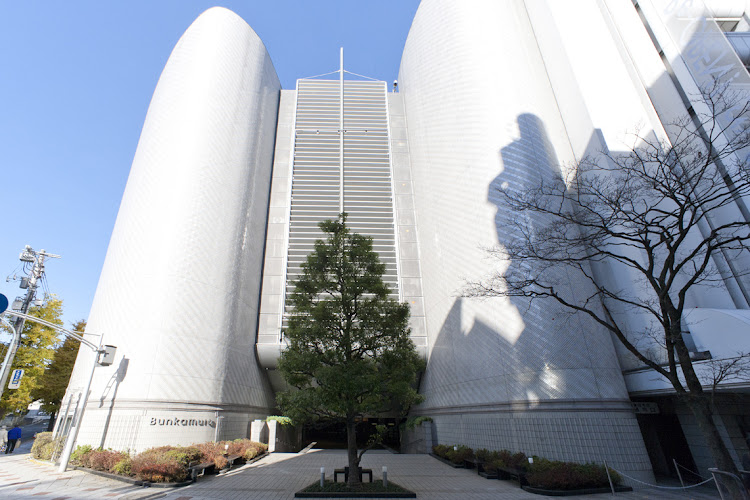
Bunkamura
About Bunkamura
Description
Bunkamura is one of those places in Tokyo that makes you pause and think, “Wow, this city really does everything on a grand scale.” It’s not just a concert hall, not just a museum, and not just a theater—it’s a cultural complex where art, music, and performance all collide under one roof. The main concert hall is designed in that classic shoebox style, which might sound funny at first, but it’s actually one of the best acoustic designs in the world. The sound carries beautifully, whether it’s a delicate violin solo or a full-blown opera chorus shaking the walls. I remember sitting in the back row once and still feeling like I was right in the middle of the orchestra pit. That’s how good the design is.
Now, here’s the thing: Bunkamura isn’t perfect. Some folks find it a little overwhelming, maybe too polished or too crowded depending on the event. And yes, tickets can feel pricey. But honestly, when you’re watching a ballet performance that leaves you with goosebumps or standing in front of a painting you only ever saw in textbooks, it’s hard to complain too much. It feels like Tokyo’s way of saying, “We take art seriously here.” And I kind of love that.
Key Features
- World-class concert hall with acoustics designed to enhance classical music, opera, and ballet.
- An art museum that rotates exhibitions, often featuring international collections and rare works.
- Film screenings and smaller performances that give the place a more intimate vibe when you’re not in the main hall.
- Shops and cafés tucked inside, so you can grab a coffee or browse art-related books before or after a show.
- Accessibility-friendly with wheelchair access and thoughtful design for visitors who need extra support.
- Location right in Shibuya, which means you can pair a cultural evening with the buzz of Tokyo nightlife just steps away.
Best Time to Visit
Timing really depends on what you’re after. If you’re hoping to catch the big seasonal concerts—think Christmas performances, spring opera, or summer festivals—you’ll want to book well in advance. Personally, I like visiting in autumn. There’s something about walking through Shibuya with crisp air and then ducking into a warm hall for a concert that feels magical. Weekdays tend to be less crowded, so if you’re not a fan of long lines or packed lobbies, aim for a midweek visit. And if you’re into art exhibitions, check the schedule ahead of time because some of the traveling shows only stick around for a few weeks.
How to Get There
Getting to Bunkamura is surprisingly straightforward. It’s in Shibuya, which is one of Tokyo’s major transport hubs, so you’ll have no trouble hopping on a train or bus that gets you close. From Shibuya Station, it’s a short walk—though, fair warning, Shibuya can be a bit of a maze if it’s your first time. I’ve gotten lost in the station more times than I’d like to admit, but once you pop out near Dogenzaka, the signs for Bunkamura are clear. If you’re not into navigating Tokyo’s busy streets, a taxi is always an option, but honestly, part of the fun is weaving through the crowds and feeling that buzz of the city before stepping into the calm of the hall.
Tips for Visiting
Here are a few practical things I’ve picked up from my own visits. First, arrive early. Not just because you don’t want to miss the opening notes of a concert, but also because the lobby and surrounding areas are worth lingering in. There’s often art on display, and the cafés are a nice spot to people-watch. Second, dress comfortably but maybe skip the ultra-casual look—Tokyo audiences tend to lean a little more polished when attending cultural events. Third, if you’re sensitive to crowds, avoid weekend evenings. That’s when it feels like half of Tokyo has the same idea as you.
And one more thing: don’t rush off right after the show. I made that mistake once, bolting for the station, and I regretted it. The post-performance glow is real, and lingering a bit—whether it’s chatting about the performance with friends or just soaking in the atmosphere—makes the whole experience feel richer. Plus, Shibuya is right outside, so you can easily cap off the night with ramen, sushi, or whatever comfort food you’re craving.
So, whether you’re a classical music buff, an art lover, or just someone curious about Tokyo’s cultural side, Bunkamura is worth carving out time for. It’s not flawless, but maybe that’s part of its charm. It’s a place where the highbrow meets the everyday, and where you can walk out the doors and immediately be swept back into the chaos of Shibuya. That contrast—quiet elegance inside, electric energy outside—makes every visit memorable.
Key Features
- World-class concert hall with acoustics designed to enhance classical music, opera, and ballet.
- An art museum that rotates exhibitions, often featuring international collections and rare works.
- Film screenings and smaller performances that give the place a more intimate vibe when you’re not in the main hall.
- Shops and cafés tucked inside, so you can grab a coffee or browse art-related books before or after a show.
- Accessibility-friendly with wheelchair access and thoughtful design for visitors who need extra support.
- Location right in Shibuya, which means you can pair a cultural evening with the buzz of Tokyo nightlife just steps away.
More Details
Updated October 1, 2025
Description
Bunkamura is one of those places in Tokyo that makes you pause and think, “Wow, this city really does everything on a grand scale.” It’s not just a concert hall, not just a museum, and not just a theater—it’s a cultural complex where art, music, and performance all collide under one roof. The main concert hall is designed in that classic shoebox style, which might sound funny at first, but it’s actually one of the best acoustic designs in the world. The sound carries beautifully, whether it’s a delicate violin solo or a full-blown opera chorus shaking the walls. I remember sitting in the back row once and still feeling like I was right in the middle of the orchestra pit. That’s how good the design is.
Now, here’s the thing: Bunkamura isn’t perfect. Some folks find it a little overwhelming, maybe too polished or too crowded depending on the event. And yes, tickets can feel pricey. But honestly, when you’re watching a ballet performance that leaves you with goosebumps or standing in front of a painting you only ever saw in textbooks, it’s hard to complain too much. It feels like Tokyo’s way of saying, “We take art seriously here.” And I kind of love that.
Key Features
- World-class concert hall with acoustics designed to enhance classical music, opera, and ballet.
- An art museum that rotates exhibitions, often featuring international collections and rare works.
- Film screenings and smaller performances that give the place a more intimate vibe when you’re not in the main hall.
- Shops and cafés tucked inside, so you can grab a coffee or browse art-related books before or after a show.
- Accessibility-friendly with wheelchair access and thoughtful design for visitors who need extra support.
- Location right in Shibuya, which means you can pair a cultural evening with the buzz of Tokyo nightlife just steps away.
Best Time to Visit
Timing really depends on what you’re after. If you’re hoping to catch the big seasonal concerts—think Christmas performances, spring opera, or summer festivals—you’ll want to book well in advance. Personally, I like visiting in autumn. There’s something about walking through Shibuya with crisp air and then ducking into a warm hall for a concert that feels magical. Weekdays tend to be less crowded, so if you’re not a fan of long lines or packed lobbies, aim for a midweek visit. And if you’re into art exhibitions, check the schedule ahead of time because some of the traveling shows only stick around for a few weeks.
How to Get There
Getting to Bunkamura is surprisingly straightforward. It’s in Shibuya, which is one of Tokyo’s major transport hubs, so you’ll have no trouble hopping on a train or bus that gets you close. From Shibuya Station, it’s a short walk—though, fair warning, Shibuya can be a bit of a maze if it’s your first time. I’ve gotten lost in the station more times than I’d like to admit, but once you pop out near Dogenzaka, the signs for Bunkamura are clear. If you’re not into navigating Tokyo’s busy streets, a taxi is always an option, but honestly, part of the fun is weaving through the crowds and feeling that buzz of the city before stepping into the calm of the hall.
Tips for Visiting
Here are a few practical things I’ve picked up from my own visits. First, arrive early. Not just because you don’t want to miss the opening notes of a concert, but also because the lobby and surrounding areas are worth lingering in. There’s often art on display, and the cafés are a nice spot to people-watch. Second, dress comfortably but maybe skip the ultra-casual look—Tokyo audiences tend to lean a little more polished when attending cultural events. Third, if you’re sensitive to crowds, avoid weekend evenings. That’s when it feels like half of Tokyo has the same idea as you.
And one more thing: don’t rush off right after the show. I made that mistake once, bolting for the station, and I regretted it. The post-performance glow is real, and lingering a bit—whether it’s chatting about the performance with friends or just soaking in the atmosphere—makes the whole experience feel richer. Plus, Shibuya is right outside, so you can easily cap off the night with ramen, sushi, or whatever comfort food you’re craving.
So, whether you’re a classical music buff, an art lover, or just someone curious about Tokyo’s cultural side, Bunkamura is worth carving out time for. It’s not flawless, but maybe that’s part of its charm. It’s a place where the highbrow meets the everyday, and where you can walk out the doors and immediately be swept back into the chaos of Shibuya. That contrast—quiet elegance inside, electric energy outside—makes every visit memorable.
Key Highlights
- World-class concert hall with acoustics designed to enhance classical music, opera, and ballet.
- An art museum that rotates exhibitions, often featuring international collections and rare works.
- Film screenings and smaller performances that give the place a more intimate vibe when you’re not in the main hall.
- Shops and cafés tucked inside, so you can grab a coffee or browse art-related books before or after a show.
- Accessibility-friendly with wheelchair access and thoughtful design for visitors who need extra support.
- Location right in Shibuya, which means you can pair a cultural evening with the buzz of Tokyo nightlife just steps away.
Location
Places to Stay Near Bunkamura
Find and Book a Tour
Explore More Travel Guides
No reviews found! Be the first to review!
Traveler Reviews for Bunkamura
There are no reviews yet. Be the first one to write one.
Have you visited Bunkamura? Help other travelers by sharing your review.
You Might Also Like

Maruyamacho
Kyu Asakura House
Meiji Jingu Museum
Find Accommodations Nearby
Recommended Tours & Activities
Visitor Reviews
There are no reviews yet. Be the first one to write one.
Share Your Experience
Have you visited Bunkamura? Help other travelers by leaving a review.