
Meiji Jingu Museum
About Meiji Jingu Museum
Description
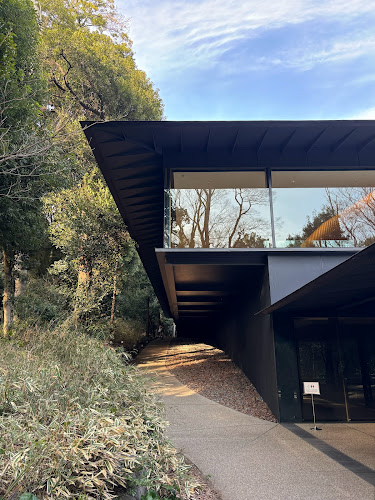
The Meiji Jingu Museum in Tokyo isn’t your typical museum with endless glass cases and dusty artifacts. Designed by the world-renowned architect Kengo Kuma, the building itself is a piece of art. Kuma is famous for his use of natural materials, especially wood, and here he’s created a space that feels warm, organic, and almost like it grew out of the surrounding forest. It’s modern but not cold, sleek yet inviting. And honestly, that’s half the reason people love coming here—it doesn’t feel like a chore to walk through; it feels like part of the shrine experience itself.
Inside, the museum showcases personal items connected to Emperor Meiji and Empress Shoken, the figures enshrined at Meiji Jingu. These aren’t just random historical objects; they’re things the imperial couple actually used, which makes the visit feel more intimate. You’ll see clothing, carriages, letters—pieces of their daily lives that bring history down to a human scale. For travelers who enjoy connecting with the past in a tangible way, this museum hits the mark. It’s not overwhelming in size either, so you won’t leave with museum fatigue. Instead, you leave with a sense of respect and curiosity about Japan’s modernization period and how the Meiji era shaped the country we know today.
Of course, not everyone walks away with the same impression. Some visitors feel the exhibits are a bit sparse or wish there was more English explanation, while others appreciate the simplicity and the peacefulness of the space. Personally, I think the balance works—it’s a calm pause in the middle of busy Tokyo, and that atmosphere is part of the magic. If you’re already wandering the shrine grounds, stepping into the museum is like opening a quiet window into the lives of the people behind the shrine’s story.
Key Features
- Architectural design by Kengo Kuma, emphasizing natural wood and harmony with the surrounding forest
- Exhibits of personal belongings of Emperor Meiji and Empress Shoken, including clothing, letters, and ceremonial items
- Compact layout spread across two floors, making it easy to explore without feeling rushed
- Wheelchair accessible entrance and restrooms, ensuring inclusive access for all visitors
- Located within the tranquil Meiji Jingu Shrine grounds, offering a seamless cultural and spiritual experience
- Onsite restrooms available, though no restaurant facilities inside the museum
Best Time to Visit
Timing matters when it comes to enjoying the Meiji Jingu Museum. Weekdays in the late morning or early afternoon tend to be less crowded, which means you can linger in front of exhibits without feeling rushed. If you’re already planning to visit Meiji Jingu Shrine, it makes sense to combine the two experiences. Personally, I love going in autumn when the trees around the shrine turn golden and crimson—it makes the walk to the museum feel like a scene from a painting. Spring is beautiful too, especially if you’re a fan of cherry blossoms, but it’s busier.
Avoid major holidays if you can, especially New Year’s when the shrine grounds are packed with visitors. On the flip side, if you don’t mind crowds, visiting during a festival can add a whole new layer of energy to your trip. The museum itself doesn’t change much seasonally, but the atmosphere of the grounds around it absolutely does, and that’s part of the experience.
How to Get There
The museum is tucked inside the Meiji Jingu Shrine grounds, so the journey there is part of the adventure. Most travelers arrive via Harajuku Station or Meiji-jingumae Station, both of which are just a short walk from the shrine’s entrance. From there, it’s about a 10–15 minute stroll through towering trees and gravel paths before you reach the museum. Honestly, that walk is one of my favorite parts—it feels like you’re leaving the chaos of the city behind and stepping into a different world.
If you’re coming from Shinjuku or Shibuya, it’s incredibly easy to hop on the JR Yamanote Line and be at Harajuku in minutes. And because the museum is inside the shrine grounds, you also get to enjoy the broader experience of Meiji Jingu along the way. Just wear comfortable shoes, because those gravel paths can be unforgiving if you’re in heels or flimsy sandals.
Tips for Visiting
A few things can make your visit smoother and more enjoyable. First off, give yourself enough time. While the museum itself isn’t huge, you’ll want to pair it with a walk around the shrine grounds, which easily adds an hour or two to your visit. If you’re someone who likes to read every single caption, plan for at least 90 minutes inside the museum. If you’re more of a “skim and soak in the vibe” type, 45 minutes might be enough.
Photography rules vary, so check signs carefully before snapping pictures—some exhibits are off-limits for photos. And since there’s no restaurant inside, consider grabbing a bite before or after your visit. Harajuku is just around the corner, and it’s full of quirky cafes and street food stalls. I once grabbed a crepe there after visiting the museum, and it felt like the perfect contrast: quiet culture followed by sugary chaos.
Accessibility is well thought out, with wheelchair-friendly entrances and restrooms, so no worries if mobility is a concern. Do bring cash, though, as smaller cultural institutions in Japan sometimes don’t take cards. Lastly, don’t rush. The museum is designed to be a reflective space, not a checklist stop. Take a moment to sit, look out the windows at the forest, and let the history sink in. It’s one of those places where slowing down actually makes the experience richer.
Key Features
- Architectural design by Kengo Kuma, emphasizing natural wood and harmony with the surrounding forest
- Exhibits of personal belongings of Emperor Meiji and Empress Shoken, including clothing, letters, and ceremonial items
- Compact layout spread across two floors, making it easy to explore without feeling rushed
- Wheelchair accessible entrance and restrooms, ensuring inclusive access for all visitors
- Located within the tranquil Meiji Jingu Shrine grounds, offering a seamless cultural and spiritual experience
- Onsite restrooms available, though no restaurant facilities inside the museum
More Details
Updated September 10, 2025
Table of Contents
Description
The Meiji Jingu Museum in Tokyo isn’t your typical museum with endless glass cases and dusty artifacts. Designed by the world-renowned architect Kengo Kuma, the building itself is a piece of art. Kuma is famous for his use of natural materials, especially wood, and here he’s created a space that feels warm, organic, and almost like it grew out of the surrounding forest. It’s modern but not cold, sleek yet inviting. And honestly, that’s half the reason people love coming here—it doesn’t feel like a chore to walk through; it feels like part of the shrine experience itself.
Inside, the museum showcases personal items connected to Emperor Meiji and Empress Shoken, the figures enshrined at Meiji Jingu. These aren’t just random historical objects; they’re things the imperial couple actually used, which makes the visit feel more intimate. You’ll see clothing, carriages, letters—pieces of their daily lives that bring history down to a human scale. For travelers who enjoy connecting with the past in a tangible way, this museum hits the mark. It’s not overwhelming in size either, so you won’t leave with museum fatigue. Instead, you leave with a sense of respect and curiosity about Japan’s modernization period and how the Meiji era shaped the country we know today.
Of course, not everyone walks away with the same impression. Some visitors feel the exhibits are a bit sparse or wish there was more English explanation, while others appreciate the simplicity and the peacefulness of the space. Personally, I think the balance works—it’s a calm pause in the middle of busy Tokyo, and that atmosphere is part of the magic. If you’re already wandering the shrine grounds, stepping into the museum is like opening a quiet window into the lives of the people behind the shrine’s story.
Key Features
- Architectural design by Kengo Kuma, emphasizing natural wood and harmony with the surrounding forest
- Exhibits of personal belongings of Emperor Meiji and Empress Shoken, including clothing, letters, and ceremonial items
- Compact layout spread across two floors, making it easy to explore without feeling rushed
- Wheelchair accessible entrance and restrooms, ensuring inclusive access for all visitors
- Located within the tranquil Meiji Jingu Shrine grounds, offering a seamless cultural and spiritual experience
- Onsite restrooms available, though no restaurant facilities inside the museum
Best Time to Visit
Timing matters when it comes to enjoying the Meiji Jingu Museum. Weekdays in the late morning or early afternoon tend to be less crowded, which means you can linger in front of exhibits without feeling rushed. If you’re already planning to visit Meiji Jingu Shrine, it makes sense to combine the two experiences. Personally, I love going in autumn when the trees around the shrine turn golden and crimson—it makes the walk to the museum feel like a scene from a painting. Spring is beautiful too, especially if you’re a fan of cherry blossoms, but it’s busier.
Avoid major holidays if you can, especially New Year’s when the shrine grounds are packed with visitors. On the flip side, if you don’t mind crowds, visiting during a festival can add a whole new layer of energy to your trip. The museum itself doesn’t change much seasonally, but the atmosphere of the grounds around it absolutely does, and that’s part of the experience.
How to Get There
The museum is tucked inside the Meiji Jingu Shrine grounds, so the journey there is part of the adventure. Most travelers arrive via Harajuku Station or Meiji-jingumae Station, both of which are just a short walk from the shrine’s entrance. From there, it’s about a 10–15 minute stroll through towering trees and gravel paths before you reach the museum. Honestly, that walk is one of my favorite parts—it feels like you’re leaving the chaos of the city behind and stepping into a different world.
If you’re coming from Shinjuku or Shibuya, it’s incredibly easy to hop on the JR Yamanote Line and be at Harajuku in minutes. And because the museum is inside the shrine grounds, you also get to enjoy the broader experience of Meiji Jingu along the way. Just wear comfortable shoes, because those gravel paths can be unforgiving if you’re in heels or flimsy sandals.
Tips for Visiting
A few things can make your visit smoother and more enjoyable. First off, give yourself enough time. While the museum itself isn’t huge, you’ll want to pair it with a walk around the shrine grounds, which easily adds an hour or two to your visit. If you’re someone who likes to read every single caption, plan for at least 90 minutes inside the museum. If you’re more of a “skim and soak in the vibe” type, 45 minutes might be enough.
Photography rules vary, so check signs carefully before snapping pictures—some exhibits are off-limits for photos. And since there’s no restaurant inside, consider grabbing a bite before or after your visit. Harajuku is just around the corner, and it’s full of quirky cafes and street food stalls. I once grabbed a crepe there after visiting the museum, and it felt like the perfect contrast: quiet culture followed by sugary chaos.
Accessibility is well thought out, with wheelchair-friendly entrances and restrooms, so no worries if mobility is a concern. Do bring cash, though, as smaller cultural institutions in Japan sometimes don’t take cards. Lastly, don’t rush. The museum is designed to be a reflective space, not a checklist stop. Take a moment to sit, look out the windows at the forest, and let the history sink in. It’s one of those places where slowing down actually makes the experience richer.
Key Highlights
- Architectural design by Kengo Kuma, emphasizing natural wood and harmony with the surrounding forest
- Exhibits of personal belongings of Emperor Meiji and Empress Shoken, including clothing, letters, and ceremonial items
- Compact layout spread across two floors, making it easy to explore without feeling rushed
- Wheelchair accessible entrance and restrooms, ensuring inclusive access for all visitors
- Located within the tranquil Meiji Jingu Shrine grounds, offering a seamless cultural and spiritual experience
- Onsite restrooms available, though no restaurant facilities inside the museum
Location
Places to Stay Near Meiji Jingu Museum
Find and Book a Tour
Explore More Travel Guides
No reviews found! Be the first to review!
Traveler Reviews for Meiji Jingu Museum
There are no reviews yet. Be the first one to write one.
Have you visited Meiji Jingu Museum? Help other travelers by sharing your review.
You Might Also Like

Nabeshima Shōtō Park
Kyu Asakura House

d47 Museum
Find Accommodations Nearby
Recommended Tours & Activities
Visitor Reviews
There are no reviews yet. Be the first one to write one.
Share Your Experience
Have you visited Meiji Jingu Museum? Help other travelers by leaving a review.