

Medina Azahara – Conjunto Arqueológico Madinat al-Zahra
About Medina Azahara – Conjunto Arqueológico Madinat al-Zahra
Description
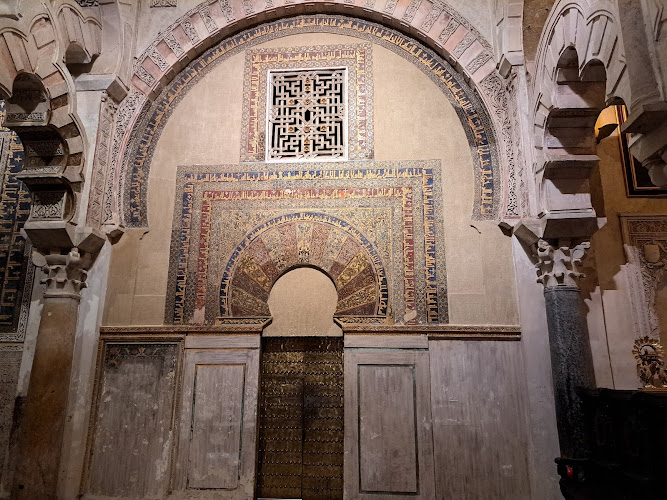
Medina Azahara, also known as the Conjunto Arqueológico Madinat al-Zahra, is one of those places that quietly takes your breath away the moment you step into it. Set against the rolling hills near Córdoba, this archaeological site reveals the grandeur of a lost city built in the 10th century by Caliph Abderraman III. It wasn’t just a city—it was a royal dream carved into the Andalusian landscape, meant to showcase the power and sophistication of the Caliphate of Córdoba. Even in ruins, it feels alive with whispers of history, where marble columns, carved arches, and intricate mosaics still tell stories of a time when art and science flourished under Islamic rule.
What’s fascinating is that Medina Azahara wasn’t discovered until the early 20th century. For nearly a thousand years, it lay forgotten beneath layers of earth and legend. Archaeologists have since uncovered only a fraction of its vast expanse—roughly 10%—but that’s enough to give visitors a glimpse of its former glory. You can walk through the remains of the Caliph’s palace, the administrative buildings, gardens, and the famous Salón Rico, a hall so richly decorated that it still stirs awe today. There’s something deeply humbling about standing where scholars, poets, and artisans once gathered, shaping one of the most intellectually vibrant courts of medieval Europe.
The site is well maintained, and the museum at the entrance does a fantastic job of setting the scene. It’s modern, accessible, and thoughtfully curated, offering artifacts, models, and multimedia displays that help you imagine what life was like here over a thousand years ago. And while some visitors might find the ruins less “complete” than other historical sites, that’s part of Medina Azahara’s charm—it invites you to fill in the blanks with your imagination.
Key Features
- Archaeological Museum: A sleek, modern facility showcasing artifacts, architectural fragments, and digital reconstructions of the ancient city.
- Salón Rico: The most iconic building on site, once adorned with red and blue marble, carved stucco, and gilded ceilings—a masterpiece of Umayyad art.
- Mosque and Basilicas: Remnants of religious structures that reflect the cultural and spiritual diversity of the Caliphate era.
- Terraced Layout: The city was built across three levels—royal residence, administrative zone, and housing—offering panoramic views of the valley below.
- Accessibility: Wheelchair-friendly routes, accessible restrooms, and free parking make it convenient for all visitors.
- Family-Friendly: Children can explore safely, and the museum’s interactive exhibits help spark their curiosity about ancient civilizations.
- Guided Tours: Expert-led tours bring the ruins to life with stories of politics, love, and betrayal from the golden age of Al-Andalus.
Best Time to Visit
If you ask me, spring is the sweet spot for visiting Medina Azahara. The weather is mild, the surrounding hills are green, and the light seems to make the stone glow. Early mornings or late afternoons are perfect for photography—the shadows add depth to the ruins, and you can wander in relative peace before the midday crowds arrive. Summer, on the other hand, can be brutally hot in Córdoba, with temperatures soaring past 40°C (104°F). Unless you enjoy feeling like you’re walking through a furnace, it’s best to avoid the peak summer hours.
Autumn is another lovely time to come. The air cools, the sunsets are golden, and the site feels especially atmospheric. Winter visits are also worthwhile, especially if you’re after solitude. Just bring a jacket—it can get surprisingly chilly up there. The site occasionally hosts special exhibitions or cultural events, so checking the schedule in advance can make your visit even more rewarding.
How to Get There
Getting to Medina Azahara is relatively straightforward. If you’re staying in Córdoba, it’s only a short drive—about 8 kilometers west of the city center. There’s a free parking lot near the visitor center, and from there, a shuttle bus takes you up to the archaeological site itself. The bus ride is short but scenic, winding through olive groves and open countryside. It’s included in the ticket price, and honestly, it adds to the experience—you can almost picture the Caliph’s entourage taking the same route centuries ago.
For those without a car, there’s a dedicated bus service that departs from Córdoba several times a day. It’s affordable and convenient, especially if you prefer not to navigate the narrow rural roads. Some guided tours also include transportation, which can be a stress-free option if you’d rather sit back and listen to stories instead of worrying about logistics. Cycling enthusiasts sometimes make the trip by bike—it’s a bit of a climb, but the views on the way are worth every pedal stroke.
Tips for Visiting
Here’s the thing about Medina Azahara: it rewards those who take their time. Don’t rush through it like a checklist attraction. Bring water, wear comfortable shoes, and give yourself a few hours to wander. The site is large—over 100 hectares—and while not all areas are excavated, there’s plenty to explore. The museum alone deserves at least an hour if you’re the kind of traveler who likes to understand the “why” behind what you’re seeing.
Book your tickets in advance if possible, especially during weekends or holidays. It’s not that it gets overwhelmingly crowded, but having your spot secured saves you from waiting around. Guided tours are worth considering—some guides are absolute storytellers who can make the ruins come alive with tales of royal intrigue and architectural genius. And if you’re into photography, bring a wide-angle lens; the scale of the site is best captured that way.
One small but important tip: start at the museum before heading up to the ruins. It gives you context, and the air-conditioned galleries are a welcome respite from the Andalusian sun. Also, pack a hat and sunscreen. There’s little shade once you’re walking among the ruins, and the sun can be relentless even outside summer months. Families will be glad to know that it’s a safe, open space where kids can roam freely without too many “don’t touch” signs.
If you happen to be visiting Córdoba for the Mezquita or the old Jewish quarter, don’t skip Medina Azahara. It’s not just another historical site—it’s a story of ambition, beauty, and eventual downfall. There’s something poetic about that, really. I remember standing at the top terrace, looking out over the plains, and thinking how fleeting human grandeur can be. Yet, somehow, Medina Azahara endures, quietly reminding us that even ruins can be magnificent.
Before you leave, stop by the museum café. It’s simple but charming, and sipping a coffee while gazing out toward the hills feels like the perfect way to end the visit. If you’re lucky, you might catch the golden hour, when the stones turn amber and the whole place seems to glow from within. It’s one of those moments that stays with you long after you’ve left Andalucía.
To sum it up, Medina Azahara isn’t just an archaeological site—it’s a time capsule of an empire’s golden age. Whether you’re a history buff, a photographer, or just someone who loves wandering through beautiful ruins, this place has a way of getting under your skin. It’s peaceful, evocative, and deeply human—a reminder that even in decay, there’s beauty worth traveling for.
Key Features
- Key Features
- Best Time to Visit
- How to Get There
- Tips for Visiting
More Details
Updated December 1, 2025
Table of Contents
- Description
- Key Features
- Best Time to Visit
- How to Get There
- Tips for Visiting
- Key Highlights
- Location
- Places to Stay Near Medina Azahara - Conjunto Arqueológico Madinat al-Zahra
- Find and Book a Tour
- Explore More Travel Guides
- Nearby Places You Might Like
- Traveler Reviews for Medina Azahara – Conjunto Arqueológico Madinat al-Zahra
- Share Your Experience
Description
Medina Azahara, also known as the Conjunto Arqueológico Madinat al-Zahra, is one of those places that quietly takes your breath away the moment you step into it. Set against the rolling hills near Córdoba, this archaeological site reveals the grandeur of a lost city built in the 10th century by Caliph Abderraman III. It wasn’t just a city—it was a royal dream carved into the Andalusian landscape, meant to showcase the power and sophistication of the Caliphate of Córdoba. Even in ruins, it feels alive with whispers of history, where marble columns, carved arches, and intricate mosaics still tell stories of a time when art and science flourished under Islamic rule.
What’s fascinating is that Medina Azahara wasn’t discovered until the early 20th century. For nearly a thousand years, it lay forgotten beneath layers of earth and legend. Archaeologists have since uncovered only a fraction of its vast expanse—roughly 10%—but that’s enough to give visitors a glimpse of its former glory. You can walk through the remains of the Caliph’s palace, the administrative buildings, gardens, and the famous Salón Rico, a hall so richly decorated that it still stirs awe today. There’s something deeply humbling about standing where scholars, poets, and artisans once gathered, shaping one of the most intellectually vibrant courts of medieval Europe.
The site is well maintained, and the museum at the entrance does a fantastic job of setting the scene. It’s modern, accessible, and thoughtfully curated, offering artifacts, models, and multimedia displays that help you imagine what life was like here over a thousand years ago. And while some visitors might find the ruins less “complete” than other historical sites, that’s part of Medina Azahara’s charm—it invites you to fill in the blanks with your imagination.
Key Features
- Archaeological Museum: A sleek, modern facility showcasing artifacts, architectural fragments, and digital reconstructions of the ancient city.
- Salón Rico: The most iconic building on site, once adorned with red and blue marble, carved stucco, and gilded ceilings—a masterpiece of Umayyad art.
- Mosque and Basilicas: Remnants of religious structures that reflect the cultural and spiritual diversity of the Caliphate era.
- Terraced Layout: The city was built across three levels—royal residence, administrative zone, and housing—offering panoramic views of the valley below.
- Accessibility: Wheelchair-friendly routes, accessible restrooms, and free parking make it convenient for all visitors.
- Family-Friendly: Children can explore safely, and the museum’s interactive exhibits help spark their curiosity about ancient civilizations.
- Guided Tours: Expert-led tours bring the ruins to life with stories of politics, love, and betrayal from the golden age of Al-Andalus.
Best Time to Visit
If you ask me, spring is the sweet spot for visiting Medina Azahara. The weather is mild, the surrounding hills are green, and the light seems to make the stone glow. Early mornings or late afternoons are perfect for photography—the shadows add depth to the ruins, and you can wander in relative peace before the midday crowds arrive. Summer, on the other hand, can be brutally hot in Córdoba, with temperatures soaring past 40°C (104°F). Unless you enjoy feeling like you’re walking through a furnace, it’s best to avoid the peak summer hours.
Autumn is another lovely time to come. The air cools, the sunsets are golden, and the site feels especially atmospheric. Winter visits are also worthwhile, especially if you’re after solitude. Just bring a jacket—it can get surprisingly chilly up there. The site occasionally hosts special exhibitions or cultural events, so checking the schedule in advance can make your visit even more rewarding.
How to Get There
Getting to Medina Azahara is relatively straightforward. If you’re staying in Córdoba, it’s only a short drive—about 8 kilometers west of the city center. There’s a free parking lot near the visitor center, and from there, a shuttle bus takes you up to the archaeological site itself. The bus ride is short but scenic, winding through olive groves and open countryside. It’s included in the ticket price, and honestly, it adds to the experience—you can almost picture the Caliph’s entourage taking the same route centuries ago.
For those without a car, there’s a dedicated bus service that departs from Córdoba several times a day. It’s affordable and convenient, especially if you prefer not to navigate the narrow rural roads. Some guided tours also include transportation, which can be a stress-free option if you’d rather sit back and listen to stories instead of worrying about logistics. Cycling enthusiasts sometimes make the trip by bike—it’s a bit of a climb, but the views on the way are worth every pedal stroke.
Tips for Visiting
Here’s the thing about Medina Azahara: it rewards those who take their time. Don’t rush through it like a checklist attraction. Bring water, wear comfortable shoes, and give yourself a few hours to wander. The site is large—over 100 hectares—and while not all areas are excavated, there’s plenty to explore. The museum alone deserves at least an hour if you’re the kind of traveler who likes to understand the “why” behind what you’re seeing.
Book your tickets in advance if possible, especially during weekends or holidays. It’s not that it gets overwhelmingly crowded, but having your spot secured saves you from waiting around. Guided tours are worth considering—some guides are absolute storytellers who can make the ruins come alive with tales of royal intrigue and architectural genius. And if you’re into photography, bring a wide-angle lens; the scale of the site is best captured that way.
One small but important tip: start at the museum before heading up to the ruins. It gives you context, and the air-conditioned galleries are a welcome respite from the Andalusian sun. Also, pack a hat and sunscreen. There’s little shade once you’re walking among the ruins, and the sun can be relentless even outside summer months. Families will be glad to know that it’s a safe, open space where kids can roam freely without too many “don’t touch” signs.
If you happen to be visiting Córdoba for the Mezquita or the old Jewish quarter, don’t skip Medina Azahara. It’s not just another historical site—it’s a story of ambition, beauty, and eventual downfall. There’s something poetic about that, really. I remember standing at the top terrace, looking out over the plains, and thinking how fleeting human grandeur can be. Yet, somehow, Medina Azahara endures, quietly reminding us that even ruins can be magnificent.
Before you leave, stop by the museum café. It’s simple but charming, and sipping a coffee while gazing out toward the hills feels like the perfect way to end the visit. If you’re lucky, you might catch the golden hour, when the stones turn amber and the whole place seems to glow from within. It’s one of those moments that stays with you long after you’ve left Andalucía.
To sum it up, Medina Azahara isn’t just an archaeological site—it’s a time capsule of an empire’s golden age. Whether you’re a history buff, a photographer, or just someone who loves wandering through beautiful ruins, this place has a way of getting under your skin. It’s peaceful, evocative, and deeply human—a reminder that even in decay, there’s beauty worth traveling for.
Key Highlights
- Key Features
- Best Time to Visit
- How to Get There
- Tips for Visiting
Location
Places to Stay Near Medina Azahara - Conjunto Arqueológico Madinat al-Zahra
Find and Book a Tour
Explore More Travel Guides
No reviews found! Be the first to review!
Traveler Reviews for Medina Azahara – Conjunto Arqueológico Madinat al-Zahra
There are no reviews yet. Be the first one to write one.
Have you visited Medina Azahara – Conjunto Arqueológico Madinat al-Zahra? Help other travelers by sharing your review.
You Might Also Like

Hammam Al Andalus
Córdoba Synagogue

Rancho San Felipe
Find Accommodations Nearby
Recommended Tours & Activities
Visitor Reviews
There are no reviews yet. Be the first one to write one.
Share Your Experience
Have you visited Medina Azahara – Conjunto Arqueológico Madinat al-Zahra? Help other travelers by leaving a review.