

Roman Bridge of Córdoba
About Roman Bridge of Córdoba
Description
The Roman Bridge of Córdoba is one of those places that quietly takes your breath away before you even realize it’s happening. Stretching gracefully across the Guadalquivir River, this ancient bridge has stood for over two thousand years—yes, two millennia of footsteps, hooves, and laughter echoing across its stones. Originally built in the early 1st century BCE by the Romans, it has been rebuilt and restored through the centuries, most notably by the Moors in the 8th century. Today, it’s a beautiful blend of Roman engineering and Andalusian charm, linking the old quarter with the more modern side of Córdoba.
What’s fascinating is that while much of the bridge has been reconstructed, a few of its original Roman arches still remain. You can almost feel the layers of history beneath your feet—each stone whispering stories of soldiers, merchants, and travelers who crossed it long before cars or smartphones existed. The bridge’s golden-hued stone glows at sunset, and if you’re lucky enough to be there as the sky turns pink, it’s pure magic. I remember standing there once, camera in hand, and realizing I’d barely taken a photo because I was too caught up in the moment. That’s the kind of place this is—it pulls you into the present while surrounding you with the past.
It’s not just a bridge—it’s a living piece of Córdoba’s identity. Framed by the iconic Mezquita-Catedral on one end and the Calahorra Tower on the other, it’s part of a UNESCO World Heritage site that feels like an open-air museum. You’ll see street performers, artists sketching, and tourists mingling with locals out for an evening stroll. It’s busy, yes, but in a way that feels alive rather than overwhelming. And even though it’s been restored many times, it still has that ancient soul that makes you pause and think: this bridge has seen empires rise and fall, and yet, here it stands.
Key Features
- Originally constructed in the early 1st century BCE by the Romans.
- Comprises 16 arches, though only a few remain from the original Roman design.
- Rebuilt and modified during the 8th century under Moorish rule.
- Connects the historic center of Córdoba with the Campo de la Verdad district.
- Features stunning night illumination that highlights its stonework and arches.
- Wheelchair accessible and pedestrian-only, ensuring a relaxed visit.
- Offers panoramic views of the Guadalquivir River and the Mezquita-Catedral.
- Part of Córdoba’s UNESCO World Heritage-listed historic center.
One small detail that often goes unnoticed: the bridge slightly curves, which wasn’t just an aesthetic choice. The Romans designed it that way to resist the river’s current. It’s a subtle reminder of their ingenuity—practical yet elegant. And if you stand in the middle and look toward the old city, the view feels like a painting come to life.
Best Time to Visit
Timing is everything when visiting the Roman Bridge of Córdoba. Early mornings are serene, with soft light reflecting on the river and barely any crowds. It’s the perfect time for photography or just soaking in the quiet before the city wakes up. Evenings, though, are something else entirely. As the sun dips behind the Mezquita-Catedral, the bridge glows in warm tones that seem almost unreal. Street musicians often play gentle flamenco tunes, and the atmosphere turns romantic and nostalgic all at once.
If you’re planning your trip, spring (April to June) and autumn (September to October) are ideal. The weather is pleasant, and the light is just right for those postcard-worthy shots. Summers can be brutally hot—Córdoba regularly hits 40°C (104°F)—so if you visit then, aim for early morning or late evening walks. Winters are mild and quiet, which some travelers actually prefer, especially if you like having places mostly to yourself.
How to Get There
Reaching the Roman Bridge is simple and part of the fun. It’s located right in the heart of Córdoba’s historic district, so most visitors explore it on foot while wandering between the Mezquita-Catedral and the Calahorra Tower. If you’re staying nearby, you can easily stroll there through the narrow cobbled streets that seem to twist and turn like a maze—half the adventure is just finding your way!
For those coming from outside the city center, several bus routes stop close to the area, and taxis are readily available. There’s also free and paid parking nearby if you’re driving, though I’ll be honest—parking in Córdoba can test your patience, especially during peak tourist season. Personally, I’d recommend walking or cycling; it’s easier and you get to experience the city’s rhythm up close.
And if you’re arriving by train, Córdoba’s main station is about a 25-minute walk away. The route takes you through some lovely parts of the city, so it’s worth skipping the cab if the weather’s nice. Wear comfortable shoes, though—the old cobblestones are charming but not exactly heel-friendly!
Tips for Visiting
A few practical and personal tips can make your visit smoother—and more memorable.
- Go early or late: The bridge gets crowded mid-day, especially during weekends. Sunrise and sunset are quieter and more photogenic.
- Bring water: Córdoba’s sun can be relentless, and there aren’t many shaded spots along the bridge.
- Wear comfortable shoes: The stones can be uneven, and you’ll likely be walking a lot exploring the surrounding area.
- Stay for sunset: The view of the Mezquita-Catedral bathed in golden light is unforgettable.
- Explore nearby attractions: Don’t rush off—visit the Calahorra Tower Museum or enjoy tapas at one of the riverside cafés.
- Accessibility: The bridge is wheelchair accessible, making it easy for everyone to experience its beauty.
- Photography tip: Try shooting from the Calahorra Tower side for the best composition of the bridge with the cathedral in the background.
One thing I learned the hard way—don’t underestimate how reflective the stone can be under the midday sun. I once forgot my sunglasses and spent half an hour squinting like I was in an old Western movie. Also, if you’re into night photography, bring a tripod. The bridge’s lighting after dark is stunning, and long exposures capture the reflections on the water beautifully.
There’s something about walking across a place that’s been standing since before Christ that makes you feel small in the best possible way. You realize how many people have crossed it before you—Romans, Moors, medieval merchants, modern travelers—and how it’s quietly watched the world change around it. The Roman Bridge of Córdoba isn’t just a structure; it’s a storyteller, a silent witness to centuries of human history.
So when you visit, take your time. Linger. Lean on the stone railing, watch the river flow beneath you, and let the centuries wash over you. It’s not every day you get to walk across history—literally.
Key Features
- Originally constructed in the early 1st century BCE by the Romans.
- Comprises 16 arches, though only a few remain from the original Roman design.
- Rebuilt and modified during the 8th century under Moorish rule.
- Connects the historic center of Córdoba with the Campo de la Verdad district.
- Features stunning night illumination that highlights its stonework and arches.
- Wheelchair accessible and pedestrian-only, ensuring a relaxed visit.
- Offers panoramic views of the Guadalquivir River and the Mezquita-Catedral.
- Part of Córdoba’s UNESCO World Heritage-listed historic center.
More Details
Updated December 1, 2025
Table of Contents
Description
The Roman Bridge of Córdoba is one of those places that quietly takes your breath away before you even realize it’s happening. Stretching gracefully across the Guadalquivir River, this ancient bridge has stood for over two thousand years—yes, two millennia of footsteps, hooves, and laughter echoing across its stones. Originally built in the early 1st century BCE by the Romans, it has been rebuilt and restored through the centuries, most notably by the Moors in the 8th century. Today, it’s a beautiful blend of Roman engineering and Andalusian charm, linking the old quarter with the more modern side of Córdoba.
What’s fascinating is that while much of the bridge has been reconstructed, a few of its original Roman arches still remain. You can almost feel the layers of history beneath your feet—each stone whispering stories of soldiers, merchants, and travelers who crossed it long before cars or smartphones existed. The bridge’s golden-hued stone glows at sunset, and if you’re lucky enough to be there as the sky turns pink, it’s pure magic. I remember standing there once, camera in hand, and realizing I’d barely taken a photo because I was too caught up in the moment. That’s the kind of place this is—it pulls you into the present while surrounding you with the past.
It’s not just a bridge—it’s a living piece of Córdoba’s identity. Framed by the iconic Mezquita-Catedral on one end and the Calahorra Tower on the other, it’s part of a UNESCO World Heritage site that feels like an open-air museum. You’ll see street performers, artists sketching, and tourists mingling with locals out for an evening stroll. It’s busy, yes, but in a way that feels alive rather than overwhelming. And even though it’s been restored many times, it still has that ancient soul that makes you pause and think: this bridge has seen empires rise and fall, and yet, here it stands.
Key Features
- Originally constructed in the early 1st century BCE by the Romans.
- Comprises 16 arches, though only a few remain from the original Roman design.
- Rebuilt and modified during the 8th century under Moorish rule.
- Connects the historic center of Córdoba with the Campo de la Verdad district.
- Features stunning night illumination that highlights its stonework and arches.
- Wheelchair accessible and pedestrian-only, ensuring a relaxed visit.
- Offers panoramic views of the Guadalquivir River and the Mezquita-Catedral.
- Part of Córdoba’s UNESCO World Heritage-listed historic center.
One small detail that often goes unnoticed: the bridge slightly curves, which wasn’t just an aesthetic choice. The Romans designed it that way to resist the river’s current. It’s a subtle reminder of their ingenuity—practical yet elegant. And if you stand in the middle and look toward the old city, the view feels like a painting come to life.
Best Time to Visit
Timing is everything when visiting the Roman Bridge of Córdoba. Early mornings are serene, with soft light reflecting on the river and barely any crowds. It’s the perfect time for photography or just soaking in the quiet before the city wakes up. Evenings, though, are something else entirely. As the sun dips behind the Mezquita-Catedral, the bridge glows in warm tones that seem almost unreal. Street musicians often play gentle flamenco tunes, and the atmosphere turns romantic and nostalgic all at once.
If you’re planning your trip, spring (April to June) and autumn (September to October) are ideal. The weather is pleasant, and the light is just right for those postcard-worthy shots. Summers can be brutally hot—Córdoba regularly hits 40°C (104°F)—so if you visit then, aim for early morning or late evening walks. Winters are mild and quiet, which some travelers actually prefer, especially if you like having places mostly to yourself.
How to Get There
Reaching the Roman Bridge is simple and part of the fun. It’s located right in the heart of Córdoba’s historic district, so most visitors explore it on foot while wandering between the Mezquita-Catedral and the Calahorra Tower. If you’re staying nearby, you can easily stroll there through the narrow cobbled streets that seem to twist and turn like a maze—half the adventure is just finding your way!
For those coming from outside the city center, several bus routes stop close to the area, and taxis are readily available. There’s also free and paid parking nearby if you’re driving, though I’ll be honest—parking in Córdoba can test your patience, especially during peak tourist season. Personally, I’d recommend walking or cycling; it’s easier and you get to experience the city’s rhythm up close.
And if you’re arriving by train, Córdoba’s main station is about a 25-minute walk away. The route takes you through some lovely parts of the city, so it’s worth skipping the cab if the weather’s nice. Wear comfortable shoes, though—the old cobblestones are charming but not exactly heel-friendly!
Tips for Visiting
A few practical and personal tips can make your visit smoother—and more memorable.
- Go early or late: The bridge gets crowded mid-day, especially during weekends. Sunrise and sunset are quieter and more photogenic.
- Bring water: Córdoba’s sun can be relentless, and there aren’t many shaded spots along the bridge.
- Wear comfortable shoes: The stones can be uneven, and you’ll likely be walking a lot exploring the surrounding area.
- Stay for sunset: The view of the Mezquita-Catedral bathed in golden light is unforgettable.
- Explore nearby attractions: Don’t rush off—visit the Calahorra Tower Museum or enjoy tapas at one of the riverside cafés.
- Accessibility: The bridge is wheelchair accessible, making it easy for everyone to experience its beauty.
- Photography tip: Try shooting from the Calahorra Tower side for the best composition of the bridge with the cathedral in the background.
One thing I learned the hard way—don’t underestimate how reflective the stone can be under the midday sun. I once forgot my sunglasses and spent half an hour squinting like I was in an old Western movie. Also, if you’re into night photography, bring a tripod. The bridge’s lighting after dark is stunning, and long exposures capture the reflections on the water beautifully.
There’s something about walking across a place that’s been standing since before Christ that makes you feel small in the best possible way. You realize how many people have crossed it before you—Romans, Moors, medieval merchants, modern travelers—and how it’s quietly watched the world change around it. The Roman Bridge of Córdoba isn’t just a structure; it’s a storyteller, a silent witness to centuries of human history.
So when you visit, take your time. Linger. Lean on the stone railing, watch the river flow beneath you, and let the centuries wash over you. It’s not every day you get to walk across history—literally.
Key Highlights
- Originally constructed in the early 1st century BCE by the Romans.
- Comprises 16 arches, though only a few remain from the original Roman design.
- Rebuilt and modified during the 8th century under Moorish rule.
- Connects the historic center of Córdoba with the Campo de la Verdad district.
- Features stunning night illumination that highlights its stonework and arches.
- Wheelchair accessible and pedestrian-only, ensuring a relaxed visit.
- Offers panoramic views of the Guadalquivir River and the Mezquita-Catedral.
- Part of Córdoba’s UNESCO World Heritage-listed historic center.
Location
Places to Stay Near Roman Bridge of Córdoba
Find and Book a Tour
Explore More Travel Guides
No reviews found! Be the first to review!
Traveler Reviews for Roman Bridge of Córdoba
There are no reviews yet. Be the first one to write one.
Have you visited Roman Bridge of Córdoba? Help other travelers by sharing your review.
You Might Also Like
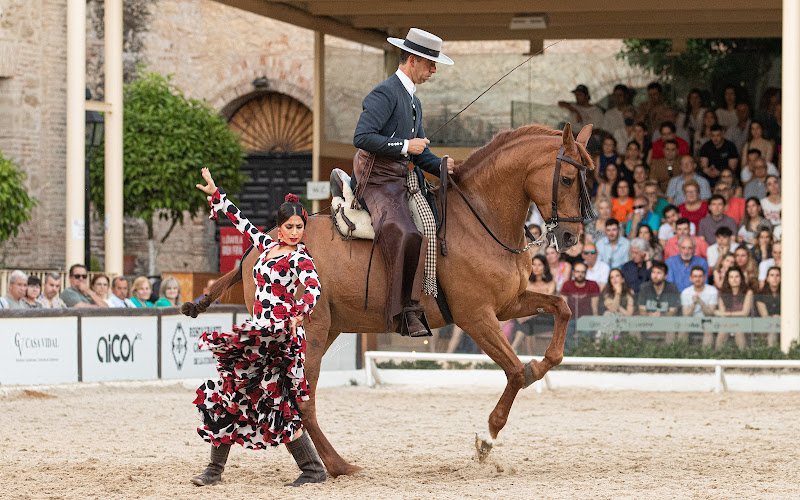
Caballerizas Reales

Rancho San Felipe

Patio de la Plaza de las Tazas
Find Accommodations Nearby
Recommended Tours & Activities
Visitor Reviews
There are no reviews yet. Be the first one to write one.
Share Your Experience
Have you visited Roman Bridge of Córdoba? Help other travelers by leaving a review.