
MAN Museum Augsburg
About MAN Museum Augsburg
Description
The MAN Museum Augsburg sits like a quiet archive of industrial achievement, focusing on the engineering stories that shaped modern Germany. It documents the rise of the MAN company and the development of heavy engines, including displays tied to the invention and evolution of the diesel engine. Visitors who care about machines, manufacturing, or technical history will find the place unusually rewarding — not loud, not flashy, but honest and dense with detail. It is the kind of museum where a single plaque can unlock an entire era of innovation once taken for granted.
This museum centers on original engines, archival drawings, photographs, and industrial artefacts that chart MANs transition from a regional machine works into a European engineering leader. The displays examine social and economic contexts as well as mechanics: how engines were built, why they mattered, and how a company culture of problem solving iterated through the 19th and 20th centuries. There is a particular emphasis on diesel technology and the early work of figures associated with that history, making it a must-see for anyone fascinated by the first diesel engine and how it influenced ships, power plants, commercial vehicles, and factory automation.
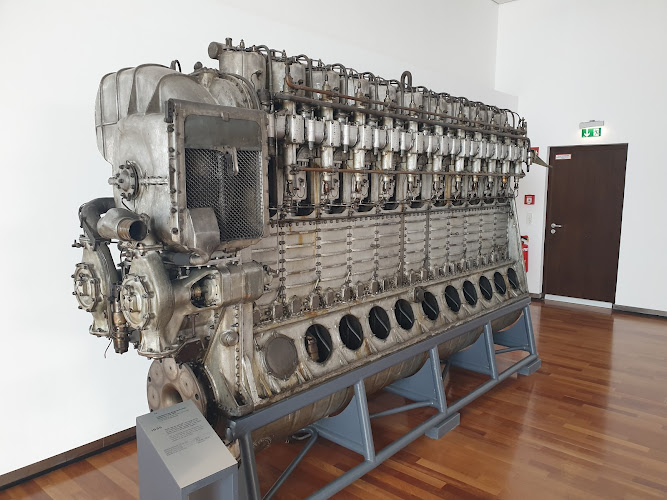
Unlike larger, glossy museums, this one has the atmosphere of a specialized workshop turned exhibition hall. In other words, expect to be close to the machines. The scale of some exhibits surprises people — huge cast-iron engines, crankshafts the size of canoe paddles, and intact components that seem more like sculptures than relics. Many visitors report a real tactile curiosity while exploring: not to touch — because there are rules — but a strong wish to examine every bolt. And that feeling is part of the appeal. It communicates the craft behind engineering, the hands-on problem solving that textbooks sometimes miss.
Operational realities shape the visiting experience: opening hours are by appointment only, so planning ahead is essential. That quirk gives the museum a semi-private feel; when one group gets a guided walkthrough, they often have large spaces mostly to themselves. Guided tours (when available) are run by staff steeped in company and technical history who can turn what might look like dry machinery into lively human stories about engineers, factory workers, and changing technologies. The guides often highlight surprising details — say, a design tweak that saved a company millions or a wartime conversion of civilian engines — and those anecdotes are the ones that stick.
The site has been adapted with accessibility in mind: wheelchair accessible entrances and restrooms, plus accessible parking. That matters, and the museum actually follows through rather than just saying it does. There is Wi-Fi available for visitors who want to look up technical terms or translate German labels on the fly. One pragmatic note: there is no on-site restaurant, so visitors should plan accordingly — snacks or a nearby cafe visit will likely be part of the day.
Contextual exhibits explain how MAN machinery connected to broader historical events. There are displays about commercial vehicles and industrial power systems, and sections that touch on wartime production and rebuilding after conflict. The museum does not shy away from the complex human and political stories tied to industrialization; it frames the engineering achievements within ethical and social contexts rather than presenting them in isolation. That balanced approach is appreciated by many who visit — it feels thoughtful and mature, not celebratory for the sake of celebration.
For photographers and enthusiasts of technical detail, the museum delivers. Lighting is thoughtfully arranged to highlight shapes and textures of metalwork, and many items are preserved so that mechanical linkages are visible, which is rare. Expect to find original plans and models showing design evolution; seeing a series of drawings side-by-side reveals how incremental changes led to major performance improvements. Those discoveries engage both the casual visitor and the mechanically minded professional.
Insider tip for the curious: pay attention to the small glass cases and unassuming labels. Big engines get the headlines, but the tiniest components — bearings, injection nozzles, early carburetors — tell a parallel story of innovation micro-adjustments. These little details are the kind that excite engineers and hobbyists alike, because they show the continuous tinkering that produced reliably functioning power units. A tiny annotation might mention a material change that extended service life by years; to some, that is the emotional core of industrial history.
Service-wise, visitors frequently mention the personable tone of staff during arranged visits. There is a low-key professionalism: staff have deep knowledge and are open to being asked detailed questions. They also respect different visitor interests, tailoring explanations whether someone is after pure technical data, company genealogy, or social history. Because visits are often by appointment, the experience can feel more like a focused workshop session than a crowded museum tour. For many travelers this makes the museum a refreshing counterpoint to blockbuster attractions that rush people through displays.
That said, the museum is not for everyone. If someone expects interactive screens and family amusement-style exhibits, they might be disappointed. This is a place for reading, listening, and looking — for letting technical narratives simmer. The atmosphere rewards patience. Families with kids who already love machines will thrive here, but toddlers on sugar highs might not. The realistic expectation: come prepared to engage intellectually, and plan complementary stops nearby for variety if traveling with mixed interests.
Nearby urban attractions and local eateries often pair well with a museum visit. Travelers who build an itinerary around industrial history or who combine this stop with architectural or historical walks across the city tend to get the most out of the day. And while it’s tempting to cram in too much, many visitors suggest leaving time to sit afterwards, review photos, and read the notes provided in the exhibits. That reflective pause is when the connections between engineering choices and broader history become obvious.
For researchers and specialist visitors, the museum’s archival holdings can be significant. There is a concentration of company documentation, technical blueprints, and photographic records that are not easily found elsewhere. Researchers should inquire in advance about access rules and whether the staff can prepare materials for study; again, the appointment system makes this feasible but requires planning. It is one of those institutions where a little advance communication yields a disproportionately better visit.
Finally, the emotional impression left by the museum tends to be one of respect for craft. Visitors often comment that they left with a renewed appreciation for the mundane genius of everyday machinery that keeps societies running. The MAN Museum Augsburg does not aim to impress by spectacle; its strength is in the quiet power of preserved objects and careful storytelling. If a traveler wants an authentic look into engineering history, along with the chance to ask detailed questions of knowledgeable staff, this museum should be high on the list. Just remember to book ahead, bring curiosity, and wear comfortable shoes — there’s a lot to take in, and it’s worth lingering.
Key Features
More Details
Updated August 29, 2025
Table of Contents
Description
The MAN Museum Augsburg sits like a quiet archive of industrial achievement, focusing on the engineering stories that shaped modern Germany. It documents the rise of the MAN company and the development of heavy engines, including displays tied to the invention and evolution of the diesel engine. Visitors who care about machines, manufacturing, or technical history will find the place unusually rewarding — not loud, not flashy, but honest and dense with detail. It is the kind of museum where a single plaque can unlock an entire era of innovation once taken for granted.
This museum centers on original engines, archival drawings, photographs, and industrial artefacts that chart MANs transition from a regional machine works into a European engineering leader. The displays examine social and economic contexts as well as mechanics: how engines were built, why they mattered, and how a company culture of problem solving iterated through the 19th and 20th centuries. There is a particular emphasis on diesel technology and the early work of figures associated with that history, making it a must-see for anyone fascinated by the first diesel engine and how it influenced ships, power plants, commercial vehicles, and factory automation.
Unlike larger, glossy museums, this one has the atmosphere of a specialized workshop turned exhibition hall. In other words, expect to be close to the machines. The scale of some exhibits surprises people — huge cast-iron engines, crankshafts the size of canoe paddles, and intact components that seem more like sculptures than relics. Many visitors report a real tactile curiosity while exploring: not to touch — because there are rules — but a strong wish to examine every bolt. And that feeling is part of the appeal. It communicates the craft behind engineering, the hands-on problem solving that textbooks sometimes miss.
Operational realities shape the visiting experience: opening hours are by appointment only, so planning ahead is essential. That quirk gives the museum a semi-private feel; when one group gets a guided walkthrough, they often have large spaces mostly to themselves. Guided tours (when available) are run by staff steeped in company and technical history who can turn what might look like dry machinery into lively human stories about engineers, factory workers, and changing technologies. The guides often highlight surprising details — say, a design tweak that saved a company millions or a wartime conversion of civilian engines — and those anecdotes are the ones that stick.
The site has been adapted with accessibility in mind: wheelchair accessible entrances and restrooms, plus accessible parking. That matters, and the museum actually follows through rather than just saying it does. There is Wi-Fi available for visitors who want to look up technical terms or translate German labels on the fly. One pragmatic note: there is no on-site restaurant, so visitors should plan accordingly — snacks or a nearby cafe visit will likely be part of the day.
Contextual exhibits explain how MAN machinery connected to broader historical events. There are displays about commercial vehicles and industrial power systems, and sections that touch on wartime production and rebuilding after conflict. The museum does not shy away from the complex human and political stories tied to industrialization; it frames the engineering achievements within ethical and social contexts rather than presenting them in isolation. That balanced approach is appreciated by many who visit — it feels thoughtful and mature, not celebratory for the sake of celebration.
For photographers and enthusiasts of technical detail, the museum delivers. Lighting is thoughtfully arranged to highlight shapes and textures of metalwork, and many items are preserved so that mechanical linkages are visible, which is rare. Expect to find original plans and models showing design evolution; seeing a series of drawings side-by-side reveals how incremental changes led to major performance improvements. Those discoveries engage both the casual visitor and the mechanically minded professional.
Insider tip for the curious: pay attention to the small glass cases and unassuming labels. Big engines get the headlines, but the tiniest components — bearings, injection nozzles, early carburetors — tell a parallel story of innovation micro-adjustments. These little details are the kind that excite engineers and hobbyists alike, because they show the continuous tinkering that produced reliably functioning power units. A tiny annotation might mention a material change that extended service life by years; to some, that is the emotional core of industrial history.
Service-wise, visitors frequently mention the personable tone of staff during arranged visits. There is a low-key professionalism: staff have deep knowledge and are open to being asked detailed questions. They also respect different visitor interests, tailoring explanations whether someone is after pure technical data, company genealogy, or social history. Because visits are often by appointment, the experience can feel more like a focused workshop session than a crowded museum tour. For many travelers this makes the museum a refreshing counterpoint to blockbuster attractions that rush people through displays.
That said, the museum is not for everyone. If someone expects interactive screens and family amusement-style exhibits, they might be disappointed. This is a place for reading, listening, and looking — for letting technical narratives simmer. The atmosphere rewards patience. Families with kids who already love machines will thrive here, but toddlers on sugar highs might not. The realistic expectation: come prepared to engage intellectually, and plan complementary stops nearby for variety if traveling with mixed interests.
Nearby urban attractions and local eateries often pair well with a museum visit. Travelers who build an itinerary around industrial history or who combine this stop with architectural or historical walks across the city tend to get the most out of the day. And while it’s tempting to cram in too much, many visitors suggest leaving time to sit afterwards, review photos, and read the notes provided in the exhibits. That reflective pause is when the connections between engineering choices and broader history become obvious.
For researchers and specialist visitors, the museum’s archival holdings can be significant. There is a concentration of company documentation, technical blueprints, and photographic records that are not easily found elsewhere. Researchers should inquire in advance about access rules and whether the staff can prepare materials for study; again, the appointment system makes this feasible but requires planning. It is one of those institutions where a little advance communication yields a disproportionately better visit.
Finally, the emotional impression left by the museum tends to be one of respect for craft. Visitors often comment that they left with a renewed appreciation for the mundane genius of everyday machinery that keeps societies running. The MAN Museum Augsburg does not aim to impress by spectacle; its strength is in the quiet power of preserved objects and careful storytelling. If a traveler wants an authentic look into engineering history, along with the chance to ask detailed questions of knowledgeable staff, this museum should be high on the list. Just remember to book ahead, bring curiosity, and wear comfortable shoes — there’s a lot to take in, and it’s worth lingering.
Key Highlights
MAN Museum Augsburg
Location
Places to Stay Near MAN Museum Augsburg
Find and Book a Tour
Explore More Travel Guides
No reviews found! Be the first to review!
Traveler Reviews for MAN Museum Augsburg
There are no reviews yet. Be the first one to write one.
Have you visited MAN Museum Augsburg? Help other travelers by sharing your review.
You Might Also Like

Augsburg Cathedral

Fugger and Welser Erlebnismuseum

St. Peter am Perlach
Find Accommodations Nearby
Recommended Tours & Activities
Visitor Reviews
There are no reviews yet. Be the first one to write one.
Share Your Experience
Have you visited MAN Museum Augsburg? Help other travelers by leaving a review.