
Hochablass
About Hochablass
Description
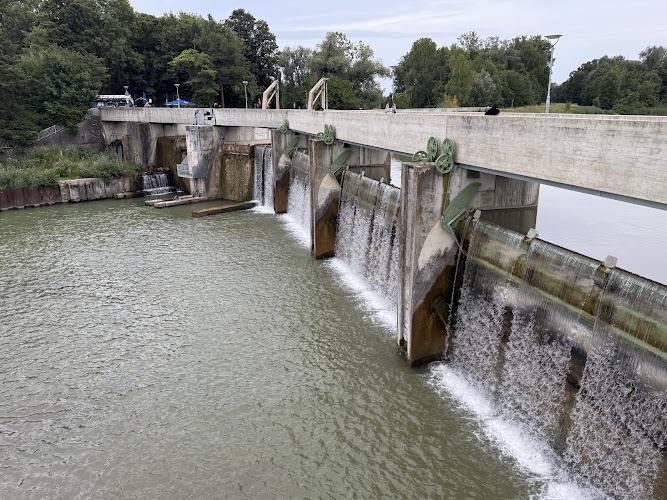
Standing quietly over the Lech River, the Hochablass in Augsburg is one of those places that manages to feel both peaceful and powerful at the same time. It’s not just a dam or a bridge—it’s a piece of living history that’s been shaping the city’s relationship with water for centuries. When one walks across it, there’s this subtle hum of rushing water below, a sound that feels almost meditative. The structure itself, with its elegant ironwork and sturdy design, reflects the engineering pride of late 19th-century Bavaria. And yet, it’s not just for engineers or history buffs; it’s for anyone who loves a good walk with a view, a bit of fresh air, and the kind of spot that makes you pause to breathe it all in.
What makes the Hochablass particularly interesting is that it’s still in use today, regulating the Lech’s water flow and feeding Augsburg’s historic water management system—recognized by UNESCO, by the way. I remember the first time I visited; it was early morning, mist hanging low over the river, and a couple of locals were jogging past me like it was their daily ritual. There’s something grounding about places like this. They’re not flashy, but they hold stories in every rivet and ripple.
Families often stroll along the pathways, kids leaning over the railings to watch the water rush beneath. It’s safe, wheelchair accessible, and surprisingly calm, considering the sheer force of water moving below. The nearby green spaces make it ideal for picnics or a lazy afternoon walk. And if one looks closely, there are small plaques and markers explaining bits of the structure’s history—a nice touch for the curious traveler who likes to know the “why” behind what they’re seeing.
Key Features
- Historic Engineering Marvel: Built in the late 1800s, the Hochablass is a fine example of industrial-age ingenuity that continues to function efficiently today.
- Scenic Views: The panoramic view of the Lech River and surrounding greenery is simply stunning, especially during sunrise or sunset.
- Wheelchair Accessible: Both the entrance and parking areas are designed to accommodate visitors with mobility needs.
- Family-Friendly Atmosphere: Safe walkways and open spaces make it a great spot for families with children.
- Connection to Augsburg’s Water System: The Hochablass plays a vital role in the city’s historic water management network, part of a UNESCO World Heritage Site.
- Walking and Cycling Paths: Well-maintained trails connect the Hochablass to nearby parks and forested areas, perfect for leisurely hikes or bike rides.
- Peaceful Ambiance: Despite being an engineering structure, it’s one of the most tranquil places in Augsburg.
One of the things I personally love is how the Hochablass changes character with the seasons. In summer, it’s lively—cyclists, walkers, and even the occasional street musician. In winter, the icy mist gives it this quiet, almost cinematic feel. It’s the kind of place where you can just stand for a while and let the world slow down a bit.
Best Time to Visit
Honestly, there isn’t a bad time to visit the Hochablass, but each season brings its own charm. Spring and early summer are especially beautiful—the trees along the river burst into shades of green, and the air smells faintly of wildflowers. It’s perfect for photography or just a relaxed stroll. Autumn, on the other hand, paints the entire area in warm golds and reds, and if you’re into that cozy, reflective vibe, this is your season.
Winter can be chilly, sure, but there’s something special about seeing the Lech partially frozen, with a thin layer of snow on the bridge. Just bundle up, maybe grab a hot drink from a nearby café, and you’ll have the place almost to yourself. Early mornings and late afternoons are the best times for light and atmosphere—plus, fewer crowds.
If you’re planning to take photos, try to go just after rainfall or at dawn. The reflections on the water are incredible. And if you’re lucky, you might catch a rainbow forming in the mist from the dam’s flow—it’s rare, but it happens.
How to Get There
Getting to the Hochablass is pretty straightforward. Augsburg’s public transport system is efficient, and several bus and tram lines stop within walking distance of the site. If you’re coming from the city center, it’s a short ride—maybe 15 minutes or so. For those who prefer a more active approach, cycling is a great option. The bike paths leading to the Hochablass are well-marked and scenic, following the river for much of the route.
If you’re driving, there’s accessible parking nearby, and spots are usually available outside of peak weekend hours. I’d recommend arriving early if it’s a sunny day, though—it’s a popular spot with locals. Once you’re there, everything is easy to navigate, with clear signage and paths suitable for all fitness levels. Even if you’re not particularly outdoorsy, it’s a comfortable and rewarding walk.
For those traveling from Munich or other nearby cities, Augsburg is well-connected by train. From the main station, you can hop on a tram that takes you close to the Lech River area. It’s one of those trips that’s as much about the journey as the destination—passing through the charming neighborhoods gives you a nice glimpse of local life before you even arrive.
Tips for Visiting
Here’s the thing about the Hochablass—it’s simple, but that’s exactly what makes it worth visiting. To make the most of your trip, a few practical tips can go a long way:
- Wear Comfortable Shoes: The paths are well-maintained but can get a bit uneven in spots, especially if you wander off toward the forest trails.
- Bring a Camera: Whether you’re into photography or just want a few keepsake shots, the light over the Lech is beautiful throughout the day.
- Check the Weather: It’s an open-air site, so a quick look at the forecast can help you avoid sudden rain showers.
- Pack Light Snacks: There are benches and grassy areas perfect for a small picnic. Just remember to clean up afterward.
- Visit Early or Late: If you prefer a quieter experience, aim for early morning or late evening. The atmosphere is completely different—calmer, more reflective.
- Respect the Site: It’s not just a tourist attraction but a functioning water structure. Stay within designated areas for safety.
- Combine It with Nearby Attractions: The Hochablass is close to several parks and walking trails, so you can easily make a day out of exploring the area.
One small piece of advice from my own experience—don’t rush. It’s tempting to snap a few photos and move on, but the real magic of the Hochablass comes when you take a moment to just stand still. Watch the water. Listen to the hum of the dam. Maybe even chat with a local; they often have stories about how the river has changed over the years. It’s those little moments that stick with you long after you’ve left.
And if you’re traveling with kids, they’ll love it too. There’s something fascinating about watching the water gush through the gates, and the nearby walking paths are safe and stroller-friendly. Plus, the ducks and swans along the riverbank are always a hit with younger visitors.
In the end, the Hochablass isn’t about grand monuments or flashy attractions. It’s about connection—to nature, to history, and to the quiet rhythm of the river that’s been flowing long before any of us came along. For travelers who appreciate places that feel authentic, that tell their story without shouting, this is one of Augsburg’s true gems. And honestly, sometimes that’s exactly what we need—a place that reminds us to slow down, breathe, and just enjoy where we are.
Key Features
- Key Features
- Best Time to Visit
- How to Get There
- Tips for Visiting
More Details
Updated November 9, 2025
Table of Contents
Description
Standing quietly over the Lech River, the Hochablass in Augsburg is one of those places that manages to feel both peaceful and powerful at the same time. It’s not just a dam or a bridge—it’s a piece of living history that’s been shaping the city’s relationship with water for centuries. When one walks across it, there’s this subtle hum of rushing water below, a sound that feels almost meditative. The structure itself, with its elegant ironwork and sturdy design, reflects the engineering pride of late 19th-century Bavaria. And yet, it’s not just for engineers or history buffs; it’s for anyone who loves a good walk with a view, a bit of fresh air, and the kind of spot that makes you pause to breathe it all in.
What makes the Hochablass particularly interesting is that it’s still in use today, regulating the Lech’s water flow and feeding Augsburg’s historic water management system—recognized by UNESCO, by the way. I remember the first time I visited; it was early morning, mist hanging low over the river, and a couple of locals were jogging past me like it was their daily ritual. There’s something grounding about places like this. They’re not flashy, but they hold stories in every rivet and ripple.
Families often stroll along the pathways, kids leaning over the railings to watch the water rush beneath. It’s safe, wheelchair accessible, and surprisingly calm, considering the sheer force of water moving below. The nearby green spaces make it ideal for picnics or a lazy afternoon walk. And if one looks closely, there are small plaques and markers explaining bits of the structure’s history—a nice touch for the curious traveler who likes to know the “why” behind what they’re seeing.
Key Features
- Historic Engineering Marvel: Built in the late 1800s, the Hochablass is a fine example of industrial-age ingenuity that continues to function efficiently today.
- Scenic Views: The panoramic view of the Lech River and surrounding greenery is simply stunning, especially during sunrise or sunset.
- Wheelchair Accessible: Both the entrance and parking areas are designed to accommodate visitors with mobility needs.
- Family-Friendly Atmosphere: Safe walkways and open spaces make it a great spot for families with children.
- Connection to Augsburg’s Water System: The Hochablass plays a vital role in the city’s historic water management network, part of a UNESCO World Heritage Site.
- Walking and Cycling Paths: Well-maintained trails connect the Hochablass to nearby parks and forested areas, perfect for leisurely hikes or bike rides.
- Peaceful Ambiance: Despite being an engineering structure, it’s one of the most tranquil places in Augsburg.
One of the things I personally love is how the Hochablass changes character with the seasons. In summer, it’s lively—cyclists, walkers, and even the occasional street musician. In winter, the icy mist gives it this quiet, almost cinematic feel. It’s the kind of place where you can just stand for a while and let the world slow down a bit.
Best Time to Visit
Honestly, there isn’t a bad time to visit the Hochablass, but each season brings its own charm. Spring and early summer are especially beautiful—the trees along the river burst into shades of green, and the air smells faintly of wildflowers. It’s perfect for photography or just a relaxed stroll. Autumn, on the other hand, paints the entire area in warm golds and reds, and if you’re into that cozy, reflective vibe, this is your season.
Winter can be chilly, sure, but there’s something special about seeing the Lech partially frozen, with a thin layer of snow on the bridge. Just bundle up, maybe grab a hot drink from a nearby café, and you’ll have the place almost to yourself. Early mornings and late afternoons are the best times for light and atmosphere—plus, fewer crowds.
If you’re planning to take photos, try to go just after rainfall or at dawn. The reflections on the water are incredible. And if you’re lucky, you might catch a rainbow forming in the mist from the dam’s flow—it’s rare, but it happens.
How to Get There
Getting to the Hochablass is pretty straightforward. Augsburg’s public transport system is efficient, and several bus and tram lines stop within walking distance of the site. If you’re coming from the city center, it’s a short ride—maybe 15 minutes or so. For those who prefer a more active approach, cycling is a great option. The bike paths leading to the Hochablass are well-marked and scenic, following the river for much of the route.
If you’re driving, there’s accessible parking nearby, and spots are usually available outside of peak weekend hours. I’d recommend arriving early if it’s a sunny day, though—it’s a popular spot with locals. Once you’re there, everything is easy to navigate, with clear signage and paths suitable for all fitness levels. Even if you’re not particularly outdoorsy, it’s a comfortable and rewarding walk.
For those traveling from Munich or other nearby cities, Augsburg is well-connected by train. From the main station, you can hop on a tram that takes you close to the Lech River area. It’s one of those trips that’s as much about the journey as the destination—passing through the charming neighborhoods gives you a nice glimpse of local life before you even arrive.
Tips for Visiting
Here’s the thing about the Hochablass—it’s simple, but that’s exactly what makes it worth visiting. To make the most of your trip, a few practical tips can go a long way:
- Wear Comfortable Shoes: The paths are well-maintained but can get a bit uneven in spots, especially if you wander off toward the forest trails.
- Bring a Camera: Whether you’re into photography or just want a few keepsake shots, the light over the Lech is beautiful throughout the day.
- Check the Weather: It’s an open-air site, so a quick look at the forecast can help you avoid sudden rain showers.
- Pack Light Snacks: There are benches and grassy areas perfect for a small picnic. Just remember to clean up afterward.
- Visit Early or Late: If you prefer a quieter experience, aim for early morning or late evening. The atmosphere is completely different—calmer, more reflective.
- Respect the Site: It’s not just a tourist attraction but a functioning water structure. Stay within designated areas for safety.
- Combine It with Nearby Attractions: The Hochablass is close to several parks and walking trails, so you can easily make a day out of exploring the area.
One small piece of advice from my own experience—don’t rush. It’s tempting to snap a few photos and move on, but the real magic of the Hochablass comes when you take a moment to just stand still. Watch the water. Listen to the hum of the dam. Maybe even chat with a local; they often have stories about how the river has changed over the years. It’s those little moments that stick with you long after you’ve left.
And if you’re traveling with kids, they’ll love it too. There’s something fascinating about watching the water gush through the gates, and the nearby walking paths are safe and stroller-friendly. Plus, the ducks and swans along the riverbank are always a hit with younger visitors.
In the end, the Hochablass isn’t about grand monuments or flashy attractions. It’s about connection—to nature, to history, and to the quiet rhythm of the river that’s been flowing long before any of us came along. For travelers who appreciate places that feel authentic, that tell their story without shouting, this is one of Augsburg’s true gems. And honestly, sometimes that’s exactly what we need—a place that reminds us to slow down, breathe, and just enjoy where we are.
Key Highlights
- Key Features
- Best Time to Visit
- How to Get There
- Tips for Visiting
Location
Places to Stay Near Hochablass
Find and Book a Tour
Explore More Travel Guides
No reviews found! Be the first to review!
Traveler Reviews for Hochablass
There are no reviews yet. Be the first one to write one.
Have you visited Hochablass? Help other travelers by sharing your review.
You Might Also Like

Brechthaus

Augsburg textile and industry museum

Weberhaus Zahnärzte Augsburg | Dr. Kanz & Dres. Weida
Find Accommodations Nearby
Recommended Tours & Activities
Visitor Reviews
There are no reviews yet. Be the first one to write one.
Share Your Experience
Have you visited Hochablass? Help other travelers by leaving a review.