

Brechthaus
About Brechthaus
Description
There’s a certain quiet charm about walking into the Brechthaus in Augsburg. It’s not one of those flashy, over-the-top museums with digital screens shouting for attention. Instead, it feels like stepping into a story—one that began long before most of us were born. This modest, centuries-old house is where Bertolt Brecht, one of Germany’s most influential playwrights and poets, first came into the world. You can almost sense the weight of history in its creaking floors and the faint smell of old wood mixed with ink and paper.
The museum captures Brecht’s early life and creative evolution through carefully chosen exhibits—letters, photographs, manuscripts, and personal items that paint a picture of the man behind the revolutionary ideas. It’s not just for theater buffs, though they’ll probably geek out over the original documents and multimedia pieces that trace his journey from Augsburg to the global stage. Even if you’ve never read one of his plays, there’s something moving about seeing how a young boy from a small German town grew into a voice that changed modern theater forever.
What I personally love about the Brechthaus is how it doesn’t try too hard. It’s small, yes, and some might even call it simple, but that’s part of its magic. You can take your time wandering through the rooms, feeling the intimacy of the space. The curators have done a fine job balancing information with atmosphere—you never feel overwhelmed, just quietly drawn in. Sure, some visitors might wish for more interactive exhibits or modern displays, but honestly, the charm here lies in its authenticity. It’s like visiting an old friend’s home, one filled with stories waiting to be told if you just slow down and listen.
Key Features
- Authentic birthplace: The museum is set in the original 16th-century craftsman’s house where Brecht was born, preserving its historical architecture and character.
- Permanent exhibition: Displays manuscripts, photographs, and personal belongings that trace Brecht’s life from his childhood in Augsburg to his global influence as a playwright.
- Multimedia installations: Short films and audio recordings bring his works and ideas to life, offering insights into his creative process and political thought.
- Literary library: A small but rich collection of Brecht’s writings and related scholarly works for those who want to dive deeper.
- Peaceful atmosphere: Unlike crowded city museums, it offers a quiet, reflective space to connect with history and creativity.
- Guided tours: Available in multiple languages, offering context and anecdotes that make the exhibits even more meaningful.
- Restroom facilities: Conveniently available for visitors, though other amenities are limited.
It’s worth noting that the house isn’t fully accessible for wheelchair users due to its historic structure. That’s a bit of a downside, but the staff are known to be kind and accommodating, always ready to help however they can. You’ll also find that the museum keeps things personal—no big crowds, no long lines, just a few curious minds wandering through the same rooms where Brecht once dreamed up his first ideas.
Best Time to Visit
If you ask me, the best time to visit the Brechthaus is during the shoulder seasons—spring or early autumn. The weather in Augsburg is mild, the city streets are less busy, and you can enjoy a more relaxed pace. In spring, the nearby canals sparkle in the sunlight, and there’s this wonderful freshness in the air that makes exploring the old town a delight. Autumn, on the other hand, brings a golden glow to the Lechviertel district, where the museum is located, and it feels almost cinematic walking those cobblestone lanes.
Weekdays are generally quieter, so if you prefer to take your time reading every placard and soaking in the atmosphere without interruption, go then. Weekends can get busier, especially during cultural festivals or Brecht-related events, but that also adds a certain energy. You might even catch a local performance or reading inspired by his works. And if you happen to visit in February, keep an eye out for the annual Brecht Festival—an entire citywide celebration of his legacy with performances, lectures, and art installations. It’s a treat for anyone even remotely interested in literature or theater.
How to Get There
The Brechthaus sits in Augsburg’s historic old town, an area that’s easy to reach and even easier to fall in love with. If you’re coming from Munich, the train ride takes less than an hour, and from the main station, it’s a pleasant 15-minute walk through charming narrow streets lined with old houses and artisan shops. You can also hop on a tram or bus if you prefer not to walk, though honestly, strolling through the Lechviertel is half the experience.
Driving is possible, but parking can be a headache in the old town’s tight lanes. I once made the mistake of bringing a rental car and ended up circling for twenty minutes before giving up and parking a bit farther out. My advice? Go car-free if you can. Public transport in Augsburg is efficient, and walking lets you discover hidden corners, small cafés, and quirky little shops you’d otherwise miss.
For cyclists, Augsburg is a bike-friendly city, and there are rental stations nearby. Riding along the canals toward the museum is a lovely way to start your visit—just remember to bring a lock, as space near the museum is limited. And if you’re staying overnight in the area, many local hotels offer maps and walking routes that highlight Brecht’s connections to the city, which adds another layer to your visit.
Tips for Visiting
Here’s the thing about the Brechthaus—it’s not a place you rush through. Give yourself at least an hour or two to really take it in. Read the letters, linger over the photographs, and let the atmosphere sink in. If you’re a literature lover, you’ll probably want even more time. Bring a notebook; you might find yourself inspired to jot down thoughts or ideas, just as Brecht once did.
Because the house is old, the rooms can feel a bit cool in winter, so dress warmly if you visit during the colder months. There’s no café inside, but plenty of cozy spots nearby where you can grab a coffee afterward and reflect on what you’ve seen. I usually stop by a small bakery just down the street—it’s one of those places where the locals still greet each other by name—and it always feels like the perfect way to end the visit.
Photography is allowed in most areas, though it’s always polite to check with the staff first. And speaking of the staff, they’re a wealth of knowledge. Don’t hesitate to ask questions—they love sharing stories about Brecht’s life in Augsburg, from his school days to the influences that shaped his writing. You might even learn a few quirky details that aren’t in the displays.
One more tip: if you’re traveling with kids or teens, frame the visit as a story about a boy who grew up to change the world with his words. It makes the experience more relatable and sparks curiosity. The exhibits aren’t flashy, but they’re rich in meaning, and with the right mindset, even younger visitors can find something fascinating here.
All in all, the Brechthaus is one of those places that stays with you. It’s not grand or glamorous, but it’s deeply human—a quiet reminder of how creativity can grow from the most ordinary beginnings. Whether you’re a theater enthusiast, a history buff, or simply someone who enjoys discovering the stories behind a city, this little museum in Augsburg is worth your time. And who knows? Maybe, like me, you’ll leave feeling a little more inspired to tell your own story too.
Key Features
- Key Features
- Best Time to Visit
- How to Get There
- Tips for Visiting
More Details
Updated November 9, 2025
Table of Contents
Description
There’s a certain quiet charm about walking into the Brechthaus in Augsburg. It’s not one of those flashy, over-the-top museums with digital screens shouting for attention. Instead, it feels like stepping into a story—one that began long before most of us were born. This modest, centuries-old house is where Bertolt Brecht, one of Germany’s most influential playwrights and poets, first came into the world. You can almost sense the weight of history in its creaking floors and the faint smell of old wood mixed with ink and paper.
The museum captures Brecht’s early life and creative evolution through carefully chosen exhibits—letters, photographs, manuscripts, and personal items that paint a picture of the man behind the revolutionary ideas. It’s not just for theater buffs, though they’ll probably geek out over the original documents and multimedia pieces that trace his journey from Augsburg to the global stage. Even if you’ve never read one of his plays, there’s something moving about seeing how a young boy from a small German town grew into a voice that changed modern theater forever.
What I personally love about the Brechthaus is how it doesn’t try too hard. It’s small, yes, and some might even call it simple, but that’s part of its magic. You can take your time wandering through the rooms, feeling the intimacy of the space. The curators have done a fine job balancing information with atmosphere—you never feel overwhelmed, just quietly drawn in. Sure, some visitors might wish for more interactive exhibits or modern displays, but honestly, the charm here lies in its authenticity. It’s like visiting an old friend’s home, one filled with stories waiting to be told if you just slow down and listen.
Key Features
- Authentic birthplace: The museum is set in the original 16th-century craftsman’s house where Brecht was born, preserving its historical architecture and character.
- Permanent exhibition: Displays manuscripts, photographs, and personal belongings that trace Brecht’s life from his childhood in Augsburg to his global influence as a playwright.
- Multimedia installations: Short films and audio recordings bring his works and ideas to life, offering insights into his creative process and political thought.
- Literary library: A small but rich collection of Brecht’s writings and related scholarly works for those who want to dive deeper.
- Peaceful atmosphere: Unlike crowded city museums, it offers a quiet, reflective space to connect with history and creativity.
- Guided tours: Available in multiple languages, offering context and anecdotes that make the exhibits even more meaningful.
- Restroom facilities: Conveniently available for visitors, though other amenities are limited.
It’s worth noting that the house isn’t fully accessible for wheelchair users due to its historic structure. That’s a bit of a downside, but the staff are known to be kind and accommodating, always ready to help however they can. You’ll also find that the museum keeps things personal—no big crowds, no long lines, just a few curious minds wandering through the same rooms where Brecht once dreamed up his first ideas.
Best Time to Visit
If you ask me, the best time to visit the Brechthaus is during the shoulder seasons—spring or early autumn. The weather in Augsburg is mild, the city streets are less busy, and you can enjoy a more relaxed pace. In spring, the nearby canals sparkle in the sunlight, and there’s this wonderful freshness in the air that makes exploring the old town a delight. Autumn, on the other hand, brings a golden glow to the Lechviertel district, where the museum is located, and it feels almost cinematic walking those cobblestone lanes.
Weekdays are generally quieter, so if you prefer to take your time reading every placard and soaking in the atmosphere without interruption, go then. Weekends can get busier, especially during cultural festivals or Brecht-related events, but that also adds a certain energy. You might even catch a local performance or reading inspired by his works. And if you happen to visit in February, keep an eye out for the annual Brecht Festival—an entire citywide celebration of his legacy with performances, lectures, and art installations. It’s a treat for anyone even remotely interested in literature or theater.
How to Get There
The Brechthaus sits in Augsburg’s historic old town, an area that’s easy to reach and even easier to fall in love with. If you’re coming from Munich, the train ride takes less than an hour, and from the main station, it’s a pleasant 15-minute walk through charming narrow streets lined with old houses and artisan shops. You can also hop on a tram or bus if you prefer not to walk, though honestly, strolling through the Lechviertel is half the experience.
Driving is possible, but parking can be a headache in the old town’s tight lanes. I once made the mistake of bringing a rental car and ended up circling for twenty minutes before giving up and parking a bit farther out. My advice? Go car-free if you can. Public transport in Augsburg is efficient, and walking lets you discover hidden corners, small cafés, and quirky little shops you’d otherwise miss.
For cyclists, Augsburg is a bike-friendly city, and there are rental stations nearby. Riding along the canals toward the museum is a lovely way to start your visit—just remember to bring a lock, as space near the museum is limited. And if you’re staying overnight in the area, many local hotels offer maps and walking routes that highlight Brecht’s connections to the city, which adds another layer to your visit.
Tips for Visiting
Here’s the thing about the Brechthaus—it’s not a place you rush through. Give yourself at least an hour or two to really take it in. Read the letters, linger over the photographs, and let the atmosphere sink in. If you’re a literature lover, you’ll probably want even more time. Bring a notebook; you might find yourself inspired to jot down thoughts or ideas, just as Brecht once did.
Because the house is old, the rooms can feel a bit cool in winter, so dress warmly if you visit during the colder months. There’s no café inside, but plenty of cozy spots nearby where you can grab a coffee afterward and reflect on what you’ve seen. I usually stop by a small bakery just down the street—it’s one of those places where the locals still greet each other by name—and it always feels like the perfect way to end the visit.
Photography is allowed in most areas, though it’s always polite to check with the staff first. And speaking of the staff, they’re a wealth of knowledge. Don’t hesitate to ask questions—they love sharing stories about Brecht’s life in Augsburg, from his school days to the influences that shaped his writing. You might even learn a few quirky details that aren’t in the displays.
One more tip: if you’re traveling with kids or teens, frame the visit as a story about a boy who grew up to change the world with his words. It makes the experience more relatable and sparks curiosity. The exhibits aren’t flashy, but they’re rich in meaning, and with the right mindset, even younger visitors can find something fascinating here.
All in all, the Brechthaus is one of those places that stays with you. It’s not grand or glamorous, but it’s deeply human—a quiet reminder of how creativity can grow from the most ordinary beginnings. Whether you’re a theater enthusiast, a history buff, or simply someone who enjoys discovering the stories behind a city, this little museum in Augsburg is worth your time. And who knows? Maybe, like me, you’ll leave feeling a little more inspired to tell your own story too.
Key Highlights
- Key Features
- Best Time to Visit
- How to Get There
- Tips for Visiting
Location
Places to Stay Near Brechthaus
Find and Book a Tour
Explore More Travel Guides
No reviews found! Be the first to review!
Traveler Reviews for Brechthaus
There are no reviews yet. Be the first one to write one.
Have you visited Brechthaus? Help other travelers by sharing your review.
You Might Also Like
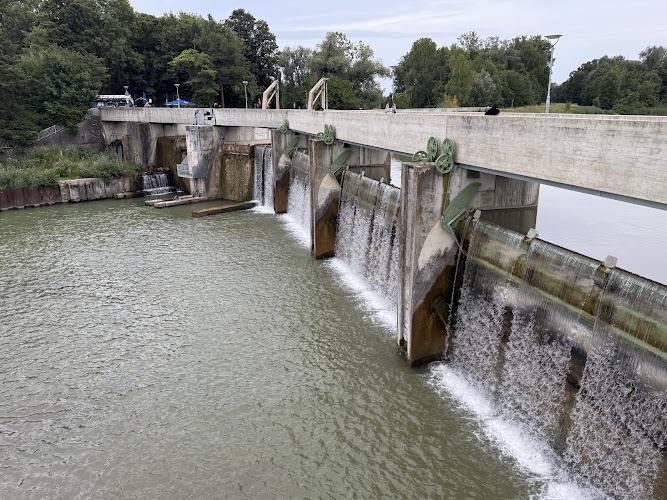
Hochablass

Perlach Tower

Augustusbrunnen
Find Accommodations Nearby
Recommended Tours & Activities
Visitor Reviews
There are no reviews yet. Be the first one to write one.
Share Your Experience
Have you visited Brechthaus? Help other travelers by leaving a review.