Guided Sightseeing Tours & Activities in Lapu-Lapu
- Browse sightseeing excursions and activities in Lapu-Lapu
- Check live availability, rates & traveler reviews on Viator
- Secure online booking with flexible options

The Mactan Shrine stands as a powerful reminder of one of the Philippines’ most significant historical moments – the 1521 Battle of Mactan where Lapu-Lapu, a native chieftain, successfully defended his land against Spanish colonizers led by Ferdinand Magellan.
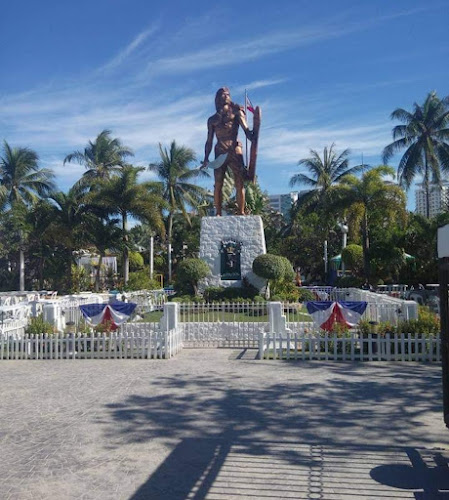
The Mactan Shrine stands as a powerful reminder of one of the Philippines’ most significant historical moments – the 1521 Battle of Mactan where Lapu-Lapu, a native chieftain, successfully defended his land against Spanish colonizers led by Ferdinand Magellan. This memorial park occupies a serene spot on Mactan Island in Cebu, offering visitors more than just a history lesson. It’s honestly one of those places where you can feel the weight of centuries pressing down on you in the best possible way.
When I first visited, I wasn’t expecting much beyond another typical monument. But there’s something about standing in front of that towering bronze statue of Lapu-Lapu – all 20 meters of it – that makes you reconsider what courage and resistance really meant in the 16th century. The shrine itself isn’t massive or overwhelming. It’s actually quite modest compared to other historical sites around Southeast Asia, which somehow makes it feel more authentic and less commercialized.
The grounds include well-maintained green spaces where local families come to relax, and there’s an obelisk marking the spot where Magellan supposedly fell during the battle. Sure, historians debate the exact location, but being there still gives you goosebumps. The park attracts both international tourists seeking to understand Philippine history and locals who simply want a peaceful place to spend an afternoon. It’s become this interesting mix of sacred memorial space and community gathering area.
The Mactan Shrine offers several distinctive elements that make it worth including in your Cebu itinerary:
• A massive bronze statue of Lapu-Lapu depicting the warrior-chief in a heroic stance, sword raised, ready to defend his homeland. The statue was created by Manuel Casal and has become an iconic symbol throughout the Philippines.
• The Magellan Marker, an obelisk erected in 1866 to commemorate where the Portuguese explorer met his end. It’s smaller than you’d expect for someone who led the first circumnavigation of the globe, which feels somewhat fitting given how the battle turned out.
• A painted mural depicting the Battle of Mactan with vivid colors showing the clash between native warriors and Spanish conquistadors. The artwork helps visitors visualize what actually happened on these shores over 500 years ago.
• Vendor stalls selling local handicrafts, souvenirs, and refreshments around the perimeter. You’ll find everything from keychains to handwoven items, though quality varies considerably.
• Well-kept gardens and pathways that make the shrine pleasant for leisurely walks, even when the Cebu heat becomes intense.
• A small museum area with historical information and artifacts, though it’s pretty basic compared to what you might find in larger museums. Still worth a quick look though.
• Photo opportunities everywhere – seriously, this place is incredibly photogenic whether you’re into monuments, tropical greenery, or coastal views.
• Proximity to the beach and ocean, giving the historical site a scenic backdrop that many memorial parks lack.
Timing your visit to Mactan Shrine can make a real difference in your experience. The site is open year-round, but some periods offer better conditions than others.
The dry season from December through May generally provides the most comfortable weather for exploring outdoor historical sites. Temperatures hover around 27-32 degrees Celsius, and you’re less likely to get caught in sudden downpours. But here’s the thing – even during dry months, Cebu can be scorching hot, especially between 11 AM and 3 PM when the sun is directly overhead.
Early mornings between 7 AM and 9 AM tend to be ideal. The heat hasn’t built up yet, the light is perfect for photography, and you’ll encounter fewer crowds. Plus, local vendors are just setting up, so there’s less commotion if you want a contemplative experience.
Late afternoons around 4 PM to 6 PM also work well. The temperature drops slightly, and the golden hour lighting makes everything look magical. I’ve found that this timing attracts more local visitors, which actually adds to the atmosphere rather than detracting from it.
Weekdays are generally quieter than weekends when Filipino families come out for picnics and gatherings. If you prefer a more peaceful visit where you can really absorb the historical significance without navigating through crowds, Monday through Thursday are your best bets.
The rainy season from June to November doesn’t necessarily mean you should avoid the shrine. Rain showers are often brief and intense rather than all-day affairs. And honestly? The shrine looks beautiful after a rain when everything’s been washed clean and the colors pop against gray skies.
April 27th holds special significance as Lapu-Lapu Day, commemorating the battle’s anniversary. The shrine hosts ceremonies and cultural performances on this date, which can be fascinating to witness. Just expect larger crowds and a more festive atmosphere that might not suit everyone’s preferences.
Getting to Mactan Shrine is relatively straightforward, especially since Mactan Island is where Cebu’s international airport is located. Many visitors actually stop by shortly after landing or before their departure, which makes logistical sense.
From Mactan-Cebu International Airport, the shrine sits only about 15-20 minutes away depending on traffic conditions. Taxis are readily available outside the terminal and should cost around 150-200 Philippine pesos. Make sure the driver uses the meter, or agree on a fare before departing to avoid misunderstandings.
Ride-hailing apps like Grab work excellently in this area and often provide more transparent pricing than traditional taxis. The fare typically runs between 100-180 pesos from the airport. I’ve always had good experiences with Grab drivers in Cebu who are professional and know the area well.
If you’re staying in Cebu City proper, across the channel from Mactan Island, the journey takes roughly 30-45 minutes. You’ll cross one of two bridges connecting the island to the mainland. Traffic can be unpredictable, particularly during rush hours around 7-9 AM and 5-7 PM when commuters clog the bridges.
Jeepneys – those colorful public transport vehicles the Philippines is famous for – run routes that pass near the shrine, though figuring out the system takes some local knowledge. If you’re feeling adventurous and want an authentic experience, ask your hotel staff which jeepney route to take. The fare is incredibly cheap, usually just 8-12 pesos, but expect a crowded, slow journey.
Many hotels and resorts on Mactan Island offer the shrine as part of city tour packages, often combined with visits to other attractions like guitar factories or seafood markets. This option works well if you prefer organized transportation and a guide who can provide historical context.
Renting a car isn’t really necessary unless you’re planning extensive exploration around Cebu. Parking can be limited near the shrine, and driving in Philippine traffic requires patience and assertiveness that many tourists find stressful.
A few practical considerations will help you make the most of your time at Mactan Shrine without the frustrations that sometimes catch unprepared visitors.
Bring cash in small denominations. While entrance to the shrine grounds is free, you’ll want money for souvenirs, refreshments, and tips for photo guides who sometimes approach tourists offering to take pictures. Having exact change prevents awkward situations with vendors.
Dress respectfully but comfortably. This is a memorial to a significant historical battle, so extremely revealing clothing isn’t appropriate. That said, you’ll be walking outdoors in tropical heat, so lightweight, breathable fabrics are essential. Comfortable walking shoes matter more than you’d think – the grounds aren’t huge, but you’ll be standing quite a bit.
Sunscreen and a hat are non-negotiable unless you enjoy resembling a lobster. The sun in Cebu is intense, and there’s limited shade around the monument area. I learned this the hard way during my first visit when I underestimated how quickly you can burn near the equator.
Bring water or plan to purchase drinks from vendors. Staying hydrated in the heat prevents the headaches and fatigue that can cut your visit short. The vendors sell cold drinks at reasonable prices, though slightly higher than convenience stores.
Photography is allowed and encouraged throughout the shrine. The Lapu-Lapu statue makes for dramatic photos from various angles. Early morning or late afternoon light creates the most flattering conditions, but honestly, the monument is photogenic at any hour.
Be prepared for vendors and unofficial guides who may approach offering services. A polite “no thank you” usually suffices if you’re not interested. Some visitors appreciate having someone explain the historical context, while others prefer exploring independently. Either approach is perfectly fine.
Allocate about 30-45 minutes for a thorough visit if you want to see everything, read the historical markers, and take photos. Quick visits can be done in 15-20 minutes, but you’ll miss some of the details that make the site meaningful. If you’re a real history enthusiast, you could easily spend over an hour absorbing everything.
Consider combining your shrine visit with nearby attractions. The Liberty Shrine sits close by, and several excellent seafood restaurants line the coastal road. Making an afternoon of it gives you better value for your transportation costs.
Respect the memorial nature of the site. While it’s also a public park where people relax, remember that it commemorates a battle where people died defending their homeland. Keep noise levels reasonable, especially near the monuments and markers.
The restroom facilities are basic but functional. Don’t expect Western-style amenities, and bringing your own tissue or hand sanitizer is wise.
If you’re genuinely interested in the history, do some reading beforehand. The signage at the shrine provides basic information, but understanding the broader context of Spanish colonization and Philippine resistance movements makes the visit much more meaningful. The Battle of Mactan represents one of the earliest successful indigenous resistances to European colonization in Asia, which is pretty remarkable when you think about it.
Watch your belongings, as you should anywhere that attracts tourists. Mactan Shrine isn’t particularly known for theft or pickpocketing, but basic precautions like keeping valuables secure just make sense.
The shrine offers a contemplative space to reflect on courage, resistance, and cultural identity that continues resonating in the Philippines today. It’s not the most elaborate historical site you’ll ever visit, but it represents something important – a moment when seemingly outmatched defenders stood their ground and changed history.
Last modified August 17, 2026
The Mactan Shrine stands as a powerful reminder of one of the Philippines’ most significant historical moments – the 1521 Battle of Mactan where Lapu-Lapu, a native chieftain, successfully defended his land against Spanish colonizers led by Ferdinand Magellan. This memorial park occupies a serene spot on Mactan Island in Cebu, offering visitors more than just a history lesson. It’s honestly one of those places where you can feel the weight of centuries pressing down on you in the best possible way.
When I first visited, I wasn’t expecting much beyond another typical monument. But there’s something about standing in front of that towering bronze statue of Lapu-Lapu – all 20 meters of it – that makes you reconsider what courage and resistance really meant in the 16th century. The shrine itself isn’t massive or overwhelming. It’s actually quite modest compared to other historical sites around Southeast Asia, which somehow makes it feel more authentic and less commercialized.
The grounds include well-maintained green spaces where local families come to relax, and there’s an obelisk marking the spot where Magellan supposedly fell during the battle. Sure, historians debate the exact location, but being there still gives you goosebumps. The park attracts both international tourists seeking to understand Philippine history and locals who simply want a peaceful place to spend an afternoon. It’s become this interesting mix of sacred memorial space and community gathering area.
The Mactan Shrine offers several distinctive elements that make it worth including in your Cebu itinerary:
• A massive bronze statue of Lapu-Lapu depicting the warrior-chief in a heroic stance, sword raised, ready to defend his homeland. The statue was created by Manuel Casal and has become an iconic symbol throughout the Philippines.
• The Magellan Marker, an obelisk erected in 1866 to commemorate where the Portuguese explorer met his end. It’s smaller than you’d expect for someone who led the first circumnavigation of the globe, which feels somewhat fitting given how the battle turned out.
• A painted mural depicting the Battle of Mactan with vivid colors showing the clash between native warriors and Spanish conquistadors. The artwork helps visitors visualize what actually happened on these shores over 500 years ago.
• Vendor stalls selling local handicrafts, souvenirs, and refreshments around the perimeter. You’ll find everything from keychains to handwoven items, though quality varies considerably.
• Well-kept gardens and pathways that make the shrine pleasant for leisurely walks, even when the Cebu heat becomes intense.
• A small museum area with historical information and artifacts, though it’s pretty basic compared to what you might find in larger museums. Still worth a quick look though.
• Photo opportunities everywhere – seriously, this place is incredibly photogenic whether you’re into monuments, tropical greenery, or coastal views.
• Proximity to the beach and ocean, giving the historical site a scenic backdrop that many memorial parks lack.
Timing your visit to Mactan Shrine can make a real difference in your experience. The site is open year-round, but some periods offer better conditions than others.
The dry season from December through May generally provides the most comfortable weather for exploring outdoor historical sites. Temperatures hover around 27-32 degrees Celsius, and you’re less likely to get caught in sudden downpours. But here’s the thing – even during dry months, Cebu can be scorching hot, especially between 11 AM and 3 PM when the sun is directly overhead.
Early mornings between 7 AM and 9 AM tend to be ideal. The heat hasn’t built up yet, the light is perfect for photography, and you’ll encounter fewer crowds. Plus, local vendors are just setting up, so there’s less commotion if you want a contemplative experience.
Late afternoons around 4 PM to 6 PM also work well. The temperature drops slightly, and the golden hour lighting makes everything look magical. I’ve found that this timing attracts more local visitors, which actually adds to the atmosphere rather than detracting from it.
Weekdays are generally quieter than weekends when Filipino families come out for picnics and gatherings. If you prefer a more peaceful visit where you can really absorb the historical significance without navigating through crowds, Monday through Thursday are your best bets.
The rainy season from June to November doesn’t necessarily mean you should avoid the shrine. Rain showers are often brief and intense rather than all-day affairs. And honestly? The shrine looks beautiful after a rain when everything’s been washed clean and the colors pop against gray skies.
April 27th holds special significance as Lapu-Lapu Day, commemorating the battle’s anniversary. The shrine hosts ceremonies and cultural performances on this date, which can be fascinating to witness. Just expect larger crowds and a more festive atmosphere that might not suit everyone’s preferences.
Getting to Mactan Shrine is relatively straightforward, especially since Mactan Island is where Cebu’s international airport is located. Many visitors actually stop by shortly after landing or before their departure, which makes logistical sense.
From Mactan-Cebu International Airport, the shrine sits only about 15-20 minutes away depending on traffic conditions. Taxis are readily available outside the terminal and should cost around 150-200 Philippine pesos. Make sure the driver uses the meter, or agree on a fare before departing to avoid misunderstandings.
Ride-hailing apps like Grab work excellently in this area and often provide more transparent pricing than traditional taxis. The fare typically runs between 100-180 pesos from the airport. I’ve always had good experiences with Grab drivers in Cebu who are professional and know the area well.
If you’re staying in Cebu City proper, across the channel from Mactan Island, the journey takes roughly 30-45 minutes. You’ll cross one of two bridges connecting the island to the mainland. Traffic can be unpredictable, particularly during rush hours around 7-9 AM and 5-7 PM when commuters clog the bridges.
Jeepneys – those colorful public transport vehicles the Philippines is famous for – run routes that pass near the shrine, though figuring out the system takes some local knowledge. If you’re feeling adventurous and want an authentic experience, ask your hotel staff which jeepney route to take. The fare is incredibly cheap, usually just 8-12 pesos, but expect a crowded, slow journey.
Many hotels and resorts on Mactan Island offer the shrine as part of city tour packages, often combined with visits to other attractions like guitar factories or seafood markets. This option works well if you prefer organized transportation and a guide who can provide historical context.
Renting a car isn’t really necessary unless you’re planning extensive exploration around Cebu. Parking can be limited near the shrine, and driving in Philippine traffic requires patience and assertiveness that many tourists find stressful.
A few practical considerations will help you make the most of your time at Mactan Shrine without the frustrations that sometimes catch unprepared visitors.
Bring cash in small denominations. While entrance to the shrine grounds is free, you’ll want money for souvenirs, refreshments, and tips for photo guides who sometimes approach tourists offering to take pictures. Having exact change prevents awkward situations with vendors.
Dress respectfully but comfortably. This is a memorial to a significant historical battle, so extremely revealing clothing isn’t appropriate. That said, you’ll be walking outdoors in tropical heat, so lightweight, breathable fabrics are essential. Comfortable walking shoes matter more than you’d think – the grounds aren’t huge, but you’ll be standing quite a bit.
Sunscreen and a hat are non-negotiable unless you enjoy resembling a lobster. The sun in Cebu is intense, and there’s limited shade around the monument area. I learned this the hard way during my first visit when I underestimated how quickly you can burn near the equator.
Bring water or plan to purchase drinks from vendors. Staying hydrated in the heat prevents the headaches and fatigue that can cut your visit short. The vendors sell cold drinks at reasonable prices, though slightly higher than convenience stores.
Photography is allowed and encouraged throughout the shrine. The Lapu-Lapu statue makes for dramatic photos from various angles. Early morning or late afternoon light creates the most flattering conditions, but honestly, the monument is photogenic at any hour.
Be prepared for vendors and unofficial guides who may approach offering services. A polite “no thank you” usually suffices if you’re not interested. Some visitors appreciate having someone explain the historical context, while others prefer exploring independently. Either approach is perfectly fine.
Allocate about 30-45 minutes for a thorough visit if you want to see everything, read the historical markers, and take photos. Quick visits can be done in 15-20 minutes, but you’ll miss some of the details that make the site meaningful. If you’re a real history enthusiast, you could easily spend over an hour absorbing everything.
Consider combining your shrine visit with nearby attractions. The Liberty Shrine sits close by, and several excellent seafood restaurants line the coastal road. Making an afternoon of it gives you better value for your transportation costs.
Respect the memorial nature of the site. While it’s also a public park where people relax, remember that it commemorates a battle where people died defending their homeland. Keep noise levels reasonable, especially near the monuments and markers.
The restroom facilities are basic but functional. Don’t expect Western-style amenities, and bringing your own tissue or hand sanitizer is wise.
If you’re genuinely interested in the history, do some reading beforehand. The signage at the shrine provides basic information, but understanding the broader context of Spanish colonization and Philippine resistance movements makes the visit much more meaningful. The Battle of Mactan represents one of the earliest successful indigenous resistances to European colonization in Asia, which is pretty remarkable when you think about it.
Watch your belongings, as you should anywhere that attracts tourists. Mactan Shrine isn’t particularly known for theft or pickpocketing, but basic precautions like keeping valuables secure just make sense.
The shrine offers a contemplative space to reflect on courage, resistance, and cultural identity that continues resonating in the Philippines today. It’s not the most elaborate historical site you’ll ever visit, but it represents something important – a moment when seemingly outmatched defenders stood their ground and changed history.

No reviews found! Be the first to review!
Mactan Shrine is a prominent Attractions located in Lapu-Lapu.
Visit us at: Mactan Shrine, Lapu-Lapu City, Cebu, Filippine.
Explore verified points of interest within walking or short transit distance.
No neighboring places mapped within 5 km yet.
Stay22 provides this accommodation search. We may earn a commission if you book through it; verify current prices and terms with the provider.
GetYourGuide provides this tour inventory. We may earn a commission if you book through it; verify current availability, prices, and terms with the provider.
We may earn a commission if you book through links on this page at no extra cost to you. All tours feature verified customer reviews and flexible cancellation options.
No traveler reviews yet. Share your experience below!
No traveler questions yet. Be the first to ask a local!