Monument 4.3 Lapu-Lapu, PhilippinesCommunity Guide

Lapulapu Monument

8268+H43, Punta Engaño Rd, Lapu-Lapu City, 6015 Cebu, フィリピン

Lapulapu Monument
4,090 Photos

About & Overview

Description

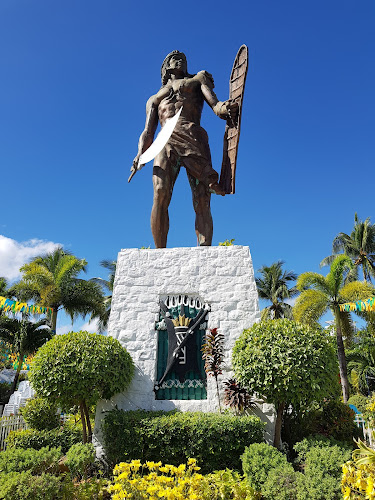
Perched on a seaside plaza in Punta Engaño, the Lapulapu Monument is a striking 20-meter bronze statue that celebrates Datu Lapulapu, the native chieftain who resisted foreign invasion at the Battle of Mactan in 1521. As a travel writer, you’ll appreciate how the monument pairs dramatic island-history with a relaxed coastal atmosphere: broad open lawns, commemorative plaques, and views across the turquoise strait set a contemplative stage for understanding Cebu’s earliest clash with European explorers. The site is part of the larger Mactan Shrine complex, where a smaller Magellan monument and park facilities provide context and photo opportunities. Beyond its historical significance, the monument’s scale and sculptural detail make it an iconic Cebu landmark and a powerful symbol of Filipino resistance and identity. Visit to soak up history, capture sunrise or sunset photos, or join local guided talks and occasional commemorative events that bring the story of Lapulapu to life.

Highlights & Key Features

  • 20-meter bronze statue of Datu Lapulapu
  • Part of the Mactan Shrine complex with Magellan Monument nearby
  • Seafront plaza with views across the Mactan Channel
  • Interpretive plaques and historical information about the Battle of Mactan
  • Open lawns and a local crafts bazaar at times for souvenirs and photos

Visitor Guide & Information

Description

Standing tall at an impressive 20 meters, the Lapulapu Monument commands attention as one of the most significant historical landmarks in the Philippines. This bronze statue honors Datu Lapulapu, the native warrior chieftain who led his men to victory against Portuguese explorer Ferdinand Magellan and Spanish forces during the Battle of Mactan in 1521. It’s a powerful reminder of Filipino resistance and courage that predates the country’s long colonial period.

The monument captures Lapulapu in a defiant stance, shield and kampilan sword raised high, embodying the fighting spirit that would become symbolic of Filipino independence. When visitors first lay eyes on this towering figure, there’s an undeniable sense of awe that washes over them. The sheer scale of the bronze statue against the tropical sky creates quite the photo opportunity, but more importantly, it serves as a tangible connection to a pivotal moment in Philippine history.

What makes this place particularly meaningful is that it stands near the actual site where the historic battle took place. And while some might dismiss it as just another tourist stop, spending time here offers travelers a genuine opportunity to reflect on the indigenous people’s resistance against colonization. The monument area has been developed into a memorial shrine that includes a small park where visitors can walk around and take in views of the surrounding area.

The craftsmanship of the statue itself deserves appreciation. The details in Lapulapu’s traditional warrior attire, the musculature rendered in bronze, and the fierce determination captured in his posture all contribute to making this more than just a simple monument. It’s an artistic interpretation of a historical hero who stood his ground when foreign forces arrived on his shores.

Key Features

The Lapulapu Monument offers several distinctive elements that make it worth adding to any Cebu itinerary:

  • The 20-meter bronze statue depicting Datu Lapulapu in full warrior regalia with traditional weapons
  • Memorial park grounds surrounding the monument with landscaped areas perfect for leisurely walks
  • Wheelchair accessible entrance and parking facilities making it inclusive for all visitors
  • Free parking lot eliminating one of those annoying travel expenses
  • Onsite services including local vendors selling souvenirs and refreshments
  • Educational plaques and markers providing historical context about the Battle of Mactan
  • Proximity to other Mactan historical sites allowing for combined exploration
  • Open-air design offering unobstructed views ideal for photography enthusiasts
  • Family-friendly environment suitable for travelers with children
  • Regular maintenance keeping the grounds clean and presentable

Best Time to Visit

Timing your visit to the Lapulapu Monument can significantly impact your experience, and honestly, there are a few things worth considering before you head out there. The monument is accessible year-round, but the tropical climate of Mactan means you’ll want to plan strategically.

Early morning visits between 6:00 AM and 9:00 AM offer the most comfortable conditions. The temperature hasn’t reached its peak yet, and you’ll encounter fewer crowds competing for that perfect photo in front of the statue. I’ve found that these early hours also provide the best natural lighting for photography, with the morning sun casting dramatic shadows on the bronze figure.

The dry season from December through May generally provides more predictable weather conditions. But here’s the thing – even during the wet season, brief afternoon showers often clear quickly, leaving behind that gorgeous post-rain light that photographers absolutely love. Just keep an umbrella handy if you’re visiting between June and November.

Weekdays tend to be quieter than weekends when local families and tour groups frequent the monument. If you’re someone who prefers a more contemplative experience without constant background chatter, Tuesday through Thursday mornings are your best bet.

Special consideration should be given to visiting around April 27th, when the annual Kadaugan sa Mactan festival commemorates the historic battle. The celebration brings the monument area to life with reenactments, cultural performances, and festivities. It’s crowded, sure, but experiencing the monument during this time provides cultural context you simply can’t get on an ordinary day.

Avoid midday visits between 11:00 AM and 3:00 PM when the sun beats down relentlessly on the open monument area. There’s minimal shade, and the heat reflected off the bronze statue and surrounding pavement can be pretty intense.

How to Get There

Getting to the Lapulapu Monument is straightforward enough, though like most things in the Philippines, it requires a bit of local knowledge to navigate efficiently.

For international visitors, Mactan-Cebu International Airport serves as the primary gateway. And here’s the convenient part – the monument sits right on Mactan Island where the airport is located, making it an easy first or last stop on your Cebu itinerary. The distance from the airport is roughly 7 kilometers, translating to about 15-20 minutes of travel time depending on traffic conditions.

Taxis from the airport offer the most comfortable option. Make sure the driver uses the meter or negotiate a fair price before departing – expect to pay around 150-200 Philippine pesos. Ride-sharing apps like Grab function well in this area and often provide more transparent pricing, which removes that uncomfortable negotiation dance some travelers prefer to avoid.

Public transportation exists in the form of jeepneys, those iconic Filipino vehicles that are equal parts transportation and cultural experience. Look for jeepneys marked with “Mactan” or ask locals for directions, as routes can seem confusing to first-time visitors. The fare is incredibly cheap, usually under 20 pesos, but be prepared for a more crowded, less direct journey.

Many hotels and resorts on Mactan Island offer the monument as part of guided tours or can arrange private transportation. This option works well for travelers who prefer organized itineraries or aren’t comfortable navigating independently.

If you’re already in Cebu City proper, you’ll need to cross either the Marcelo Fernan Bridge or the Mactan-Mandaue Bridge to reach Mactan Island. Taxis, Grab rides, or organized tours can make this journey. Budget approximately 200-350 pesos for a one-way taxi ride from downtown Cebu City, with travel time ranging from 30-45 minutes depending on traffic.

Tips for Visiting

Making the most of your visit to the Lapulapu Monument requires some practical preparation and realistic expectations. Let me share some insights that’ll help enhance your experience there.

Dress appropriately for the weather and respect for the site. Light, breathable clothing is essential given the tropical heat, but remember this is a memorial to a national hero. Casual attire is perfectly acceptable, though beachwear might feel out of place. Comfortable walking shoes are recommended since you’ll be on your feet exploring the grounds.

Bring sun protection because the monument area offers limited shade. A hat, sunglasses, and sunscreen aren’t optional accessories – they’re necessities. I learned this the hard way during my first visit when I underestimated the intensity of the midday sun.

The free parking is genuinely convenient, but spaces can fill up quickly during peak visiting hours and holidays. Arriving early solves this problem while also beating the heat and crowds.

Budget about 30-45 minutes for a thorough visit. While some travelers snap a quick photo and leave, taking time to read the historical markers and walk the grounds provides much richer understanding. The monument tells a story, and rushing through it means missing important context.

Local vendors around the site sell souvenirs, drinks, and snacks. Prices are generally reasonable, though a bit of friendly haggling over souvenirs is expected and actually part of the cultural experience. Supporting these local sellers helps the community while you grab a cold beverage or memento.

Photography is unrestricted, and the monument provides an excellent backdrop for pictures. However, be mindful of other visitors also trying to capture their memories. A little patience and courtesy goes a long way when popular photo spots get crowded.

Consider combining your visit with other nearby historical sites like the Magellan Shrine, which offers the Spanish perspective on the same battle. Seeing both monuments provides a more complete historical narrative and makes efficient use of your time in the area.

The monument is wheelchair accessible, which is commendable for a historical site. Families with young children will find the grounds manageable, though keeping little ones engaged might require some creative storytelling about the history. Most kids respond well to the tale of a brave warrior defending his homeland against invaders.

Stay hydrated throughout your visit. The combination of heat and humidity can be draining, especially if you’re not accustomed to tropical climates. Vendors sell bottled water, but bringing your own is perfectly fine too.

Don’t expect extensive facilities like restrooms or visitor centers on par with monuments in more developed countries. This is a relatively simple memorial site, and managing expectations prevents disappointment. The focus here is on the monument itself and the history it represents rather than elaborate tourist infrastructure.

Respect the site’s historical significance. While it welcomes tourists, the monument holds deep meaning for Filipinos as a symbol of resistance and national pride. Behaving respectfully honors both the memory of Lapulapu and the people who cherish his legacy.

Community & Insider Notes

Last modified March 30, 2026

Description

Standing tall at an impressive 20 meters, the Lapulapu Monument commands attention as one of the most significant historical landmarks in the Philippines. This bronze statue honors Datu Lapulapu, the native warrior chieftain who led his men to victory against Portuguese explorer Ferdinand Magellan and Spanish forces during the Battle of Mactan in 1521. It’s a powerful reminder of Filipino resistance and courage that predates the country’s long colonial period.

The monument captures Lapulapu in a defiant stance, shield and kampilan sword raised high, embodying the fighting spirit that would become symbolic of Filipino independence. When visitors first lay eyes on this towering figure, there’s an undeniable sense of awe that washes over them. The sheer scale of the bronze statue against the tropical sky creates quite the photo opportunity, but more importantly, it serves as a tangible connection to a pivotal moment in Philippine history.

What makes this place particularly meaningful is that it stands near the actual site where the historic battle took place. And while some might dismiss it as just another tourist stop, spending time here offers travelers a genuine opportunity to reflect on the indigenous people’s resistance against colonization. The monument area has been developed into a memorial shrine that includes a small park where visitors can walk around and take in views of the surrounding area.

The craftsmanship of the statue itself deserves appreciation. The details in Lapulapu’s traditional warrior attire, the musculature rendered in bronze, and the fierce determination captured in his posture all contribute to making this more than just a simple monument. It’s an artistic interpretation of a historical hero who stood his ground when foreign forces arrived on his shores.

Key Features

The Lapulapu Monument offers several distinctive elements that make it worth adding to any Cebu itinerary:

  • The 20-meter bronze statue depicting Datu Lapulapu in full warrior regalia with traditional weapons
  • Memorial park grounds surrounding the monument with landscaped areas perfect for leisurely walks
  • Wheelchair accessible entrance and parking facilities making it inclusive for all visitors
  • Free parking lot eliminating one of those annoying travel expenses
  • Onsite services including local vendors selling souvenirs and refreshments
  • Educational plaques and markers providing historical context about the Battle of Mactan
  • Proximity to other Mactan historical sites allowing for combined exploration
  • Open-air design offering unobstructed views ideal for photography enthusiasts
  • Family-friendly environment suitable for travelers with children
  • Regular maintenance keeping the grounds clean and presentable

Best Time to Visit

Timing your visit to the Lapulapu Monument can significantly impact your experience, and honestly, there are a few things worth considering before you head out there. The monument is accessible year-round, but the tropical climate of Mactan means you’ll want to plan strategically.

Early morning visits between 6:00 AM and 9:00 AM offer the most comfortable conditions. The temperature hasn’t reached its peak yet, and you’ll encounter fewer crowds competing for that perfect photo in front of the statue. I’ve found that these early hours also provide the best natural lighting for photography, with the morning sun casting dramatic shadows on the bronze figure.

The dry season from December through May generally provides more predictable weather conditions. But here’s the thing – even during the wet season, brief afternoon showers often clear quickly, leaving behind that gorgeous post-rain light that photographers absolutely love. Just keep an umbrella handy if you’re visiting between June and November.

Weekdays tend to be quieter than weekends when local families and tour groups frequent the monument. If you’re someone who prefers a more contemplative experience without constant background chatter, Tuesday through Thursday mornings are your best bet.

Special consideration should be given to visiting around April 27th, when the annual Kadaugan sa Mactan festival commemorates the historic battle. The celebration brings the monument area to life with reenactments, cultural performances, and festivities. It’s crowded, sure, but experiencing the monument during this time provides cultural context you simply can’t get on an ordinary day.

Avoid midday visits between 11:00 AM and 3:00 PM when the sun beats down relentlessly on the open monument area. There’s minimal shade, and the heat reflected off the bronze statue and surrounding pavement can be pretty intense.

How to Get There

Getting to the Lapulapu Monument is straightforward enough, though like most things in the Philippines, it requires a bit of local knowledge to navigate efficiently.

For international visitors, Mactan-Cebu International Airport serves as the primary gateway. And here’s the convenient part – the monument sits right on Mactan Island where the airport is located, making it an easy first or last stop on your Cebu itinerary. The distance from the airport is roughly 7 kilometers, translating to about 15-20 minutes of travel time depending on traffic conditions.

Taxis from the airport offer the most comfortable option. Make sure the driver uses the meter or negotiate a fair price before departing – expect to pay around 150-200 Philippine pesos. Ride-sharing apps like Grab function well in this area and often provide more transparent pricing, which removes that uncomfortable negotiation dance some travelers prefer to avoid.

Public transportation exists in the form of jeepneys, those iconic Filipino vehicles that are equal parts transportation and cultural experience. Look for jeepneys marked with “Mactan” or ask locals for directions, as routes can seem confusing to first-time visitors. The fare is incredibly cheap, usually under 20 pesos, but be prepared for a more crowded, less direct journey.

Many hotels and resorts on Mactan Island offer the monument as part of guided tours or can arrange private transportation. This option works well for travelers who prefer organized itineraries or aren’t comfortable navigating independently.

If you’re already in Cebu City proper, you’ll need to cross either the Marcelo Fernan Bridge or the Mactan-Mandaue Bridge to reach Mactan Island. Taxis, Grab rides, or organized tours can make this journey. Budget approximately 200-350 pesos for a one-way taxi ride from downtown Cebu City, with travel time ranging from 30-45 minutes depending on traffic.

Tips for Visiting

Making the most of your visit to the Lapulapu Monument requires some practical preparation and realistic expectations. Let me share some insights that’ll help enhance your experience there.

Dress appropriately for the weather and respect for the site. Light, breathable clothing is essential given the tropical heat, but remember this is a memorial to a national hero. Casual attire is perfectly acceptable, though beachwear might feel out of place. Comfortable walking shoes are recommended since you’ll be on your feet exploring the grounds.

Bring sun protection because the monument area offers limited shade. A hat, sunglasses, and sunscreen aren’t optional accessories – they’re necessities. I learned this the hard way during my first visit when I underestimated the intensity of the midday sun.

The free parking is genuinely convenient, but spaces can fill up quickly during peak visiting hours and holidays. Arriving early solves this problem while also beating the heat and crowds.

Budget about 30-45 minutes for a thorough visit. While some travelers snap a quick photo and leave, taking time to read the historical markers and walk the grounds provides much richer understanding. The monument tells a story, and rushing through it means missing important context.

Local vendors around the site sell souvenirs, drinks, and snacks. Prices are generally reasonable, though a bit of friendly haggling over souvenirs is expected and actually part of the cultural experience. Supporting these local sellers helps the community while you grab a cold beverage or memento.

Photography is unrestricted, and the monument provides an excellent backdrop for pictures. However, be mindful of other visitors also trying to capture their memories. A little patience and courtesy goes a long way when popular photo spots get crowded.

Consider combining your visit with other nearby historical sites like the Magellan Shrine, which offers the Spanish perspective on the same battle. Seeing both monuments provides a more complete historical narrative and makes efficient use of your time in the area.

The monument is wheelchair accessible, which is commendable for a historical site. Families with young children will find the grounds manageable, though keeping little ones engaged might require some creative storytelling about the history. Most kids respond well to the tale of a brave warrior defending his homeland against invaders.

Stay hydrated throughout your visit. The combination of heat and humidity can be draining, especially if you’re not accustomed to tropical climates. Vendors sell bottled water, but bringing your own is perfectly fine too.

Don’t expect extensive facilities like restrooms or visitor centers on par with monuments in more developed countries. This is a relatively simple memorial site, and managing expectations prevents disappointment. The focus here is on the monument itself and the history it represents rather than elaborate tourist infrastructure.

Respect the site’s historical significance. While it welcomes tourists, the monument holds deep meaning for Filipinos as a symbol of resistance and national pride. Behaving respectfully honors both the memory of Lapulapu and the people who cherish his legacy.

Key Highlights

  • 20-meter bronze statue of Datu Lapulapu
  • Part of the Mactan Shrine complex with Magellan Monument nearby
  • Seafront plaza with views across the Mactan Channel
  • Interpretive plaques and historical information about the Battle of Mactan
  • Open lawns and a local crafts bazaar at times for souvenirs and photos

Location

Places to Stay Near Lapulapu Monument

Find and Book a Tour

Explore More Travel Guides

No reviews found! Be the first to review!

Select a Rating5 Stars4 Stars3 Stars2 Stars1 Star

Lapulapu Monument is a prominent attractions located in Lapu-Lapu.

Visit us at: 8268+H43, Punta Engaño Rd, Lapu-Lapu City, 6015 Cebu, フィリピン.

Nearby Attractions (Within 5 km)

Explore verified points of interest within walking or short transit distance.

No neighboring places mapped within 5 km yet.

Find Places to Stay Nearby

Stay22 provides this accommodation search. We may earn a commission if you book through it; verify current prices and terms with the provider.

Recommended Experiences & Activities

GetYourGuide provides this tour inventory. We may earn a commission if you book through it; verify current availability, prices, and terms with the provider.

Top Viator Experiences & Guided Tours in Lapu-Lapu

We may earn a commission if you book through links on this page at no extra cost to you. All tours feature verified customer reviews and flexible cancellation options.

Traveler Reviews & Community Q&A

No traveler reviews yet. Share your experience below!

No traveler questions yet. Be the first to ask a local!

Real Journey Travels Community

Reset your password · Create an account