Lake Merritt
About Lake Merritt
Description
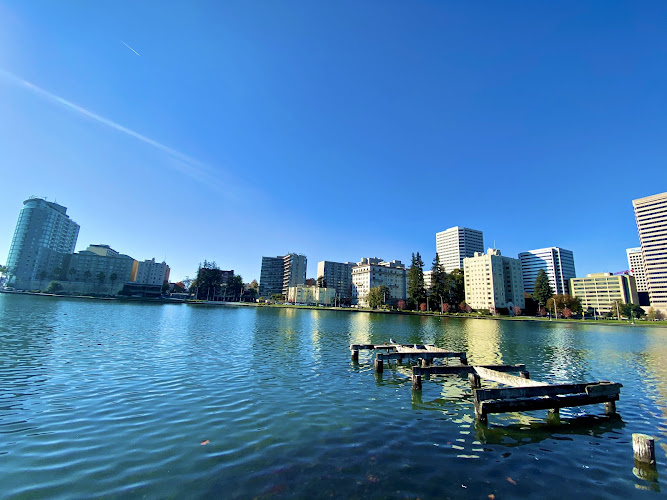
Lake Merritt holds a special place in Oakland's heart, and honestly, once you visit, you'll understand why locals get so attached to it. This isn't your typical mountain lake or hidden wilderness gem – it's a tidal lagoon right in the middle of the city, and that's exactly what makes it so remarkable. The 155-acre body of saltwater connects to the San Francisco Bay through a channel, creating this unique ecosystem that's been attracting visitors since the 1860s. What really strikes you when you first arrive is how the urban landscape and nature somehow coexist without either feeling compromised. You've got joggers circling the 3.4-mile path around the lake, families spreading out picnics on the grass, and birds – oh, the birds – everywhere you look. The parkland surrounding the water creates this buffer zone where the city noise fades just enough that you can actually hear yourself think. I remember my first visit there on a random Tuesday afternoon, and I was genuinely surprised by how many people were just... living their lives around this lake. Not in a touristy way, but in that authentic "this is my neighborhood spot" kind of way. That's part of what makes Lake Merritt worth visiting – you're not just seeing Oakland, you're experiencing how Oakland lives. The lake has this interesting history as the first official wildlife refuge in North America, designated way back in 1870. And while it's evolved over the decades, that commitment to preserving nature within an urban setting still defines the place today. You'll find yourself watching egrets and herons doing their thing just yards away from the street, which creates this surreal juxtaposition that somehow works perfectly.Key Features
The lake offers visitors several distinctive experiences that you won't find easily replicated elsewhere:- A complete 3.4-mile paved walking and jogging path that circles the entire lake, providing constantly changing views and perspectives of both the water and the Oakland skyline
- The Rotary Nature Center and Waterfowl Refuge where visitors can observe dozens of bird species in their natural habitat, with knowledgeable staff who actually seem to enjoy answering questions
- Boating opportunities including gondola rides, paddle boats, kayaks, and canoes available for rent during warmer months – giving you that on-the-water experience without leaving the city
- Children's Fairyland, a storybook theme park that's been charming kids since 1950 and reportedly inspired Walt Disney himself
- The Lake Chalet restaurant situated right on the water, offering dining with views that make you forget you're in an urban setting
- Saturday farmer's market at Grand Lake that brings together local vendors, food trucks, and community members in a weekly gathering that feels quintessentially Oakland
- Garden areas including a bonsai garden and demonstration gardens that showcase different landscaping approaches and plant varieties
- The historic pergola and colonnade structures that provide both architectural interest and practical shade during sunny days
- Lake Merritt Boating Center where you can take sailing lessons or join rowing clubs if you're staying in the area longer
- Free outdoor exercise equipment stations scattered around the path for those who want to add some strength training to their walk
Best Time to Visit
Here's the thing about Lake Merritt – it's honestly enjoyable year-round, but the experience definitely varies depending on when you show up. The Bay Area doesn't have dramatic seasons like other parts of the country, but subtle differences make certain times more appealing than others. Spring months from March through May bring incredible weather and the most active bird life. You'll catch migratory species passing through, and the surrounding gardens burst into bloom. Temperatures typically hover in the comfortable 60s and 70s, and you won't need to layer quite as much as winter months. The Saturday farmer's market becomes particularly lively during spring, with seasonal produce and flowers taking center stage. Summer, especially July through September, offers the warmest weather but also brings the most crowds. Weekends can feel pretty packed with families, joggers, and tourists all sharing the path. But that energy has its own appeal if you don't mind company. Early morning visits during summer months – I'm talking before 9am – give you the best experience. The light is gorgeous for photography, the temperature hasn't peaked yet, and you'll mostly encounter serious walkers and local regulars. Fall presents my personal favorite time to visit. September through November offers what locals call "second summer" when temperatures warm up again after the foggy summer months. The light takes on this golden quality in the afternoon that makes everything look better. Fewer tourists mean more space on the path, and you can actually snag a good picnic spot without strategic planning. Winter shouldn't be written off, though many visitors make that mistake. December through February brings rain, sure, but between storms you get crisp, clear days with incredible visibility. The surrounding hills look green instead of that dried California gold, and honestly, there's something peaceful about having the place less crowded. Just bring a waterproof jacket and embrace the possibility of getting a bit damp. Weekdays almost always provide a calmer experience than weekends regardless of season. If your travel schedule allows flexibility, a Tuesday or Wednesday visit lets you enjoy the lake without navigating quite so many strollers and tour groups.How to Get There
Getting to Lake Merritt is refreshingly straightforward compared to many Bay Area destinations. The lake sits right in downtown Oakland, making it accessible through multiple transportation methods depending on where you're starting from and your personal preferences. If you're staying in San Francisco or anywhere along the BART line, public transit offers probably your easiest option. The Lake Merritt BART station drops you literally at the lake's edge on the east side. From the platform, you walk up the stairs and boom – there's the water. The 12th Street Oakland City Center station also provides close access if you're approaching from that direction. BART runs frequently throughout the day, and the ride from San Francisco takes about 25 minutes depending on your starting station. Driving works too, though parking requires a bit more strategy. Street parking exists around the entire perimeter of the lake, with both metered spots and residential areas where parking is free but time-limited. Read the signs carefully because parking enforcement in Oakland doesn't mess around. The lot near the Lake Chalet restaurant on the northern shore offers convenient paid parking if you prefer guaranteed spots. Weekend mornings, especially, mean arriving early for decent parking options since locals flood the area for their exercise routines. From San Francisco by car, you'll cross the Bay Bridge and take the 580 East/Oakland exit, then follow signs toward downtown Oakland. The drive typically takes 30-40 minutes without traffic, but that "without traffic" qualifier does a lot of heavy lifting in the Bay Area. Budget extra time during rush hours or Friday afternoons. Bike riders will find Oakland generally bike-friendly, with dedicated lanes on many streets leading to the lake. The Bay Bridge now has a bike path if you're ambitious enough to pedal from San Francisco, though that's definitely a longer adventure. Once at the lake, the perimeter path allows bikes, though you'll need to stay aware of pedestrians and keep speeds reasonable. Rideshare services like Uber and Lyft obviously work fine too. Just specify which part of the lake you want – it's big enough that "Lake Merritt" as a destination could drop you anywhere along the 3-mile perimeter.Tips for Visiting
After spending time at Lake Merritt across different seasons and times of day, I've picked up some insights that might save you from rookie mistakes or help you maximize your visit. Bring layers even when the weather forecast looks perfect. That Bay Area microclimate thing is real, and conditions can shift quickly. What starts as a warm sunny morning might turn foggy and windy by afternoon. A light jacket takes up minimal space and saves you from being that shivering person trying to enjoy their picnic. The northern side of the lake near Grand Avenue tends to be more active and developed with restaurants and the farmer's market, while the eastern and southern shores offer quieter spots if you're seeking a more contemplative experience. Each side has its own character, and walking the full perimeter lets you sample different vibes. If you're planning to rent a boat, calling ahead or checking online for hours and availability makes sense, especially during peak summer weekends when rental equipment can be claimed quickly. And honestly, getting out on the water provides a completely different perspective of both the lake and the surrounding city – it's worth the rental fee. Bathrooms exist at several points around the lake, but they're not exactly abundant. The Rotary Nature Center has facilities, as do a few other spots, but plan accordingly if you're walking the full loop with kids. Photography enthusiasts should know that sunset on the western side creates incredible light, with the downtown Oakland buildings reflecting in the water. The golden hour here delivers those Instagram-worthy shots without needing professional equipment. Watch for geese and their droppings on the grass. The birds are charming from a distance but they're also everywhere and not particularly tidy. Pick your picnic spot carefully, and maybe bring something to sit on besides just a blanket. The farmer's market on Saturday mornings gets crowded but offers genuinely good produce and prepared foods. If you're visiting on Saturday, consider grabbing breakfast or lunch ingredients there, then finding a spot by the lake for an impromptu picnic with fresh local food. Don't feed the birds despite how tempting it might be. Signs posted around the lake explain how human food actually harms waterfowl, and enough visitors ignore this that it's become a real problem. Just enjoy watching them in their natural feeding patterns instead. Parking meters accept credit cards now, but keeping some quarters as backup never hurts since technology occasionally fails at inconvenient moments. The full loop is 3.4 miles – keep that in mind if you're walking with young kids or anyone with mobility limitations. You can always do a partial loop and turn back, or there are benches scattered around if rest stops become necessary. Check the event calendar before visiting since Lake Merritt hosts various festivals, runs, and community gatherings throughout the year. These can either enhance your visit or create crowds depending on what you're seeking. The annual Lake Merritt festival in June draws huge crowds but also showcases local culture in ways you won't experience during regular visits. Safety-wise, Lake Merritt is generally fine during daylight hours, but like any urban area, staying aware of your surroundings makes sense. Evening visits as darkness falls warrant more caution, though plenty of people exercise after work year-round.Key Features
- Three-mile Necklace of Lights promenade for walking, running, and biking
- Historic tidal lagoon and early-designated wildlife refuge
- Boathouse with paddleboat and rowboat rentals
- Lakeside parks, picnic areas, and a bonsai garden
- Rich birdlife and regular community events/festivals
More Details
Updated January 16, 2026
Table of Contents
Description
Lake Merritt holds a special place in Oakland’s heart, and honestly, once you visit, you’ll understand why locals get so attached to it. This isn’t your typical mountain lake or hidden wilderness gem – it’s a tidal lagoon right in the middle of the city, and that’s exactly what makes it so remarkable. The 155-acre body of saltwater connects to the San Francisco Bay through a channel, creating this unique ecosystem that’s been attracting visitors since the 1860s.
What really strikes you when you first arrive is how the urban landscape and nature somehow coexist without either feeling compromised. You’ve got joggers circling the 3.4-mile path around the lake, families spreading out picnics on the grass, and birds – oh, the birds – everywhere you look. The parkland surrounding the water creates this buffer zone where the city noise fades just enough that you can actually hear yourself think.
I remember my first visit there on a random Tuesday afternoon, and I was genuinely surprised by how many people were just… living their lives around this lake. Not in a touristy way, but in that authentic “this is my neighborhood spot” kind of way. That’s part of what makes Lake Merritt worth visiting – you’re not just seeing Oakland, you’re experiencing how Oakland lives.
The lake has this interesting history as the first official wildlife refuge in North America, designated way back in 1870. And while it’s evolved over the decades, that commitment to preserving nature within an urban setting still defines the place today. You’ll find yourself watching egrets and herons doing their thing just yards away from the street, which creates this surreal juxtaposition that somehow works perfectly.
Key Features
The lake offers visitors several distinctive experiences that you won’t find easily replicated elsewhere:
- A complete 3.4-mile paved walking and jogging path that circles the entire lake, providing constantly changing views and perspectives of both the water and the Oakland skyline
- The Rotary Nature Center and Waterfowl Refuge where visitors can observe dozens of bird species in their natural habitat, with knowledgeable staff who actually seem to enjoy answering questions
- Boating opportunities including gondola rides, paddle boats, kayaks, and canoes available for rent during warmer months – giving you that on-the-water experience without leaving the city
- Children’s Fairyland, a storybook theme park that’s been charming kids since 1950 and reportedly inspired Walt Disney himself
- The Lake Chalet restaurant situated right on the water, offering dining with views that make you forget you’re in an urban setting
- Saturday farmer’s market at Grand Lake that brings together local vendors, food trucks, and community members in a weekly gathering that feels quintessentially Oakland
- Garden areas including a bonsai garden and demonstration gardens that showcase different landscaping approaches and plant varieties
- The historic pergola and colonnade structures that provide both architectural interest and practical shade during sunny days
- Lake Merritt Boating Center where you can take sailing lessons or join rowing clubs if you’re staying in the area longer
- Free outdoor exercise equipment stations scattered around the path for those who want to add some strength training to their walk
Best Time to Visit
Here’s the thing about Lake Merritt – it’s honestly enjoyable year-round, but the experience definitely varies depending on when you show up. The Bay Area doesn’t have dramatic seasons like other parts of the country, but subtle differences make certain times more appealing than others.
Spring months from March through May bring incredible weather and the most active bird life. You’ll catch migratory species passing through, and the surrounding gardens burst into bloom. Temperatures typically hover in the comfortable 60s and 70s, and you won’t need to layer quite as much as winter months. The Saturday farmer’s market becomes particularly lively during spring, with seasonal produce and flowers taking center stage.
Summer, especially July through September, offers the warmest weather but also brings the most crowds. Weekends can feel pretty packed with families, joggers, and tourists all sharing the path. But that energy has its own appeal if you don’t mind company. Early morning visits during summer months – I’m talking before 9am – give you the best experience. The light is gorgeous for photography, the temperature hasn’t peaked yet, and you’ll mostly encounter serious walkers and local regulars.
Fall presents my personal favorite time to visit. September through November offers what locals call “second summer” when temperatures warm up again after the foggy summer months. The light takes on this golden quality in the afternoon that makes everything look better. Fewer tourists mean more space on the path, and you can actually snag a good picnic spot without strategic planning.
Winter shouldn’t be written off, though many visitors make that mistake. December through February brings rain, sure, but between storms you get crisp, clear days with incredible visibility. The surrounding hills look green instead of that dried California gold, and honestly, there’s something peaceful about having the place less crowded. Just bring a waterproof jacket and embrace the possibility of getting a bit damp.
Weekdays almost always provide a calmer experience than weekends regardless of season. If your travel schedule allows flexibility, a Tuesday or Wednesday visit lets you enjoy the lake without navigating quite so many strollers and tour groups.
How to Get There
Getting to Lake Merritt is refreshingly straightforward compared to many Bay Area destinations. The lake sits right in downtown Oakland, making it accessible through multiple transportation methods depending on where you’re starting from and your personal preferences.
If you’re staying in San Francisco or anywhere along the BART line, public transit offers probably your easiest option. The Lake Merritt BART station drops you literally at the lake’s edge on the east side. From the platform, you walk up the stairs and boom – there’s the water. The 12th Street Oakland City Center station also provides close access if you’re approaching from that direction. BART runs frequently throughout the day, and the ride from San Francisco takes about 25 minutes depending on your starting station.
Driving works too, though parking requires a bit more strategy. Street parking exists around the entire perimeter of the lake, with both metered spots and residential areas where parking is free but time-limited. Read the signs carefully because parking enforcement in Oakland doesn’t mess around. The lot near the Lake Chalet restaurant on the northern shore offers convenient paid parking if you prefer guaranteed spots. Weekend mornings, especially, mean arriving early for decent parking options since locals flood the area for their exercise routines.
From San Francisco by car, you’ll cross the Bay Bridge and take the 580 East/Oakland exit, then follow signs toward downtown Oakland. The drive typically takes 30-40 minutes without traffic, but that “without traffic” qualifier does a lot of heavy lifting in the Bay Area. Budget extra time during rush hours or Friday afternoons.
Bike riders will find Oakland generally bike-friendly, with dedicated lanes on many streets leading to the lake. The Bay Bridge now has a bike path if you’re ambitious enough to pedal from San Francisco, though that’s definitely a longer adventure. Once at the lake, the perimeter path allows bikes, though you’ll need to stay aware of pedestrians and keep speeds reasonable.
Rideshare services like Uber and Lyft obviously work fine too. Just specify which part of the lake you want – it’s big enough that “Lake Merritt” as a destination could drop you anywhere along the 3-mile perimeter.
Tips for Visiting
After spending time at Lake Merritt across different seasons and times of day, I’ve picked up some insights that might save you from rookie mistakes or help you maximize your visit.
Bring layers even when the weather forecast looks perfect. That Bay Area microclimate thing is real, and conditions can shift quickly. What starts as a warm sunny morning might turn foggy and windy by afternoon. A light jacket takes up minimal space and saves you from being that shivering person trying to enjoy their picnic.
The northern side of the lake near Grand Avenue tends to be more active and developed with restaurants and the farmer’s market, while the eastern and southern shores offer quieter spots if you’re seeking a more contemplative experience. Each side has its own character, and walking the full perimeter lets you sample different vibes.
If you’re planning to rent a boat, calling ahead or checking online for hours and availability makes sense, especially during peak summer weekends when rental equipment can be claimed quickly. And honestly, getting out on the water provides a completely different perspective of both the lake and the surrounding city – it’s worth the rental fee.
Bathrooms exist at several points around the lake, but they’re not exactly abundant. The Rotary Nature Center has facilities, as do a few other spots, but plan accordingly if you’re walking the full loop with kids.
Photography enthusiasts should know that sunset on the western side creates incredible light, with the downtown Oakland buildings reflecting in the water. The golden hour here delivers those Instagram-worthy shots without needing professional equipment.
Watch for geese and their droppings on the grass. The birds are charming from a distance but they’re also everywhere and not particularly tidy. Pick your picnic spot carefully, and maybe bring something to sit on besides just a blanket.
The farmer’s market on Saturday mornings gets crowded but offers genuinely good produce and prepared foods. If you’re visiting on Saturday, consider grabbing breakfast or lunch ingredients there, then finding a spot by the lake for an impromptu picnic with fresh local food.
Don’t feed the birds despite how tempting it might be. Signs posted around the lake explain how human food actually harms waterfowl, and enough visitors ignore this that it’s become a real problem. Just enjoy watching them in their natural feeding patterns instead.
Parking meters accept credit cards now, but keeping some quarters as backup never hurts since technology occasionally fails at inconvenient moments.
The full loop is 3.4 miles – keep that in mind if you’re walking with young kids or anyone with mobility limitations. You can always do a partial loop and turn back, or there are benches scattered around if rest stops become necessary.
Check the event calendar before visiting since Lake Merritt hosts various festivals, runs, and community gatherings throughout the year. These can either enhance your visit or create crowds depending on what you’re seeking. The annual Lake Merritt festival in June draws huge crowds but also showcases local culture in ways you won’t experience during regular visits.
Safety-wise, Lake Merritt is generally fine during daylight hours, but like any urban area, staying aware of your surroundings makes sense. Evening visits as darkness falls warrant more caution, though plenty of people exercise after work year-round.
Key Highlights
- Three-mile Necklace of Lights promenade for walking, running, and biking
- Historic tidal lagoon and early-designated wildlife refuge
- Boathouse with paddleboat and rowboat rentals
- Lakeside parks, picnic areas, and a bonsai garden
- Rich birdlife and regular community events/festivals
Location
Places to Stay Near Lake Merritt
Find and Book a Tour
Explore More Travel Guides
No reviews found! Be the first to review!
Traveler Reviews for Lake Merritt
There are no reviews yet. Be the first one to write one.
Have you visited Lake Merritt? Help other travelers by sharing your review.
Nearby Attractions
Find Accommodations Nearby
Recommended Tours & Activities
Visitor Reviews
There are no reviews yet. Be the first one to write one.
Share Your Experience
Have you visited Lake Merritt? Help other travelers by leaving a review.
