Bonsai Garden
About Bonsai Garden
Description
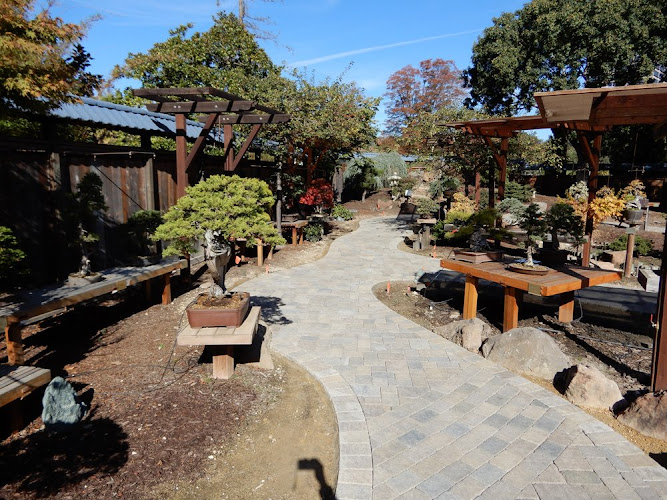
The Bonsai Garden represents one of those rare treasures that travelers stumble upon and immediately want to tell everyone about. This volunteer-run Japanese-style garden offers free admission to visitors who want to experience the meditative art of bonsai cultivation without breaking the bank. And honestly, in today's world where everything seems to cost an arm and a leg, finding a quality attraction that doesn't charge entrance fees feels almost revolutionary. With over 100 miniature bonsai trees carefully curated and maintained by dedicated volunteers, this garden provides an intimate look into the centuries-old practice of growing and shaping these living sculptures. I remember the first time I visited a bonsai collection—the way those tiny trees seemed to hold entire forests within their branches completely changed how I thought about patience and artistry. The specimens here range from young trees just beginning their training to mature examples that have been shaped over many years, each one telling its own story through twisted trunks and carefully pruned branches. What makes this particular garden special is the passion of the volunteers who dedicate their time to maintaining these living works of art. You can feel the care that goes into every aspect of the garden, from the positioning of each tree to the information shared with visitors. The Japanese aesthetic principles of simplicity, asymmetry, and naturalness are evident throughout the space, creating an atmosphere that encourages contemplation and appreciation for the smaller details in life.Key Features
The Bonsai Garden offers several distinctive features that make it worth adding to any traveler's itinerary: • Over 100 meticulously maintained miniature bonsai trees representing various species and styles • Completely free admission, making it accessible to budget-conscious travelers and families • Volunteer-run operation that provides educational insights into bonsai cultivation techniques • Wheelchair accessible entrance and parking facilities ensuring everyone can enjoy the experience • Onsite restroom facilities for visitor convenience during extended visits • Family-friendly environment that introduces children to Japanese horticultural traditions • Peaceful setting perfect for photography enthusiasts and nature lovers • Educational opportunities to learn about different bonsai styles including formal upright, informal upright, cascade, and literati forms • Seasonal variations in the trees' appearance offering different experiences throughout the year • Intimate garden layout that allows close-up viewing of intricate branch structures and root formationsBest Time to Visit
Timing your visit to the Bonsai Garden can significantly enhance your experience, though truthfully, there's never really a bad time to appreciate these miniature masterpieces. Spring stands out as particularly magical when many of the deciduous bonsai burst into delicate blooms or unfurl fresh new leaves. The contrast between ancient-looking bark and vibrant new growth creates photography opportunities that you won't find during other seasons. Summer brings full canopies of green foliage, and while some might think this makes the trees less interesting, I'd argue that's when you can really appreciate the structure created through years of careful pruning. The density of leaves shows off the skill involved in creating those characteristic cloud-like foliage pads. But fair warning—depending on the climate in your area, summer visits might be warm, so plan accordingly with water and sun protection. Fall transforms the garden into something straight out of a painting. Watching a maple bonsai turn brilliant shades of orange and red while still maintaining its miniature proportions feels almost surreal. The volunteers often position trees to take advantage of the changing seasons, creating vignettes that highlight autumn's natural beauty condensed into these small-scale trees. Winter shouldn't be overlooked either. Deciduous trees lose their leaves and reveal the bare bones of their structure—the exact branching patterns and trunk movement that take years to develop. For anyone serious about understanding bonsai design, winter visits provide an education in skeletal architecture. Evergreen species stand out during this season too, their green foliage a reminder that life persists even in dormancy. Weekday mornings tend to be quieter if you prefer a more solitary experience. Weekends can bring families and other visitors, which adds energy but might make contemplative viewing a bit more challenging. However, weekend visits sometimes coincide with volunteer activity, giving you chances to ask questions and learn directly from the people who care for these trees.How to Get There
Getting to the Bonsai Garden is relatively straightforward for most travelers, whether you're driving yourself or relying on alternative transportation methods. The garden provides paid parking on-site, which makes arriving by car convenient despite the parking fees. I know paying for parking when admission is free might seem a bit ironic, but it's generally reasonable and helps support the facility's operations. For those driving, using GPS navigation with the garden's name should get you there without much trouble. The entrance is wheelchair accessible, and the parking lot also accommodates visitors with mobility needs. This thoughtful design means that physical limitations won't prevent anyone from enjoying what the garden offers. Public transportation options depend heavily on your starting location and the local transit system. Checking bus routes and schedules ahead of time saves frustration, especially if you're unfamiliar with the area. Some visitors find that ride-sharing services work well, particularly if you're staying at a hotel or accommodation without a car. If you're the cycling type, bike racks might be available, though you'd want to verify this beforehand. The garden's location typically makes it accessible as part of a larger day of sightseeing, so consider what other attractions or restaurants are nearby when planning your route.Tips for Visiting
Making the most of your Bonsai Garden experience requires a bit of preparation and the right mindset. First off, give yourself more time than you think you'll need. I've seen too many people rush through thinking they can appreciate 100+ bonsai trees in twenty minutes. That's like speed-reading poetry—technically possible but missing the entire point. Budget at least an hour, maybe two if you're genuinely interested in bonsai or photography. Bring a camera or ensure your phone is charged because the photographic opportunities here are exceptional. The miniature scale of bonsai creates interesting compositional challenges. Getting down to eye level with the trees rather than photographing from above produces more engaging images that convey the illusion of full-size trees in miniature landscapes. Don't be shy about asking questions if volunteers are present. These folks are typically passionate about bonsai and happy to share knowledge. I've learned some of my best gardening tricks from casual conversations with people who maintain public gardens. They might explain why a particular branch was wired in a certain direction or how they're developing a tree's nebari (surface roots). Wear comfortable shoes even though the garden isn't huge. You'll be doing more standing and slow walking than you might expect as you examine individual trees. The surfaces are generally accessible, but appropriate footwear makes the experience more pleasant. If you're visiting with children, frame it as a treasure hunt. Challenge them to find the smallest tree, the one with the most interesting trunk, or trees that look like specific animals or shapes. Kids can absolutely appreciate bonsai when given an engaging framework rather than being told to quietly observe. Respect the space and the trees—these are living artworks that take years or even decades to develop. Touching the trees isn't appropriate unless explicitly invited to do so during an educational demonstration. The oils from our hands can actually harm delicate foliage, and careless contact could break branches that took years to position. Consider visiting multiple times across different seasons if you're staying in the area for a while. The seasonal transformations of bonsai offer completely different experiences, and you'll develop a deeper appreciation for the trees when you see them change throughout the year. Bring a notebook if you're interested in starting your own bonsai practice. Sketching trees or jotting down observations helps cement what you're learning. Many visitors get inspired to begin their own bonsai journey after seeing what's possible with patience and skill. Check if the garden offers any workshops or special events. Volunteer-run organizations sometimes host demonstrations, classes, or seasonal displays that provide extra value beyond a regular visit. These events offer hands-on learning opportunities you won't find during standard visiting hours. Finally, consider making a donation even though admission is free. Maintaining over 100 bonsai trees requires significant resources—specialty soil, pots, tools, and expertise. Supporting the volunteers who make this experience possible ensures the garden continues welcoming future visitors who want to discover the peaceful art of bonsai cultivation.Key Features
- Key Features
- Best Time to Visit
- How to Get There
- Tips for Visiting
More Details
Updated January 17, 2026
Table of Contents
Description
The Bonsai Garden represents one of those rare treasures that travelers stumble upon and immediately want to tell everyone about. This volunteer-run Japanese-style garden offers free admission to visitors who want to experience the meditative art of bonsai cultivation without breaking the bank. And honestly, in today’s world where everything seems to cost an arm and a leg, finding a quality attraction that doesn’t charge entrance fees feels almost revolutionary.
With over 100 miniature bonsai trees carefully curated and maintained by dedicated volunteers, this garden provides an intimate look into the centuries-old practice of growing and shaping these living sculptures. I remember the first time I visited a bonsai collection—the way those tiny trees seemed to hold entire forests within their branches completely changed how I thought about patience and artistry. The specimens here range from young trees just beginning their training to mature examples that have been shaped over many years, each one telling its own story through twisted trunks and carefully pruned branches.
What makes this particular garden special is the passion of the volunteers who dedicate their time to maintaining these living works of art. You can feel the care that goes into every aspect of the garden, from the positioning of each tree to the information shared with visitors. The Japanese aesthetic principles of simplicity, asymmetry, and naturalness are evident throughout the space, creating an atmosphere that encourages contemplation and appreciation for the smaller details in life.
Key Features
The Bonsai Garden offers several distinctive features that make it worth adding to any traveler’s itinerary:
• Over 100 meticulously maintained miniature bonsai trees representing various species and styles
• Completely free admission, making it accessible to budget-conscious travelers and families
• Volunteer-run operation that provides educational insights into bonsai cultivation techniques
• Wheelchair accessible entrance and parking facilities ensuring everyone can enjoy the experience
• Onsite restroom facilities for visitor convenience during extended visits
• Family-friendly environment that introduces children to Japanese horticultural traditions
• Peaceful setting perfect for photography enthusiasts and nature lovers
• Educational opportunities to learn about different bonsai styles including formal upright, informal upright, cascade, and literati forms
• Seasonal variations in the trees’ appearance offering different experiences throughout the year
• Intimate garden layout that allows close-up viewing of intricate branch structures and root formations
Best Time to Visit
Timing your visit to the Bonsai Garden can significantly enhance your experience, though truthfully, there’s never really a bad time to appreciate these miniature masterpieces. Spring stands out as particularly magical when many of the deciduous bonsai burst into delicate blooms or unfurl fresh new leaves. The contrast between ancient-looking bark and vibrant new growth creates photography opportunities that you won’t find during other seasons.
Summer brings full canopies of green foliage, and while some might think this makes the trees less interesting, I’d argue that’s when you can really appreciate the structure created through years of careful pruning. The density of leaves shows off the skill involved in creating those characteristic cloud-like foliage pads. But fair warning—depending on the climate in your area, summer visits might be warm, so plan accordingly with water and sun protection.
Fall transforms the garden into something straight out of a painting. Watching a maple bonsai turn brilliant shades of orange and red while still maintaining its miniature proportions feels almost surreal. The volunteers often position trees to take advantage of the changing seasons, creating vignettes that highlight autumn’s natural beauty condensed into these small-scale trees.
Winter shouldn’t be overlooked either. Deciduous trees lose their leaves and reveal the bare bones of their structure—the exact branching patterns and trunk movement that take years to develop. For anyone serious about understanding bonsai design, winter visits provide an education in skeletal architecture. Evergreen species stand out during this season too, their green foliage a reminder that life persists even in dormancy.
Weekday mornings tend to be quieter if you prefer a more solitary experience. Weekends can bring families and other visitors, which adds energy but might make contemplative viewing a bit more challenging. However, weekend visits sometimes coincide with volunteer activity, giving you chances to ask questions and learn directly from the people who care for these trees.
How to Get There
Getting to the Bonsai Garden is relatively straightforward for most travelers, whether you’re driving yourself or relying on alternative transportation methods. The garden provides paid parking on-site, which makes arriving by car convenient despite the parking fees. I know paying for parking when admission is free might seem a bit ironic, but it’s generally reasonable and helps support the facility’s operations.
For those driving, using GPS navigation with the garden’s name should get you there without much trouble. The entrance is wheelchair accessible, and the parking lot also accommodates visitors with mobility needs. This thoughtful design means that physical limitations won’t prevent anyone from enjoying what the garden offers.
Public transportation options depend heavily on your starting location and the local transit system. Checking bus routes and schedules ahead of time saves frustration, especially if you’re unfamiliar with the area. Some visitors find that ride-sharing services work well, particularly if you’re staying at a hotel or accommodation without a car.
If you’re the cycling type, bike racks might be available, though you’d want to verify this beforehand. The garden’s location typically makes it accessible as part of a larger day of sightseeing, so consider what other attractions or restaurants are nearby when planning your route.
Tips for Visiting
Making the most of your Bonsai Garden experience requires a bit of preparation and the right mindset. First off, give yourself more time than you think you’ll need. I’ve seen too many people rush through thinking they can appreciate 100+ bonsai trees in twenty minutes. That’s like speed-reading poetry—technically possible but missing the entire point. Budget at least an hour, maybe two if you’re genuinely interested in bonsai or photography.
Bring a camera or ensure your phone is charged because the photographic opportunities here are exceptional. The miniature scale of bonsai creates interesting compositional challenges. Getting down to eye level with the trees rather than photographing from above produces more engaging images that convey the illusion of full-size trees in miniature landscapes.
Don’t be shy about asking questions if volunteers are present. These folks are typically passionate about bonsai and happy to share knowledge. I’ve learned some of my best gardening tricks from casual conversations with people who maintain public gardens. They might explain why a particular branch was wired in a certain direction or how they’re developing a tree’s nebari (surface roots).
Wear comfortable shoes even though the garden isn’t huge. You’ll be doing more standing and slow walking than you might expect as you examine individual trees. The surfaces are generally accessible, but appropriate footwear makes the experience more pleasant.
If you’re visiting with children, frame it as a treasure hunt. Challenge them to find the smallest tree, the one with the most interesting trunk, or trees that look like specific animals or shapes. Kids can absolutely appreciate bonsai when given an engaging framework rather than being told to quietly observe.
Respect the space and the trees—these are living artworks that take years or even decades to develop. Touching the trees isn’t appropriate unless explicitly invited to do so during an educational demonstration. The oils from our hands can actually harm delicate foliage, and careless contact could break branches that took years to position.
Consider visiting multiple times across different seasons if you’re staying in the area for a while. The seasonal transformations of bonsai offer completely different experiences, and you’ll develop a deeper appreciation for the trees when you see them change throughout the year.
Bring a notebook if you’re interested in starting your own bonsai practice. Sketching trees or jotting down observations helps cement what you’re learning. Many visitors get inspired to begin their own bonsai journey after seeing what’s possible with patience and skill.
Check if the garden offers any workshops or special events. Volunteer-run organizations sometimes host demonstrations, classes, or seasonal displays that provide extra value beyond a regular visit. These events offer hands-on learning opportunities you won’t find during standard visiting hours.
Finally, consider making a donation even though admission is free. Maintaining over 100 bonsai trees requires significant resources—specialty soil, pots, tools, and expertise. Supporting the volunteers who make this experience possible ensures the garden continues welcoming future visitors who want to discover the peaceful art of bonsai cultivation.
Key Highlights
- Key Features
- Best Time to Visit
- How to Get There
- Tips for Visiting
Location
Places to Stay Near Bonsai Garden
Find and Book a Tour
Explore More Travel Guides
No reviews found! Be the first to review!
Traveler Reviews for Bonsai Garden
There are no reviews yet. Be the first one to write one.
Have you visited Bonsai Garden? Help other travelers by sharing your review.
Find Accommodations Nearby
Recommended Tours & Activities
Visitor Reviews
There are no reviews yet. Be the first one to write one.
Share Your Experience
Have you visited Bonsai Garden? Help other travelers by leaving a review.
