About Rotary Nature Center

Description

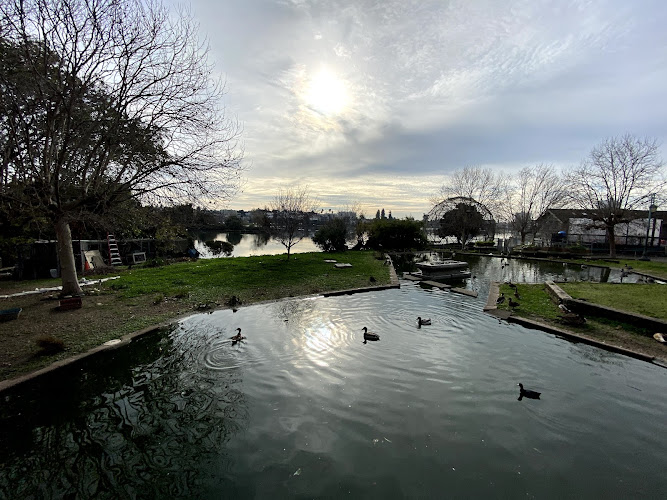
The Rotary Nature Center stands as one of those places that manages to surprise you in the best way possible. Located within Oakland's Lakeside Park, this city-operated facility serves multiple purposes - it's part museum, part educational center, and entirely dedicated to helping visitors connect with the natural world around them. I've always found it fascinating how a relatively modest building can pack so much wonder inside its walls, and this place does exactly that. What makes the Rotary Nature Center particularly special is its focus on local wildlife and ecosystems. You won't find exotic animals shipped in from distant continents here. Instead, the center celebrates the incredible biodiversity that exists right in the Bay Area, with a particular emphasis on bird species and the delicate wetland environments that support them. The facility houses exhibits featuring native animals - many of which have been rescued and can't be released back into the wild - giving visitors an up-close look at creatures they might otherwise only glimpse from afar. The building itself overlooks Lake Merritt, which happens to be the United States' oldest official wildlife refuge, designated way back in 1870. This historical context adds another layer of significance to your visit. When you're standing inside the nature center looking out at the lake, you're not just observing nature - you're witnessing a conservation success story that's been over 150 years in the making. But here's the thing about the Rotary Nature Center that really gets me: it doesn't try to be something it's not. This isn't a sprawling natural history museum with dinosaur skeletons and planetariums. It's an intimate space where families can spend a quality hour or two learning about the environment without feeling overwhelmed. And honestly, sometimes that's exactly what you need.

Key Features

The Rotary Nature Center offers visitors several distinctive elements that make it worth adding to your Oakland itinerary:
  • Live animal displays featuring rescued wildlife including raptors, reptiles, and amphibians native to the region
  • Interactive natural history exhibits that explain Lake Merritt's ecosystem and its importance to migratory birds
  • Floor-to-ceiling windows providing panoramic views of the lake and its resident bird populations
  • Educational programs and guided nature walks led by knowledgeable staff and volunteers
  • A resource library with field guides and educational materials about Bay Area wildlife
  • Hands-on discovery areas where children can touch specimens and learn through tactile experience
  • Seasonal exhibits highlighting different aspects of local ecology throughout the year
  • Free admission, making it an accessible destination for all travelers regardless of budget
  • Adjacent walking paths around Lake Merritt's 3.4-mile perimeter for extended nature observation
  • Naturalist staff available to answer questions and provide insights about local species

Best Time to Visit

Timing your visit to the Rotary Nature Center really depends on what you're hoping to experience, and I've learned this through a few visits myself at different times of year. For bird enthusiasts - and let's face it, that's a huge draw here - the migration seasons are absolutely prime. Fall migration typically runs from September through November, while spring migration happens between March and May. During these windows, Lake Merritt becomes a crucial stopover point for thousands of birds making their way along the Pacific Flyway. I remember visiting one October morning and being genuinely stunned by the sheer number of waterfowl gathered on the lake. The naturalists at the center can help you identify species and explain migration patterns, which adds so much context to what you're seeing. Winter months, particularly December through February, bring their own rewards. This is when you'll spot some species that don't stick around during warmer months. And because the center is indoors, you can comfortably observe birds through those big windows even when it's chilly outside. That said, spring has always been my personal favorite time to visit. The weather in Oakland is generally pleasant, the gardens around the lake are blooming, and there's something hopeful about watching birds prepare for nesting season. Plus, families with kids are often looking for spring break activities, and the center's educational programs tend to be in full swing. Weekday mornings are typically less crowded than weekends, which matters if you prefer a quieter, more contemplative experience. Weekend afternoons can get busy with families, but that energy has its own appeal - kids asking questions and getting excited about animals can be pretty infectious. The center operates on limited hours, typically Wednesday through Sunday, so you'll want to plan accordingly. They're usually open from 10 AM to 5 PM, but these hours can vary seasonally, so checking ahead saves disappointment.

How to Get There

Getting to the Rotary Nature Center is straightforward once you understand that it's located on the northeastern shore of Lake Merritt in Oakland. The facility sits right within Lakeside Park, which borders the lake's edge. If you're driving, parking can be found along Bellevue Avenue and Lakeside Drive. There's street parking available, though it can fill up on nice weekend days when locals flock to the lake for walks and picnics. I've found that arriving earlier in the day generally means easier parking. The center is located near the intersection of Bellevue and Perkins Street, and once you're parked, you'll likely have a short walk to the entrance. Public transportation is genuinely viable for this destination. Oakland's AC Transit system serves the area well, with several bus lines stopping near Lakeside Park. The number 12 bus runs along Lakeside Drive and will get you quite close to the nature center. BART riders can take the Lake Merritt station and then either walk about 15-20 minutes or catch a connecting bus. The walk from BART isn't bad at all when weather cooperates, and you get to see more of the lake as you go. For cyclists, Oakland has been improving its bike infrastructure, and there are bike lanes along many of the streets approaching Lake Merritt. The park has bike racks where you can secure your ride while you explore. If you're staying in San Francisco and making this a day trip, the drive across the Bay Bridge takes about 30 minutes without traffic (though traffic is always a consideration in the Bay Area). Alternatively, taking BART from SF to Oakland is often faster than driving during commute hours.

Tips for Visiting

After spending time at the Rotary Nature Center and talking with other visitors, I've gathered some practical advice that'll help you make the most of your experience. First off, bring binoculars if you have them. While the center provides viewing opportunities, having your own binoculars lets you observe birds on the lake at your own pace. I didn't bring any on my first visit and ended up kicking myself when I saw how much more detail other visitors were catching. The center is relatively small, so don't expect to spend an entire day inside the building itself. Most visitors spend 45 minutes to an hour and a half inside, which is perfect. But combine your visit with a walk around Lake Merritt, and suddenly you've got a lovely half-day or full-day Oakland experience. The loop around the lake is about 3.4 miles and takes you through different neighborhoods and park areas. Photography enthusiasts should know that taking photos inside the center is generally permitted, though flash photography near the animal enclosures is discouraged (for obvious reasons - the animals don't appreciate it). The windows overlooking the lake create fantastic opportunities for bird photography, especially during golden hour. Families with young children will appreciate that the center is stroller-accessible and has restrooms available. There are hands-on elements designed specifically for kids, and the staff is remarkably patient with endless questions from curious children. However, this is still a quiet, educational space, so it might not be ideal for toddlers who are in a particularly energetic mood. Pack some snacks and water because while there aren't food facilities inside the nature center, there are picnic areas nearby where you can take a break. And if you want a proper meal, the Grand Lake neighborhood is just a short walk away with plenty of restaurants and cafes. Don't rush through your visit. I made that mistake the first time, thinking I could quickly see everything and move on to other Oakland attractions. The real magic happens when you slow down, spend time watching the animals, read the interpretive signs carefully, and maybe join one of the informal discussions that naturalists sometimes lead. Ask questions when staff or volunteers are available. These folks are genuinely knowledgeable and passionate about local ecology. I've learned more from casual conversations with naturalists here than from reading multiple guidebooks about Bay Area wildlife. Finally, remember that this is a free facility operated by the city with support from volunteers and donors. If you enjoy your visit, consider making a donation or checking if there are volunteer opportunities if you're a local or extended visitor. Places like this survive because communities value and support them. The Rotary Nature Center might not be Oakland's flashiest tourist destination, but it offers something increasingly rare: a genuine, unpretentious connection with the natural world right in the middle of an urban setting. And sometimes that's worth more than any polished attraction could ever provide.

Key Features

  • Interpretive exhibits about Lake Merritt’s ecology and history
  • Ranger/naturalist-led programs, walks, and summer day camps
  • Family-friendly hands-on displays and educational outreach
  • Prime location inside Lakeside Park with immediate access to lakefront trails and birdwatching
  • Operated by City of Oakland Parks with local history ties (America’s first wildlife refuge)

More Details

Updated January 16, 2026

Description

The Rotary Nature Center stands as one of those places that manages to surprise you in the best way possible. Located within Oakland’s Lakeside Park, this city-operated facility serves multiple purposes – it’s part museum, part educational center, and entirely dedicated to helping visitors connect with the natural world around them. I’ve always found it fascinating how a relatively modest building can pack so much wonder inside its walls, and this place does exactly that.

What makes the Rotary Nature Center particularly special is its focus on local wildlife and ecosystems. You won’t find exotic animals shipped in from distant continents here. Instead, the center celebrates the incredible biodiversity that exists right in the Bay Area, with a particular emphasis on bird species and the delicate wetland environments that support them. The facility houses exhibits featuring native animals – many of which have been rescued and can’t be released back into the wild – giving visitors an up-close look at creatures they might otherwise only glimpse from afar.

The building itself overlooks Lake Merritt, which happens to be the United States’ oldest official wildlife refuge, designated way back in 1870. This historical context adds another layer of significance to your visit. When you’re standing inside the nature center looking out at the lake, you’re not just observing nature – you’re witnessing a conservation success story that’s been over 150 years in the making.

But here’s the thing about the Rotary Nature Center that really gets me: it doesn’t try to be something it’s not. This isn’t a sprawling natural history museum with dinosaur skeletons and planetariums. It’s an intimate space where families can spend a quality hour or two learning about the environment without feeling overwhelmed. And honestly, sometimes that’s exactly what you need.

Key Features

The Rotary Nature Center offers visitors several distinctive elements that make it worth adding to your Oakland itinerary:

  • Live animal displays featuring rescued wildlife including raptors, reptiles, and amphibians native to the region
  • Interactive natural history exhibits that explain Lake Merritt’s ecosystem and its importance to migratory birds
  • Floor-to-ceiling windows providing panoramic views of the lake and its resident bird populations
  • Educational programs and guided nature walks led by knowledgeable staff and volunteers
  • A resource library with field guides and educational materials about Bay Area wildlife
  • Hands-on discovery areas where children can touch specimens and learn through tactile experience
  • Seasonal exhibits highlighting different aspects of local ecology throughout the year
  • Free admission, making it an accessible destination for all travelers regardless of budget
  • Adjacent walking paths around Lake Merritt’s 3.4-mile perimeter for extended nature observation
  • Naturalist staff available to answer questions and provide insights about local species

Best Time to Visit

Timing your visit to the Rotary Nature Center really depends on what you’re hoping to experience, and I’ve learned this through a few visits myself at different times of year.

For bird enthusiasts – and let’s face it, that’s a huge draw here – the migration seasons are absolutely prime. Fall migration typically runs from September through November, while spring migration happens between March and May. During these windows, Lake Merritt becomes a crucial stopover point for thousands of birds making their way along the Pacific Flyway. I remember visiting one October morning and being genuinely stunned by the sheer number of waterfowl gathered on the lake. The naturalists at the center can help you identify species and explain migration patterns, which adds so much context to what you’re seeing.

Winter months, particularly December through February, bring their own rewards. This is when you’ll spot some species that don’t stick around during warmer months. And because the center is indoors, you can comfortably observe birds through those big windows even when it’s chilly outside.

That said, spring has always been my personal favorite time to visit. The weather in Oakland is generally pleasant, the gardens around the lake are blooming, and there’s something hopeful about watching birds prepare for nesting season. Plus, families with kids are often looking for spring break activities, and the center’s educational programs tend to be in full swing.

Weekday mornings are typically less crowded than weekends, which matters if you prefer a quieter, more contemplative experience. Weekend afternoons can get busy with families, but that energy has its own appeal – kids asking questions and getting excited about animals can be pretty infectious.

The center operates on limited hours, typically Wednesday through Sunday, so you’ll want to plan accordingly. They’re usually open from 10 AM to 5 PM, but these hours can vary seasonally, so checking ahead saves disappointment.

How to Get There

Getting to the Rotary Nature Center is straightforward once you understand that it’s located on the northeastern shore of Lake Merritt in Oakland. The facility sits right within Lakeside Park, which borders the lake’s edge.

If you’re driving, parking can be found along Bellevue Avenue and Lakeside Drive. There’s street parking available, though it can fill up on nice weekend days when locals flock to the lake for walks and picnics. I’ve found that arriving earlier in the day generally means easier parking. The center is located near the intersection of Bellevue and Perkins Street, and once you’re parked, you’ll likely have a short walk to the entrance.

Public transportation is genuinely viable for this destination. Oakland’s AC Transit system serves the area well, with several bus lines stopping near Lakeside Park. The number 12 bus runs along Lakeside Drive and will get you quite close to the nature center. BART riders can take the Lake Merritt station and then either walk about 15-20 minutes or catch a connecting bus. The walk from BART isn’t bad at all when weather cooperates, and you get to see more of the lake as you go.

For cyclists, Oakland has been improving its bike infrastructure, and there are bike lanes along many of the streets approaching Lake Merritt. The park has bike racks where you can secure your ride while you explore.

If you’re staying in San Francisco and making this a day trip, the drive across the Bay Bridge takes about 30 minutes without traffic (though traffic is always a consideration in the Bay Area). Alternatively, taking BART from SF to Oakland is often faster than driving during commute hours.

Tips for Visiting

After spending time at the Rotary Nature Center and talking with other visitors, I’ve gathered some practical advice that’ll help you make the most of your experience.

First off, bring binoculars if you have them. While the center provides viewing opportunities, having your own binoculars lets you observe birds on the lake at your own pace. I didn’t bring any on my first visit and ended up kicking myself when I saw how much more detail other visitors were catching.

The center is relatively small, so don’t expect to spend an entire day inside the building itself. Most visitors spend 45 minutes to an hour and a half inside, which is perfect. But combine your visit with a walk around Lake Merritt, and suddenly you’ve got a lovely half-day or full-day Oakland experience. The loop around the lake is about 3.4 miles and takes you through different neighborhoods and park areas.

Photography enthusiasts should know that taking photos inside the center is generally permitted, though flash photography near the animal enclosures is discouraged (for obvious reasons – the animals don’t appreciate it). The windows overlooking the lake create fantastic opportunities for bird photography, especially during golden hour.

Families with young children will appreciate that the center is stroller-accessible and has restrooms available. There are hands-on elements designed specifically for kids, and the staff is remarkably patient with endless questions from curious children. However, this is still a quiet, educational space, so it might not be ideal for toddlers who are in a particularly energetic mood.

Pack some snacks and water because while there aren’t food facilities inside the nature center, there are picnic areas nearby where you can take a break. And if you want a proper meal, the Grand Lake neighborhood is just a short walk away with plenty of restaurants and cafes.

Don’t rush through your visit. I made that mistake the first time, thinking I could quickly see everything and move on to other Oakland attractions. The real magic happens when you slow down, spend time watching the animals, read the interpretive signs carefully, and maybe join one of the informal discussions that naturalists sometimes lead.

Ask questions when staff or volunteers are available. These folks are genuinely knowledgeable and passionate about local ecology. I’ve learned more from casual conversations with naturalists here than from reading multiple guidebooks about Bay Area wildlife.

Finally, remember that this is a free facility operated by the city with support from volunteers and donors. If you enjoy your visit, consider making a donation or checking if there are volunteer opportunities if you’re a local or extended visitor. Places like this survive because communities value and support them.

The Rotary Nature Center might not be Oakland’s flashiest tourist destination, but it offers something increasingly rare: a genuine, unpretentious connection with the natural world right in the middle of an urban setting. And sometimes that’s worth more than any polished attraction could ever provide.

Key Highlights

  • Interpretive exhibits about Lake Merritt’s ecology and history
  • Ranger/naturalist-led programs, walks, and summer day camps
  • Family-friendly hands-on displays and educational outreach
  • Prime location inside Lakeside Park with immediate access to lakefront trails and birdwatching
  • Operated by City of Oakland Parks with local history ties (America’s first wildlife refuge)

Location

Places to Stay Near Rotary Nature Center

Find and Book a Tour

Explore More Travel Guides

No reviews found! Be the first to review!

Traveler Reviews for Rotary Nature Center

There are no reviews yet. Be the first one to write one.

Share Your Experience

Have you visited Rotary Nature Center? Help other travelers by sharing your review.

Nearby Attractions

Lake Merritt (lakefront promenades and birdwatching) Lakeside Park and Gardens (including lawn bowling and picnic areas) Oakland Museum of California (short drive or transit ride away)

Find Accommodations Nearby

Recommended Tours & Activities

Visitor Reviews

There are no reviews yet. Be the first one to write one.

Share Your Experience

Have you visited Rotary Nature Center? Help other travelers by leaving a review.