
Khaptad National Park
About Khaptad National Park
Description
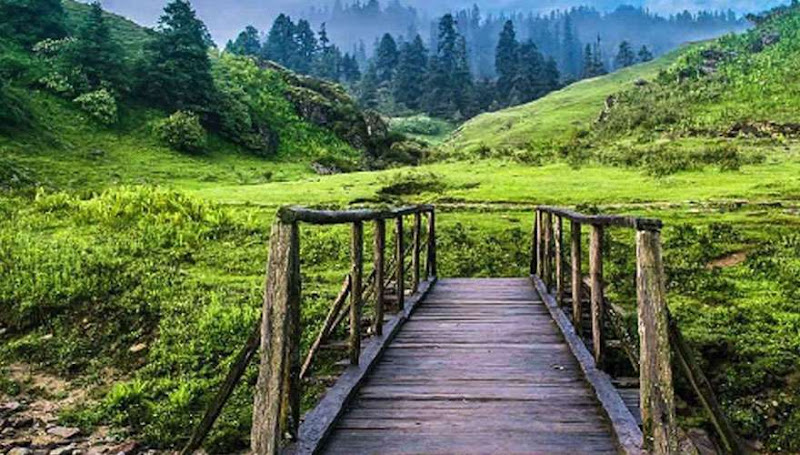
Khaptad National Park stands as western Nepal's only mid-mountain national park, covering an impressive 225 square kilometers across four districts: Bajhang, Bajura, Achham, and Doti. Established in 1984 on the advice of the revered holy man Khaptad Baba, this remarkable protected area ranges from 1,400 to 3,300 meters in elevation, creating diverse ecosystems that'll leave nature enthusiasts absolutely mesmerized.
What makes Khaptad truly special isn't just its size – though that's certainly impressive – but the incredible biodiversity packed into every corner. You're looking at 567 species of flora, including over 224 types of medicinal plants that have been used in traditional healing for centuries. And honestly, when I think about places where spirituality meets conservation, this park hits different than most destinations.
The late Khaptad Swami moved to this area in the 1940s to meditate and worship, and his presence transformed the region into a sacred space that continues to attract Hindu pilgrims today. The renowned Khaptad Baba Ashram near the park headquarters becomes particularly busy during the full moon of July-August when devotees come to worship Shiva. But even if you're not on a spiritual journey, the park's natural beauty and tranquil atmosphere create an experience that feels almost therapeutic.
Key Features
This park packs more natural wonders than you might expect from a single destination. Here's what makes Khaptad National Park genuinely worth the journey:
- Diverse Wildlife Population: Over 270 bird species call this place home, alongside mammals like barking deer, wild boar, and the elusive black bear. Wildlife viewing here requires patience, but the rewards are incredible.
- Extensive Medicinal Plant Collection: The park's herb garden contains 224 documented medicinal plant species, making it a living pharmacy that traditional healers have relied on for generations.
- Sub-Alpine Forest Ecosystems: The elevation changes create distinct ecological zones, from subtropical forests to alpine meadows that look like something from a fairy tale.
- Historical Religious Sites: Sahashra Linga, the park's highest point, offers both spiritual significance and breathtaking panoramic views of the surrounding landscape.
- Family-Friendly Facilities: Picnic tables, barbecue grills, and kid-friendly hiking trails make this an excellent destination for families looking to introduce children to Nepal's natural heritage.
- Multi-Day Trekking Routes: Well-established trekking paths ranging from 7 to 15 days offer adventurous travelers the chance to explore remote corners of the park.
- Buffer Zone Protection: The 216 square kilometer buffer zone declared in 2006 helps protect the core ecosystem while supporting local communities.
Best Time to Visit
Timing your visit to Khaptad National Park can make or break your experience, and trust me on this one – weather patterns in Nepal's mountains don't mess around. The absolute sweet spot for visiting falls between October and March when clear skies and comfortable temperatures create ideal conditions for hiking and wildlife observation.
October through November offers what locals consider the perfect window. The monsoon rains have cleared out, leaving behind lush green landscapes and crystal-clear mountain views. Temperatures hover around a comfortable range during the day, though you'll want to pack warm layers for chilly evenings. This period also coincides with many Hindu festivals, so you might catch some cultural celebrations if you're lucky.
December through February brings cooler weather but absolutely stunning clarity. The trade-off here is that higher elevations might experience frost or even snow, which can make some trails challenging but creates absolutely magical scenery. If you're someone who loves crisp mountain air and doesn't mind bundling up, winter visits offer fewer crowds and incredible photo opportunities.
Spring months from March to May present another excellent option, especially for wildflower enthusiasts. The medicinal plants and alpine flowers begin blooming, transforming meadows into natural gardens. However, visibility can become hazy as pre-monsoon heat builds up in the valleys.
I'd strongly recommend avoiding June through September unless you're particularly fond of leeches and muddy trails. The monsoon season turns paths into slip-and-slide adventures that aren't nearly as fun as they sound. Plus, heavy clouds obscure mountain views that you've probably traveled quite far to see.
How to Get There
Getting to Khaptad National Park requires some planning since it's not exactly accessible by tourist bus from Kathmandu. But honestly, the journey becomes part of the adventure when you approach it with the right mindset.
Your starting point will likely be Kathmandu, from where you'll need to fly to Dhangadhi Airport in the far-western region. Several domestic airlines operate this route, though flights can be subject to weather delays – something you learn to expect when traveling in Nepal's mountains. From Dhangadhi, the real adventure begins with a road journey that'll take approximately 6-8 hours depending on road conditions and your tolerance for winding mountain roads.
The drive from Dhangadhi follows a route through Doti district, passing through small towns and rural communities that offer glimpses into traditional Nepali life. Road conditions can be challenging, especially during monsoon season when landslides occasionally block passages. A sturdy vehicle with experienced driver becomes essential rather than optional.
Alternative access points exist through other districts, but these routes typically require even longer travel times and more complex logistics. Some adventurous travelers choose to approach through Bajhang or Bajura districts, but these paths demand more time and careful planning with local guides.
Once you reach the park boundary, you'll need to register at the entrance gate and pay applicable fees. The park headquarters provides basic information, maps, and can help arrange local guides if you haven't already made arrangements. And speaking of arrangements – booking accommodation in advance becomes crucial since options remain limited compared to more popular trekking destinations.
Tips for Visiting
Visiting Khaptad National Park isn't like showing up at Yellowstone with your RV and expecting full amenities. This place requires some preparation, but the effort pays off in authentic experiences that you simply can't find in more developed destinations.
Pack layers and pack smart. Mountain weather changes faster than you'd expect, and elevation differences within the park create distinct microclimates. I'm talking everything from warm jackets for early morning starts to lighter clothes for afternoon hiking. A good rain jacket belongs in your pack regardless of season because mountain weather loves to surprise visitors.
Bring your own food supplies if you're planning extended stays or have specific dietary requirements. While basic meals are available near the park headquarters, options become extremely limited once you venture into remote areas. Energy bars, nuts, and other non-perishable snacks can be lifesavers during long hiking days.
Water purification tablets or a reliable filtration system are absolutely essential. Natural water sources exist throughout the park, but treating water prevents potential stomach issues that could ruin your entire trip. Trust me – spending a few dollars on purification tablets beats spending days feeling miserable.
Hiring a local guide isn't just recommended, it's practically necessary for anything beyond basic day hikes. Local guides know current trail conditions, wildlife movement patterns, and can share cultural insights about the region's history and traditions. Plus, guide fees directly support local communities that help protect the park.
Respect the spiritual significance of sites within the park, especially around the ashram and religious monuments. Photography might be restricted in certain areas, and appropriate dress codes apply near sacred sites. When in doubt, ask your guide or local residents about proper etiquette.
Cash is king in this region – credit cards and digital payments aren't options. Bring enough Nepali rupees to cover park fees, guide payments, accommodation, and meals for your entire stay. The nearest ATMs are hours away by road.
Finally, manage your expectations about connectivity. Cell phone coverage remains spotty throughout most of the park, and internet access is practically nonexistent. Consider this a digital detox opportunity rather than an inconvenience. Sometimes the best travel experiences happen when you're forced to disconnect from the online world and engage fully with the natural one surrounding you.
Key Features
- Key Features
- Best Time to Visit
- How to Get There
- Tips for Visiting
More Details
Updated September 17, 2025
Table of Contents
Description
Khaptad National Park stands as western Nepal’s only mid-mountain national park, covering an impressive 225 square kilometers across four districts: Bajhang, Bajura, Achham, and Doti. Established in 1984 on the advice of the revered holy man Khaptad Baba, this remarkable protected area ranges from 1,400 to 3,300 meters in elevation, creating diverse ecosystems that’ll leave nature enthusiasts absolutely mesmerized.
What makes Khaptad truly special isn’t just its size – though that’s certainly impressive – but the incredible biodiversity packed into every corner. You’re looking at 567 species of flora, including over 224 types of medicinal plants that have been used in traditional healing for centuries. And honestly, when I think about places where spirituality meets conservation, this park hits different than most destinations.
The late Khaptad Swami moved to this area in the 1940s to meditate and worship, and his presence transformed the region into a sacred space that continues to attract Hindu pilgrims today. The renowned Khaptad Baba Ashram near the park headquarters becomes particularly busy during the full moon of July-August when devotees come to worship Shiva. But even if you’re not on a spiritual journey, the park’s natural beauty and tranquil atmosphere create an experience that feels almost therapeutic.
Key Features
This park packs more natural wonders than you might expect from a single destination. Here’s what makes Khaptad National Park genuinely worth the journey:
- Diverse Wildlife Population: Over 270 bird species call this place home, alongside mammals like barking deer, wild boar, and the elusive black bear. Wildlife viewing here requires patience, but the rewards are incredible.
- Extensive Medicinal Plant Collection: The park’s herb garden contains 224 documented medicinal plant species, making it a living pharmacy that traditional healers have relied on for generations.
- Sub-Alpine Forest Ecosystems: The elevation changes create distinct ecological zones, from subtropical forests to alpine meadows that look like something from a fairy tale.
- Historical Religious Sites: Sahashra Linga, the park’s highest point, offers both spiritual significance and breathtaking panoramic views of the surrounding landscape.
- Family-Friendly Facilities: Picnic tables, barbecue grills, and kid-friendly hiking trails make this an excellent destination for families looking to introduce children to Nepal’s natural heritage.
- Multi-Day Trekking Routes: Well-established trekking paths ranging from 7 to 15 days offer adventurous travelers the chance to explore remote corners of the park.
- Buffer Zone Protection: The 216 square kilometer buffer zone declared in 2006 helps protect the core ecosystem while supporting local communities.
Best Time to Visit
Timing your visit to Khaptad National Park can make or break your experience, and trust me on this one – weather patterns in Nepal’s mountains don’t mess around. The absolute sweet spot for visiting falls between October and March when clear skies and comfortable temperatures create ideal conditions for hiking and wildlife observation.
October through November offers what locals consider the perfect window. The monsoon rains have cleared out, leaving behind lush green landscapes and crystal-clear mountain views. Temperatures hover around a comfortable range during the day, though you’ll want to pack warm layers for chilly evenings. This period also coincides with many Hindu festivals, so you might catch some cultural celebrations if you’re lucky.
December through February brings cooler weather but absolutely stunning clarity. The trade-off here is that higher elevations might experience frost or even snow, which can make some trails challenging but creates absolutely magical scenery. If you’re someone who loves crisp mountain air and doesn’t mind bundling up, winter visits offer fewer crowds and incredible photo opportunities.
Spring months from March to May present another excellent option, especially for wildflower enthusiasts. The medicinal plants and alpine flowers begin blooming, transforming meadows into natural gardens. However, visibility can become hazy as pre-monsoon heat builds up in the valleys.
I’d strongly recommend avoiding June through September unless you’re particularly fond of leeches and muddy trails. The monsoon season turns paths into slip-and-slide adventures that aren’t nearly as fun as they sound. Plus, heavy clouds obscure mountain views that you’ve probably traveled quite far to see.
How to Get There
Getting to Khaptad National Park requires some planning since it’s not exactly accessible by tourist bus from Kathmandu. But honestly, the journey becomes part of the adventure when you approach it with the right mindset.
Your starting point will likely be Kathmandu, from where you’ll need to fly to Dhangadhi Airport in the far-western region. Several domestic airlines operate this route, though flights can be subject to weather delays – something you learn to expect when traveling in Nepal’s mountains. From Dhangadhi, the real adventure begins with a road journey that’ll take approximately 6-8 hours depending on road conditions and your tolerance for winding mountain roads.
The drive from Dhangadhi follows a route through Doti district, passing through small towns and rural communities that offer glimpses into traditional Nepali life. Road conditions can be challenging, especially during monsoon season when landslides occasionally block passages. A sturdy vehicle with experienced driver becomes essential rather than optional.
Alternative access points exist through other districts, but these routes typically require even longer travel times and more complex logistics. Some adventurous travelers choose to approach through Bajhang or Bajura districts, but these paths demand more time and careful planning with local guides.
Once you reach the park boundary, you’ll need to register at the entrance gate and pay applicable fees. The park headquarters provides basic information, maps, and can help arrange local guides if you haven’t already made arrangements. And speaking of arrangements – booking accommodation in advance becomes crucial since options remain limited compared to more popular trekking destinations.
Tips for Visiting
Visiting Khaptad National Park isn’t like showing up at Yellowstone with your RV and expecting full amenities. This place requires some preparation, but the effort pays off in authentic experiences that you simply can’t find in more developed destinations.
Pack layers and pack smart. Mountain weather changes faster than you’d expect, and elevation differences within the park create distinct microclimates. I’m talking everything from warm jackets for early morning starts to lighter clothes for afternoon hiking. A good rain jacket belongs in your pack regardless of season because mountain weather loves to surprise visitors.
Bring your own food supplies if you’re planning extended stays or have specific dietary requirements. While basic meals are available near the park headquarters, options become extremely limited once you venture into remote areas. Energy bars, nuts, and other non-perishable snacks can be lifesavers during long hiking days.
Water purification tablets or a reliable filtration system are absolutely essential. Natural water sources exist throughout the park, but treating water prevents potential stomach issues that could ruin your entire trip. Trust me – spending a few dollars on purification tablets beats spending days feeling miserable.
Hiring a local guide isn’t just recommended, it’s practically necessary for anything beyond basic day hikes. Local guides know current trail conditions, wildlife movement patterns, and can share cultural insights about the region’s history and traditions. Plus, guide fees directly support local communities that help protect the park.
Respect the spiritual significance of sites within the park, especially around the ashram and religious monuments. Photography might be restricted in certain areas, and appropriate dress codes apply near sacred sites. When in doubt, ask your guide or local residents about proper etiquette.
Cash is king in this region – credit cards and digital payments aren’t options. Bring enough Nepali rupees to cover park fees, guide payments, accommodation, and meals for your entire stay. The nearest ATMs are hours away by road.
Finally, manage your expectations about connectivity. Cell phone coverage remains spotty throughout most of the park, and internet access is practically nonexistent. Consider this a digital detox opportunity rather than an inconvenience. Sometimes the best travel experiences happen when you’re forced to disconnect from the online world and engage fully with the natural one surrounding you.
Key Highlights
- Key Features
- Best Time to Visit
- How to Get There
- Tips for Visiting
Location
Places to Stay Near Khaptad National Park
Find and Book a Tour
Explore More Travel Guides
No reviews found! Be the first to review!
Traveler Reviews for Khaptad National Park
There are no reviews yet. Be the first one to write one.
Have you visited Khaptad National Park? Help other travelers by sharing your review.
You Might Also Like
Wildlife of bardia National park/guide
Shuklaphanta National Park

Chitwan National Park
Find Accommodations Nearby
Recommended Tours & Activities
Visitor Reviews
There are no reviews yet. Be the first one to write one.
Share Your Experience
Have you visited Khaptad National Park? Help other travelers by leaving a review.