
Shuklaphanta National Park
About Shuklaphanta National Park
Description
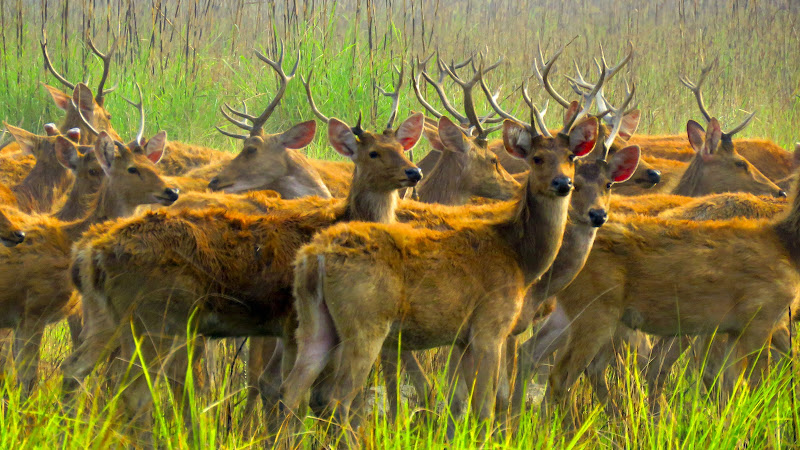
Shuklaphanta National Park, tucked away in the far western Terai of Nepal, is the kind of place you think you know until you’re actually there – and then it surprises you. It’s not just about spotting a tiger or watching a herd of swamp deer graze in the early morning mist (though both are very possible here). The park spans about 305 square kilometers, a mix of golden grasslands, dense sal forests, meandering rivers, and tropical wetlands that feel like they’ve been left to their own devices for centuries. The air smells faintly of damp earth and wildflowers after a rain, and the soundtrack is a blend of bird calls, rustling leaves, and the occasional splash from a fish breaking the water’s surface.
It’s a place that’s both peaceful and alive with movement. You might find yourself on a dirt track, thinking you’re alone, only to realize a peacock has been strutting alongside you in the grass. And while most visitors leave with glowing memories, it’s fair to say not every moment is perfect – sometimes the wildlife hides, the heat gets oppressive, or the facilities feel a bit too rustic for some tastes. But for those who can embrace the unpredictability, Shuklaphanta offers something rare: a genuine, unpolished connection to nature that hasn’t been overly tamed for tourism.
Families often come here for picnics under the shade of sprawling trees, hikers enjoy the mix of easy and moderate trails, and photographers – well, they could spend days chasing the perfect light over the grasslands. The park is accessible for visitors with mobility needs, with wheelchair-friendly entrances and parking, which is a thoughtful touch you don’t always find in remote nature reserves. Whether you’re here for a day or a week, the pace of life slows down, and you start noticing the little things – the way the grass bends in the wind, or how the color of the sky changes minute by minute before sunset.
Key Features
- Expansive grasslands known for some of the largest herds of swamp deer in Nepal
- Sal forests, riverbeds, and tropical wetlands supporting diverse wildlife
- Opportunities to spot tigers, leopards, elephants, and over 400 bird species
- Wheelchair-accessible entrances and parking for inclusive travel
- Designated picnic areas with tables and public restrooms
- Kid-friendly hiking trails suitable for families
- Dog-friendly zones, including a designated dog park area
- Guided safari tours available for deeper wildlife encounters
Best Time to Visit
If you ask three different people about the best time to visit Shuklaphanta, you’ll probably get three different answers – and they’d all be right in their own way. Personally, I’d say March to May is hard to beat. The weather’s warm but not unbearable, the grass is shorter after the dry season, and wildlife sightings tend to be more frequent. You can see the swamp deer in large herds, and the birdlife is phenomenal during this time.
Winter, from December to February, has its own charm. Mornings can be chilly, but the crisp air and misty landscapes are magical, especially for photography. The monsoon months (June to September) bring lush greenery and dramatic skies, but also muddy trails and a higher chance of leeches – not everyone’s cup of tea. Still, if you don’t mind getting wet and want to see the park at its most vibrant and wild, it can be rewarding.
How to Get There
Getting to Shuklaphanta is part of the adventure. The park sits in Nepal’s far west, so if you’re coming from Kathmandu, you’ll likely fly to Dhangadhi Airport, which is the closest major hub. From there, it’s about an hour’s drive to the park entrance. The road is mostly paved, though you’ll hit some bumpier stretches as you get closer – nothing a decent vehicle can’t handle.
For those who prefer overland travel, buses and jeeps connect Dhangadhi with other parts of Nepal, but the journey can be long. I once took the bus from Pokhara, and while it was a solid 18 hours of winding roads and chai stops, the changing scenery kept it interesting. If you’re coming from India, the park is near the border with Uttar Pradesh, making it accessible from Pilibhit Tiger Reserve’s side as well.
Tips for Visiting
First things first – bring binoculars. Even if you’re not a hardcore birder, you’ll thank yourself when you spot a rare stork or an eagle soaring overhead. Early mornings and late afternoons are the golden hours for wildlife viewing, so plan your safaris around those times. Midday can be quiet, and the sun gets strong, so that’s a good time for a shaded picnic or a nap.
Wear light, breathable clothing in neutral colors, and don’t forget a hat and sunscreen. If you’re visiting during the monsoon, waterproof shoes and a rain jacket are a must. The park has public restrooms, but they’re basic – carry your own toilet paper and hand sanitizer just in case. And while the park is dog-friendly in certain areas, keep pets leashed and away from wildlife zones for everyone’s safety.
One more thing – patience is key. Wildlife doesn’t run on a schedule, and some days you’ll see more than others. I remember one trip where the only big animal I saw was a wild boar darting across the track… but then a local guide pointed out a rare butterfly I’d never have noticed otherwise. Sometimes the small surprises end up being the most memorable part of the journey.
Key Features
- Expansive grasslands known for some of the largest herds of swamp deer in Nepal
- Sal forests, riverbeds, and tropical wetlands supporting diverse wildlife
- Opportunities to spot tigers, leopards, elephants, and over 400 bird species
- Wheelchair-accessible entrances and parking for inclusive travel
- Designated picnic areas with tables and public restrooms
- Kid-friendly hiking trails suitable for families
- Dog-friendly zones, including a designated dog park area
- Guided safari tours available for deeper wildlife encounters
Tours & Activities
GetYourGuide provides this tour inventory. We may earn a commission if you book through it; verify current availability, prices, and terms with the provider.
Visitor Reviews
There are no reviews yet. Be the first one to write one.
Share Your Experience
Have you visited Shuklaphanta National Park? Help other travelers by leaving a review.