
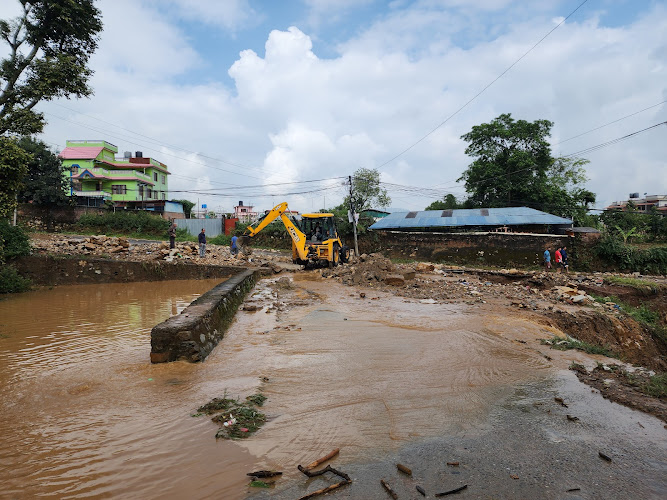
Tindhare
About Tindhare
Description
Ever felt that little tingle of curiosity when you hear about a hidden corner from a friend or stumble upon a picture that instantly makes you wonder, “How have I not been there yet?” That’s what Tindhare in Kirtipur does for a lot of travelers – it pokes at your curiosity, quietly holding its own as a place rooted deep in both history and genuine day-to-day Nepalese life. Now, I’ve always been a bit of a sucker for living history—not just the brickwork and carvings, but the sort of place where you can almost hear the stories echo off the old stones and in between bursts of laughter from families wandering by.
Tindhare isn’t the most polished place you’ll find, but—maybe that’s its charm. There’s authenticity here, and if you ask me, an experience that’s a bit richer for its lack of pretense. What sets it apart? The sense of place. Part historical landmark, part living community hub, it manages to wrap up a bundle of stories, local color, and the simple joys of a Nepalese day out. Families with kids are a constant presence, gathering by the older structures or letting little ones scamper across stone courtyards. There’s a casual buzz in the air, not overwhelming but welcoming, where travelers and locals tend to mingle, maybe with a quick hello or awkward smile.
It’s not unusual to find older residents resting under a shady spot, recounting tales of yesterday, or see children darting about, exploring every nook and cranny. I found myself caught up watching a group of schoolkids, snacks in hand, daring each other to climb the slightly uneven old steps (as a parent, I might’ve winced at the ancient stone, but the guards and elders always seem to have an eye on things). Tindhare feels layered—like each visit would unravel another piece of its past, or add your own small footprint to its ever-evolving story.
Key Features
- Living History: The location doubles as a community hub and historic site, serving as a bridge between old-world charm and modern daily life. Whether you’re into stone architecture or people-watching, there’s depth here.
- Family-Friendly: Tindhare is known for being kid-approved. Space for running around, spots to settle for a picnic, and the sort of layout that makes wandering feel safe and manageable for families.
- Photogenic Vistas: Without overhyping it, you’ll want to have your camera handy. The mix of heritage structures, lively scenes, and that distinctly Kathmandu Valley light provides some truly candid moments, especially at golden hour.
- Cultural Events and Gatherings: Depending on the time of year, the area occasionally hosts community celebrations, rituals, or gatherings—offering a window into local traditions you’re not likely to find on the usual tourist route.
- Quiet Corners: Despite being a favorite for families, there’s always a spot to reflect quietly, read, or even sketch—perfect for those of us who don’t always crave crowds.
- Accessibility: The layout is straightforward, though a bit uneven in places (watch those steps!), and is manageable for most visitors. There’s decent signage and plenty of locals willing to point you where you want to go. Sometimes, those “lost in translation” moments end up being the highlight of your day.
- Unique Local Vendors: Occasionally, you’ll run into local vendors offering snacks, handcrafted trinkets, and drinks. Don’t expect bargain-basement prices, but the goods usually carry stories and a lot of heart. (Word to the wise: go for freshly-roasted corn if it’s on offer!)
- Informal, Laid-Back Atmosphere: You rarely feel rushed here. It’s the kind of place where you can let the day drift by, chat with a stranger, or play a card game with your travel companions without feeling out of place.
Best Time to Visit
Planning your visit can be a bit of an art. If you’re like me and prefer to dodge heavy crowds (and maybe up your odds for unobstructed photos), weekdays are typically a bit more tranquil. Late mornings to early afternoons lend the warmest light and the friendliest pace—local school groups, families, and elderly residents are usually out and about, making it feel alive without overwhelming.
Climate-wise, Tindhare looks and feels its best during the post-monsoon months—think October to early December. The air is remarkably crisp, the rains have left everything fresh and the skies are often that deep blue that makes you pause for a second. You still get a lively buzz, but not the kind that has you sidestepping umbrella crowds or wading through puddles. Spring is solid, too—March through May brings flowering trees and a relaxed, sun-drenched feel, though a dust mask doesn’t hurt (hello, Kathmandu Valley air!).
Winter days, while chillier, have their own quiet magic and are a good bet if you want a more low-key vibe. I wouldn’t suggest the height of monsoon (late June to September), unless slipping and sliding on wet stone is your thing. Unless you’re a die-hard fan of rain or love a good story about how you braved the elements—best to skip that season.
How to Get There
Adventure or not, reaching Tindhare is a relatively straightforward affair—but, of course, nothing in Nepal is ever cookie-cutter simple. If you’re starting from Kathmandu, you’re in luck: the journey isn’t long. Public buses and microvans depart frequently from key points in the city, rolling toward Kirtipur. It’s a short ride—often 30 to 45 minutes, though, take that with a generous sprinkle of “Kathmandu traffic time.” Don’t be shy to ask drivers or other passengers—they’re used to helping visitors aiming for “historic spots”.
Now, if you’re like me and enjoy the freedom to stop and wander, grabbing a taxi or even hailing a ride-sharing service (yes, you’ll find those here, complete with the occasional cranky driver and always-animated conversation) is easy enough. Split the fare with travel buddies or test out your bartering skills solo. For the ambitious (or, well, those who got lost looking for some “short cut”), you can walk part of the way from various points in Kirtipur—ask around, be ready for a bit of up-and-down, and bring comfortable shoes.
Parking can be a patchwork affair, especially on weekends or during festivals, so if you’re driving, arrive early. And, though signage can be modest at best, directions from locals are part of the fun. Sometimes, the journey to a landmark is where half your unexpected travel stories come from.
Tips for Visiting
- Dress modestly: Tindhare’s laid-back, but it’s still at the heart of a traditional community. I usually go with layered clothing—long pants or a skirt, and at least a tee or light sweater for temple areas. Plus, weather swings can be real.
- Footwear matters: Old stone and uneven paths are charming for photos—not so much for flip-flops. Closed-toe shoes will save your toes and your sanity, especially if you wander off the “main lines”.
- Respect the pace: No need to rush. Part of the joy is joining the daily flow. If a community event or ritual is happening, stand back, observe, and if you get invited to join, consider it a genuine slice of travel luck.
- Watch your kids (and yourself!): The area is safe, but stone steps can be tricky when you’re distracted snapping a photo. I always set a quick “meet-up spot” with my companion—just in case.
- Talk to the locals: Some of my best travel memories come from five-minute chats with strangers. Whether it’s a vendor or a group of schoolkids practicing their English, a smile and a hello go a long way.
- Bring cash: Don’t count on cards. Small bills are best—think for snacks, entrance fees if any pop up, or little trinkets. If you see roasted corn for sale on the roadside, trust me: get it.
- Leave only footprints: Be mindful of litter. The community takes pride in the place, and visitors who do the same are remembered fondly.
- Look up, look around: Details are everywhere. From inscriptions on old stones to murals half-hidden in corners, sometimes the “secret” of the place is just above eye level.
- Time your visit: A late-afternoon trip promises softer light (great for photos), and you might catch locals gathering for an impromptu get-together. The mood somehow shifts—less rush, more stories shared.
So, is Tindhare an Insta-perfect, blockbuster landmark? Maybe not in the loud, obvious
Key Features
- Key Features
- Best Time to Visit
- How to Get There
- Tips for Visiting
More Details
Updated July 6, 2025
Description
Ever felt that little tingle of curiosity when you hear about a hidden corner from a friend or stumble upon a picture that instantly makes you wonder, “How have I not been there yet?” That’s what Tindhare in Kirtipur does for a lot of travelers – it pokes at your curiosity, quietly holding its own as a place rooted deep in both history and genuine day-to-day Nepalese life. Now, I’ve always been a bit of a sucker for living history—not just the brickwork and carvings, but the sort of place where you can almost hear the stories echo off the old stones and in between bursts of laughter from families wandering by.
Tindhare isn’t the most polished place you’ll find, but—maybe that’s its charm. There’s authenticity here, and if you ask me, an experience that’s a bit richer for its lack of pretense. What sets it apart? The sense of place. Part historical landmark, part living community hub, it manages to wrap up a bundle of stories, local color, and the simple joys of a Nepalese day out. Families with kids are a constant presence, gathering by the older structures or letting little ones scamper across stone courtyards. There’s a casual buzz in the air, not overwhelming but welcoming, where travelers and locals tend to mingle, maybe with a quick hello or awkward smile.
It’s not unusual to find older residents resting under a shady spot, recounting tales of yesterday, or see children darting about, exploring every nook and cranny. I found myself caught up watching a group of schoolkids, snacks in hand, daring each other to climb the slightly uneven old steps (as a parent, I might’ve winced at the ancient stone, but the guards and elders always seem to have an eye on things). Tindhare feels layered—like each visit would unravel another piece of its past, or add your own small footprint to its ever-evolving story.
Key Features
- Living History: The location doubles as a community hub and historic site, serving as a bridge between old-world charm and modern daily life. Whether you’re into stone architecture or people-watching, there’s depth here.
- Family-Friendly: Tindhare is known for being kid-approved. Space for running around, spots to settle for a picnic, and the sort of layout that makes wandering feel safe and manageable for families.
- Photogenic Vistas: Without overhyping it, you’ll want to have your camera handy. The mix of heritage structures, lively scenes, and that distinctly Kathmandu Valley light provides some truly candid moments, especially at golden hour.
- Cultural Events and Gatherings: Depending on the time of year, the area occasionally hosts community celebrations, rituals, or gatherings—offering a window into local traditions you’re not likely to find on the usual tourist route.
- Quiet Corners: Despite being a favorite for families, there’s always a spot to reflect quietly, read, or even sketch—perfect for those of us who don’t always crave crowds.
- Accessibility: The layout is straightforward, though a bit uneven in places (watch those steps!), and is manageable for most visitors. There’s decent signage and plenty of locals willing to point you where you want to go. Sometimes, those “lost in translation” moments end up being the highlight of your day.
- Unique Local Vendors: Occasionally, you’ll run into local vendors offering snacks, handcrafted trinkets, and drinks. Don’t expect bargain-basement prices, but the goods usually carry stories and a lot of heart. (Word to the wise: go for freshly-roasted corn if it’s on offer!)
- Informal, Laid-Back Atmosphere: You rarely feel rushed here. It’s the kind of place where you can let the day drift by, chat with a stranger, or play a card game with your travel companions without feeling out of place.
Best Time to Visit
Planning your visit can be a bit of an art. If you’re like me and prefer to dodge heavy crowds (and maybe up your odds for unobstructed photos), weekdays are typically a bit more tranquil. Late mornings to early afternoons lend the warmest light and the friendliest pace—local school groups, families, and elderly residents are usually out and about, making it feel alive without overwhelming.
Climate-wise, Tindhare looks and feels its best during the post-monsoon months—think October to early December. The air is remarkably crisp, the rains have left everything fresh and the skies are often that deep blue that makes you pause for a second. You still get a lively buzz, but not the kind that has you sidestepping umbrella crowds or wading through puddles. Spring is solid, too—March through May brings flowering trees and a relaxed, sun-drenched feel, though a dust mask doesn’t hurt (hello, Kathmandu Valley air!).
Winter days, while chillier, have their own quiet magic and are a good bet if you want a more low-key vibe. I wouldn’t suggest the height of monsoon (late June to September), unless slipping and sliding on wet stone is your thing. Unless you’re a die-hard fan of rain or love a good story about how you braved the elements—best to skip that season.
How to Get There
Adventure or not, reaching Tindhare is a relatively straightforward affair—but, of course, nothing in Nepal is ever cookie-cutter simple. If you’re starting from Kathmandu, you’re in luck: the journey isn’t long. Public buses and microvans depart frequently from key points in the city, rolling toward Kirtipur. It’s a short ride—often 30 to 45 minutes, though, take that with a generous sprinkle of “Kathmandu traffic time.” Don’t be shy to ask drivers or other passengers—they’re used to helping visitors aiming for “historic spots”.
Now, if you’re like me and enjoy the freedom to stop and wander, grabbing a taxi or even hailing a ride-sharing service (yes, you’ll find those here, complete with the occasional cranky driver and always-animated conversation) is easy enough. Split the fare with travel buddies or test out your bartering skills solo. For the ambitious (or, well, those who got lost looking for some “short cut”), you can walk part of the way from various points in Kirtipur—ask around, be ready for a bit of up-and-down, and bring comfortable shoes.
Parking can be a patchwork affair, especially on weekends or during festivals, so if you’re driving, arrive early. And, though signage can be modest at best, directions from locals are part of the fun. Sometimes, the journey to a landmark is where half your unexpected travel stories come from.
Tips for Visiting
- Dress modestly: Tindhare’s laid-back, but it’s still at the heart of a traditional community. I usually go with layered clothing—long pants or a skirt, and at least a tee or light sweater for temple areas. Plus, weather swings can be real.
- Footwear matters: Old stone and uneven paths are charming for photos—not so much for flip-flops. Closed-toe shoes will save your toes and your sanity, especially if you wander off the “main lines”.
- Respect the pace: No need to rush. Part of the joy is joining the daily flow. If a community event or ritual is happening, stand back, observe, and if you get invited to join, consider it a genuine slice of travel luck.
- Watch your kids (and yourself!): The area is safe, but stone steps can be tricky when you’re distracted snapping a photo. I always set a quick “meet-up spot” with my companion—just in case.
- Talk to the locals: Some of my best travel memories come from five-minute chats with strangers. Whether it’s a vendor or a group of schoolkids practicing their English, a smile and a hello go a long way.
- Bring cash: Don’t count on cards. Small bills are best—think for snacks, entrance fees if any pop up, or little trinkets. If you see roasted corn for sale on the roadside, trust me: get it.
- Leave only footprints: Be mindful of litter. The community takes pride in the place, and visitors who do the same are remembered fondly.
- Look up, look around: Details are everywhere. From inscriptions on old stones to murals half-hidden in corners, sometimes the “secret” of the place is just above eye level.
- Time your visit: A late-afternoon trip promises softer light (great for photos), and you might catch locals gathering for an impromptu get-together. The mood somehow shifts—less rush, more stories shared.
So, is Tindhare an Insta-perfect, blockbuster landmark? Maybe not in the loud, obvious
Key Highlights
- Key Features
- Best Time to Visit
- How to Get There
- Tips for Visiting
Location
Places to Stay Near Tindhare
Find and Book a Tour
Explore More Travel Guides
No reviews found! Be the first to review!
Traveler Reviews for Tindhare
There are no reviews yet. Be the first one to write one.
Have you visited Tindhare? Help other travelers by sharing your review.
You Might Also Like
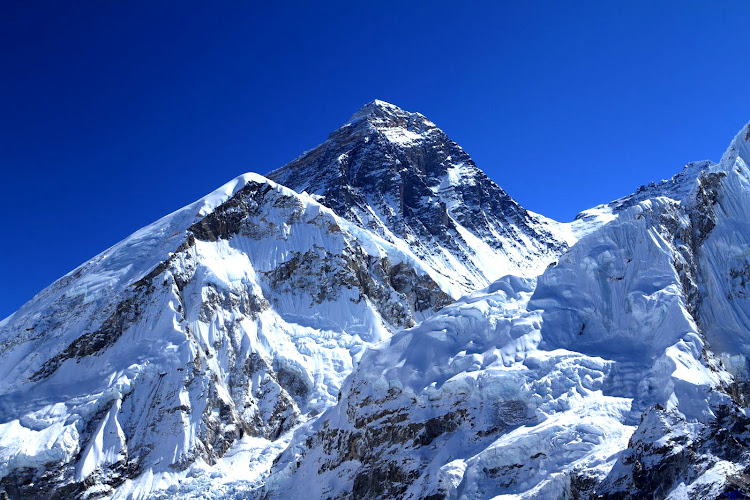
Everest Hiking Treks & Expedition

The Umbrella Hill

Sahid Basu Smriti Marga 1, Kirtipur 44618, Nepal
Find Accommodations Nearby
Recommended Tours & Activities
Visitor Reviews
There are no reviews yet. Be the first one to write one.
Share Your Experience
Have you visited Tindhare? Help other travelers by leaving a review.