
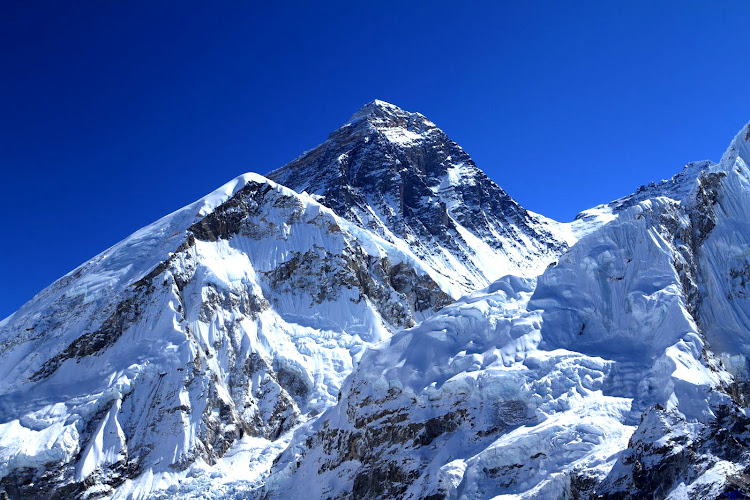
Everest Hiking Treks & Expedition
About Everest Hiking Treks & Expedition
Description
So, if you’ve ever daydreamed about hiking to Everest Base Camp—breathing in sharp, pine-scented air and feeling bouts of decisive courage and panic all at once—Everest Hiking Treks & Expedition is probably the sort of trekking operator you’d want in your corner. Now, I say this as someone who once huffed and puffed my way up nothing loftier than the Annapurna foothills, and let me tell you, having a good guide makes the difference between “Was that thunder or my heart?” and actually getting to your next camp with a grin on your face. Everest Hiking, a family-run outfit steered by brothers Nabu and Ramesh, radiates that down-to-earth, reassuring vibe only honed over decades wandering these rugged landscapes. Yes, it’s a business, but you know that flicker you get when someone truly cares about what they do? That's the real currency here.
The agency doesn’t limit itself to just guiding boots over Nepal’s winding trails. They set up treks, tours, and expeditions across Nepal, Tibet, Bhutan, and India. (If migratory wanderlust strikes—say, you look at those snow-peaked ridges and think, “Wonder what’s on the other side of that border?”—they can make that happen.) And hey, if hiking just seems a bit too, er, foot-based for you, they also get pulses racing with white-water rafting, wildlife safaris, and cultural excursions. You’re as likely to find yourself floating down a glacier-fed river, or gawking at sacred monasteries, as you are trudging past fluttering prayer flags. The main thing: the company’s guiding principle is hands-on expertise—no fly-by-nights here. It’s always a bit of a gamble trusting strangers with your safety and vacation dreams, but there's a solidity to Everest Hiking Treks & Expedition that’s hard to fake.
Key Features
- Family-Owned & Experienced: Run by brothers with over 20 years’ trekking know-how—it’s a clan, not a corporation. They treat visitors less like numbers and more like new friends with decent boots.
- Qualified Mountain Guides: Only seasoned professionals. No half-baked, just-out-of-high-school guides trying to Google how to tie a clove hitch mid-blizzard.
- Diverse Destinations: Not just Everest—choose from Nepal, Tibet, Bhutan, or India for treks, expeditions, or cultural trips. Hey, want to swap mountains for monasteries? That works too!
- Tailored Packages: You pick your adventure: high-altitude expeditions, family-friendly treks, package tours, or rugged wildlife safaris—something for the escape artist in all of us.
- Local Knowledge: With deep Nepali roots, they unlock side trails, hidden tea houses, or off-the-beaten-path stupas you’d likely miss thumbing through the usual travel apps.
- Group & Solo-Friendly: They cater for everyone—solo wanderers, couples, families, and larger gangs. Customization is the name of the game.
- Responsible Travel: A focus on sustainable tourism and supporting local communities, not trampling over them. Ethical travelers, rejoice.
- Flexible Support: Lost your luggage? High-altitude jitters? The team has seen it all before. They’ll sort it—often before you’ve even finished asking—and put on a kettle too.
- Cross-Border Expertise: If you’re suddenly struck by a yearning to watch sunrise over the Bhutanese dzongs or raft down a wild Indian river, these are the folks to ask.
Best Time to Visit
Okay, so let’s try to dodge the monsoon mud and winter frostbite, right? The golden window for Everest treks—or, honestly, most Himalayan magic—is between late September and early December. Think clear skies, crisp air, and swathes of rhododendron forests (if you catch spring). Autumn stirs up the mountain spirits: summits teasing blue and white, villagers welcoming trekkers like distant relatives. That’s also the high season, so trails can be lively—sometimes a little too much, if you crave solitude—but hey, some camaraderie can be a balm at 14,000 feet.
March to May wins a close second. Pre-monsoon, the mountains practically strut their stuff in the daylight. If you’re the patient sort who doesn’t mind a bit of chill, late February or early December can skirt the crowds and reward you with spectacular moments (not counting the occasional nippy morning).
Avoid June through August unless you believe life’s more interesting with leeches and ankle-deep puddles, because that’s monsoon season—good for rice paddies, bad for trekkers. Winter (late December through early February) is beautiful but biting; some treks close, and cold winds can sweep through camp with the force of a Himalayan myth.
How to Get There
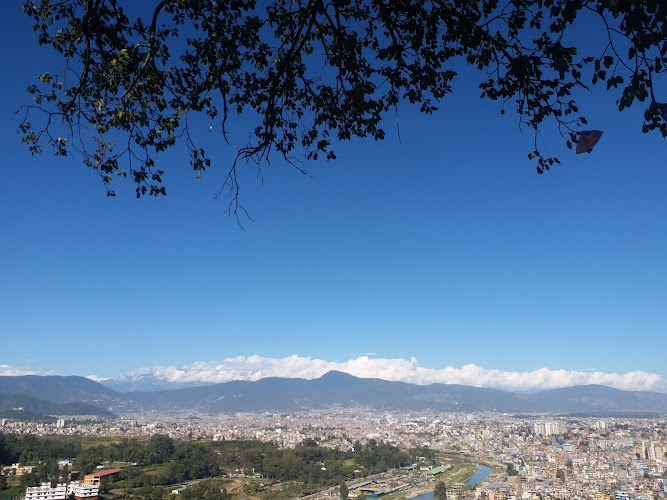
You’ll almost certainly land at Tribhuvan International Airport in Kathmandu—it’s Nepal’s main gateway, and honestly, the city’s got its own rhythm (a bit of frenzy mixed with moments of unexpected calm). From Kathmandu, Pandey Chap Bus Park in Kirtipur is a common launch point, especially for tour operators like Everest Hiking. It’s not far from Thamel—the traveler hub—but feels a world away, perched with panoramic valley views and a bit more breathing space.
Now, most classic Everest treks kick off with a short—but, oh, what an adrenaline jolt!—flight from Kathmandu to Lukla. You’ll find yourself gripping your seat, peering out at tiny villages stitched between gorges. There’s a whisper of danger (those runways are legendary) but the views compensate, generously. Alternatively, thrifty or tougher folks sometimes opt for a bus or jeep up to Jiri to begin a longer approach trek—old school, more time-consuming, but you pay with your calves, not cash, and hey, you'll dodge the flight nerves.
Everest Hiking’s guides often meet trekkers at the bus park or even back in Kathmandu, ushering groups through chaotic traffic and baffling paperwork with seasoned ease. The logistics—permits, meals, local SIM cards—are sorted almost invisibly. You? Just keep your passport handy and your sense of adventure turned way up.
Tips for Visiting
- Fitness First: You don’t need to be an Olympian, but even modest fitness transforms a hard slog into something exhilarating. Start prepping—stairs, long walks, backpack runs—a few months out. Your knees (and that one uncle who warned you) will thank you.
- Pack Light, Pack Smart: I once stuffed half a pharmacy into my bag and learned two things: guides have better local solutions, and less is more. Essentials: warm base layers, great socks, sunblock, sturdy boots, and a sense of humor for when you inevitably misplace something valuable in a tea house at 4,000 meters.
- Acclimatize Like a Pro: Gain altitude slowly and listen to your body. Rushing is for foolhardy YouTubers—wiser trekkers cherish the slower pace, spot more wildlife, and avoid spending half their trip hugging a toilet.
- Hydrate, Hydrate, Hydrate: High altitude will sneak up on you if you let it. Mornings, chug that water. It's tempting to ease off once the pace slows or temps drop, but keep sipping.
- Cash is King: ATMs can be fickle things in Nepal, especially in rural towns. Bring enough local currency for snacks, power outages, or impromptu purchases like yarn hats or yak cheese—small joys that make the trek memorable.
- Respect Local Customs: Everest Hiking’s guides are a goldmine of cultural insights—use them! Ask before taking photos, observe temple etiquette, and pick up basic Nepali greetings. A “Namaste” goes a long way.
- Don’t Skip Insurance: Altitude, flights, yaks on the path—stuff happens. Comprehensive travel insurance with evacuation coverage (not to scare you, just wise) will let you relax a bit more if things ever go wonky.
- Expect the Unexpected: Sometimes, the adventure’s in the detour: a delayed flight, a sudden snowstorm, an unscheduled afternoon in a Sherpa kitchen. Go with the flow—the stories are always better that way.
- Embrace Group Life: If trekking with strangers seems daunting, worry not. By the end, you’ll have inside jokes, shared snacks, and more than a few photos featuring people who started out as total strangers but ended up feeling like teammates in a glorious, uphill battle.
And really, let yourself be surprised. The Everest region has this magic—one moment it’s about the mountains, then suddenly, it’s all about the laughter in a smoky tea house, or the look of wonder in your guide’s eyes as he points out his childhood village across the valley.
Key Features
- Key Features
- Best Time to Visit
- How to Get There
- Tips for Visiting
More Details
Updated July 6, 2025
Description
So, if you’ve ever daydreamed about hiking to Everest Base Camp—breathing in sharp, pine-scented air and feeling bouts of decisive courage and panic all at once—Everest Hiking Treks & Expedition is probably the sort of trekking operator you’d want in your corner. Now, I say this as someone who once huffed and puffed my way up nothing loftier than the Annapurna foothills, and let me tell you, having a good guide makes the difference between “Was that thunder or my heart?” and actually getting to your next camp with a grin on your face. Everest Hiking, a family-run outfit steered by brothers Nabu and Ramesh, radiates that down-to-earth, reassuring vibe only honed over decades wandering these rugged landscapes. Yes, it’s a business, but you know that flicker you get when someone truly cares about what they do? That’s the real currency here.
The agency doesn’t limit itself to just guiding boots over Nepal’s winding trails. They set up treks, tours, and expeditions across Nepal, Tibet, Bhutan, and India. (If migratory wanderlust strikes—say, you look at those snow-peaked ridges and think, “Wonder what’s on the other side of that border?”—they can make that happen.) And hey, if hiking just seems a bit too, er, foot-based for you, they also get pulses racing with white-water rafting, wildlife safaris, and cultural excursions. You’re as likely to find yourself floating down a glacier-fed river, or gawking at sacred monasteries, as you are trudging past fluttering prayer flags. The main thing: the company’s guiding principle is hands-on expertise—no fly-by-nights here. It’s always a bit of a gamble trusting strangers with your safety and vacation dreams, but there’s a solidity to Everest Hiking Treks & Expedition that’s hard to fake.
Key Features
- Family-Owned & Experienced: Run by brothers with over 20 years’ trekking know-how—it’s a clan, not a corporation. They treat visitors less like numbers and more like new friends with decent boots.
- Qualified Mountain Guides: Only seasoned professionals. No half-baked, just-out-of-high-school guides trying to Google how to tie a clove hitch mid-blizzard.
- Diverse Destinations: Not just Everest—choose from Nepal, Tibet, Bhutan, or India for treks, expeditions, or cultural trips. Hey, want to swap mountains for monasteries? That works too!
- Tailored Packages: You pick your adventure: high-altitude expeditions, family-friendly treks, package tours, or rugged wildlife safaris—something for the escape artist in all of us.
- Local Knowledge: With deep Nepali roots, they unlock side trails, hidden tea houses, or off-the-beaten-path stupas you’d likely miss thumbing through the usual travel apps.
- Group & Solo-Friendly: They cater for everyone—solo wanderers, couples, families, and larger gangs. Customization is the name of the game.
- Responsible Travel: A focus on sustainable tourism and supporting local communities, not trampling over them. Ethical travelers, rejoice.
- Flexible Support: Lost your luggage? High-altitude jitters? The team has seen it all before. They’ll sort it—often before you’ve even finished asking—and put on a kettle too.
- Cross-Border Expertise: If you’re suddenly struck by a yearning to watch sunrise over the Bhutanese dzongs or raft down a wild Indian river, these are the folks to ask.
Best Time to Visit
Okay, so let’s try to dodge the monsoon mud and winter frostbite, right? The golden window for Everest treks—or, honestly, most Himalayan magic—is between late September and early December. Think clear skies, crisp air, and swathes of rhododendron forests (if you catch spring). Autumn stirs up the mountain spirits: summits teasing blue and white, villagers welcoming trekkers like distant relatives. That’s also the high season, so trails can be lively—sometimes a little too much, if you crave solitude—but hey, some camaraderie can be a balm at 14,000 feet.
March to May wins a close second. Pre-monsoon, the mountains practically strut their stuff in the daylight. If you’re the patient sort who doesn’t mind a bit of chill, late February or early December can skirt the crowds and reward you with spectacular moments (not counting the occasional nippy morning).
Avoid June through August unless you believe life’s more interesting with leeches and ankle-deep puddles, because that’s monsoon season—good for rice paddies, bad for trekkers. Winter (late December through early February) is beautiful but biting; some treks close, and cold winds can sweep through camp with the force of a Himalayan myth.
How to Get There
You’ll almost certainly land at Tribhuvan International Airport in Kathmandu—it’s Nepal’s main gateway, and honestly, the city’s got its own rhythm (a bit of frenzy mixed with moments of unexpected calm). From Kathmandu, Pandey Chap Bus Park in Kirtipur is a common launch point, especially for tour operators like Everest Hiking. It’s not far from Thamel—the traveler hub—but feels a world away, perched with panoramic valley views and a bit more breathing space.
Now, most classic Everest treks kick off with a short—but, oh, what an adrenaline jolt!—flight from Kathmandu to Lukla. You’ll find yourself gripping your seat, peering out at tiny villages stitched between gorges. There’s a whisper of danger (those runways are legendary) but the views compensate, generously. Alternatively, thrifty or tougher folks sometimes opt for a bus or jeep up to Jiri to begin a longer approach trek—old school, more time-consuming, but you pay with your calves, not cash, and hey, you’ll dodge the flight nerves.
Everest Hiking’s guides often meet trekkers at the bus park or even back in Kathmandu, ushering groups through chaotic traffic and baffling paperwork with seasoned ease. The logistics—permits, meals, local SIM cards—are sorted almost invisibly. You? Just keep your passport handy and your sense of adventure turned way up.
Tips for Visiting
- Fitness First: You don’t need to be an Olympian, but even modest fitness transforms a hard slog into something exhilarating. Start prepping—stairs, long walks, backpack runs—a few months out. Your knees (and that one uncle who warned you) will thank you.
- Pack Light, Pack Smart: I once stuffed half a pharmacy into my bag and learned two things: guides have better local solutions, and less is more. Essentials: warm base layers, great socks, sunblock, sturdy boots, and a sense of humor for when you inevitably misplace something valuable in a tea house at 4,000 meters.
- Acclimatize Like a Pro: Gain altitude slowly and listen to your body. Rushing is for foolhardy YouTubers—wiser trekkers cherish the slower pace, spot more wildlife, and avoid spending half their trip hugging a toilet.
- Hydrate, Hydrate, Hydrate: High altitude will sneak up on you if you let it. Mornings, chug that water. It’s tempting to ease off once the pace slows or temps drop, but keep sipping.
- Cash is King: ATMs can be fickle things in Nepal, especially in rural towns. Bring enough local currency for snacks, power outages, or impromptu purchases like yarn hats or yak cheese—small joys that make the trek memorable.
- Respect Local Customs: Everest Hiking’s guides are a goldmine of cultural insights—use them! Ask before taking photos, observe temple etiquette, and pick up basic Nepali greetings. A “Namaste” goes a long way.
- Don’t Skip Insurance: Altitude, flights, yaks on the path—stuff happens. Comprehensive travel insurance with evacuation coverage (not to scare you, just wise) will let you relax a bit more if things ever go wonky.
- Expect the Unexpected: Sometimes, the adventure’s in the detour: a delayed flight, a sudden snowstorm, an unscheduled afternoon in a Sherpa kitchen. Go with the flow—the stories are always better that way.
- Embrace Group Life: If trekking with strangers seems daunting, worry not. By the end, you’ll have inside jokes, shared snacks, and more than a few photos featuring people who started out as total strangers but ended up feeling like teammates in a glorious, uphill battle.
And really, let yourself be surprised. The Everest region has this magic—one moment it’s about the mountains, then suddenly, it’s all about the laughter in a smoky tea house, or the look of wonder in your guide’s eyes as he points out his childhood village across the valley.
Key Highlights
- Key Features
- Best Time to Visit
- How to Get There
- Tips for Visiting
Location
Places to Stay Near Everest Hiking Treks & Expedition
Find and Book a Tour
Explore More Travel Guides
No reviews found! Be the first to review!
Traveler Reviews for Everest Hiking Treks & Expedition
There are no reviews yet. Be the first one to write one.
Have you visited Everest Hiking Treks & Expedition? Help other travelers by sharing your review.
You Might Also Like

Sahid Basu Smriti Marga 1, Kirtipur 44618, Nepal
Chobhar Danda

Kirtipur Tower
Find Accommodations Nearby
Recommended Tours & Activities
Visitor Reviews
There are no reviews yet. Be the first one to write one.
Share Your Experience
Have you visited Everest Hiking Treks & Expedition? Help other travelers by leaving a review.