
Shree Behada Baba
About Shree Behada Baba
Description
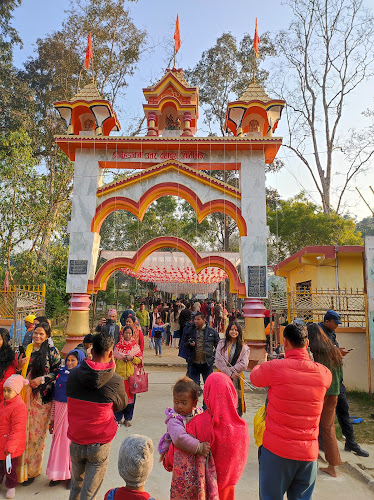
Shree Behada Baba stands as one of Nepal's most compelling spiritual destinations, where ancient devotion meets modern accessibility in the heart of Kailali district. This remarkable Hindu temple dedicated to Lord Shiva draws thousands of pilgrims and curious travelers each year, particularly during the auspicious month of Shrawan when the entire complex transforms into a sea of orange and saffron.
Located approximately 10 kilometers east of Dhangadhi and just 6 kilometers south of Chaumala Bazaar, this sacred site offers visitors something genuinely special - a chance to witness authentic Nepali spirituality without the overwhelming crowds you'd find at more famous temples. And honestly, that's what makes this place so captivating. You can actually breathe here, take your time to absorb the atmosphere, and connect with the spiritual energy that permeates every corner of the complex.
What struck me most about Behada Baba is how it seamlessly blends traditional temple architecture with thoughtful modern amenities. The temple management has clearly put considerable effort into making this sacred space welcoming for everyone, including visitors with mobility challenges - something that's unfortunately rare in many historic religious sites across South Asia.
The temple's reputation extends far beyond its immediate vicinity, with devotees traveling from across Nepal and neighboring regions to seek blessings and participate in religious ceremonies. But it's not just the spiritual aspect that makes this place remarkable. The surrounding landscape provides a peaceful backdrop that enhances the overall experience, making it feel like a genuine retreat from the hustle and bustle of everyday life.
Key Features
Shree Behada Baba offers visitors an array of distinctive features that set it apart from other religious destinations in the region:
- Fully accessible design - The temple complex includes wheelchair-accessible entrances, dedicated parking spaces, and restroom facilities, making it one of the most inclusive religious sites in western Nepal
- Authentic Shiva worship traditions - Daily prayer ceremonies and traditional rituals provide genuine insights into Hindu spiritual practices
- Peaceful temple grounds - Expansive courtyards and meditation areas allow for quiet reflection and spiritual contemplation
- Traditional Nepali architecture - Intricate wood carvings and stone work showcase local craftsmanship and cultural heritage
- Modern visitor amenities - Clean restroom facilities and well-maintained grounds ensure comfortable visits for all guests
- Active local community - Regular interactions with devoted local worshippers offer authentic cultural exchanges
- Strategic location - Easy access from major towns while maintaining a serene, rural atmosphere
- Festival celebrations - Spectacular religious festivals throughout the year, especially during Shrawan month
- Photography opportunities - Beautiful architectural details and scenic surroundings perfect for cultural documentation
- Multilingual guidance - Local priests and volunteers often speak multiple languages to assist international visitors
Best Time to Visit
Timing your visit to Shree Behada Baba can dramatically impact your experience, and I've learned this through both research and speaking with regular visitors who know the rhythms of this sacred place.
The absolute peak season occurs during Shrawan (July-August), when the temple becomes the epicenter of intense religious activity. Thousands of devotees make pilgrimages during this period, creating an electric atmosphere filled with chanting, prayer, and celebration. If you're looking for authentic spiritual energy and don't mind crowds, this is your moment. But be prepared - accommodations book up quickly, and the entire area buzzes with activity from dawn until well past dusk.
For a more contemplative experience, consider visiting during the post-monsoon months of September through November. The weather clears up beautifully during this period, offering crisp mountain air and excellent visibility. You'll encounter fewer crowds while still witnessing regular temple activities and ceremonies. The surrounding landscape looks particularly stunning after the monsoon rains have refreshed everything.
Winter months (December through February) provide pleasant daytime temperatures perfect for exploration, though mornings and evenings can get quite chilly. This season attracts a mix of local devotees and curious travelers, creating a balanced atmosphere that's neither too crowded nor too quiet.
Spring (March through May) brings warm weather and blooming flowers, making it ideal for visitors who want to combine temple visits with outdoor exploration of the surrounding area. However, temperatures can climb quite high during late May, so plan accordingly.
Avoid the peak monsoon period (June-July) unless you're specifically interested in witnessing how the temple community adapts to seasonal challenges. Heavy rains can make travel difficult and may limit some outdoor activities.
How to Get There
Getting to Shree Behada Baba requires a bit of planning, but the journey itself becomes part of the overall experience. Most visitors start their journey from Dhangadhi, which serves as the main transportation hub for this region of western Nepal.
If you're coming from Kathmandu, you have two primary options. The most convenient is flying directly to Dhangadhi Airport, which takes about 1.5 hours and connects you immediately to the local transportation network. Several domestic airlines operate this route daily, though schedules can vary seasonally. Once you land in Dhangadhi, local buses, taxis, and hired vehicles can take you the remaining 10 kilometers to the temple complex.
The overland route from Kathmandu involves a long but scenic bus journey of approximately 12-14 hours, depending on road conditions and stops. Tourist buses and local services both operate this route, with tourist buses offering more comfort but at higher prices. The journey takes you through diverse landscapes and provides glimpses of rural Nepali life that many visitors find fascinating.
From Dhangadhi to the temple, local buses run regularly throughout the day, costing just a few rupees and offering an authentic local travel experience. Taxis provide more convenience and flexibility, allowing you to travel on your own schedule and potentially make stops at other interesting sites along the way. Many visitors hire motorcycles or bicycles in Dhangadhi for a more adventurous approach to reaching the temple.
For those already exploring western Nepal, the temple is easily accessible from other regional centers. Chaumala Bazaar sits just 6 kilometers north of the temple and serves as another convenient starting point for your visit.
The roads leading to Behada Baba are generally well-maintained, though conditions can vary during monsoon season. The temple's accessible parking facilities make it easy for visitors arriving by private vehicle or taxi.
Tips for Visiting
Making the most of your visit to Shree Behada Baba involves understanding both the practical aspects and cultural sensitivities that will enhance your experience. After talking with frequent visitors and temple staff, I've gathered some insights that can help you navigate this sacred space respectfully and comfortably.
Dress appropriately for a religious site - this means covering your shoulders and knees, removing shoes before entering temple buildings, and avoiding revealing clothing. Many visitors bring a light scarf or shawl to cover up if needed. Conservative dress shows respect for local customs and helps you blend in with the devotee community.
Arrive early in the morning or late afternoon to experience the temple at its most peaceful and photogenic. The golden hour lighting creates beautiful conditions for photography, while early morning visits often coincide with special prayer ceremonies that provide authentic spiritual experiences.
Bring some cash in small denominations for donations and offerings. While not required, small contributions to the temple maintenance fund are appreciated and considered good practice. You might also want to purchase simple offerings like flowers or incense from local vendors.
Learn a few basic Nepali phrases before your visit. Simple greetings like "Namaste" and "Dhanyabad" (thank you) go a long way in creating positive interactions with temple staff and fellow visitors. Most people appreciate visitors who make an effort to engage with local language and customs.
Take advantage of the temple's accessibility features if needed. The wheelchair-accessible facilities are well-maintained and designed to ensure everyone can participate fully in the temple experience. Don't hesitate to ask for assistance if you need help navigating the complex.
Respect photography restrictions and always ask permission before photographing people, especially during religious ceremonies. Some areas of the temple may prohibit photography entirely, so check with temple staff if you're unsure.
Stay hydrated and bring snacks if you're planning an extended visit. While the temple has basic facilities, having your own supplies ensures comfort during longer exploration periods.
Consider combining your temple visit with exploration of the surrounding area. The rural landscape offers beautiful walking opportunities and chances to interact with local farming communities.
Be patient with language barriers and cultural differences. Temple volunteers and local visitors are generally helpful and welcoming, but communication may require patience and creativity. This is often where some of the most memorable cultural exchanges happen.
Key Features
- Forest-fringed temple complex with shaded pathways and courtyards
- Dedicated shrine to Behada Baba (regional form of Lord Shiva)
- Vibrant pilgrimage activity during Shravan and major Hindu festivals
- Modest traditional architecture and multiple lingam shrines
- Close to Dhangadhi — easy half-day excursion from the city
More Details
Updated September 16, 2025
Table of Contents
Description
Shree Behada Baba stands as one of Nepal’s most compelling spiritual destinations, where ancient devotion meets modern accessibility in the heart of Kailali district. This remarkable Hindu temple dedicated to Lord Shiva draws thousands of pilgrims and curious travelers each year, particularly during the auspicious month of Shrawan when the entire complex transforms into a sea of orange and saffron.
Located approximately 10 kilometers east of Dhangadhi and just 6 kilometers south of Chaumala Bazaar, this sacred site offers visitors something genuinely special – a chance to witness authentic Nepali spirituality without the overwhelming crowds you’d find at more famous temples. And honestly, that’s what makes this place so captivating. You can actually breathe here, take your time to absorb the atmosphere, and connect with the spiritual energy that permeates every corner of the complex.
What struck me most about Behada Baba is how it seamlessly blends traditional temple architecture with thoughtful modern amenities. The temple management has clearly put considerable effort into making this sacred space welcoming for everyone, including visitors with mobility challenges – something that’s unfortunately rare in many historic religious sites across South Asia.
The temple’s reputation extends far beyond its immediate vicinity, with devotees traveling from across Nepal and neighboring regions to seek blessings and participate in religious ceremonies. But it’s not just the spiritual aspect that makes this place remarkable. The surrounding landscape provides a peaceful backdrop that enhances the overall experience, making it feel like a genuine retreat from the hustle and bustle of everyday life.
Key Features
Shree Behada Baba offers visitors an array of distinctive features that set it apart from other religious destinations in the region:
- Fully accessible design – The temple complex includes wheelchair-accessible entrances, dedicated parking spaces, and restroom facilities, making it one of the most inclusive religious sites in western Nepal
- Authentic Shiva worship traditions – Daily prayer ceremonies and traditional rituals provide genuine insights into Hindu spiritual practices
- Peaceful temple grounds – Expansive courtyards and meditation areas allow for quiet reflection and spiritual contemplation
- Traditional Nepali architecture – Intricate wood carvings and stone work showcase local craftsmanship and cultural heritage
- Modern visitor amenities – Clean restroom facilities and well-maintained grounds ensure comfortable visits for all guests
- Active local community – Regular interactions with devoted local worshippers offer authentic cultural exchanges
- Strategic location – Easy access from major towns while maintaining a serene, rural atmosphere
- Festival celebrations – Spectacular religious festivals throughout the year, especially during Shrawan month
- Photography opportunities – Beautiful architectural details and scenic surroundings perfect for cultural documentation
- Multilingual guidance – Local priests and volunteers often speak multiple languages to assist international visitors
Best Time to Visit
Timing your visit to Shree Behada Baba can dramatically impact your experience, and I’ve learned this through both research and speaking with regular visitors who know the rhythms of this sacred place.
The absolute peak season occurs during Shrawan (July-August), when the temple becomes the epicenter of intense religious activity. Thousands of devotees make pilgrimages during this period, creating an electric atmosphere filled with chanting, prayer, and celebration. If you’re looking for authentic spiritual energy and don’t mind crowds, this is your moment. But be prepared – accommodations book up quickly, and the entire area buzzes with activity from dawn until well past dusk.
For a more contemplative experience, consider visiting during the post-monsoon months of September through November. The weather clears up beautifully during this period, offering crisp mountain air and excellent visibility. You’ll encounter fewer crowds while still witnessing regular temple activities and ceremonies. The surrounding landscape looks particularly stunning after the monsoon rains have refreshed everything.
Winter months (December through February) provide pleasant daytime temperatures perfect for exploration, though mornings and evenings can get quite chilly. This season attracts a mix of local devotees and curious travelers, creating a balanced atmosphere that’s neither too crowded nor too quiet.
Spring (March through May) brings warm weather and blooming flowers, making it ideal for visitors who want to combine temple visits with outdoor exploration of the surrounding area. However, temperatures can climb quite high during late May, so plan accordingly.
Avoid the peak monsoon period (June-July) unless you’re specifically interested in witnessing how the temple community adapts to seasonal challenges. Heavy rains can make travel difficult and may limit some outdoor activities.
How to Get There
Getting to Shree Behada Baba requires a bit of planning, but the journey itself becomes part of the overall experience. Most visitors start their journey from Dhangadhi, which serves as the main transportation hub for this region of western Nepal.
If you’re coming from Kathmandu, you have two primary options. The most convenient is flying directly to Dhangadhi Airport, which takes about 1.5 hours and connects you immediately to the local transportation network. Several domestic airlines operate this route daily, though schedules can vary seasonally. Once you land in Dhangadhi, local buses, taxis, and hired vehicles can take you the remaining 10 kilometers to the temple complex.
The overland route from Kathmandu involves a long but scenic bus journey of approximately 12-14 hours, depending on road conditions and stops. Tourist buses and local services both operate this route, with tourist buses offering more comfort but at higher prices. The journey takes you through diverse landscapes and provides glimpses of rural Nepali life that many visitors find fascinating.
From Dhangadhi to the temple, local buses run regularly throughout the day, costing just a few rupees and offering an authentic local travel experience. Taxis provide more convenience and flexibility, allowing you to travel on your own schedule and potentially make stops at other interesting sites along the way. Many visitors hire motorcycles or bicycles in Dhangadhi for a more adventurous approach to reaching the temple.
For those already exploring western Nepal, the temple is easily accessible from other regional centers. Chaumala Bazaar sits just 6 kilometers north of the temple and serves as another convenient starting point for your visit.
The roads leading to Behada Baba are generally well-maintained, though conditions can vary during monsoon season. The temple’s accessible parking facilities make it easy for visitors arriving by private vehicle or taxi.
Tips for Visiting
Making the most of your visit to Shree Behada Baba involves understanding both the practical aspects and cultural sensitivities that will enhance your experience. After talking with frequent visitors and temple staff, I’ve gathered some insights that can help you navigate this sacred space respectfully and comfortably.
Dress appropriately for a religious site – this means covering your shoulders and knees, removing shoes before entering temple buildings, and avoiding revealing clothing. Many visitors bring a light scarf or shawl to cover up if needed. Conservative dress shows respect for local customs and helps you blend in with the devotee community.
Arrive early in the morning or late afternoon to experience the temple at its most peaceful and photogenic. The golden hour lighting creates beautiful conditions for photography, while early morning visits often coincide with special prayer ceremonies that provide authentic spiritual experiences.
Bring some cash in small denominations for donations and offerings. While not required, small contributions to the temple maintenance fund are appreciated and considered good practice. You might also want to purchase simple offerings like flowers or incense from local vendors.
Learn a few basic Nepali phrases before your visit. Simple greetings like “Namaste” and “Dhanyabad” (thank you) go a long way in creating positive interactions with temple staff and fellow visitors. Most people appreciate visitors who make an effort to engage with local language and customs.
Take advantage of the temple’s accessibility features if needed. The wheelchair-accessible facilities are well-maintained and designed to ensure everyone can participate fully in the temple experience. Don’t hesitate to ask for assistance if you need help navigating the complex.
Respect photography restrictions and always ask permission before photographing people, especially during religious ceremonies. Some areas of the temple may prohibit photography entirely, so check with temple staff if you’re unsure.
Stay hydrated and bring snacks if you’re planning an extended visit. While the temple has basic facilities, having your own supplies ensures comfort during longer exploration periods.
Consider combining your temple visit with exploration of the surrounding area. The rural landscape offers beautiful walking opportunities and chances to interact with local farming communities.
Be patient with language barriers and cultural differences. Temple volunteers and local visitors are generally helpful and welcoming, but communication may require patience and creativity. This is often where some of the most memorable cultural exchanges happen.
Key Highlights
- Forest-fringed temple complex with shaded pathways and courtyards
- Dedicated shrine to Behada Baba (regional form of Lord Shiva)
- Vibrant pilgrimage activity during Shravan and major Hindu festivals
- Modest traditional architecture and multiple lingam shrines
- Close to Dhangadhi — easy half-day excursion from the city
Location
Places to Stay Near Shree Behada Baba
Find and Book a Tour
Explore More Travel Guides
No reviews found! Be the first to review!
Traveler Reviews for Shree Behada Baba
There are no reviews yet. Be the first one to write one.
Have you visited Shree Behada Baba? Help other travelers by sharing your review.
Nearby Attractions
You Might Also Like

Surkhet
Khaptad National Park
Bardiya National Park Office, Thakurdwara
Find Accommodations Nearby
Recommended Tours & Activities
Visitor Reviews
There are no reviews yet. Be the first one to write one.
Share Your Experience
Have you visited Shree Behada Baba? Help other travelers by leaving a review.