
Keyaki Park
About Keyaki Park
Description
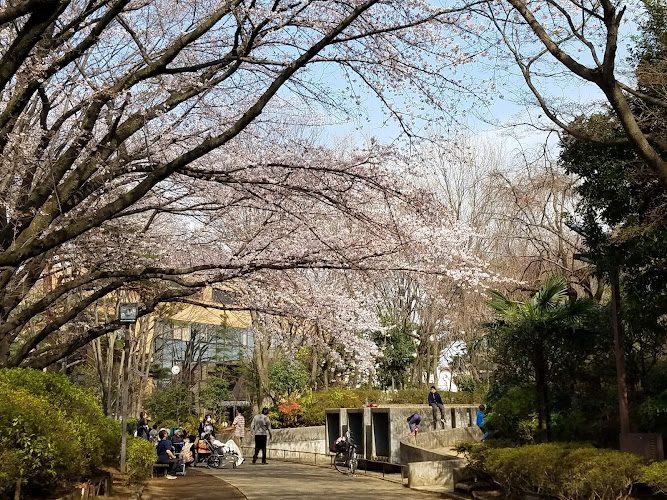
Keyaki Park stands as one of those quietly charming green areas tucked into the urban rhythm of Kodaira, Tokyo. It's not the kind of place that shouts for attention with flashy fountains or grand monuments, but I'll tell you—its understated beauty and local vibe are exactly what make it so inviting, both for travelers seeking respite and local families out for a stroll. You get to see another side of Japan here, the side where people just live and breathe and enjoy simple outdoor pleasures. I've wandered through a lot of Tokyo’s parks—sometimes you just crave real grass beneath your feet, a few trees overhead (and oh, the keyaki trees really do give the park its big-shouldered green look), and the sounds of children laughing or a gently tossed baseball hitting a glove. That’s the essential spirit of Keyaki Park.
What sets this park apart is its perfect blend of family-focus, inclusivity, and old-school outdoor fun. The playground is spacious and always buzzing with kids, the kind of place where you don't need to police your children every second. It's clean (as is typical for Japanese parks), and there’s a kind of gentle orderliness even when it’s busy—people just get it here. You’ll spot dog walkers, students taking shortcuts on bicycles, grandparents shuffling along tree-lined paths, and the odd couple picnicking on a weekend morning. Visiting the park feels like borrowing a slice of authentic Tokyo city life, away from the tourist crush but close enough to pair with a day of sightseeing or travel deeper into Kodaira. Even better, it's flat and wheelchair accessible—something not all parks in Tokyo can honestly boast. If you’re searching for a park that welcomes you with open arms (and allows dogs, which is rarer than you’d think in urban Japan), you’ve found your green oasis.
Now, the atmosphere is very “local regular,” but that doesn’t mean a traveler sticks out here—it’s the opposite. You blend, and for a moment, you’re folded into Japanese daily rhythms. And there’s no entry fee, so you can swing by even if you’re working your way through Tokyo with a budget in mind. I love how the park doesn’t cater solely to kids—it’s also a hub for sports, a peaceful lunch break, or simply a gentle walk under the avenue of keyaki trees as seasons change (the leaves—oh, especially in autumn).
Every park has its quirks, and if you ask me, Keyaki Park’s slight nonchalance is its charm. It’s not nearly as crowded or internationally known as somewhere like Ueno Park. There are minor gripes sometimes—maybe a restroom queue on a sunny Sunday, or the grass gets scruffy after summer typhoons (I've seen it a little worn around the playground after a rainy week). Still, the pros outweigh any nitpicks. In the end, Japan is a country that prizes small pleasures and subtle details, and Keyaki Park is a small but genuine taste of that cultural philosophy.
Key Features
- Family-friendly Playground: Spacious area with up-to-date equipment, plenty of room for kids to burn off energy.
- Baseball Field: Local teams and school kids frequently use the diamond; join in or just watch a casual game. If you’ve ever wanted to see a Japanese youth game, this is your chance!
- Wheelchair Accessible: Flat paths and dedicated parking make it comfortable and accessible for visitors of all abilities—I’ve seen plenty of wheelchair users enjoying the park without hassle.
- Dog-friendly Trails: Unleash your furry travel companion within reason, as leashed dogs are welcome throughout the park’s walking paths.
- Free On-site Parking: If you’re road-tripping across Tokyo or renting a car (not always usual for city travel, but hey—it happens), the convenience is real and no small thing in this city.
- Public Restrooms: Clean and decently maintained, not something to take for granted in every Tokyo park, trust me.
- Open Green Spaces: Enough grassy zones to lay out a mat for a picnic, play a game, or do nothing at all. In spring and autumn, you can find groups clustered under the trees, especially around cherry blossom season or the stunning fall colors.
- Peaceful Tree-Lined Walks: The park is named for the keyaki (zelkova) trees, which create canopies with dramatic, dappled light—photo opportunities abound, especially if you’re a leaf-peeper in fall.
Best Time to Visit
Let me level with you: Keyaki Park is the kind of spot where the season really shapes the experience. If I had to pick, autumn (late October to late November) is my top choice. The keyaki trees go all in on fiery red and yellow leaves, and there’s just this buzz of parents taking photos while kids dash through piles of leaves. The park gets super photogenic—Instagram-worthy, if you’re into those autumnal vibes.
Spring runs it close, honestly. The cherry blossom season brings a layer of pink and white pastels, and you’ll sometimes stumble upon local hanami picnics. Summer means extra hours of daylight (stay hydrated, it gets humid), and while winter’s a little chilly, you’ll still see regulars bundled up with thermoses and scarves. But if you ask me, avoid the rainy-season weeks around June if you’re not a fan of muddy patches or wet grass—it does impact the openness of the fields and how many people show up.
Weekdays are fantastic if you’re hoping for a quieter walk or a peaceful sit with minimal school groups thundering past. Weekends—especially sunny Saturdays—bring a festive, communal air, and that’s fun in its own way. There’s never *too* heavy a crowd, not like the manic crowd-pulling parks closer to big Tokyo stations.
How to Get There
Keyaki Park is tucked comfortably into the Josuihoncho area, not far from central Kodaira in western Tokyo. If you’re using the train (honestly, the best way to travel in Tokyo), the nearest station is probably Kokubunji Station, on the JR Chuo Line and Seibu Line—just a short direct walk, about 12-15 minutes on foot. There are signs pointing the way, and half the fun for a first-timer is people-watching as you pass local cafés, Japanese houses, and tiny gardens spilling onto the footpaths. If you’re coming from the heart of Tokyo—say, Tokyo Station or Shinjuku—you’ll want to hop on the Chuo Line (rapid trains are your friend here), change at Kokubunji, and follow the signs for Josuihoncho.
Prefer to drive? I’ll say it: Parking is usually the Achilles’ heel of visiting parks around Tokyo, BUT here, there’s a decent free parking lot right on site. I’ve never had serious trouble snagging a spot, even on weekends. And if you’re a biking enthusiast (I used to cycle this route myself), safe cycling lanes mean you can glide right up to the park entrance fuss-free.
Not in the habit of using a city map or Google Maps? No worries—locals are friendly and used to seeing confused visitors poking at kanji-strewn signs. Just say “Keyaki Koen?” with your best Japanese accent, and someone will point you in the right direction.
Tips for Visiting
- Plan meals ahead: Keyaki Park is a bring-your-own-food kind of place. There aren’t many restaurants right inside the park, so pack a bento or snacks if you want to picnic. There are great Japanese bakeries and convenience stores (try the onigiri, you can’t go wrong).
- Check out local baseball: If you’re a sports fan or love observing cultural pastimes, weekends are when local teams descend on the field. It makes the park feel lively, and you might even catch a home run or enthusiastic pep rally.
- Pet etiquette: Dogs are welcome but keep yours leashed and pick up after them—Japanese parks are nothing if not clean. There are bags and bins stationed near the entrances.
- Accessibility is above average: Flat walkways, ramps, and clear signage make navigation comfortable for mobility-impaired visitors and families with strollers.
- Travel light: There’s nowhere to lock valuables, so just bring the essentials. And in typical city-park fashion, theft’s rare, but why tempt fate?
- Weather check: Tokyo’s weather loves to surprise. Have an umbrella handy during rainy season, and sunscreen available during July and August—the open fields get fierce at midday.
- Enjoy seasonal changes: Keyaki Park’s strong points shine in different months. Don’t rush your walk—watch how the light filters through the keyaki leaves or how snow dusts their branches in January.
- Get local with it: Talk to locals (even if it’s just a smile or nod); you’ll get all sorts of tips, from shortcut paths to the best picnic spots under the trees. They might even recommend a family-run Japanese restaurant close by for lunch after.
- Try morning visits: Morning visits let you experience calm and the true “Tokyo at wakeup” atmosphere. Plus, the air is fresher, and you’ll share space mostly with joggers and old-timers stretching.
- Restrooms are solid, but not five-star: Clean, functional, but expect some lines at peak times. Always pack a little hand sanitizer and tissues, just in case the paper runs out—you’ll thank me later.
In the grand scope of Tokyo’s thousands of parks, Keyaki Park Kodaira Japan is a spot that rewards the traveler looking for authenticity, daily life, and a dash of off-the-guidebook tranquility. For families, dog lovers, walkers, picnic fans, or the simply curious, it’s a Japanese city park that feels refreshingly real—and I’ll vouch for it any day.
Key Features
- Canopied paths lined with keyaki (zelkova) trees
- Open lawns suitable for picnics and casual play
- Basic sports facilities (local fields / courts)
- Children’s playground equipment
- Accessible location within a residential neighborhood ~12–15 min walk from Kokubunji Station
More Details
Updated August 2, 2025
Table of Contents
Description
Keyaki Park stands as one of those quietly charming green areas tucked into the urban rhythm of Kodaira, Tokyo. It’s not the kind of place that shouts for attention with flashy fountains or grand monuments, but I’ll tell you—its understated beauty and local vibe are exactly what make it so inviting, both for travelers seeking respite and local families out for a stroll. You get to see another side of Japan here, the side where people just live and breathe and enjoy simple outdoor pleasures. I’ve wandered through a lot of Tokyo’s parks—sometimes you just crave real grass beneath your feet, a few trees overhead (and oh, the keyaki trees really do give the park its big-shouldered green look), and the sounds of children laughing or a gently tossed baseball hitting a glove. That’s the essential spirit of Keyaki Park.
What sets this park apart is its perfect blend of family-focus, inclusivity, and old-school outdoor fun. The playground is spacious and always buzzing with kids, the kind of place where you don’t need to police your children every second. It’s clean (as is typical for Japanese parks), and there’s a kind of gentle orderliness even when it’s busy—people just get it here. You’ll spot dog walkers, students taking shortcuts on bicycles, grandparents shuffling along tree-lined paths, and the odd couple picnicking on a weekend morning. Visiting the park feels like borrowing a slice of authentic Tokyo city life, away from the tourist crush but close enough to pair with a day of sightseeing or travel deeper into Kodaira. Even better, it’s flat and wheelchair accessible—something not all parks in Tokyo can honestly boast. If you’re searching for a park that welcomes you with open arms (and allows dogs, which is rarer than you’d think in urban Japan), you’ve found your green oasis.
Now, the atmosphere is very “local regular,” but that doesn’t mean a traveler sticks out here—it’s the opposite. You blend, and for a moment, you’re folded into Japanese daily rhythms. And there’s no entry fee, so you can swing by even if you’re working your way through Tokyo with a budget in mind. I love how the park doesn’t cater solely to kids—it’s also a hub for sports, a peaceful lunch break, or simply a gentle walk under the avenue of keyaki trees as seasons change (the leaves—oh, especially in autumn).
Every park has its quirks, and if you ask me, Keyaki Park’s slight nonchalance is its charm. It’s not nearly as crowded or internationally known as somewhere like Ueno Park. There are minor gripes sometimes—maybe a restroom queue on a sunny Sunday, or the grass gets scruffy after summer typhoons (I’ve seen it a little worn around the playground after a rainy week). Still, the pros outweigh any nitpicks. In the end, Japan is a country that prizes small pleasures and subtle details, and Keyaki Park is a small but genuine taste of that cultural philosophy.
Key Features
- Family-friendly Playground: Spacious area with up-to-date equipment, plenty of room for kids to burn off energy.
- Baseball Field: Local teams and school kids frequently use the diamond; join in or just watch a casual game. If you’ve ever wanted to see a Japanese youth game, this is your chance!
- Wheelchair Accessible: Flat paths and dedicated parking make it comfortable and accessible for visitors of all abilities—I’ve seen plenty of wheelchair users enjoying the park without hassle.
- Dog-friendly Trails: Unleash your furry travel companion within reason, as leashed dogs are welcome throughout the park’s walking paths.
- Free On-site Parking: If you’re road-tripping across Tokyo or renting a car (not always usual for city travel, but hey—it happens), the convenience is real and no small thing in this city.
- Public Restrooms: Clean and decently maintained, not something to take for granted in every Tokyo park, trust me.
- Open Green Spaces: Enough grassy zones to lay out a mat for a picnic, play a game, or do nothing at all. In spring and autumn, you can find groups clustered under the trees, especially around cherry blossom season or the stunning fall colors.
- Peaceful Tree-Lined Walks: The park is named for the keyaki (zelkova) trees, which create canopies with dramatic, dappled light—photo opportunities abound, especially if you’re a leaf-peeper in fall.
Best Time to Visit
Let me level with you: Keyaki Park is the kind of spot where the season really shapes the experience. If I had to pick, autumn (late October to late November) is my top choice. The keyaki trees go all in on fiery red and yellow leaves, and there’s just this buzz of parents taking photos while kids dash through piles of leaves. The park gets super photogenic—Instagram-worthy, if you’re into those autumnal vibes.
Spring runs it close, honestly. The cherry blossom season brings a layer of pink and white pastels, and you’ll sometimes stumble upon local hanami picnics. Summer means extra hours of daylight (stay hydrated, it gets humid), and while winter’s a little chilly, you’ll still see regulars bundled up with thermoses and scarves. But if you ask me, avoid the rainy-season weeks around June if you’re not a fan of muddy patches or wet grass—it does impact the openness of the fields and how many people show up.
Weekdays are fantastic if you’re hoping for a quieter walk or a peaceful sit with minimal school groups thundering past. Weekends—especially sunny Saturdays—bring a festive, communal air, and that’s fun in its own way. There’s never *too* heavy a crowd, not like the manic crowd-pulling parks closer to big Tokyo stations.
How to Get There
Keyaki Park is tucked comfortably into the Josuihoncho area, not far from central Kodaira in western Tokyo. If you’re using the train (honestly, the best way to travel in Tokyo), the nearest station is probably Kokubunji Station, on the JR Chuo Line and Seibu Line—just a short direct walk, about 12-15 minutes on foot. There are signs pointing the way, and half the fun for a first-timer is people-watching as you pass local cafés, Japanese houses, and tiny gardens spilling onto the footpaths. If you’re coming from the heart of Tokyo—say, Tokyo Station or Shinjuku—you’ll want to hop on the Chuo Line (rapid trains are your friend here), change at Kokubunji, and follow the signs for Josuihoncho.
Prefer to drive? I’ll say it: Parking is usually the Achilles’ heel of visiting parks around Tokyo, BUT here, there’s a decent free parking lot right on site. I’ve never had serious trouble snagging a spot, even on weekends. And if you’re a biking enthusiast (I used to cycle this route myself), safe cycling lanes mean you can glide right up to the park entrance fuss-free.
Not in the habit of using a city map or Google Maps? No worries—locals are friendly and used to seeing confused visitors poking at kanji-strewn signs. Just say “Keyaki Koen?” with your best Japanese accent, and someone will point you in the right direction.
Tips for Visiting
- Plan meals ahead: Keyaki Park is a bring-your-own-food kind of place. There aren’t many restaurants right inside the park, so pack a bento or snacks if you want to picnic. There are great Japanese bakeries and convenience stores (try the onigiri, you can’t go wrong).
- Check out local baseball: If you’re a sports fan or love observing cultural pastimes, weekends are when local teams descend on the field. It makes the park feel lively, and you might even catch a home run or enthusiastic pep rally.
- Pet etiquette: Dogs are welcome but keep yours leashed and pick up after them—Japanese parks are nothing if not clean. There are bags and bins stationed near the entrances.
- Accessibility is above average: Flat walkways, ramps, and clear signage make navigation comfortable for mobility-impaired visitors and families with strollers.
- Travel light: There’s nowhere to lock valuables, so just bring the essentials. And in typical city-park fashion, theft’s rare, but why tempt fate?
- Weather check: Tokyo’s weather loves to surprise. Have an umbrella handy during rainy season, and sunscreen available during July and August—the open fields get fierce at midday.
- Enjoy seasonal changes: Keyaki Park’s strong points shine in different months. Don’t rush your walk—watch how the light filters through the keyaki leaves or how snow dusts their branches in January.
- Get local with it: Talk to locals (even if it’s just a smile or nod); you’ll get all sorts of tips, from shortcut paths to the best picnic spots under the trees. They might even recommend a family-run Japanese restaurant close by for lunch after.
- Try morning visits: Morning visits let you experience calm and the true “Tokyo at wakeup” atmosphere. Plus, the air is fresher, and you’ll share space mostly with joggers and old-timers stretching.
- Restrooms are solid, but not five-star: Clean, functional, but expect some lines at peak times. Always pack a little hand sanitizer and tissues, just in case the paper runs out—you’ll thank me later.
In the grand scope of Tokyo’s thousands of parks, Keyaki Park Kodaira Japan is a spot that rewards the traveler looking for authenticity, daily life, and a dash of off-the-guidebook tranquility. For families, dog lovers, walkers, picnic fans, or the simply curious, it’s a Japanese city park that feels refreshingly real—and I’ll vouch for it any day.
Key Highlights
- Canopied paths lined with keyaki (zelkova) trees
- Open lawns suitable for picnics and casual play
- Basic sports facilities (local fields / courts)
- Children’s playground equipment
- Accessible location within a residential neighborhood ~12–15 min walk from Kokubunji Station
Location
Places to Stay Near Keyaki Park
Find and Book a Tour
Explore More Travel Guides
No reviews found! Be the first to review!
Traveler Reviews for Keyaki Park
There are no reviews yet. Be the first one to write one.
Have you visited Keyaki Park? Help other travelers by sharing your review.
Nearby Attractions
You Might Also Like
Green Road
Sewerage Museum
Kudonotsuji Park
Find Accommodations Nearby
Recommended Tours & Activities
Visitor Reviews
There are no reviews yet. Be the first one to write one.
Share Your Experience
Have you visited Keyaki Park? Help other travelers by leaving a review.