
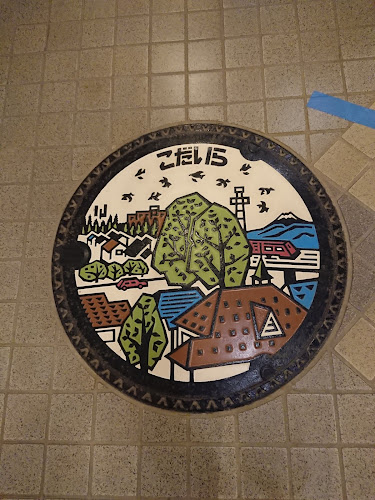
Sewerage Museum
About Sewerage Museum
Description
The Sewerage Museum in Kodaira, often referred to by locals as ふれあい下水道館, is an unexpectedly fascinating technical museum that takes visitors below the surface — literally and figuratively — to explore how modern cities keep themselves clean and dry. It presents sewerage science with a mix of real equipment, scale models, hands-on displays and a few theatrical demonstrations that make what could be dry subject matter feel alive. For travelers interested in engineering, urban infrastructure, environmental science, or just unusual museums, this place offers a quirky and educational detour from the usual museum circuit in Tokyo.
What makes this museum distinct is its underground theme and the way it blends technical detail with accessibility. Visitors will find a full-size pumping station demonstration, cross-sections of tunnels, and interactive exhibits that simulate flood control and wastewater treatment processes. Kids can press buttons, watch water swirl through transparent pipes, and see how grit and grease are removed before water returns to the environment. Adults who like systems thinking will appreciate the step-by-step explanations of primary, secondary and tertiary treatment stages, while teachers and parents will breathe a sigh of relief because the museum actually makes complex processes understandable without resorting to jargon.
Accessibility is not an afterthought here. The museum provides a wheelchair accessible entrance, an accessible parking lot, and wheelchair accessible restrooms, so mobility-impaired visitors and families with strollers can explore with relative ease. There is a public restroom inside the facility, but no full-service restaurant, so plan on a light meal before or after the visit. The space tends to be family-friendly, and many displays were clearly designed with children in mind: colorful panels, a small-scale sewer maze for imaginative play, and interactive simulators that invite experimentation rather than lecture-style learning.
Atmosphere-wise, the museum is practical and low-key rather than spectacle-driven. The lighting is gentle, the walkways are wide, and the exhibits are organized logically so the narrative of water in the city moves from source to treatment to release. And while the theme could easily be off-putting for some, the curators do a good job avoiding gross-out territory. Smells are minimal — the real treatment machinery is cleverly isolated — which is something the author (who once braved a very smelly industrial tour in another country) appreciated. The overall tone is educational but friendly: staff are helpful, volunteers often provide live demonstrations, and a few displays use humor to keep attention without undermining the subject matter.
Visitors looking for unusual photo ops will find them: the scale model of a stormwater tunnel lit dramatically, control room panels with blinking lights, and an exhibit that recreates a thunderstorm's impact on drainage capacity. It is worth noting that while the museum leans technical, it also leans practical. Case studies about how the city responds to heavy rain, how garbage can clog systems, and how modern engineering reduces flood risk are common. That practical focus makes the museum useful for people planning urban infrastructure study tours, sustainability-focused travelers, or families hoping to spark a child's interest in engineering.
Timing a visit depends on what kind of experience is sought. Weekdays tend to be calmer, which suits people who like to linger over explanatory panels and ask staff questions. Weekends are livelier, often filled with families and school groups, and sometimes include special demo programs geared toward kids. The museum’s layout encourages wandering at a relaxed pace, but a focused visit that takes in the highlights will typically take about 60 to 90 minutes. Those who love details and enjoy reading every panel can easily spend two hours or more. The author recommends allocating at least 90 minutes so you don’t have to rush — and so you can catch any live demonstrations that may start on the hour.
Practical planning notes woven into the visit narrative: because there is no restaurant, bring small snacks or plan to eat nearby. There are benches and resting spots on the exhibits’ circuit, so breaks are possible. Restrooms are available on site, including accessible facilities. Because some exhibits are geared to kids, families should know they can leave a stroller at the entrance or wheel it through; circulation spaces are stroller-friendly. The museum works especially well as part of a day trip that includes other parts of Kodaira, since it’s not far from public transport options that connect comfortably with central Tokyo.
There are some lesser-known and delightful features that caught the author’s attention. For example, there is a model of an old, historical sewer system that shows how approaches changed over time — a nice reminder that urban sanitation evolved in fits and starts. Another interesting corner houses behind-the-scenes maintenance tools and protective gear that operators actually use; seeing a real worker’s harness and inspection lamp humanizes the big machines. The museum also sometimes runs workshops where kids can build mini-filtration systems or test how different materials clog channels. These hands-on sessions often create aha moments that last longer than a static display ever could.
One thing to keep in mind: the museum’s tone balances realism and encouragement for public awareness. Exhibits explain why proper disposal of fats, oils and wet wipes matters, and they encourage civic responsibility without being moralizing. That approach works, because visitors leave with useful, actionable knowledge — like how to reduce the chance of local drain blockages after a heavy rain — rather than guilt. The museum quietly fulfills an important role in urban life: educating residents and visitors about a hidden but essential part of metropolitan living.
For travelers who enjoy niche museums, the Sewerage Museum ranks high as a memorable, educational stop. It offers a different kind of sightseeing: learning how the city functions underfoot. The author remembers recommending this museum to a friend who studied environmental policy; after a 90-minute visit, the friend said they suddenly understood a whole chapter of municipal planning that had previously been abstract. That kind of conversion — from curious passerby to engaged learner — happens here regularly, which is a compliment to the exhibit design and to the museum staff.
Expect clear signage in Japanese, and many panel translations in English, making the museum welcoming to international visitors. Volunteers and staff often speak at least basic English and are happy to demonstrate exhibits if asked. If someone has particular accessibility needs or wants to arrange a group visit or a guided tour, a quick phone call ahead of time is recommended; the museum tends to be accommodating and will share helpful details over the phone or via email. But even without pre-arrangement, spontaneous visits work fine most days.
Finally, a few candid tips the author learned the hard way: plan to go on a day when weather is not overwhelming if you want to pair the museum with a stroll outdoors, because nearby green areas are nicer to enjoy when it’s dry. Bring a small notebook or phone to snap exhibit names and terms; the exhibits are rich with concepts that are fun to revisit later. And if a child in your party starts asking a steady stream of technical questions, lean in and enjoy — the museum seems designed to reward curiosity. The Sewerage Museum in Kodaira is not just a place to see pipes and pumps; it’s a place that quietly reshapes how visitors think about city life, resilience and the everyday systems that keep urban areas running. That makes it worth a spot on any traveler’s Tokyo itinerary who wants a deeper, slightly offbeat look at how cities work.
Key Features
More Details
Updated August 30, 2025
Table of Contents
Description
The Sewerage Museum in Kodaira, often referred to by locals as ふれあい下水道館, is an unexpectedly fascinating technical museum that takes visitors below the surface — literally and figuratively — to explore how modern cities keep themselves clean and dry. It presents sewerage science with a mix of real equipment, scale models, hands-on displays and a few theatrical demonstrations that make what could be dry subject matter feel alive. For travelers interested in engineering, urban infrastructure, environmental science, or just unusual museums, this place offers a quirky and educational detour from the usual museum circuit in Tokyo.
What makes this museum distinct is its underground theme and the way it blends technical detail with accessibility. Visitors will find a full-size pumping station demonstration, cross-sections of tunnels, and interactive exhibits that simulate flood control and wastewater treatment processes. Kids can press buttons, watch water swirl through transparent pipes, and see how grit and grease are removed before water returns to the environment. Adults who like systems thinking will appreciate the step-by-step explanations of primary, secondary and tertiary treatment stages, while teachers and parents will breathe a sigh of relief because the museum actually makes complex processes understandable without resorting to jargon.
Accessibility is not an afterthought here. The museum provides a wheelchair accessible entrance, an accessible parking lot, and wheelchair accessible restrooms, so mobility-impaired visitors and families with strollers can explore with relative ease. There is a public restroom inside the facility, but no full-service restaurant, so plan on a light meal before or after the visit. The space tends to be family-friendly, and many displays were clearly designed with children in mind: colorful panels, a small-scale sewer maze for imaginative play, and interactive simulators that invite experimentation rather than lecture-style learning.
Atmosphere-wise, the museum is practical and low-key rather than spectacle-driven. The lighting is gentle, the walkways are wide, and the exhibits are organized logically so the narrative of water in the city moves from source to treatment to release. And while the theme could easily be off-putting for some, the curators do a good job avoiding gross-out territory. Smells are minimal — the real treatment machinery is cleverly isolated — which is something the author (who once braved a very smelly industrial tour in another country) appreciated. The overall tone is educational but friendly: staff are helpful, volunteers often provide live demonstrations, and a few displays use humor to keep attention without undermining the subject matter.
Visitors looking for unusual photo ops will find them: the scale model of a stormwater tunnel lit dramatically, control room panels with blinking lights, and an exhibit that recreates a thunderstorm’s impact on drainage capacity. It is worth noting that while the museum leans technical, it also leans practical. Case studies about how the city responds to heavy rain, how garbage can clog systems, and how modern engineering reduces flood risk are common. That practical focus makes the museum useful for people planning urban infrastructure study tours, sustainability-focused travelers, or families hoping to spark a child’s interest in engineering.
Timing a visit depends on what kind of experience is sought. Weekdays tend to be calmer, which suits people who like to linger over explanatory panels and ask staff questions. Weekends are livelier, often filled with families and school groups, and sometimes include special demo programs geared toward kids. The museum’s layout encourages wandering at a relaxed pace, but a focused visit that takes in the highlights will typically take about 60 to 90 minutes. Those who love details and enjoy reading every panel can easily spend two hours or more. The author recommends allocating at least 90 minutes so you don’t have to rush — and so you can catch any live demonstrations that may start on the hour.
Practical planning notes woven into the visit narrative: because there is no restaurant, bring small snacks or plan to eat nearby. There are benches and resting spots on the exhibits’ circuit, so breaks are possible. Restrooms are available on site, including accessible facilities. Because some exhibits are geared to kids, families should know they can leave a stroller at the entrance or wheel it through; circulation spaces are stroller-friendly. The museum works especially well as part of a day trip that includes other parts of Kodaira, since it’s not far from public transport options that connect comfortably with central Tokyo.
There are some lesser-known and delightful features that caught the author’s attention. For example, there is a model of an old, historical sewer system that shows how approaches changed over time — a nice reminder that urban sanitation evolved in fits and starts. Another interesting corner houses behind-the-scenes maintenance tools and protective gear that operators actually use; seeing a real worker’s harness and inspection lamp humanizes the big machines. The museum also sometimes runs workshops where kids can build mini-filtration systems or test how different materials clog channels. These hands-on sessions often create aha moments that last longer than a static display ever could.
One thing to keep in mind: the museum’s tone balances realism and encouragement for public awareness. Exhibits explain why proper disposal of fats, oils and wet wipes matters, and they encourage civic responsibility without being moralizing. That approach works, because visitors leave with useful, actionable knowledge — like how to reduce the chance of local drain blockages after a heavy rain — rather than guilt. The museum quietly fulfills an important role in urban life: educating residents and visitors about a hidden but essential part of metropolitan living.
For travelers who enjoy niche museums, the Sewerage Museum ranks high as a memorable, educational stop. It offers a different kind of sightseeing: learning how the city functions underfoot. The author remembers recommending this museum to a friend who studied environmental policy; after a 90-minute visit, the friend said they suddenly understood a whole chapter of municipal planning that had previously been abstract. That kind of conversion — from curious passerby to engaged learner — happens here regularly, which is a compliment to the exhibit design and to the museum staff.
Expect clear signage in Japanese, and many panel translations in English, making the museum welcoming to international visitors. Volunteers and staff often speak at least basic English and are happy to demonstrate exhibits if asked. If someone has particular accessibility needs or wants to arrange a group visit or a guided tour, a quick phone call ahead of time is recommended; the museum tends to be accommodating and will share helpful details over the phone or via email. But even without pre-arrangement, spontaneous visits work fine most days.
Finally, a few candid tips the author learned the hard way: plan to go on a day when weather is not overwhelming if you want to pair the museum with a stroll outdoors, because nearby green areas are nicer to enjoy when it’s dry. Bring a small notebook or phone to snap exhibit names and terms; the exhibits are rich with concepts that are fun to revisit later. And if a child in your party starts asking a steady stream of technical questions, lean in and enjoy — the museum seems designed to reward curiosity. The Sewerage Museum in Kodaira is not just a place to see pipes and pumps; it’s a place that quietly reshapes how visitors think about city life, resilience and the everyday systems that keep urban areas running. That makes it worth a spot on any traveler’s Tokyo itinerary who wants a deeper, slightly offbeat look at how cities work.
Key Highlights
Sewerage Museum
Location
Places to Stay Near Sewerage Museum
Find and Book a Tour
Explore More Travel Guides
No reviews found! Be the first to review!
Traveler Reviews for Sewerage Museum
There are no reviews yet. Be the first one to write one.
Have you visited Sewerage Museum? Help other travelers by sharing your review.
You Might Also Like
BRIDGESTONE TODAY
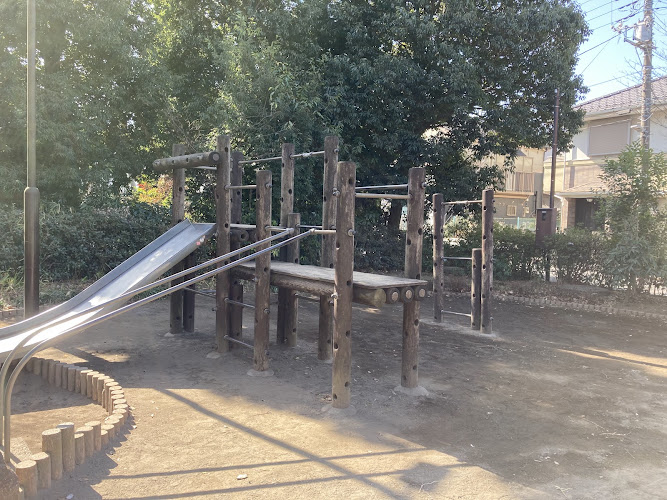
Suzuki-kaido Park
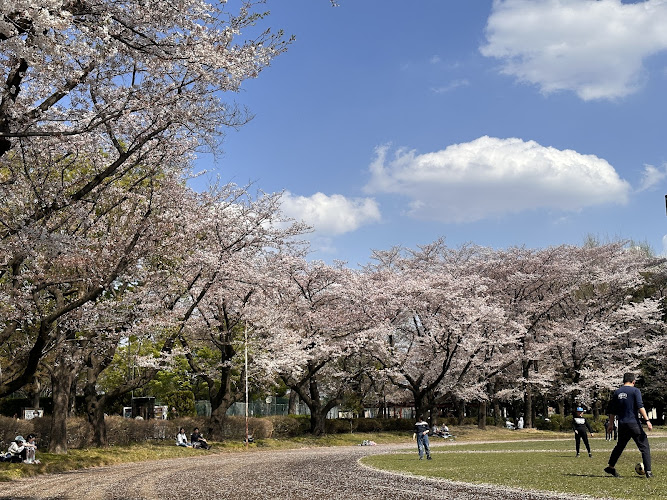
Kodaira City Central Park
Find Accommodations Nearby
Recommended Tours & Activities
Visitor Reviews
There are no reviews yet. Be the first one to write one.
Share Your Experience
Have you visited Sewerage Museum? Help other travelers by leaving a review.