
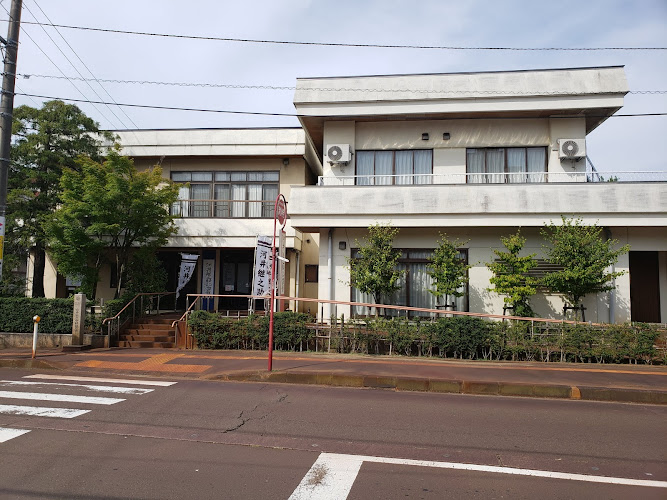
Kawai Tsuginosuke Memorial Museum
About Kawai Tsuginosuke Memorial Museum
Description
Step back in time—no seriously, you’ll feel it standing in the quiet halls of the Kawai Tsuginosuke Memorial Museum, a compact but spirited gem for history buffs and casual wanderers alike. Tucked away in Nagaoka and often overlooked in favor of Japan’s glitzy urban museums, this low-key spot gives you something different: a closer look at one of the Boshin War’s lesser-sung heroes, Tsuginosuke Kawai. For those scratching their heads, the Boshin War was basically Japan’s big “make or break” moment, a civil war right as the age of the shoguns bowed out and the emperor took charge. And Kawai? He’s the kind of military commander you wish you’d heard about sooner—principled, courageous, yet tragically fated.
Unlike a glossy mega-museum, there aren’t armies of staff buzzing around or endless interactive screens. Here, the storytelling is quieter and more personal: samurai swords, faded battle maps, handwritten letters—the type of authentic relics I’ve always found far more interesting than digital recreations. There’s an intimacy to it. Even if you’re not a “history person,” you might come away feeling moved or at least a little more curious about how ordinary people shaped gigantic chapters in Japan’s past. English explanations are there for most of the core displays, though, fair warning—not everything’s translated, so you might catch yourself deciphering old photographs and artifacts with a little imagination.
The flow is easy, not at all stuffy or overwhelming (no “museum fatigue!”). And it’s wheelchair accessible, which is often not the case at older Japanese museums, so kudos for that. The restroom’s clean. No café or restaurant, so plan for food elsewhere—I’ve been there, hungry after a deep dive into samurai relics. But really, it’s the authenticity and focus that won me over: for a moment you step straight into the shoes of a leader who stayed stubbornly loyal as his world was falling apart. You’ll feel that loyalty and sacrifice hanging in the air.
Key Features
-
Artifacts Direct from the Boshin War:
Personally, nothing quite compares to peering at items that survived war. Kawai’s armor, handwritten correspondence, and battle flags evoke an almost visceral sense of time and place. If you’re the type who likes to mentally time travel, it’s a treat. -
Authentic, Understated Atmosphere:
No flashy distractions here. The museum opts for simplicity, letting the stories and artifacts speak for themselves. You’ll actually have space to reflect—unlike in more crowded or tourist-driven museums. -
Well-Curated Storytelling:
The exhibits aren’t massive, but they’re thoughtfully selected. You get a punchy narrative about Kawai’s role—his defense of Nagaoka and bittersweet legacy. Seriously, his personal honor and pragmatism come across loud and clear. -
Accessibility:
Both the entrance and restroom are wheelchair accessible, a detail that’s great for those who’ve dealt with the maze of stairs elsewhere in Japan’s historic sights. -
Quiet, Welcoming Ambiance:
Never once did I feel rushed or crowded out—the pace is up to you. If you like having a few peaceful moments with history, this is the place. -
Local Connection:
It’s a strong point—this museum’s as much for locals as visitors, fostering a sense of community pride. You’ll see the passion in handwritten notes, local donations, and staff eager to share Kawai’s story. -
Educational Value for All Ages:
With clear chronological displays and visuals, it’s accessible for kids, students, and grandparents. If you’re traveling in a group with mixed interests, there’s enough here to prompt lively dinner conversations after.
Best Time to Visit
If you want to savor the exhibits in peace (trust me, it’s so easy to lose your train of thought when there’s a tour group in tow), aim for a weekday, ideally in the morning. Weekends see a modest uptick, especially when students come on field trips or during local festivals, but it’s never pandemonium—just slightly buzzier.
Springtime’s a personal favorite—I’ll never forget strolling up amid cherry blossoms, feeling that dreamy contrast between the soft petals outside and the grim realities captured within the museum. Autumn’s also atmospheric; the amber light slanting through the windows pairs hauntingly with Kawai’s tale of sacrifice. Though the weather won’t affect your enjoyment (it’s indoors!), going on a clear day makes it easier to appreciate the tranquil walkways and historical touches outside the building.
If you’re a history buff following the Boshin War trail or samurai heritage routes, check if your visit coincides with any seasonal displays or local commemorative events. Sometimes, the museum hosts special talks or rotating mini-exhibits honoring other unsung figures of the era—worth keeping an eye out for.
How to Get There
Finding the Kawai Tsuginosuke Memorial Museum is thankfully a breeze, even if you’re, like me, a bit directionally challenged in new cities. If you’re coming by train, head to JR Nagaoka Station—one of Niigata’s main hubs, easily reached from Tokyo or Niigata City via the shinkansen (bullet train) in roughly 2 hours. From the station, I usually opt for a short taxi ride—it’s the kind of place where explaining to the driver is a cinch, or hand over a note with the name in Japanese just in case! Buses also operate from the station and will drop you near the neighborhood, but double-check the schedules as they’re not as frequent as city lines.
For those who like a bit of an adventure (or want to stretch their legs), the museum is walkable from the station—expect about a 20-25 minute trek through local streets, which isn’t bad if the weather’s good or you like catching glimpses of daily life in Nagaoka. Parking is generally available nearby for drivers, though weekends can see the handful of spots fill up faster.
If you’re coming straight from elsewhere in Niigata Prefecture, route planners work well, but keep in mind rural trains run less often—definitely not the Tokyo subway! And, as always in Japan, carrying cash for tickets or local bus rides is wise, since not every spot takes cards. Been there, regretted that.
Tips for Visiting
Thinking of stopping by? Here’s some seasoned wisdom so you get the most out of it:
-
Set Aside an Hour… Maybe Two:
The core exhibits don’t take all day, but if you love lingering over old letters or pausing with a good audio guide, you’ll want a bit of buffer. -
Bring a Translation App or Guidebook:
Most highlights offer English, but not every placard is translated. Snapping a quick photo for translation apps (or gently pestering a staff member with questions—they’re usually delighted) adds layers you might miss. -
Think About Food Plans:
No restaurant or café onsite—so fuel up before you arrive, or plan a snack after. The local area has charming eateries, and staff are usually happy to recommend their favorites if you ask. -
Respect the Atmosphere:
It sounds obvious, but this isn’t a selfie-spot or noisy tourist trap. Quiet reflection leads to a richer experience. And please, no touching the artifacts (tempting as it is). -
Check for Events:
If you time it with a special talk or exhibition, your visit goes from great to unforgettable. Don’t be shy about asking in advance or at the front desk. -
Accessibility:
Wheelchair users and those with mobility needs will have no trouble—ramps and accessible restrooms are provided. For anyone who’s struggled with steep stairs elsewhere in Japan, it’s a relief. -
Gift Shop… or Lack Thereof:
There isn’t an expansive gift shop, but look out for unique local crafts—occasionally, the museum stocks specialty items linked to Nagaoka or Boshin War history. Perfect for a more thoughtful souvenir. -
Photography Policy:
Rules sometimes shift on what can be photographed—always double-check before snapping away inside. I once got caught out, and nobody wants that awkward “sir, no photos please”
Key Features
- Key Features
- Best Time to Visit
- How to Get There
- Tips for Visiting
More Details
Updated July 6, 2025
Table of Contents
Description
Step back in time—no seriously, you’ll feel it standing in the quiet halls of the Kawai Tsuginosuke Memorial Museum, a compact but spirited gem for history buffs and casual wanderers alike. Tucked away in Nagaoka and often overlooked in favor of Japan’s glitzy urban museums, this low-key spot gives you something different: a closer look at one of the Boshin War’s lesser-sung heroes, Tsuginosuke Kawai. For those scratching their heads, the Boshin War was basically Japan’s big “make or break” moment, a civil war right as the age of the shoguns bowed out and the emperor took charge. And Kawai? He’s the kind of military commander you wish you’d heard about sooner—principled, courageous, yet tragically fated.
Unlike a glossy mega-museum, there aren’t armies of staff buzzing around or endless interactive screens. Here, the storytelling is quieter and more personal: samurai swords, faded battle maps, handwritten letters—the type of authentic relics I’ve always found far more interesting than digital recreations. There’s an intimacy to it. Even if you’re not a “history person,” you might come away feeling moved or at least a little more curious about how ordinary people shaped gigantic chapters in Japan’s past. English explanations are there for most of the core displays, though, fair warning—not everything’s translated, so you might catch yourself deciphering old photographs and artifacts with a little imagination.
The flow is easy, not at all stuffy or overwhelming (no “museum fatigue!”). And it’s wheelchair accessible, which is often not the case at older Japanese museums, so kudos for that. The restroom’s clean. No café or restaurant, so plan for food elsewhere—I’ve been there, hungry after a deep dive into samurai relics. But really, it’s the authenticity and focus that won me over: for a moment you step straight into the shoes of a leader who stayed stubbornly loyal as his world was falling apart. You’ll feel that loyalty and sacrifice hanging in the air.
Key Features
-
Artifacts Direct from the Boshin War:
Personally, nothing quite compares to peering at items that survived war. Kawai’s armor, handwritten correspondence, and battle flags evoke an almost visceral sense of time and place. If you’re the type who likes to mentally time travel, it’s a treat. -
Authentic, Understated Atmosphere:
No flashy distractions here. The museum opts for simplicity, letting the stories and artifacts speak for themselves. You’ll actually have space to reflect—unlike in more crowded or tourist-driven museums. -
Well-Curated Storytelling:
The exhibits aren’t massive, but they’re thoughtfully selected. You get a punchy narrative about Kawai’s role—his defense of Nagaoka and bittersweet legacy. Seriously, his personal honor and pragmatism come across loud and clear. -
Accessibility:
Both the entrance and restroom are wheelchair accessible, a detail that’s great for those who’ve dealt with the maze of stairs elsewhere in Japan’s historic sights. -
Quiet, Welcoming Ambiance:
Never once did I feel rushed or crowded out—the pace is up to you. If you like having a few peaceful moments with history, this is the place. -
Local Connection:
It’s a strong point—this museum’s as much for locals as visitors, fostering a sense of community pride. You’ll see the passion in handwritten notes, local donations, and staff eager to share Kawai’s story. -
Educational Value for All Ages:
With clear chronological displays and visuals, it’s accessible for kids, students, and grandparents. If you’re traveling in a group with mixed interests, there’s enough here to prompt lively dinner conversations after.
Best Time to Visit
If you want to savor the exhibits in peace (trust me, it’s so easy to lose your train of thought when there’s a tour group in tow), aim for a weekday, ideally in the morning. Weekends see a modest uptick, especially when students come on field trips or during local festivals, but it’s never pandemonium—just slightly buzzier.
Springtime’s a personal favorite—I’ll never forget strolling up amid cherry blossoms, feeling that dreamy contrast between the soft petals outside and the grim realities captured within the museum. Autumn’s also atmospheric; the amber light slanting through the windows pairs hauntingly with Kawai’s tale of sacrifice. Though the weather won’t affect your enjoyment (it’s indoors!), going on a clear day makes it easier to appreciate the tranquil walkways and historical touches outside the building.
If you’re a history buff following the Boshin War trail or samurai heritage routes, check if your visit coincides with any seasonal displays or local commemorative events. Sometimes, the museum hosts special talks or rotating mini-exhibits honoring other unsung figures of the era—worth keeping an eye out for.
How to Get There
Finding the Kawai Tsuginosuke Memorial Museum is thankfully a breeze, even if you’re, like me, a bit directionally challenged in new cities. If you’re coming by train, head to JR Nagaoka Station—one of Niigata’s main hubs, easily reached from Tokyo or Niigata City via the shinkansen (bullet train) in roughly 2 hours. From the station, I usually opt for a short taxi ride—it’s the kind of place where explaining to the driver is a cinch, or hand over a note with the name in Japanese just in case! Buses also operate from the station and will drop you near the neighborhood, but double-check the schedules as they’re not as frequent as city lines.
For those who like a bit of an adventure (or want to stretch their legs), the museum is walkable from the station—expect about a 20-25 minute trek through local streets, which isn’t bad if the weather’s good or you like catching glimpses of daily life in Nagaoka. Parking is generally available nearby for drivers, though weekends can see the handful of spots fill up faster.
If you’re coming straight from elsewhere in Niigata Prefecture, route planners work well, but keep in mind rural trains run less often—definitely not the Tokyo subway! And, as always in Japan, carrying cash for tickets or local bus rides is wise, since not every spot takes cards. Been there, regretted that.
Tips for Visiting
Thinking of stopping by? Here’s some seasoned wisdom so you get the most out of it:
-
Set Aside an Hour… Maybe Two:
The core exhibits don’t take all day, but if you love lingering over old letters or pausing with a good audio guide, you’ll want a bit of buffer. -
Bring a Translation App or Guidebook:
Most highlights offer English, but not every placard is translated. Snapping a quick photo for translation apps (or gently pestering a staff member with questions—they’re usually delighted) adds layers you might miss. -
Think About Food Plans:
No restaurant or café onsite—so fuel up before you arrive, or plan a snack after. The local area has charming eateries, and staff are usually happy to recommend their favorites if you ask. -
Respect the Atmosphere:
It sounds obvious, but this isn’t a selfie-spot or noisy tourist trap. Quiet reflection leads to a richer experience. And please, no touching the artifacts (tempting as it is). -
Check for Events:
If you time it with a special talk or exhibition, your visit goes from great to unforgettable. Don’t be shy about asking in advance or at the front desk. -
Accessibility:
Wheelchair users and those with mobility needs will have no trouble—ramps and accessible restrooms are provided. For anyone who’s struggled with steep stairs elsewhere in Japan, it’s a relief. -
Gift Shop… or Lack Thereof:
There isn’t an expansive gift shop, but look out for unique local crafts—occasionally, the museum stocks specialty items linked to Nagaoka or Boshin War history. Perfect for a more thoughtful souvenir. -
Photography Policy:
Rules sometimes shift on what can be photographed—always double-check before snapping away inside. I once got caught out, and nobody wants that awkward “sir, no photos please”Key Highlights
- Key Features
- Best Time to Visit
- How to Get There
- Tips for Visiting
Location
Places to Stay Near Kawai Tsuginosuke Memorial Museum
Find and Book a Tour
Explore More Travel Guides
No reviews found! Be the first to review!
Traveler Reviews for Kawai Tsuginosuke Memorial Museum
There are no reviews yet. Be the first one to write one.
Have you visited Kawai Tsuginosuke Memorial Museum? Help other travelers by sharing your review.
You Might Also Like
Nagaoka City Museum of Local History

Koshiji Kasen Park

Nagaoka
Find Accommodations Nearby
Recommended Tours & Activities
Visitor Reviews
There are no reviews yet. Be the first one to write one.
Share Your Experience
Have you visited Kawai Tsuginosuke Memorial Museum? Help other travelers by leaving a review.