
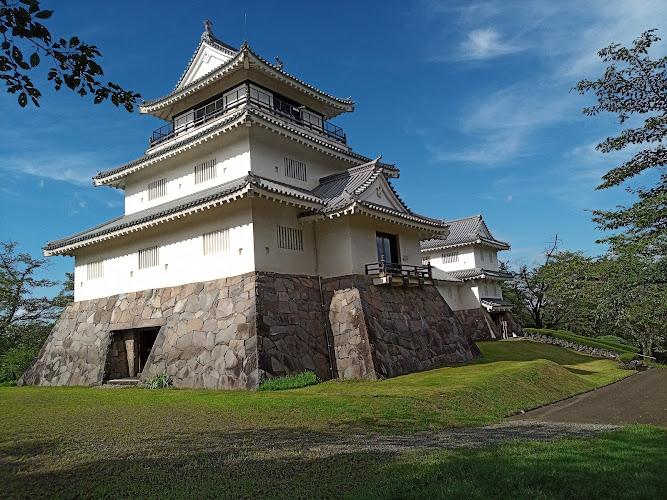
Nagaoka City Museum of Local History
About Nagaoka City Museum of Local History
Description
Welcome to a slice of Niigata’s storied past—Nagaoka City Museum of Local History is one of those rare finds where local heritage isn’t just preserved, it’s celebrated. This isn’t your average “musty-room-and-squeaky-floorboards” kind of museum experience (though if you’re like me and enjoy the smell of old books and dust, you wouldn’t mind it either!). Here, you get a boots-on-the-ground journey through the heart and soul of Nagaoka, tracing everything from regional feudal life, touching stories of resilience after wartime devastation, and vibrant festivals that define the city today.
What really struck me the first time I visited (and yes, I’ve been more than once—couldn’t resist the Edo-period armor and hands-on displays) was how this museum manages to balance breathing room and information overload. The displays are detailed yet not overbearing. There’s a quiet, methodical design to the exhibits—you can really meander at your own pace, diving deep into things like local crafts, the dramatic tumult of the Boshin War, or the bones of everyday life centuries ago. Forget those ultra-busy, big-city museums where you can’t see a thing for the crowds; at Nagaoka City Museum, you get time to breathe…and, more importantly, to imagine.
If you’ve got kids trailing with you, good news—they won’t be bored stiff either. There are interactive zones where young visitors (and, I’ll be honest, grown-ups like me) can roll up their sleeves, try on period costumes, or try their hand at old-fashioned crafts. And don’t worry about accessibility—restrooms are wheelchair-friendly, so nobody’s left out of the fun.
It’s not all about history for history’s sake, either. There’s an observation deck that opens up to some classic Japanese park scenery—think rolling hills and cherry blossoms in spring, or a fiery red palette come autumn. It’s one of my favorite spots for catching a moment of calm, particularly after chewing on all those history lessons inside!
Key Features
- Diverse Exhibits: From samurai armor and scrolls to detailed dioramas of local life; there’s so much to see you’ll wish you had more eyes!
- Interactive Activities: Try on traditional garments, handle historical tools, and step right into the shoes of locals from centuries past.
- Observation Deck: Sweeping park views that really put you in the heart of Nagaoka’s natural splendor. It's photo op central.
- Family-Friendly: Designed with kids in mind; hands-on exhibits make learning about history almost sneaky fun.
- Accessibility: Wheelchair-accessible restrooms make it easy for all sorts of visitors to take part in the explorations.
- Well-Kept Facilities: Clean, spacious restrooms—always a plus on a day of adventuring (I mean, who wants to deal with dodgy toilets?).
- Local Community Focus: Temporary exhibitions often highlight current local artists, craftspeople, or special anniversaries—so no two visits are ever quite the same.
Best Time to Visit
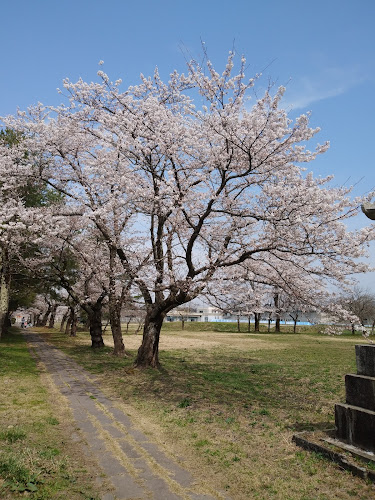
Let’s talk timing. While the museum is open year-round, your experience can really depend on when you show up. For my money, spring (late March to April) is just magical. The museum’s location inside a park means the cherry blossoms do their thing all around you—and trust me, if you haven’t experienced hanami (flower viewing) season in Japan, now’s your chance to kill two birds with one stone. The pink clouds everywhere really jazz up your museum selfies.
Can’t do spring? No sweat. Autumn turns this area into a wonderland of red, orange, and yellow leaves, so if you’re the sort who prefers cozy sweaters and crisp air, come in October or November. Crowds dwindle during weekdays, especially in winter, making for a peaceful visit (perfect if you’re like me and prone to an existential crisis when packed in with tour groups).
Summer’s a solid pick as well, mainly because of Nagaoka’s famous fireworks festival—one of Japan’s biggest. The museum sometimes runs special displays on festival history, which is both fascinating and, frankly, kind of wild when you see how much prep goes into a single night of fireworks. Just be warned: summer afternoons can get a bit muggy, so plan your strolls accordingly.
How to Get There
If you’re coming from Nagaoka Station (and let’s be real, almost everyone is), it’s a manageable 10-minute taxi ride. I once tried to walk it, thinking I’d channel my inner wanderer, but unless you’re prepping for a hiking challenge, I’d suggest the taxi or bus route. Public transportation’s solid—local buses run regularly, and there’s normally clear signage to point you to 悠久山公園 (Yukyuzan Park). I’ll admit, I have a terrible sense of direction, but even I found my way on the first try.
Parking’s available if you’re driving, which is handy for families or anyone hauling souvenirs. There's no on-site restaurant though, so I always recommend hitting up one of the little cafés or noodle shops around the station area before heading out, or maybe even packing a sandwich and making a day of it in the park.
Travelers maneuvering with a wheelchair or stroller shouldn’t fret: the pathways are generally flat, and the museum’s main entrance is easy to spot and use. The staff, in my experience, are never too busy to offer a helping hand or directions in simple English.
Tips for Visiting
- Give Yourself Time: Don’t rush it. I burned through a visit in under an hour the first time, but the second time I lingered, poked into the temporary exhibits, and found it so much more rewarding.
- Check for Special Exhibitions: Sometimes, there are pop-up displays featuring local artists or relics normally kept in the archives. Worth checking the schedule at the entrance or asking a staff member.
- Bring Snacks or Picnic: There’s no restaurant inside, so pack something for a picnic under the trees in the adjacent Yukyuzan Park. It’s a super chill way to reflect on what you’ve seen.
- Photography: Photos are generally allowed in most areas, but a couple of zones might be off-limits. I’ve had a stern word from staff once for snapping a pic where I shouldn’t—so just glance for signage or ask up front.
- Brush Up on Local History Beforehand: Knowing a bit about Nagaoka’s Boshin War ties, the bombings, or the legendary fireworks festival will seriously enrich your appreciation. But don’t fret—audio guides in English often fill in the gaps nicely.
- Accessible Restroom Location: The accessible restroom is located near the entrance, which is convenient for anyone needing it—but it’s not plastered with signs everywhere, so just ask; the staff are super helpful.
- Great for a Rainy Day: Weather taking a turn on your trip? Spend a few hours here and dodge the showers in style.
- Combine with Park Stroll: Yukyuzan Park itself is worth exploring—if you’re into gardens, little temples, or just need to tire out the kids before heading back to the station.
- Souvenirs: They’ve got a small but thoughtful selection—think vintage-style postcards, and hand-made crafts that support local makers. It’s not flashy, but it’s all sorts of charming and unique.
All in all, the Nagaoka City Museum of Local History doesn’t hammer you with bells and whistles, but it’s authentic, thoughtfully curated, and deeply connected to the pulse of the region. You don’t leave with sensory overload—you leave with a quiet appreciation for a city and its people that have weathered history’s storms and found ways to keep moving forward. In my book, that’s worth every minute of your journey.
Key Features
- Key Features
- Best Time to Visit
- How to Get There
- Tips for Visiting
More Details
Updated July 6, 2025
Table of Contents
- Description
- Key Features
- Best Time to Visit
- How to Get There
- Tips for Visiting
- Key Highlights
- Location
- Places to Stay Near Nagaoka City Museum of Local History
- Find and Book a Tour
- Explore More Travel Guides
- Nearby Places You Might Like
- Traveler Reviews for Nagaoka City Museum of Local History
- Share Your Experience
Description
Welcome to a slice of Niigata’s storied past—Nagaoka City Museum of Local History is one of those rare finds where local heritage isn’t just preserved, it’s celebrated. This isn’t your average “musty-room-and-squeaky-floorboards” kind of museum experience (though if you’re like me and enjoy the smell of old books and dust, you wouldn’t mind it either!). Here, you get a boots-on-the-ground journey through the heart and soul of Nagaoka, tracing everything from regional feudal life, touching stories of resilience after wartime devastation, and vibrant festivals that define the city today.
What really struck me the first time I visited (and yes, I’ve been more than once—couldn’t resist the Edo-period armor and hands-on displays) was how this museum manages to balance breathing room and information overload. The displays are detailed yet not overbearing. There’s a quiet, methodical design to the exhibits—you can really meander at your own pace, diving deep into things like local crafts, the dramatic tumult of the Boshin War, or the bones of everyday life centuries ago. Forget those ultra-busy, big-city museums where you can’t see a thing for the crowds; at Nagaoka City Museum, you get time to breathe…and, more importantly, to imagine.
If you’ve got kids trailing with you, good news—they won’t be bored stiff either. There are interactive zones where young visitors (and, I’ll be honest, grown-ups like me) can roll up their sleeves, try on period costumes, or try their hand at old-fashioned crafts. And don’t worry about accessibility—restrooms are wheelchair-friendly, so nobody’s left out of the fun.
It’s not all about history for history’s sake, either. There’s an observation deck that opens up to some classic Japanese park scenery—think rolling hills and cherry blossoms in spring, or a fiery red palette come autumn. It’s one of my favorite spots for catching a moment of calm, particularly after chewing on all those history lessons inside!
Key Features
- Diverse Exhibits: From samurai armor and scrolls to detailed dioramas of local life; there’s so much to see you’ll wish you had more eyes!
- Interactive Activities: Try on traditional garments, handle historical tools, and step right into the shoes of locals from centuries past.
- Observation Deck: Sweeping park views that really put you in the heart of Nagaoka’s natural splendor. It’s photo op central.
- Family-Friendly: Designed with kids in mind; hands-on exhibits make learning about history almost sneaky fun.
- Accessibility: Wheelchair-accessible restrooms make it easy for all sorts of visitors to take part in the explorations.
- Well-Kept Facilities: Clean, spacious restrooms—always a plus on a day of adventuring (I mean, who wants to deal with dodgy toilets?).
- Local Community Focus: Temporary exhibitions often highlight current local artists, craftspeople, or special anniversaries—so no two visits are ever quite the same.
Best Time to Visit
Let’s talk timing. While the museum is open year-round, your experience can really depend on when you show up. For my money, spring (late March to April) is just magical. The museum’s location inside a park means the cherry blossoms do their thing all around you—and trust me, if you haven’t experienced hanami (flower viewing) season in Japan, now’s your chance to kill two birds with one stone. The pink clouds everywhere really jazz up your museum selfies.
Can’t do spring? No sweat. Autumn turns this area into a wonderland of red, orange, and yellow leaves, so if you’re the sort who prefers cozy sweaters and crisp air, come in October or November. Crowds dwindle during weekdays, especially in winter, making for a peaceful visit (perfect if you’re like me and prone to an existential crisis when packed in with tour groups).
Summer’s a solid pick as well, mainly because of Nagaoka’s famous fireworks festival—one of Japan’s biggest. The museum sometimes runs special displays on festival history, which is both fascinating and, frankly, kind of wild when you see how much prep goes into a single night of fireworks. Just be warned: summer afternoons can get a bit muggy, so plan your strolls accordingly.
How to Get There
If you’re coming from Nagaoka Station (and let’s be real, almost everyone is), it’s a manageable 10-minute taxi ride. I once tried to walk it, thinking I’d channel my inner wanderer, but unless you’re prepping for a hiking challenge, I’d suggest the taxi or bus route. Public transportation’s solid—local buses run regularly, and there’s normally clear signage to point you to 悠久山公園 (Yukyuzan Park). I’ll admit, I have a terrible sense of direction, but even I found my way on the first try.
Parking’s available if you’re driving, which is handy for families or anyone hauling souvenirs. There’s no on-site restaurant though, so I always recommend hitting up one of the little cafés or noodle shops around the station area before heading out, or maybe even packing a sandwich and making a day of it in the park.
Travelers maneuvering with a wheelchair or stroller shouldn’t fret: the pathways are generally flat, and the museum’s main entrance is easy to spot and use. The staff, in my experience, are never too busy to offer a helping hand or directions in simple English.
Tips for Visiting
- Give Yourself Time: Don’t rush it. I burned through a visit in under an hour the first time, but the second time I lingered, poked into the temporary exhibits, and found it so much more rewarding.
- Check for Special Exhibitions: Sometimes, there are pop-up displays featuring local artists or relics normally kept in the archives. Worth checking the schedule at the entrance or asking a staff member.
- Bring Snacks or Picnic: There’s no restaurant inside, so pack something for a picnic under the trees in the adjacent Yukyuzan Park. It’s a super chill way to reflect on what you’ve seen.
- Photography: Photos are generally allowed in most areas, but a couple of zones might be off-limits. I’ve had a stern word from staff once for snapping a pic where I shouldn’t—so just glance for signage or ask up front.
- Brush Up on Local History Beforehand: Knowing a bit about Nagaoka’s Boshin War ties, the bombings, or the legendary fireworks festival will seriously enrich your appreciation. But don’t fret—audio guides in English often fill in the gaps nicely.
- Accessible Restroom Location: The accessible restroom is located near the entrance, which is convenient for anyone needing it—but it’s not plastered with signs everywhere, so just ask; the staff are super helpful.
- Great for a Rainy Day: Weather taking a turn on your trip? Spend a few hours here and dodge the showers in style.
- Combine with Park Stroll: Yukyuzan Park itself is worth exploring—if you’re into gardens, little temples, or just need to tire out the kids before heading back to the station.
- Souvenirs: They’ve got a small but thoughtful selection—think vintage-style postcards, and hand-made crafts that support local makers. It’s not flashy, but it’s all sorts of charming and unique.
All in all, the Nagaoka City Museum of Local History doesn’t hammer you with bells and whistles, but it’s authentic, thoughtfully curated, and deeply connected to the pulse of the region. You don’t leave with sensory overload—you leave with a quiet appreciation for a city and its people that have weathered history’s storms and found ways to keep moving forward. In my book, that’s worth every minute of your journey.
Key Highlights
- Key Features
- Best Time to Visit
- How to Get There
- Tips for Visiting
Location
Places to Stay Near Nagaoka City Museum of Local History
Find and Book a Tour
Explore More Travel Guides
No reviews found! Be the first to review!
Traveler Reviews for Nagaoka City Museum of Local History
There are no reviews yet. Be the first one to write one.
Have you visited Nagaoka City Museum of Local History? Help other travelers by sharing your review.
You Might Also Like

Jōmon “Flame-rimmed” Deep Bowl (Kaen Doki) Monument
Yukyuzan

Kōryujinja Shrine
Find Accommodations Nearby
Recommended Tours & Activities
Visitor Reviews
There are no reviews yet. Be the first one to write one.
Share Your Experience
Have you visited Nagaoka City Museum of Local History? Help other travelers by leaving a review.