

Jos Wildlife Park
About Jos Wildlife Park
Description
Jos Wildlife Park represents one of Nigeria's most accessible wildlife experiences, though visitors should approach with realistic expectations rather than expecting a world-class safari adventure. Located in Plateau State, this park serves as an important conservation area and recreational space that has weathered various challenges over the years. Truth be told, the facility has seen better days, but there's still something genuinely special about encountering wildlife in this part of Nigeria. The park sprawls across a considerable area where families can spend a full day exploring nature trails, observing animals, and enjoying outdoor activities. It's primarily geared toward domestic tourism and educational visits, making it a popular destination for school trips and weekend family outings. The experience here differs significantly from what international travelers might encounter at larger, more funded wildlife reserves, but that doesn't diminish its value for those seeking an authentic local experience. What makes Jos Wildlife Park particularly noteworthy is its role in preserving Nigerian wildlife species and educating the public about conservation. The park houses various animals including primates, antelopes, and bird species, though the collection and conditions have fluctuated over time depending on funding and management. Visitors often find that the real charm lies not in comparing it to international standards but in appreciating it for what it offers within the Nigerian context. The grounds themselves provide plenty of open space for picnicking and relaxation, with mature trees offering shade on hot afternoons. And honestly, sometimes the best moments at Jos Wildlife Park aren't necessarily the animal encounters but the simple pleasure of being outdoors in a relatively green space away from urban congestion.Key Features
The park offers several amenities and features that cater to different visitor needs: • Wheelchair accessible entrance and parking facilities make the park relatively inclusive for visitors with mobility challenges • Designated hiking trails wind through the property, though maintenance levels can vary seasonally • Extensive picnic facilities with barbecue grills allow families to prepare meals and spend extended time on the grounds • Public restrooms are available throughout the park, though visitors should manage expectations regarding cleanliness standards • A dedicated playground area with slides and swings keeps younger children entertained beyond the animal exhibits • Picnic tables scattered across shaded areas provide comfortable spots for meals and rest • Modern payment options including credit cards, debit cards, and NFC mobile payments make transactions convenient • The park functions well as a venue for children's birthday parties with dedicated spaces for celebrations • Kid-friendly hiking paths offer gentler terrain suitable for families with small children • Onsite services provide support and assistance during visitsBest Time to Visit
Timing your visit to Jos Wildlife Park requires considering both weather patterns and crowd levels. The dry season from November through March generally offers the most pleasant conditions for exploring the park. During these months, paths remain more navigable, and the weather stays comfortable for extended outdoor activities. Jos enjoys a temperate climate compared to other Nigerian cities, but you'll still want to avoid the peak of the rainy season when trails can become muddy and difficult to traverse. Weekday visits typically provide a more peaceful experience with smaller crowds, allowing you to move through the park at your own pace and spend more time at animal enclosures without jostling for viewing positions. Weekends and public holidays see significant increases in visitor numbers, particularly families with children. But if you're traveling with kids yourself, the weekend energy can actually enhance the experience as the park comes alive with activity and other families. Morning visits between 8 AM and 11 AM offer advantages for wildlife viewing, as animals tend to be more active during cooler hours before the afternoon heat sets in. Plus, you'll have more energy yourself to cover the walking distances involved in exploring the full grounds. The park can get quite warm by midday even with Jos's generally moderate temperatures. School holiday periods bring larger crowds of children on educational trips, which might not suit travelers seeking tranquility but does create an energetic atmosphere that some visitors enjoy. I'd suggest avoiding major Nigerian holidays like Christmas, New Year, and Easter if you prefer a quieter experience, though these festive periods do showcase the park's role as a community gathering space. The harmattan season from December to February brings cooler, drier air with dusty conditions that some find uncomfortable but others appreciate for the break from humidity. Wildlife behavior doesn't change dramatically throughout the year at the park, so your visit timing should prioritize personal comfort over animal activity patterns.How to Get There
Reaching Jos Wildlife Park requires some planning, particularly for first-time visitors to the Jos area. The park sits within Jos city in Plateau State, making it accessible from various parts of Nigeria though the journey length varies considerably depending on your starting point. For travelers flying into the region, Jos Airport provides the nearest air access, though flight availability from Lagos and Abuja fluctuates. From the airport, you'll need ground transportation covering roughly 10-15 kilometers to reach the park. Taxi services and ride-hailing apps operate in Jos, though availability isn't as consistent as in larger Nigerian cities. Arranging transportation through your accommodation often proves more reliable than counting on finding a ride on arrival. Road travelers from Abuja face approximately a four to five hour journey covering around 300 kilometers, depending on traffic and road conditions. The Jos-Abuja highway experiences varying states of repair, so factor in extra time for potential delays. From Lagos, you're looking at a much longer overland journey that most travelers choose to break into segments with overnight stops. Within Jos itself, local taxi drivers generally know the park's location, though having the address ready on your phone helps avoid confusion. If you're renting a vehicle, the park provides parking facilities with wheelchair accessible spaces near the entrance. The roads leading to the park are paved but watch for potholes, especially after rainy periods. Public transportation options exist through local minibuses and shared taxis, but navigating these systems requires either local knowledge or a willingness to ask for directions multiple times. For international visitors or those unfamiliar with Jos, hiring a driver for the day often eliminates stress and allows you to explore other Jos attractions beyond just the wildlife park.Tips for Visiting
Making the most of your Jos Wildlife Park experience involves some practical preparation and realistic expectation-setting. First off, bring your own food and drinks if you have specific preferences or dietary requirements. While there may be vendors near the entrance, selection tends to be limited and availability inconsistent. The park's picnic facilities actually encourage bringing your own supplies, and many regular visitors pack full meals to enjoy on the grounds. Wear comfortable walking shoes with good traction since you'll cover considerable ground on surfaces that range from paved paths to dirt trails. Flip-flops or fancy sandals will leave your feet tired and dirty. And bring layers even though Jos weather seems predictable – temperatures can shift, especially if you're visiting early morning or staying into evening. Sun protection matters more than many visitors anticipate. Pack sunscreen, hats, and sunglasses even during the harmattan season when hazy skies create a false sense of reduced sun exposure. The park's open areas offer limited natural shade in certain sections, and you can easily spend 3-4 hours exploring if you're thorough. Manage expectations about animal welfare and enclosure conditions. Jos Wildlife Park operates with resource constraints that show in certain areas of animal care and facility maintenance. If you're someone who gets deeply distressed by conditions that don't meet international zoo standards, this might not be the right attraction for you. However, many visitors find the experience valuable despite imperfections, particularly when viewing it as a developing-world conservation effort rather than comparing it to heavily funded Western zoos. Bring cash as a backup payment method despite the park's card acceptance capabilities. Technical issues with payment systems occasionally arise, and having Nigerian naira on hand prevents complications. Small bills work better for any additional purchases from vendors. Insect repellent proves useful during certain seasons, particularly if you're sensitive to mosquito bites or plan to spend extended time in shadier, more vegetated areas. The playground and picnic zones attract bugs, especially late afternoon. Photography enthusiasts should bring proper cameras rather than relying solely on phones, as distance from animal enclosures sometimes makes phone cameras less effective. But check current policies on professional photography equipment as rules occasionally change regarding what's permitted without special fees. Stay hydrated throughout your visit since Jos's altitude and outdoor walking can be more dehydrating than expected. Water bottles can typically be purchased near the entrance, but bringing your own ensures you have adequate supplies. If visiting with children, plan activities beyond just the animal viewing. The playground, hiking trails, and open spaces for running around often prove more engaging for kids than the wildlife exhibits themselves. Setting up a proper picnic with games creates a fuller day experience that justifies the entrance fee and travel time. Be patient with staff and facility limitations. Jos Wildlife Park operates in a challenging context with funding constraints that affect everything from animal care to ground maintenance. Approaching your visit with understanding rather than demanding Western standards makes the experience more enjoyable for everyone involved. Finally, consider timing your visit to coincide with other Jos attractions like the Jos Museum or Shere Hills if you're traveling from far away. This maximizes your trip value and provides alternative activities if the wildlife park experience proves shorter or different than anticipated.Key Features
- Key Features
- Best Time to Visit
- How to Get There
- Tips for Visiting
More Details
Updated April 5, 2026
Description
Jos Wildlife Park represents one of Nigeria’s most accessible wildlife experiences, though visitors should approach with realistic expectations rather than expecting a world-class safari adventure. Located in Plateau State, this park serves as an important conservation area and recreational space that has weathered various challenges over the years. Truth be told, the facility has seen better days, but there’s still something genuinely special about encountering wildlife in this part of Nigeria.
The park sprawls across a considerable area where families can spend a full day exploring nature trails, observing animals, and enjoying outdoor activities. It’s primarily geared toward domestic tourism and educational visits, making it a popular destination for school trips and weekend family outings. The experience here differs significantly from what international travelers might encounter at larger, more funded wildlife reserves, but that doesn’t diminish its value for those seeking an authentic local experience.
What makes Jos Wildlife Park particularly noteworthy is its role in preserving Nigerian wildlife species and educating the public about conservation. The park houses various animals including primates, antelopes, and bird species, though the collection and conditions have fluctuated over time depending on funding and management. Visitors often find that the real charm lies not in comparing it to international standards but in appreciating it for what it offers within the Nigerian context.
The grounds themselves provide plenty of open space for picnicking and relaxation, with mature trees offering shade on hot afternoons. And honestly, sometimes the best moments at Jos Wildlife Park aren’t necessarily the animal encounters but the simple pleasure of being outdoors in a relatively green space away from urban congestion.
Key Features
The park offers several amenities and features that cater to different visitor needs:
• Wheelchair accessible entrance and parking facilities make the park relatively inclusive for visitors with mobility challenges
• Designated hiking trails wind through the property, though maintenance levels can vary seasonally
• Extensive picnic facilities with barbecue grills allow families to prepare meals and spend extended time on the grounds
• Public restrooms are available throughout the park, though visitors should manage expectations regarding cleanliness standards
• A dedicated playground area with slides and swings keeps younger children entertained beyond the animal exhibits
• Picnic tables scattered across shaded areas provide comfortable spots for meals and rest
• Modern payment options including credit cards, debit cards, and NFC mobile payments make transactions convenient
• The park functions well as a venue for children’s birthday parties with dedicated spaces for celebrations
• Kid-friendly hiking paths offer gentler terrain suitable for families with small children
• Onsite services provide support and assistance during visits
Best Time to Visit
Timing your visit to Jos Wildlife Park requires considering both weather patterns and crowd levels. The dry season from November through March generally offers the most pleasant conditions for exploring the park. During these months, paths remain more navigable, and the weather stays comfortable for extended outdoor activities. Jos enjoys a temperate climate compared to other Nigerian cities, but you’ll still want to avoid the peak of the rainy season when trails can become muddy and difficult to traverse.
Weekday visits typically provide a more peaceful experience with smaller crowds, allowing you to move through the park at your own pace and spend more time at animal enclosures without jostling for viewing positions. Weekends and public holidays see significant increases in visitor numbers, particularly families with children. But if you’re traveling with kids yourself, the weekend energy can actually enhance the experience as the park comes alive with activity and other families.
Morning visits between 8 AM and 11 AM offer advantages for wildlife viewing, as animals tend to be more active during cooler hours before the afternoon heat sets in. Plus, you’ll have more energy yourself to cover the walking distances involved in exploring the full grounds. The park can get quite warm by midday even with Jos’s generally moderate temperatures.
School holiday periods bring larger crowds of children on educational trips, which might not suit travelers seeking tranquility but does create an energetic atmosphere that some visitors enjoy. I’d suggest avoiding major Nigerian holidays like Christmas, New Year, and Easter if you prefer a quieter experience, though these festive periods do showcase the park’s role as a community gathering space.
The harmattan season from December to February brings cooler, drier air with dusty conditions that some find uncomfortable but others appreciate for the break from humidity. Wildlife behavior doesn’t change dramatically throughout the year at the park, so your visit timing should prioritize personal comfort over animal activity patterns.
How to Get There
Reaching Jos Wildlife Park requires some planning, particularly for first-time visitors to the Jos area. The park sits within Jos city in Plateau State, making it accessible from various parts of Nigeria though the journey length varies considerably depending on your starting point.
For travelers flying into the region, Jos Airport provides the nearest air access, though flight availability from Lagos and Abuja fluctuates. From the airport, you’ll need ground transportation covering roughly 10-15 kilometers to reach the park. Taxi services and ride-hailing apps operate in Jos, though availability isn’t as consistent as in larger Nigerian cities. Arranging transportation through your accommodation often proves more reliable than counting on finding a ride on arrival.
Road travelers from Abuja face approximately a four to five hour journey covering around 300 kilometers, depending on traffic and road conditions. The Jos-Abuja highway experiences varying states of repair, so factor in extra time for potential delays. From Lagos, you’re looking at a much longer overland journey that most travelers choose to break into segments with overnight stops.
Within Jos itself, local taxi drivers generally know the park’s location, though having the address ready on your phone helps avoid confusion. If you’re renting a vehicle, the park provides parking facilities with wheelchair accessible spaces near the entrance. The roads leading to the park are paved but watch for potholes, especially after rainy periods.
Public transportation options exist through local minibuses and shared taxis, but navigating these systems requires either local knowledge or a willingness to ask for directions multiple times. For international visitors or those unfamiliar with Jos, hiring a driver for the day often eliminates stress and allows you to explore other Jos attractions beyond just the wildlife park.
Tips for Visiting
Making the most of your Jos Wildlife Park experience involves some practical preparation and realistic expectation-setting. First off, bring your own food and drinks if you have specific preferences or dietary requirements. While there may be vendors near the entrance, selection tends to be limited and availability inconsistent. The park’s picnic facilities actually encourage bringing your own supplies, and many regular visitors pack full meals to enjoy on the grounds.
Wear comfortable walking shoes with good traction since you’ll cover considerable ground on surfaces that range from paved paths to dirt trails. Flip-flops or fancy sandals will leave your feet tired and dirty. And bring layers even though Jos weather seems predictable – temperatures can shift, especially if you’re visiting early morning or staying into evening.
Sun protection matters more than many visitors anticipate. Pack sunscreen, hats, and sunglasses even during the harmattan season when hazy skies create a false sense of reduced sun exposure. The park’s open areas offer limited natural shade in certain sections, and you can easily spend 3-4 hours exploring if you’re thorough.
Manage expectations about animal welfare and enclosure conditions. Jos Wildlife Park operates with resource constraints that show in certain areas of animal care and facility maintenance. If you’re someone who gets deeply distressed by conditions that don’t meet international zoo standards, this might not be the right attraction for you. However, many visitors find the experience valuable despite imperfections, particularly when viewing it as a developing-world conservation effort rather than comparing it to heavily funded Western zoos.
Bring cash as a backup payment method despite the park’s card acceptance capabilities. Technical issues with payment systems occasionally arise, and having Nigerian naira on hand prevents complications. Small bills work better for any additional purchases from vendors.
Insect repellent proves useful during certain seasons, particularly if you’re sensitive to mosquito bites or plan to spend extended time in shadier, more vegetated areas. The playground and picnic zones attract bugs, especially late afternoon.
Photography enthusiasts should bring proper cameras rather than relying solely on phones, as distance from animal enclosures sometimes makes phone cameras less effective. But check current policies on professional photography equipment as rules occasionally change regarding what’s permitted without special fees.
Stay hydrated throughout your visit since Jos’s altitude and outdoor walking can be more dehydrating than expected. Water bottles can typically be purchased near the entrance, but bringing your own ensures you have adequate supplies.
If visiting with children, plan activities beyond just the animal viewing. The playground, hiking trails, and open spaces for running around often prove more engaging for kids than the wildlife exhibits themselves. Setting up a proper picnic with games creates a fuller day experience that justifies the entrance fee and travel time.
Be patient with staff and facility limitations. Jos Wildlife Park operates in a challenging context with funding constraints that affect everything from animal care to ground maintenance. Approaching your visit with understanding rather than demanding Western standards makes the experience more enjoyable for everyone involved.
Finally, consider timing your visit to coincide with other Jos attractions like the Jos Museum or Shere Hills if you’re traveling from far away. This maximizes your trip value and provides alternative activities if the wildlife park experience proves shorter or different than anticipated.
Key Highlights
- Key Features
- Best Time to Visit
- How to Get There
- Tips for Visiting
Location
Places to Stay Near Jos Wildlife Park
Find and Book a Tour
Explore More Travel Guides
No reviews found! Be the first to review!
Jos Wildlife Park sits right on the outskirts of Jos in Plateau State, Nigeria, and honestly, it’s been a favorite for nature lovers since way back in 1972. This 8-square-kilometer reserve lets you spot lions, elephants, crocodiles, and a bunch of other species in one of Nigeria’s largest natural zoological spaces. But there’s more to it than just the animals. You’ll wander through pine forests, and if you’re up for it, climb up Vongnifwel Hill, which stands tall at 1,345 meters above sea level.
This park doesn’t feel like your average zoo. The animals roam in areas designed to look and feel like their real habitats, and you can take your time exploring without anyone hurrying you along. Back in the day, Governor Joseph Gomwalk kicked things off, and the park has grown into a top tourist destination that actually cares about conservation.
Key Takeaways
- Jos Wildlife Park gives you the chance to see big cats, elephants, and rare birds in semi-natural spaces
- You can enjoy animal encounters along with pine forests and hilltop picnic spots at more than 1,300 meters elevation
- Just 5 km from Jos city center, it’s an easy day trip for anyone who loves wildlife
Location & History
Jos Wildlife Park sits just outside Jos in Plateau State, Nigeria, and Governor Joseph Gomwalk established it back in 1972. Over the years, it’s become one of the state’s most important conservation areas and a go-to spot for tourists.
Where Is Jos Wildlife Park?
You’ll find Jos Wildlife Park about 5 kilometers from the heart of Jos, right along the Jos-Miango road. It’s actually in Dong, which falls under Jos North Local Government Area.
The park covers close to 8 square kilometers in Nigeria’s middle belt. What really sets it apart is the elevation—the park stretches up Vongnifwel Hill, which tops out at 1,345 meters. That’s the highest point east of Jos, and it gives the place a cool climate and some pretty unique scenery compared to other wildlife reserves in Nigeria.
If you’re already in Jos, getting there isn’t hard at all. The area’s scenic, with pine forests mixed in with the natural vegetation of the Plateau.
Origin and Founding Story
Governor Joseph Gomwalk had a vision for Jos Wildlife Park in 1972. He wanted a place where Nigeria’s wildlife could actually be protected, and where people could get out into nature.
The park started off as a mix of a natural and artificial zoological garden. Honestly, it was one of the biggest projects of its kind in Nigeria at the time. The whole idea—mixing conservation, tourism, and education—felt pretty new back then.
It’s worth noting, Nigeria was riding an oil boom in the ‘70s, and there was a real push to build up infrastructure and cultural spots. The park became part of that movement to keep Nigerian heritage alive while creating something lasting for the next generation.
Importance to Plateau State
Jos Wildlife Park has grown into one of Plateau State’s top attractions. People come from all over Nigeria (and sometimes further) to see wildlife in a space that feels much more natural than a regular zoo.
The park actually helps the local economy. It creates jobs and brings in tourism money. Schools often bring students here, giving them a real-life look at animals and conservation instead of just reading about it in class.
For Plateau State, the park shows a real commitment to ecotourism. The Nigerian Conservation Foundation manages it now, which says a lot about how seriously the region takes wildlife preservation. Locals see the park as part of their identity, a spot to take pride in their natural heritage.
Wildlife & Animal Highlights
Jos Wildlife Park packs a surprising variety of African wildlife into its 8 square kilometers of rocky ground and savanna. You’ll see everything from massive elephants to predators and some pretty colorful birds.
Elephants and Star Animals
Let’s be honest—the elephants steal the show here. These gentle giants wander around their habitat, and most visitors can’t resist snapping a few photos.
But it’s not just about the elephants. The park is home to baboons that keep everyone entertained with their antics. You might find yourself watching them longer than you expected. There are also different kinds of antelope roaming around, like gazelles, showing off their speed and grace.
What’s cool is how the park makes an effort to keep the animals in spaces that feel natural. You won’t just see animals in cages—you’ll watch them act more like they would in the wild.
Lions, Hyenas, and Other Carnivores
The big cats are a huge draw at Jos Wildlife Park. Lions hang out in their own areas, and if you catch them at the right time, you’ll see them when they’re actually up and about. There’s just something about seeing a lion up close that never gets old.
Hyenas live here too. These misunderstood carnivores are surprisingly interesting to watch, especially if you know a bit about their social lives and smarts. The park keeps them in spots where you can safely check them out.
Seeing the different carnivores gives you a real feel for Africa’s predator scene. Just remember—they’re wild animals living in a protected space, not circus acts.
Birds and Ostriches
The birds at Jos Wildlife Park bring a splash of color and sound. Parrots are a favorite—they’re loud, bright, and hard to miss.
And then there are the ostriches. These giant birds can’t fly, but they sure can run. Watching them strut around is pretty entertaining, and you’ll usually spot them somewhere during your visit.
Since the park sits in Plateau State, you might even see some local bird species outside the main exhibits. If you’re into birdwatching, bring binoculars—you’ll want them.
Crocodile Habitat
The reptile section shows off crocodiles (sometimes called alligators here, but true alligators don’t actually live in Africa). These ancient predators often look lazy until they suddenly move, which can be a bit startling.
You’ll also spot a python on display, one of Africa’s biggest snakes. Reptiles may not get the same attention as elephants or lions, but they’re just as important for understanding Africa’s wildlife.
The crocodile area really drives home the point that conservation isn’t just about the cute or majestic animals—it’s about the scaly, intimidating ones too.
Park Features & Attractions
Jos Wildlife Park stands out as one of Nigeria’s largest man-made zoological parks, blending natural landscapes with some pretty thoughtfully designed facilities. Across its 8 square kilometers, you’ll see artificial habitats mixed with untouched wilderness, so you get the best of both worlds—curated animal exhibits and real forest vibes.
Artificial Zoological Garden
The park runs as one of Nigeria’s biggest artificial zoological gardens, with a wide range of animals in purpose-built enclosures. The animals are grouped into zones based on what they eat and how they behave. The herbivore section brings together elephants, elands, cattle, and different gazelles, while the carnivore spots feature lions, hyenas, crocodiles, and pythons.
What’s different here is how the park sets up its viewing areas. The enclosures let you get up close to animals you’d probably never see in the wild. The bird area is especially cool—you can check out ostriches, crowned cranes, and vultures without trekking through rough terrain.
The man-made setup also means you’re almost guaranteed to see animals. Unlike on a safari where you might drive around for hours and see nothing, the enclosures here make sightings much more likely. It’s great for families and school trips where nobody wants to leave disappointed.
Vongnifwel Hill Scenic Point
Vongnifwel Hill stands at 1,345 meters above sea level, making it the highest spot east of Jos. The climb gives you panoramic views across Plateau State, and the air gets noticeably cooler as you go up.
The hilltop is both a scenic overlook and a perfect picnic spot. There are places to set up your meal and take in views that stretch for miles. The rocky ground creates cool formations—great for photos or just taking in the landscape.
Getting to the top takes a bit of effort, so wear shoes you don’t mind getting dusty. The view is totally worth it, especially in the dry season when the air is clear.
The Pine Forest and Picnic Spots
The pine forest inside the park is a bit unexpected. These trees aren’t native to Nigeria, so it feels different from the usual West African landscape. The tall pines create plenty of shade and a cooler microclimate, which is a relief during Jos’s hot months.
You’ll find lots of picnic areas scattered around the forest, with basic facilities for day visitors. Bring your own snacks and hang out under the trees for as long as you want. The forest floor is pretty clear, so it’s easy to wander and explore.
Honestly, the smell of pine, the dappled sunlight, and the quiet make this the park’s most relaxing spot. Head here when you need a break from all the animal excitement.
Visitor Experience & Activities
Jos Wildlife Park gives you hands-on ways to enjoy nature through walking paths, scenic photo spots, and chill-out spaces that work for all ages. The 8-square-kilometer park on the Jos Plateau gives you plenty of ways to connect with wildlife beyond just peering at animals from behind a fence.
Nature Walks and Trails
The park’s trails let you wander through different landscapes at your own pace. You’ll pass rocky outcrops, then find yourself in areas where the air suddenly feels cooler because of the vegetation. The paths aren’t paved (which honestly gives it a more real vibe), but you don’t need hardcore hiking boots either.
Guided tours are an option if you want someone to show you the highlights and share insider info. Guides know which animals are usually active and can explain what’s happening with conservation efforts. But you can totally explore on your own if that’s more your style. The signs could use an upgrade, so grab a map at the entrance to avoid getting turned around.
Photography Opportunities
Definitely bring your camera—you’ll want to get shots of elephants, lions, and antelope in settings that actually look wild. Early mornings are best for photos, before the sun gets too hot and the animals retreat to the shade.
The rocky terrain makes for some dramatic backgrounds you won’t find at every wildlife park. If you’re a bird photography fan, you’ll have plenty to aim your lens at. Just keep in mind that some areas don’t allow flash, since it can stress out the animals.
Family-Friendly Amenities
The park sets up designated picnic areas, so families just show up, spread out a blanket, and relax for a few hours. These spots offer only the basics, so you’ll want to pack your own snacks and drinks. Honestly, the food options on-site can be pretty limited. School groups often swing by for field trips, which says a lot about how kid-friendly the place really is.
The entry fee stays low, so local families can actually afford to come back again and again. If you give the staff a heads-up, they usually handle group bookings without much fuss.
Conservation & Education
Jos Wildlife Park isn’t just a place to wander—it’s right at the heart of efforts to protect Nigeria’s wildlife and teach people about environmental stewardship. The park keeps working to conserve local species and runs programs that help visitors see why nature really matters.
Role in Wildlife Conservation
Back in 1972, conservation stood out as one of the main reasons they set up the park. Today, it gives a protected home to tons of animals, reptiles, and birds across its 8 square kilometers.
Recently, the park really stepped up its conservation game. The ACReSAL project put up 17.1 kilometers of perimeter fencing, so now wildlife habitats stay protected from encroachment. Before that, wildlife struggled in some areas because habitats kept shrinking.
Park rangers now carry better gear—think walkie-talkies and motorcycles—so they can patrol more effectively. These security upgrades help keep the animals safe inside the park. They’ve also added solar-powered infrastructure, which makes the park run cleaner and greener.
The park stretches into the pine forest and up Vongnifwel Hill, so you get all kinds of ecosystems supporting different species. This setup lets animals live in a space that feels a bit more like their real homes.
Education and Awareness Programs
Learning opportunities pop up everywhere at Jos Wildlife Park. There’s even a history museum that dives into both the park’s story and Plateau State’s natural legacy.
Since day one, the park’s been a solid spot for conservation education. Studies show wildlife parks can open people’s eyes to the importance of protecting animals and their habitats. When you walk around Jos Wildlife Park, you’re not just watching animals—you actually pick up on their behaviors and why they matter in the ecosystem.
Local communities get a real boost from the park’s sensitization programs. These sessions teach sustainable habits that help the environment and support local jobs. Farmers near Dong, for example, have learned to grow crops that handle climate change better while also helping protect nature.
Nearby Attractions & Day Trips
Jos Wildlife Park sits right at the heart of Plateau State’s tourism scene. You can easily reach other nature spots, from classic zoos to remote game reserves scattered across the Jos Plateau.
Jos Zoological Garden
Jos Zoological Garden runs separately from the Wildlife Park, though people mix them up all the time. It’s inside Jos city, and the zoo feels a lot more traditional—think animals in smaller, structured enclosures instead of wide-open spaces.
The zoo keeps a tight lineup of animals, mostly species that call Nigeria home. It’s actually a good pick if you’re short on time. Admission is cheaper than most attractions nearby, so local families drop by often.
Sure, it can’t match the Wildlife Park’s size or conservation focus. Still, if you find yourself in central Jos with a free afternoon, it’s worth a look. Kids especially love how close they get to the animals, and the smaller grounds make it way easier to get around than the Wildlife Park’s huge area.
Pandam Game Reserve in Quan-Pan
Pandam Game Reserve covers a big chunk of Quan-Pan, about 80 kilometers south of Jos. Unlike the Wildlife Park, this place feels wild—animals roam free across savanna and woodland. It’s a different vibe entirely, and honestly, it’s kind of refreshing.
Pandam Lake sits at the center, pulling in wildlife all year and offering some pretty epic views from the lookout spots. You might spot waterfowl, antelopes, and if you’re patient, maybe even something bigger. The reserve also sets up basic camping spots for anyone wanting to stay overnight.
Getting there takes a bit of planning. Public transport isn’t great, so most people book private rides from Jos. The trip takes about two hours, and the road quality varies a lot. If you want the best wildlife viewing, aim for the dry season—November to March—but honestly, the lake looks gorgeous any time of year.
Explore the Jos Plateau
The Jos Plateau sits high up, creating microclimates and landscapes you just won’t see anywhere else in Nigeria’s middle belt. It rises about 1,280 meters above sea level, and honestly, that elevation shapes everything—from how locals farm to the kinds of adventures you can have here.
Shere Hills stands out as one of the easiest natural spots to reach on the plateau. You can hike trails that twist through rocky outcrops and wide-open grasslands, and if you push a bit higher, the views really pay off. The hills are just outside Jos, so they’re kind of perfect for a morning hike before checking out the Wildlife Park.
The plateau’s cool air made it a favorite getaway during colonial times. You’ll feel the temperature shift as soon as you get there—it’s pretty striking. Small villages scatter the landscape, and a lot of them focus on pottery or traditional crafts.
If you want to mix nature with culture, stop by these communities. Just remember to ask before snapping photos of people or stepping onto private land—it’s only fair, right?
Traveler Reviews for Jos Wildlife Park
There are no reviews yet. Be the first one to write one.
Have you visited Jos Wildlife Park? Help other travelers by sharing your review.
You Might Also Like
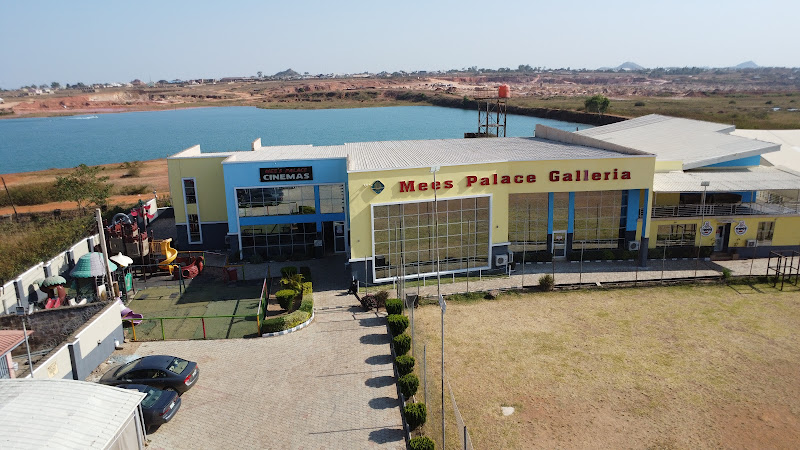
Mees Palace

Cocin Lcc Wildlife Park Jos

Rayfield Resort
Find Accommodations Nearby
Recommended Tours & Activities
Visitor Reviews
There are no reviews yet. Be the first one to write one.
Share Your Experience
Have you visited Jos Wildlife Park? Help other travelers by leaving a review.