Hawan Kibo
About Hawan Kibo
Description
Hawan Kibo stands as one of those national forests that doesn't always make it onto the typical tourist radar, but perhaps that's exactly what makes it special. This natural expanse offers travelers a chance to disconnect from the everyday chaos and immerse themselves in genuine wilderness. I've always believed that the best destinations are often the ones you stumble upon rather than the ones plastered across every travel brochure, and Hawan Kibo fits that description perfectly. The forest presents itself as a raw, authentic natural environment where visitors can experience nature without excessive commercialization. Unlike some overly-developed parks where you're constantly surrounded by other tourists and amenities, this place maintains a more rugged character. That said, it's important to set realistic expectations before you go. The facilities here are basic – you'll find restrooms available, which is certainly appreciated during longer visits, but don't expect elaborate visitor centers or extensive infrastructure. What really defines Hawan Kibo is its commitment to preserving the natural landscape while still allowing access to those willing to venture in. The forest attracts hikers looking for trails that challenge them without necessarily hand-holding them through every step. And honestly? That's refreshing. Too many places nowadays have become so sanitized and structured that they've lost their wild soul. The terrain varies throughout the forest, offering different experiences depending on where you explore. Some visitors have found certain areas more rewarding than others, which is pretty typical for any large natural space. It's worth noting that accessibility features are limited here – there isn't wheelchair accessible parking, which means travelers with mobility concerns should plan accordingly or consider whether this destination suits their needs.Key Features
Hawan Kibo distinguishes itself through several characteristics that shape the visitor experience: • Extensive hiking opportunities that cater primarily to those comfortable with moderate to challenging terrain • Authentic forest environment with minimal commercial development preserving the natural atmosphere • Basic but functional facilities including restroom access for day visitors • Less crowded compared to major national parks, offering more solitude and personal connection with nature • Diverse ecosystems within the forest boundaries providing varied landscapes to explore • Opportunities for wildlife observation in relatively undisturbed habitats • Trail systems that appeal to experienced hikers rather than casual walkers • Natural terrain that changes with seasons, offering different perspectives throughout the year • Limited signage and infrastructure that requires visitors to be more self-reliant and prepared • Genuine wilderness experience without excessive tourist amenities or crowdsBest Time to Visit
Timing your visit to Hawan Kibo can make a substantial difference in your experience. Based on typical patterns for national forests in similar regions, the optimal window usually falls between late spring and early fall. But let me be real with you – the "best" time really depends on what kind of experience you're after. Spring brings new growth and wildflowers, transforming the forest into a canvas of greens and blooming colors. The temperatures are generally moderate, making hiking more comfortable than in peak summer heat. However, spring can also mean muddy trails and unpredictable weather, so you'll want to pack accordingly and maybe have a backup plan if conditions turn unfavorable. Summer offers the longest daylight hours, giving you maximum time to explore. This is when most families visit since school's out and the weather's predictable. But here's the thing – summer also means higher temperatures, which can be exhausting during strenuous hikes. You'll need to carry more water and start your hikes earlier in the day to avoid the afternoon heat. Fall might actually be my personal favorite time for forest exploration. The changing foliage creates spectacular scenery, temperatures cool down to comfortable levels, and the summer crowds have largely dispersed. There's something meditative about hiking through autumn forests, with leaves crunching underfoot and that crisp air filling your lungs. Winter visits are possible but require serious preparation and experience. Some trails may become inaccessible, and you'll need appropriate gear. Only consider winter visits if you're comfortable with cold-weather hiking and understand the risks involved. Weekdays generally offer a quieter experience than weekends regardless of season. If your schedule allows flexibility, arriving on a Tuesday or Wednesday morning can give you the forest almost entirely to yourself.How to Get There
Getting to Hawan Kibo requires some planning since it's not located right off major highways with convenient signage every few miles. The journey itself becomes part of the adventure, which is either exciting or frustrating depending on your perspective and preparation level. Most visitors arrive by private vehicle, which is really your best option for accessing the forest. Public transportation options to this area are limited or non-existent, so relying on buses or trains isn't practical. If you're flying in from another region, you'll need to rent a car from the nearest major airport and drive to the forest. The roads leading to Hawan Kibo vary in quality. Main approaches are typically paved and well-maintained, but as you get closer to trailheads and entry points, you might encounter gravel roads or less-developed surfaces. A standard car can usually handle these routes during good weather, but a vehicle with higher clearance provides extra peace of mind, especially after rain. GPS navigation works reasonably well for getting you into the general area, but don't rely on it exclusively. Cell service can be spotty once you're approaching the forest, and GPS sometimes struggles with precise locations for trailheads. I'd recommend downloading offline maps before you leave your accommodation or printing physical maps as backup. Local knowledge helps tremendously. If you're staying at nearby accommodations, ask the staff for specific directions and current road conditions. They'll often provide insights that navigation apps simply can't offer, like which routes are currently under construction or which parking areas fill up first. Plan your departure time carefully. If you're driving several hours to reach Hawan Kibo, factor in time for stops and potential navigation challenges. Arriving with several hours of daylight remaining gives you flexibility to explore a bit even on your arrival day.Tips for Visiting
Preparing properly for Hawan Kibo can mean the difference between a memorable adventure and a frustrating ordeal. Since this isn't a highly-developed tourist destination with gift shops and snack bars, you need to be more self-sufficient than at typical parks. Water is absolutely critical. Bring significantly more than you think you'll need – dehydration ruins hikes faster than anything else. I usually carry at least two liters per person for moderate hikes, and more for longer or hotter-weather excursions. There aren't water refill stations throughout the forest, so whatever you bring is what you have. Wear appropriate footwear. This seems obvious, but I've encountered too many people attempting forest hikes in fashion sneakers or sandals. Proper hiking boots with ankle support and good tread make trails safer and more enjoyable. Break them in before your trip – blisters can end your hiking plans quickly. Layer your clothing even if the weather forecast looks perfect. Forest microclimates can create surprising temperature variations, and weather can change rapidly. A lightweight rain jacket takes minimal space but provides crucial protection if conditions turn. Since wheelchair accessible parking isn't available, travelers with mobility limitations should contact forest management beforehand to discuss options and limitations. Don't assume you can navigate this terrain without researching your specific accessibility needs. Navigation skills matter here more than at highly-marked parks. Carry a compass and know how to use it alongside your maps. Trail markings may be minimal or faded in sections. If you're not confident in your navigation abilities, stick to well-established trails and don't venture into unmarked areas. Pack out everything you pack in. Hawan Kibo's relatively pristine condition depends on visitors respecting the environment. Bring bags for your trash and leave no trace of your visit. Start hikes earlier in the day rather than later. This gives you buffer time if trails take longer than expected and ensures you're not rushing back before dark. Forest trails in fading light become disorienting quickly. Let someone know your plans. Since cell service is unreliable, tell someone outside the forest where you're hiking and when you expect to return. This basic safety precaution could prove critical in emergencies. Bring snacks with protein and sustained energy. Trail mix, energy bars, and similar foods keep your energy levels stable during longer hikes. Low blood sugar leads to poor decision-making on trails. Check weather forecasts before departing but prepare for variations. Mountain and forest weather can differ significantly from nearby towns. Consider visiting during shoulder seasons for smaller crowds and unique perspectives on the forest's character. The experience of having trails largely to yourself creates a deeper connection with nature that crowded peak-season visits rarely provide. Respect wildlife by observing from distance and never feeding animals. Your presence should minimally impact the natural behaviors of forest inhabitants. Hawan Kibo rewards those who come prepared with genuine wilderness experiences and personal discovery. It's not the easiest destination or the most accommodating, but for travelers seeking authentic natural environments away from tourist crowds, it offers exactly what they're looking for.Key Features
- Cool highland climate and scenic ridgelines
- Teak plantations intermingled with native forest
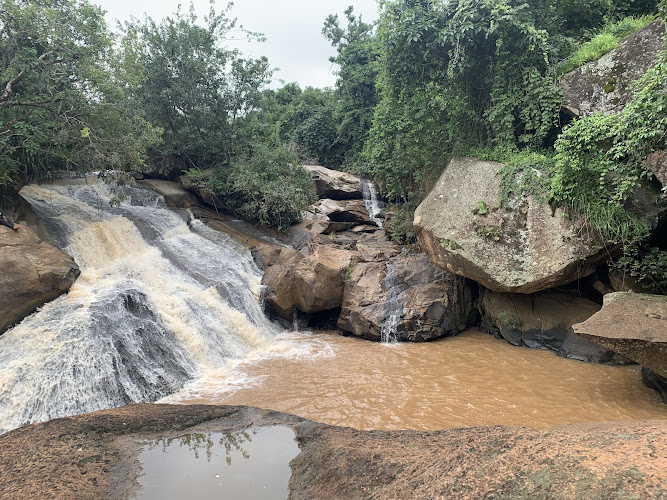
- Small waterfalls and natural pools popular for picnics
- Good opportunities for birdwatching and nature walks
- Close proximity to the Jos–Kaduna/Abuja road network for day trips
More Details
Updated March 30, 2026
Table of Contents
Description
Hawan Kibo stands as one of those national forests that doesn’t always make it onto the typical tourist radar, but perhaps that’s exactly what makes it special. This natural expanse offers travelers a chance to disconnect from the everyday chaos and immerse themselves in genuine wilderness. I’ve always believed that the best destinations are often the ones you stumble upon rather than the ones plastered across every travel brochure, and Hawan Kibo fits that description perfectly.
The forest presents itself as a raw, authentic natural environment where visitors can experience nature without excessive commercialization. Unlike some overly-developed parks where you’re constantly surrounded by other tourists and amenities, this place maintains a more rugged character. That said, it’s important to set realistic expectations before you go. The facilities here are basic – you’ll find restrooms available, which is certainly appreciated during longer visits, but don’t expect elaborate visitor centers or extensive infrastructure.
What really defines Hawan Kibo is its commitment to preserving the natural landscape while still allowing access to those willing to venture in. The forest attracts hikers looking for trails that challenge them without necessarily hand-holding them through every step. And honestly? That’s refreshing. Too many places nowadays have become so sanitized and structured that they’ve lost their wild soul.
The terrain varies throughout the forest, offering different experiences depending on where you explore. Some visitors have found certain areas more rewarding than others, which is pretty typical for any large natural space. It’s worth noting that accessibility features are limited here – there isn’t wheelchair accessible parking, which means travelers with mobility concerns should plan accordingly or consider whether this destination suits their needs.
Key Features
Hawan Kibo distinguishes itself through several characteristics that shape the visitor experience:
• Extensive hiking opportunities that cater primarily to those comfortable with moderate to challenging terrain
• Authentic forest environment with minimal commercial development preserving the natural atmosphere
• Basic but functional facilities including restroom access for day visitors
• Less crowded compared to major national parks, offering more solitude and personal connection with nature
• Diverse ecosystems within the forest boundaries providing varied landscapes to explore
• Opportunities for wildlife observation in relatively undisturbed habitats
• Trail systems that appeal to experienced hikers rather than casual walkers
• Natural terrain that changes with seasons, offering different perspectives throughout the year
• Limited signage and infrastructure that requires visitors to be more self-reliant and prepared
• Genuine wilderness experience without excessive tourist amenities or crowds
Best Time to Visit
Timing your visit to Hawan Kibo can make a substantial difference in your experience. Based on typical patterns for national forests in similar regions, the optimal window usually falls between late spring and early fall. But let me be real with you – the “best” time really depends on what kind of experience you’re after.
Spring brings new growth and wildflowers, transforming the forest into a canvas of greens and blooming colors. The temperatures are generally moderate, making hiking more comfortable than in peak summer heat. However, spring can also mean muddy trails and unpredictable weather, so you’ll want to pack accordingly and maybe have a backup plan if conditions turn unfavorable.
Summer offers the longest daylight hours, giving you maximum time to explore. This is when most families visit since school’s out and the weather’s predictable. But here’s the thing – summer also means higher temperatures, which can be exhausting during strenuous hikes. You’ll need to carry more water and start your hikes earlier in the day to avoid the afternoon heat.
Fall might actually be my personal favorite time for forest exploration. The changing foliage creates spectacular scenery, temperatures cool down to comfortable levels, and the summer crowds have largely dispersed. There’s something meditative about hiking through autumn forests, with leaves crunching underfoot and that crisp air filling your lungs.
Winter visits are possible but require serious preparation and experience. Some trails may become inaccessible, and you’ll need appropriate gear. Only consider winter visits if you’re comfortable with cold-weather hiking and understand the risks involved.
Weekdays generally offer a quieter experience than weekends regardless of season. If your schedule allows flexibility, arriving on a Tuesday or Wednesday morning can give you the forest almost entirely to yourself.
How to Get There
Getting to Hawan Kibo requires some planning since it’s not located right off major highways with convenient signage every few miles. The journey itself becomes part of the adventure, which is either exciting or frustrating depending on your perspective and preparation level.
Most visitors arrive by private vehicle, which is really your best option for accessing the forest. Public transportation options to this area are limited or non-existent, so relying on buses or trains isn’t practical. If you’re flying in from another region, you’ll need to rent a car from the nearest major airport and drive to the forest.
The roads leading to Hawan Kibo vary in quality. Main approaches are typically paved and well-maintained, but as you get closer to trailheads and entry points, you might encounter gravel roads or less-developed surfaces. A standard car can usually handle these routes during good weather, but a vehicle with higher clearance provides extra peace of mind, especially after rain.
GPS navigation works reasonably well for getting you into the general area, but don’t rely on it exclusively. Cell service can be spotty once you’re approaching the forest, and GPS sometimes struggles with precise locations for trailheads. I’d recommend downloading offline maps before you leave your accommodation or printing physical maps as backup.
Local knowledge helps tremendously. If you’re staying at nearby accommodations, ask the staff for specific directions and current road conditions. They’ll often provide insights that navigation apps simply can’t offer, like which routes are currently under construction or which parking areas fill up first.
Plan your departure time carefully. If you’re driving several hours to reach Hawan Kibo, factor in time for stops and potential navigation challenges. Arriving with several hours of daylight remaining gives you flexibility to explore a bit even on your arrival day.
Tips for Visiting
Preparing properly for Hawan Kibo can mean the difference between a memorable adventure and a frustrating ordeal. Since this isn’t a highly-developed tourist destination with gift shops and snack bars, you need to be more self-sufficient than at typical parks.
Water is absolutely critical. Bring significantly more than you think you’ll need – dehydration ruins hikes faster than anything else. I usually carry at least two liters per person for moderate hikes, and more for longer or hotter-weather excursions. There aren’t water refill stations throughout the forest, so whatever you bring is what you have.
Wear appropriate footwear. This seems obvious, but I’ve encountered too many people attempting forest hikes in fashion sneakers or sandals. Proper hiking boots with ankle support and good tread make trails safer and more enjoyable. Break them in before your trip – blisters can end your hiking plans quickly.
Layer your clothing even if the weather forecast looks perfect. Forest microclimates can create surprising temperature variations, and weather can change rapidly. A lightweight rain jacket takes minimal space but provides crucial protection if conditions turn.
Since wheelchair accessible parking isn’t available, travelers with mobility limitations should contact forest management beforehand to discuss options and limitations. Don’t assume you can navigate this terrain without researching your specific accessibility needs.
Navigation skills matter here more than at highly-marked parks. Carry a compass and know how to use it alongside your maps. Trail markings may be minimal or faded in sections. If you’re not confident in your navigation abilities, stick to well-established trails and don’t venture into unmarked areas.
Pack out everything you pack in. Hawan Kibo’s relatively pristine condition depends on visitors respecting the environment. Bring bags for your trash and leave no trace of your visit.
Start hikes earlier in the day rather than later. This gives you buffer time if trails take longer than expected and ensures you’re not rushing back before dark. Forest trails in fading light become disorienting quickly.
Let someone know your plans. Since cell service is unreliable, tell someone outside the forest where you’re hiking and when you expect to return. This basic safety precaution could prove critical in emergencies.
Bring snacks with protein and sustained energy. Trail mix, energy bars, and similar foods keep your energy levels stable during longer hikes. Low blood sugar leads to poor decision-making on trails.
Check weather forecasts before departing but prepare for variations. Mountain and forest weather can differ significantly from nearby towns.
Consider visiting during shoulder seasons for smaller crowds and unique perspectives on the forest’s character. The experience of having trails largely to yourself creates a deeper connection with nature that crowded peak-season visits rarely provide.
Respect wildlife by observing from distance and never feeding animals. Your presence should minimally impact the natural behaviors of forest inhabitants.
Hawan Kibo rewards those who come prepared with genuine wilderness experiences and personal discovery. It’s not the easiest destination or the most accommodating, but for travelers seeking authentic natural environments away from tourist crowds, it offers exactly what they’re looking for.
Key Highlights
- Cool highland climate and scenic ridgelines
- Teak plantations intermingled with native forest
- Small waterfalls and natural pools popular for picnics
- Good opportunities for birdwatching and nature walks
- Close proximity to the Jos–Kaduna/Abuja road network for day trips
Location
Places to Stay Near Hawan Kibo
Find and Book a Tour
Explore More Travel Guides
No reviews found! Be the first to review!
Hawan Kibo is a prominent National forest located in Jos.
Visit us at: Makurdi – Jos Rd, 930111, Jos, Plateau, Nigeria.
Traveler Reviews for Hawan Kibo
There are no reviews yet. Be the first one to write one.
Have you visited Hawan Kibo? Help other travelers by sharing your review.
Nearby Attractions
Find Accommodations Nearby
Recommended Tours & Activities
Visitor Reviews
There are no reviews yet. Be the first one to write one.
Share Your Experience
Have you visited Hawan Kibo? Help other travelers by leaving a review.
