About Garden and forestry

Description

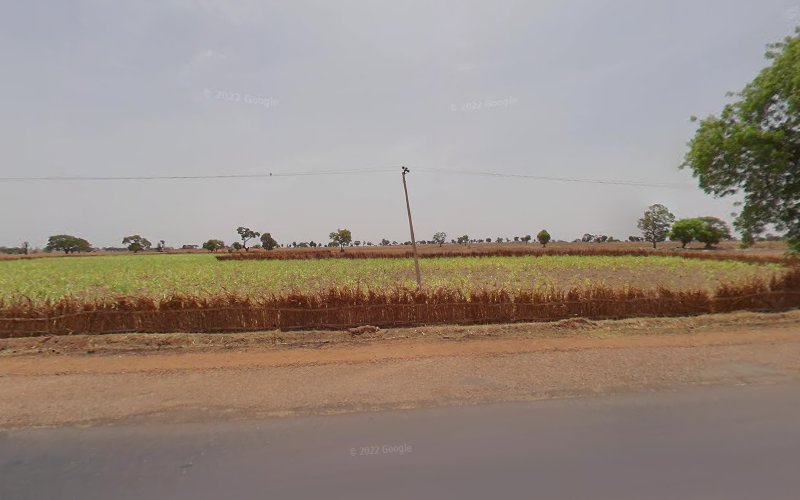
Tucked away in the quiet heart of Funtua, this garden feels like one of those places you stumble upon and immediately wonder why more people don’t talk about it. It’s a green pocket of calm where the hum of daily life fades into the background, replaced by rustling leaves and the occasional chirp of a bird that clearly thinks it owns the place. The space isn’t huge or overly manicured, which honestly makes it even more charming. It has that lived-in, natural kind of beauty that feels both welcoming and unpretentious.

What really stands out is how accessible it is. You can tell the people who designed it thought about everyone — there’s a wheelchair-accessible entrance and parking, which makes it easy for all kinds of visitors to enjoy. Families often bring their kids here, and you’ll see little ones darting between trees, giggling as they chase butterflies or roll down grassy slopes. It’s one of those rare spots where both kids and adults can find their own kind of peace.

The garden also tells a quiet story about the region’s relationship with nature. There’s a sense that it’s not just about pretty flowers or tidy lawns — it’s about the connection between people and the land. The forestry around the garden feels almost like a protective embrace, offering shade and a soft breeze that carries the scent of earth and leaves. If you’re the kind of traveler who likes places that feel real, that breathe and grow with the community, this spot will speak to you.

Key Features

  • Wheelchair-accessible entrance and parking for easy access.
  • Family-friendly environment — safe and open spaces for children to explore.
  • Blend of garden and forestry elements — a mix of cultivated beauty and wild charm.
  • Natural seating areas shaded by mature trees, perfect for picnics or quiet reading.
  • Local plant species that reflect the region’s biodiversity and ecological heritage.
  • Peaceful atmosphere ideal for reflection, photography, or simply escaping the noise of travel.

There’s something deeply grounding about walking through a space like this. You can almost feel the rhythm of the land — the way the trees sway, the soil breathes, and time slows down just enough for you to notice the small things. I remember sitting on a wooden bench under a neem tree, watching the afternoon light filter through the branches. It reminded me of my grandmother’s garden back home — not fancy, but full of heart. That’s the kind of memory this place gives you.

Best Time to Visit

If you’re planning a trip, the best months to visit are during the cooler, drier part of the year — roughly between November and February. The air feels lighter then, and the trees seem to glow in the soft sunlight. Early mornings are especially magical; there’s a crisp freshness in the air, and the dew gives the plants a silvery sheen.

That said, visiting during the rainy season has its own charm. Sure, you might get your shoes muddy, but the greenery bursts into life in a way that feels almost cinematic. The forested areas deepen in color, and the smell of wet soil — that earthy, nostalgic scent — lingers long after the rain stops. If you don’t mind a bit of adventure, that’s a time worth experiencing too.

How to Get There

Getting to the garden is fairly straightforward, though it’s best to plan your route ahead of time. Most travelers arrive from nearby towns by road, and local drivers are usually happy to point you in the right direction. The roads leading there are generally well-maintained, though you might encounter a few bumpy patches — nothing a sturdy car can’t handle.

If you’re coming from farther away, you can take a bus or hire a private vehicle from major cities in Katsina State. The drive itself is part of the experience. You’ll pass small villages, stretches of farmland, and clusters of acacia trees that seem to wave you along. I always find that kind of journey grounding — watching the landscape shift slowly until you arrive somewhere that feels like it’s been waiting for you.

Tips for Visiting

A few things can make your visit smoother and more enjoyable. First, bring water — lots of it. The sun can be strong, especially around midday, and while there’s shade, you’ll still want to stay hydrated. Comfortable walking shoes are a must because the paths, though well-kept, can get a little uneven in spots.

If you’re traveling with kids, pack a small picnic. There are plenty of quiet corners where you can spread out a blanket and enjoy a simple meal surrounded by nature. And if you’re into photography, go during the golden hour — just before sunset. The light at that time is soft and warm, and the trees cast long, dreamy shadows that make for stunning shots.

One more thing — take a moment to just sit and listen. It sounds simple, but it’s easy to forget when you’re busy snapping photos or checking your itinerary. The rustle of leaves, the distant hum of insects, even the laughter of children playing — it all blends into this gentle symphony that reminds you why places like this matter.

And maybe that’s what makes this garden so special. It’s not about grandeur or luxury. It’s about simplicity, accessibility, and the quiet joy of being surrounded by nature. Whether you’re a traveler passing through or someone looking for a peaceful break, it’s a place that welcomes you just as you are — no rush, no fuss, just the soft rhythm of the earth beneath your feet.

Key Features

  • Wheelchair-accessible entrance and parking for easy access.
  • Family-friendly environment — safe and open spaces for children to explore.
  • Blend of garden and forestry elements — a mix of cultivated beauty and wild charm.
  • Natural seating areas shaded by mature trees, perfect for picnics or quiet reading.
  • Local plant species that reflect the region’s biodiversity and ecological heritage.
  • Peaceful atmosphere ideal for reflection, photography, or simply escaping the noise of travel.

More Details

Updated November 30, 2025


Description

Tucked away in the quiet heart of Funtua, this garden feels like one of those places you stumble upon and immediately wonder why more people don’t talk about it. It’s a green pocket of calm where the hum of daily life fades into the background, replaced by rustling leaves and the occasional chirp of a bird that clearly thinks it owns the place. The space isn’t huge or overly manicured, which honestly makes it even more charming. It has that lived-in, natural kind of beauty that feels both welcoming and unpretentious.

What really stands out is how accessible it is. You can tell the people who designed it thought about everyone — there’s a wheelchair-accessible entrance and parking, which makes it easy for all kinds of visitors to enjoy. Families often bring their kids here, and you’ll see little ones darting between trees, giggling as they chase butterflies or roll down grassy slopes. It’s one of those rare spots where both kids and adults can find their own kind of peace.

The garden also tells a quiet story about the region’s relationship with nature. There’s a sense that it’s not just about pretty flowers or tidy lawns — it’s about the connection between people and the land. The forestry around the garden feels almost like a protective embrace, offering shade and a soft breeze that carries the scent of earth and leaves. If you’re the kind of traveler who likes places that feel real, that breathe and grow with the community, this spot will speak to you.

Key Features

  • Wheelchair-accessible entrance and parking for easy access.
  • Family-friendly environment — safe and open spaces for children to explore.
  • Blend of garden and forestry elements — a mix of cultivated beauty and wild charm.
  • Natural seating areas shaded by mature trees, perfect for picnics or quiet reading.
  • Local plant species that reflect the region’s biodiversity and ecological heritage.
  • Peaceful atmosphere ideal for reflection, photography, or simply escaping the noise of travel.

There’s something deeply grounding about walking through a space like this. You can almost feel the rhythm of the land — the way the trees sway, the soil breathes, and time slows down just enough for you to notice the small things. I remember sitting on a wooden bench under a neem tree, watching the afternoon light filter through the branches. It reminded me of my grandmother’s garden back home — not fancy, but full of heart. That’s the kind of memory this place gives you.

Best Time to Visit

If you’re planning a trip, the best months to visit are during the cooler, drier part of the year — roughly between November and February. The air feels lighter then, and the trees seem to glow in the soft sunlight. Early mornings are especially magical; there’s a crisp freshness in the air, and the dew gives the plants a silvery sheen.

That said, visiting during the rainy season has its own charm. Sure, you might get your shoes muddy, but the greenery bursts into life in a way that feels almost cinematic. The forested areas deepen in color, and the smell of wet soil — that earthy, nostalgic scent — lingers long after the rain stops. If you don’t mind a bit of adventure, that’s a time worth experiencing too.

How to Get There

Getting to the garden is fairly straightforward, though it’s best to plan your route ahead of time. Most travelers arrive from nearby towns by road, and local drivers are usually happy to point you in the right direction. The roads leading there are generally well-maintained, though you might encounter a few bumpy patches — nothing a sturdy car can’t handle.

If you’re coming from farther away, you can take a bus or hire a private vehicle from major cities in Katsina State. The drive itself is part of the experience. You’ll pass small villages, stretches of farmland, and clusters of acacia trees that seem to wave you along. I always find that kind of journey grounding — watching the landscape shift slowly until you arrive somewhere that feels like it’s been waiting for you.

Tips for Visiting

A few things can make your visit smoother and more enjoyable. First, bring water — lots of it. The sun can be strong, especially around midday, and while there’s shade, you’ll still want to stay hydrated. Comfortable walking shoes are a must because the paths, though well-kept, can get a little uneven in spots.

If you’re traveling with kids, pack a small picnic. There are plenty of quiet corners where you can spread out a blanket and enjoy a simple meal surrounded by nature. And if you’re into photography, go during the golden hour — just before sunset. The light at that time is soft and warm, and the trees cast long, dreamy shadows that make for stunning shots.

One more thing — take a moment to just sit and listen. It sounds simple, but it’s easy to forget when you’re busy snapping photos or checking your itinerary. The rustle of leaves, the distant hum of insects, even the laughter of children playing — it all blends into this gentle symphony that reminds you why places like this matter.

And maybe that’s what makes this garden so special. It’s not about grandeur or luxury. It’s about simplicity, accessibility, and the quiet joy of being surrounded by nature. Whether you’re a traveler passing through or someone looking for a peaceful break, it’s a place that welcomes you just as you are — no rush, no fuss, just the soft rhythm of the earth beneath your feet.

Key Highlights

  • Wheelchair-accessible entrance and parking for easy access.
  • Family-friendly environment — safe and open spaces for children to explore.
  • Blend of garden and forestry elements — a mix of cultivated beauty and wild charm.
  • Natural seating areas shaded by mature trees, perfect for picnics or quiet reading.
  • Local plant species that reflect the region’s biodiversity and ecological heritage.
  • Peaceful atmosphere ideal for reflection, photography, or simply escaping the noise of travel.

Location

Places to Stay Near Garden and forestry

Find and Book a Tour

Explore More Travel Guides

No reviews found! Be the first to review!

Traveler Reviews for Garden and forestry

There are no reviews yet. Be the first one to write one.

Share Your Experience

Have you visited Garden and forestry? Help other travelers by sharing your review.

Find Accommodations Nearby

Recommended Tours & Activities

Visitor Reviews

There are no reviews yet. Be the first one to write one.

Share Your Experience

Have you visited Garden and forestry? Help other travelers by leaving a review.