Jayadeva Circle
About Jayadeva Circle
Description
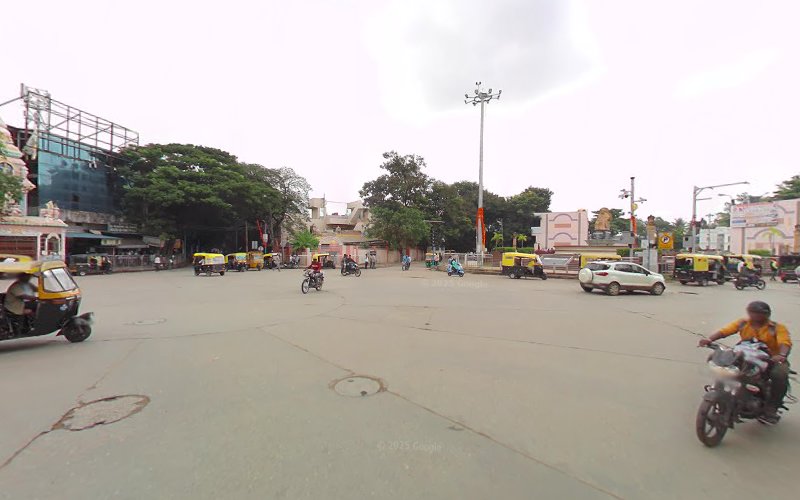
Jayadeva Circle serves as one of Bangalore's most significant transportation hubs, though calling it just a bus stop would be underselling its importance to the city's daily rhythm. This busy junction sits at the intersection of major arterial roads and has become something of a landmark for locals and travelers alike trying to navigate India's tech capital. I've passed through this spot countless times during my travels through Karnataka, and each visit reminds me why understanding these transit points matters just as much as knowing where the fancy attractions are. The circle functions as a central node connecting different parts of Bangalore, making it an unavoidable reference point whether you're heading to the southern suburbs, the business districts, or catching a ride to nearby cities. It's named after the renowned Jayadeva Institute of Cardiology nearby, which actually makes finding it easier since auto drivers and bus conductors recognize that name immediately. The area around Jayadeva Circle has evolved considerably over the years, transforming from a simple roundabout into a proper transit intersection that thousands of commuters depend on daily. What strikes most travelers about this location is how it represents authentic Bangalore life – not the sanitized, tourist-friendly version you might find in guidebooks, but the real deal. During peak hours, you'll witness the organized chaos that defines Indian metropolitan transport systems. Buses pull in and out with practiced precision, commuters rush between connections, street vendors sell everything from newspapers to fresh coconut water, and somehow everyone gets where they need to go. It's actually quite fascinating to observe if you've got a few minutes to spare between connections. The circle itself serves multiple bus routes operated by BMTC (Bangalore Metropolitan Transport Corporation), connecting passengers to areas like Jayanagar, JP Nagar, BTM Layout, Bannerghatta Road, and extending routes toward Electronic City and beyond. For travelers staying in southern Bangalore or needing to reach corporate offices in the tech corridors, Jayadeva Circle becomes an essential waypoint in your journey.Key Features
The practical aspects of Jayadeva Circle make it worth understanding before you find yourself standing there wondering which bus to board: • Multiple Route Convergence – Over a dozen different bus routes pass through this junction, giving travelers flexibility in reaching various parts of Bangalore without needing multiple transfers • Strategic Location – Positioned perfectly for accessing southern Bangalore's residential and commercial zones, particularly useful if you're working or staying in areas like Koramangala or HSR Layout • Proximity to Medical Facilities – The Jayadeva Institute right next door means you're near quality healthcare if needed, which offers peace of mind for long-term travelers • Local Commerce – Small shops, tea stalls, and food vendors cluster around the area providing quick refreshments and necessities while waiting for connections • Auto Rickshaw Stand – Shared autos and regular auto rickshaws operate from here, offering alternative transport options when buses don't align with your schedule • Recognizable Landmark – Nearly every local knows this spot, making it easy to communicate your destination or meeting point to drivers and fellow travelers • Extended Operating Hours – Bus services run from early morning until late night, accommodating different travel schedules and reducing concerns about getting stranded • Affordable Transit Option – BMTC buses remain one of the most budget-friendly ways to explore Bangalore, with fares significantly lower than app-based cabs or metrosBest Time to Visit
Now, calling any time "best" for visiting a bus stop might sound odd, but timing genuinely matters if you want a smoother experience. I learned this the hard way after arriving during evening rush hour on my first proper attempt at navigating Bangalore's bus system – let me tell you, that was an education in patience. For actual travel purposes, early mornings between 6 AM and 8 AM see regular bus frequency without the crushing crowds that arrive later. Buses run on more predictable schedules, and you'll have better luck finding seats. Mid-morning from 10 AM to noon offers another sweet spot when students have reached colleges and office-goers are settled at work, leaving buses relatively manageable. Avoid the 8:30 AM to 10 AM window if possible, as this coincides with peak office hours when buses become sardine cans on wheels. Similarly, the evening rush from 5:30 PM to 8 PM turns Jayadeva Circle into an absolute madhouse. I once counted fourteen people standing in the aisle of a bus meant for forty seated passengers – and that was considered normal. Weekends generally provide easier transit experiences, particularly Sunday mornings when the city moves at a more relaxed pace. If you're using Jayadeva Circle as a starting point for day trips to places like Bannerghatta National Park or exploring southern Bangalore's temples and markets, weekend mornings work beautifully. Weather-wise, Bangalore's moderate climate means outdoor waiting doesn't pose major challenges most months. But during monsoon season (June through September), carrying an umbrella becomes non-negotiable since the bus stop area offers limited shelter. The winter months from November through February provide the most comfortable waiting conditions with pleasant temperatures.How to Get There
Getting to Jayadeva Circle depends entirely on where you're starting from in Bangalore, but the good news is that it's well-connected enough that you've got options. If you're arriving from Kempegowda International Airport, the most economical route involves taking the BMTC airport bus (Vayu Vajra service) to major stops like Shantinagar or Dairy Circle, then catching a connecting bus or auto rickshaw to Jayadeva Circle. This costs a fraction of what a taxi would run you, though it takes considerably longer – budget around 90 minutes to two hours depending on traffic. From the Bangalore City Railway Station (Krantivira Sangolli Rayanna Station), you can grab bus number 5, 9, or 38 series buses that pass through or near Jayadeva Circle. Auto rickshaws work too, costing around 150-200 rupees depending on your negotiation skills and whether the driver uses the meter. And yes, that "meter or not" conversation remains an eternal Bangalore experience. If you're already somewhere in central Bangalore like MG Road or Brigade Road, taking the metro to Jayanagar Station and then a short auto ride represents probably your quickest option. The Namma Metro's Purple Line gets you close enough that the final leg becomes a simple 15-minute journey. From southern areas like Electronic City, direct BMTC buses on the 500-series routes stop at Jayadeva Circle. From western areas like Yeshwanthpur, you're looking at longer bus routes or potentially taking the metro partway and transferring to surface transport. Using navigation apps like Google Maps or specialized Indian transit apps such as Chalo or BMTC's official app helps tremendously. These show real-time bus locations and route information, which honestly transforms the whole experience from guesswork into actual planning.Tips for Visiting
After spending more time than I'd care to admit figuring out Bangalore's bus system through trial and error, here's what actually helps when dealing with Jayadeva Circle. First thing – download the BMTC app or Chalo app before you arrive. These show which buses stop here, their routes, and approximate arrival times. The conductor won't announce every stop in English, so knowing your route number beforehand prevents missing your destination. I once rode three stops past where I needed because I was too shy to ask if we'd reached my stop yet. Keep smaller denomination notes handy. Bus conductors carry change, but handing over a 500-rupee note for a 15-rupee fare tests their patience and your popularity with fellow passengers waiting behind you. Coins work even better. Learn a few basic Kannada phrases, even just "Jayadeva Circle" pronounced correctly. Locals appreciate the effort, and communication becomes significantly smoother. "Illi nilisi" (stop here) saves you from riding past your destination. The bus stop area gets crowded, so keep valuables secure and bags in front of you where you can see them. This isn't about paranoia – it's just smart practice in any busy urban transit hub worldwide. Pickpocketing happens, though Bangalore remains relatively safe compared to many major cities. If you're traveling during peak hours, prepare for buses to be full. Sometimes really full. The concept of personal space becomes theoretical. But buses come frequently enough that waiting for the next one remains an option if you're not comfortable with tight crowds. Look for the LED displays on approaching buses showing the route number and destination. This beats trying to read hand-written destination boards through dusty windshields. And don't be shy about asking fellow waiting passengers which bus goes where – most people help gladly. Hydration matters in Bangalore's climate. The tea stalls and juice vendors around Jayadeva Circle provide good options, though stick to bottled water if your stomach isn't accustomed to local water supplies. Fresh coconut water from the vendors works wonderfully and comes in nature's own sterile packaging. For women travelers, standing near other women or families while waiting generally proves more comfortable. BMTC buses have seats reserved for women, elderly persons, and differently-abled passengers near the front – use them without hesitation. Finally, give yourself buffer time. What Google Maps estimates as a 30-minute bus journey can easily become 50 minutes during traffic peaks. Bangalore's traffic has achieved legendary status for good reason, and rushing only increases stress without actually getting you there faster. Understanding transit hubs like Jayadeva Circle transforms how you experience Bangalore. Instead of relying exclusively on expensive taxi services, you gain access to how the city actually functions, where locals eat, shop, and commute. That shift in perspective often leads to the most memorable travel experiences – the ones that don't make it into glossy tourism brochures but stick with you long after you've returned home.Key Features
- Active local bus stop serving multiple intra-city routes
- Central roundabout location on Prince Jayachamaraja Wodeyar Road
- Close proximity to residential areas like KTJ Nagar and Basavanahal
- Street food and chai stalls popular with commuters
- Easy walking access to nearby markets and local shops
More Details
Updated March 30, 2026
Table of Contents
Description
Jayadeva Circle serves as one of Bangalore’s most significant transportation hubs, though calling it just a bus stop would be underselling its importance to the city’s daily rhythm. This busy junction sits at the intersection of major arterial roads and has become something of a landmark for locals and travelers alike trying to navigate India’s tech capital. I’ve passed through this spot countless times during my travels through Karnataka, and each visit reminds me why understanding these transit points matters just as much as knowing where the fancy attractions are.
The circle functions as a central node connecting different parts of Bangalore, making it an unavoidable reference point whether you’re heading to the southern suburbs, the business districts, or catching a ride to nearby cities. It’s named after the renowned Jayadeva Institute of Cardiology nearby, which actually makes finding it easier since auto drivers and bus conductors recognize that name immediately. The area around Jayadeva Circle has evolved considerably over the years, transforming from a simple roundabout into a proper transit intersection that thousands of commuters depend on daily.
What strikes most travelers about this location is how it represents authentic Bangalore life – not the sanitized, tourist-friendly version you might find in guidebooks, but the real deal. During peak hours, you’ll witness the organized chaos that defines Indian metropolitan transport systems. Buses pull in and out with practiced precision, commuters rush between connections, street vendors sell everything from newspapers to fresh coconut water, and somehow everyone gets where they need to go. It’s actually quite fascinating to observe if you’ve got a few minutes to spare between connections.
The circle itself serves multiple bus routes operated by BMTC (Bangalore Metropolitan Transport Corporation), connecting passengers to areas like Jayanagar, JP Nagar, BTM Layout, Bannerghatta Road, and extending routes toward Electronic City and beyond. For travelers staying in southern Bangalore or needing to reach corporate offices in the tech corridors, Jayadeva Circle becomes an essential waypoint in your journey.
Key Features
The practical aspects of Jayadeva Circle make it worth understanding before you find yourself standing there wondering which bus to board:
• Multiple Route Convergence – Over a dozen different bus routes pass through this junction, giving travelers flexibility in reaching various parts of Bangalore without needing multiple transfers
• Strategic Location – Positioned perfectly for accessing southern Bangalore’s residential and commercial zones, particularly useful if you’re working or staying in areas like Koramangala or HSR Layout
• Proximity to Medical Facilities – The Jayadeva Institute right next door means you’re near quality healthcare if needed, which offers peace of mind for long-term travelers
• Local Commerce – Small shops, tea stalls, and food vendors cluster around the area providing quick refreshments and necessities while waiting for connections
• Auto Rickshaw Stand – Shared autos and regular auto rickshaws operate from here, offering alternative transport options when buses don’t align with your schedule
• Recognizable Landmark – Nearly every local knows this spot, making it easy to communicate your destination or meeting point to drivers and fellow travelers
• Extended Operating Hours – Bus services run from early morning until late night, accommodating different travel schedules and reducing concerns about getting stranded
• Affordable Transit Option – BMTC buses remain one of the most budget-friendly ways to explore Bangalore, with fares significantly lower than app-based cabs or metros
Best Time to Visit
Now, calling any time “best” for visiting a bus stop might sound odd, but timing genuinely matters if you want a smoother experience. I learned this the hard way after arriving during evening rush hour on my first proper attempt at navigating Bangalore’s bus system – let me tell you, that was an education in patience.
For actual travel purposes, early mornings between 6 AM and 8 AM see regular bus frequency without the crushing crowds that arrive later. Buses run on more predictable schedules, and you’ll have better luck finding seats. Mid-morning from 10 AM to noon offers another sweet spot when students have reached colleges and office-goers are settled at work, leaving buses relatively manageable.
Avoid the 8:30 AM to 10 AM window if possible, as this coincides with peak office hours when buses become sardine cans on wheels. Similarly, the evening rush from 5:30 PM to 8 PM turns Jayadeva Circle into an absolute madhouse. I once counted fourteen people standing in the aisle of a bus meant for forty seated passengers – and that was considered normal.
Weekends generally provide easier transit experiences, particularly Sunday mornings when the city moves at a more relaxed pace. If you’re using Jayadeva Circle as a starting point for day trips to places like Bannerghatta National Park or exploring southern Bangalore’s temples and markets, weekend mornings work beautifully.
Weather-wise, Bangalore’s moderate climate means outdoor waiting doesn’t pose major challenges most months. But during monsoon season (June through September), carrying an umbrella becomes non-negotiable since the bus stop area offers limited shelter. The winter months from November through February provide the most comfortable waiting conditions with pleasant temperatures.
How to Get There
Getting to Jayadeva Circle depends entirely on where you’re starting from in Bangalore, but the good news is that it’s well-connected enough that you’ve got options.
If you’re arriving from Kempegowda International Airport, the most economical route involves taking the BMTC airport bus (Vayu Vajra service) to major stops like Shantinagar or Dairy Circle, then catching a connecting bus or auto rickshaw to Jayadeva Circle. This costs a fraction of what a taxi would run you, though it takes considerably longer – budget around 90 minutes to two hours depending on traffic.
From the Bangalore City Railway Station (Krantivira Sangolli Rayanna Station), you can grab bus number 5, 9, or 38 series buses that pass through or near Jayadeva Circle. Auto rickshaws work too, costing around 150-200 rupees depending on your negotiation skills and whether the driver uses the meter. And yes, that “meter or not” conversation remains an eternal Bangalore experience.
If you’re already somewhere in central Bangalore like MG Road or Brigade Road, taking the metro to Jayanagar Station and then a short auto ride represents probably your quickest option. The Namma Metro’s Purple Line gets you close enough that the final leg becomes a simple 15-minute journey.
From southern areas like Electronic City, direct BMTC buses on the 500-series routes stop at Jayadeva Circle. From western areas like Yeshwanthpur, you’re looking at longer bus routes or potentially taking the metro partway and transferring to surface transport.
Using navigation apps like Google Maps or specialized Indian transit apps such as Chalo or BMTC’s official app helps tremendously. These show real-time bus locations and route information, which honestly transforms the whole experience from guesswork into actual planning.
Tips for Visiting
After spending more time than I’d care to admit figuring out Bangalore’s bus system through trial and error, here’s what actually helps when dealing with Jayadeva Circle.
First thing – download the BMTC app or Chalo app before you arrive. These show which buses stop here, their routes, and approximate arrival times. The conductor won’t announce every stop in English, so knowing your route number beforehand prevents missing your destination. I once rode three stops past where I needed because I was too shy to ask if we’d reached my stop yet.
Keep smaller denomination notes handy. Bus conductors carry change, but handing over a 500-rupee note for a 15-rupee fare tests their patience and your popularity with fellow passengers waiting behind you. Coins work even better.
Learn a few basic Kannada phrases, even just “Jayadeva Circle” pronounced correctly. Locals appreciate the effort, and communication becomes significantly smoother. “Illi nilisi” (stop here) saves you from riding past your destination.
The bus stop area gets crowded, so keep valuables secure and bags in front of you where you can see them. This isn’t about paranoia – it’s just smart practice in any busy urban transit hub worldwide. Pickpocketing happens, though Bangalore remains relatively safe compared to many major cities.
If you’re traveling during peak hours, prepare for buses to be full. Sometimes really full. The concept of personal space becomes theoretical. But buses come frequently enough that waiting for the next one remains an option if you’re not comfortable with tight crowds.
Look for the LED displays on approaching buses showing the route number and destination. This beats trying to read hand-written destination boards through dusty windshields. And don’t be shy about asking fellow waiting passengers which bus goes where – most people help gladly.
Hydration matters in Bangalore’s climate. The tea stalls and juice vendors around Jayadeva Circle provide good options, though stick to bottled water if your stomach isn’t accustomed to local water supplies. Fresh coconut water from the vendors works wonderfully and comes in nature’s own sterile packaging.
For women travelers, standing near other women or families while waiting generally proves more comfortable. BMTC buses have seats reserved for women, elderly persons, and differently-abled passengers near the front – use them without hesitation.
Finally, give yourself buffer time. What Google Maps estimates as a 30-minute bus journey can easily become 50 minutes during traffic peaks. Bangalore’s traffic has achieved legendary status for good reason, and rushing only increases stress without actually getting you there faster.
Understanding transit hubs like Jayadeva Circle transforms how you experience Bangalore. Instead of relying exclusively on expensive taxi services, you gain access to how the city actually functions, where locals eat, shop, and commute. That shift in perspective often leads to the most memorable travel experiences – the ones that don’t make it into glossy tourism brochures but stick with you long after you’ve returned home.
Key Highlights
- Active local bus stop serving multiple intra-city routes
- Central roundabout location on Prince Jayachamaraja Wodeyar Road
- Close proximity to residential areas like KTJ Nagar and Basavanahal
- Street food and chai stalls popular with commuters
- Easy walking access to nearby markets and local shops
Location
Places to Stay Near Jayadeva Circle
Find and Book a Tour
Explore More Travel Guides
No reviews found! Be the first to review!
Jayadeva Circle is a prominent Bus stop located in Davanagere.
Visit us at: FW7C+QMF, Jayadeva Circle, Prince Jayachamaraja Wodeyar, Davanagere, Karnataka 577002, Indien.
Traveler Reviews for Jayadeva Circle
There are no reviews yet. Be the first one to write one.
Have you visited Jayadeva Circle? Help other travelers by sharing your review.
Nearby Attractions
Find Accommodations Nearby
Recommended Tours & Activities
Visitor Reviews
There are no reviews yet. Be the first one to write one.
Share Your Experience
Have you visited Jayadeva Circle? Help other travelers by leaving a review.
