Historical place 4.2 Kota Bharu, MalaysiaCommunity Guide

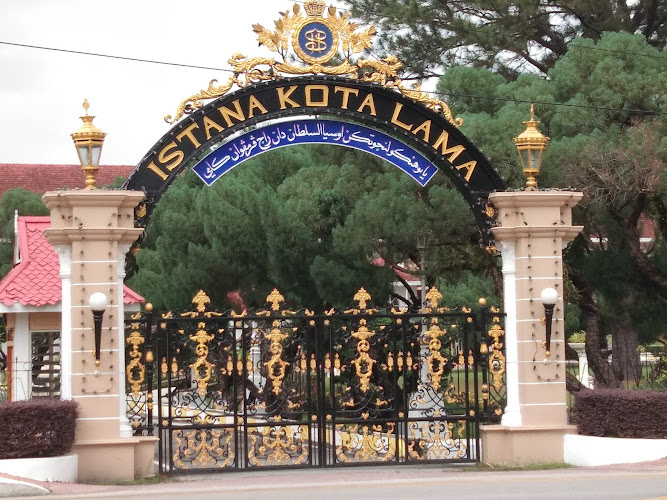
Istana Kota Lama

D1, Bandar Kota Bharu, 15050 Kota Bharu, Kelantan, マレーシア

Istana Kota Lama
82 Photos

About & Overview

Description

Istana Kota Lama in Kota Bharu, Kelantan, is a quietly atmospheric palace complex that traces the region’s layered history — from early 19th-century Malay rulership to a colonial-era residency and later adaptation as a royal house. Set on the banks of the Kelantan River in Kampung Sireh, the timber-and-wooden-pillared buildings display traditional Malay architecture infused with practical adaptations to the riverside setting, including raised floors and wide verandas. What makes Istana Kota Lama special is its sense of authenticity: unlike heavily commercialized heritage sites, it feels lived-in and connected to local memory, with period details that hint at courtly life and governance. Visitors come to absorb the architecture, imagine riverborne processions, and learn about Kelantan’s sultans and the state’s complex interactions with British advisors. A visit rewards those who appreciate quiet historical sites, photographic details (carved woodwork, old verandas, river views), and cultural context provided by nearby museums and heritage trails. For travelers seeking a low-key but richly informative stop in Kota Bharu, Istana Kota Lama offers an intimate window into Kelantan’s royal past.

Highlights & Key Features

  • Riverside location on the Kelantan River with scenic views
  • Traditional Malay timber architecture with raised floors and wide verandas
  • Historical association with Kelantan’s sultans and early 19th-century governance
  • Period details and woodcarving that reflect local craftsmanship
  • Close connection to other Kota Bharu heritage sites and museums

Visitor Guide & Information

Description

Istana Kota Lama stands as one of those historical gems that doesn’t always make it into the mainstream tourist brochures, but probably should. This historical palace-house represents a fascinating slice of architectural heritage that tells stories of Malaysia’s rich colonial and royal past. The structure itself carries the weight of decades, maybe centuries, depending on which local historian you ask over coffee.

When visitors first approach the building, there’s this immediate sense that they’ve stepped back in time. The architectural details speak volumes about the era when craftsmanship meant something different than it does today. You’ll notice the intricate woodwork, the traditional design elements that modern buildings just don’t replicate anymore, and the overall atmosphere that museums try to create but can never quite capture like an authentic historical site can.

What makes Istana Kota Lama particularly interesting is its dual nature as both a palace and a house. It’s not the grand, sprawling complex you might expect from royal residences in other parts of Asia. Instead, it offers something more intimate, more approachable. This isn’t Versailles with its overwhelming opulence. It’s a place where you can actually imagine people living, making decisions, raising families, and shaping the course of local history.

The site has become increasingly popular among families, and honestly, it’s easy to see why. Kids seem to find the old architecture genuinely fascinating, probably because it’s so different from anything they see in their daily lives. And parents appreciate that it’s an educational experience that doesn’t feel like homework. There’s something about walking through actual historical spaces that makes history come alive in ways that textbooks never manage.

Most visitors come away with a deeper appreciation for the region’s cultural heritage. The palace-house serves as a tangible connection to the past, offering insights into how people lived, what they valued, and how different life was just a few generations ago. It’s the kind of place that makes you think about the passage of time and how quickly things change.

Key Features

The Istana Kota Lama presents several distinctive characteristics that make it worth including in any traveler’s itinerary:

• Traditional architectural design that showcases period-specific building techniques and materials rarely seen in contemporary construction

• Historical significance tied to the region’s royal and colonial heritage, providing context for understanding local culture

• Family-friendly environment that welcomes children and makes historical education accessible to younger generations

• Authentic preservation of living spaces that offer glimpses into daily life from bygone eras

• Intricate decorative elements including woodwork, traditional motifs, and design patterns that demonstrate exceptional craftsmanship

• Manageable size that allows for thorough exploration without the overwhelming fatigue that comes with massive palace complexes

• Photographic opportunities around every corner, from architectural details to overall structural compositions

• Educational value for understanding regional history, social structures, and cultural development

• Relatively peaceful atmosphere compared to more commercialized tourist attractions, allowing for contemplative visits

• Represents an important piece of local heritage that connects past and present communities

Best Time to Visit

Timing your visit to Istana Kota Lama can make a significant difference in your experience, and I’ve learned through various travels that this kind of planning really pays off.

The cooler months generally provide the most comfortable visiting conditions. Walking through historical buildings in tropical heat isn’t anyone’s idea of a great time, trust me. Early mornings offer the best combination of comfortable temperatures and fewer crowds. There’s something magical about experiencing a historical site before the tour buses arrive and the noise levels rise.

Weekdays tend to be quieter than weekends, which matters more than you might think. When you’re trying to appreciate architectural details or imagine what life was like in another era, having elbow room makes all the difference. I remember visiting a similar historical site on a Saturday once, and the crowd was so dense that I could barely take photos without random strangers photobombing every shot.

Avoid public holidays and school vacation periods if you’re looking for a more contemplative experience. But if you’re traveling with kids and want them to have playmates to share the experience with, those busier times might actually work in your favor.

The dry season is generally preferable because you’ll want to spend time examining exterior architectural features, and nobody enjoys doing that under an umbrella. Plus, tropical downpours can limit access to certain areas and definitely put a damper on the overall experience.

Consider visiting during cultural festivals or heritage months when the site might host special programs or exhibitions. These occasions can provide additional context and make the visit even more memorable, though you’ll need to balance that against potentially larger crowds.

How to Get There

Getting to Istana Kota Lama requires a bit of planning, but it’s not overly complicated once you understand the options available.

For most international travelers, the journey begins with arrival at the nearest major airport, followed by ground transportation to the historical site. Taxis and ride-sharing services offer the most straightforward option, especially if you’re traveling with family or carrying luggage. The drivers generally know the location, though having the name written in local language on your phone doesn’t hurt.

Public transportation can work for budget-conscious travelers or those who enjoy the authentic local experience. Buses serve the general area, though you might need to combine different routes or walk a bit from the nearest stop. This approach takes longer and requires more navigation skills, but it also gives you a better feel for the surrounding community.

Many travelers opt for hiring a car with a driver for the day, which provides flexibility to combine the Istana visit with other nearby attractions. This approach costs more than public transit but less than you might expect, and the convenience factor is substantial. Your driver can also provide local insights and recommendations that guidebooks miss.

If you’re already in the general region, the palace-house is typically accessible via local transportation networks. The surrounding area has developed enough infrastructure to support visitors, though it hasn’t been overdeveloped to the point of losing its character.

Walking from nearby hotels or guesthouses is possible depending on where you’re staying. The journey itself can be part of the experience, allowing you to observe local architecture, street life, and daily routines. Just make sure you have a decent map application on your phone and comfortable shoes.

Tips for Visiting

Making the most of your Istana Kota Lama visit involves some practical preparation and on-site awareness.

Dress appropriately for both the weather and the cultural context. Comfortable walking shoes are essential because you’ll be on your feet examining different areas of the palace-house. Modest clothing shows respect for the historical and cultural significance of the site, and in practical terms, it’s often required for entry.

Bring water, especially if you’re visiting during warmer parts of the day. Dehydration can turn a fascinating historical exploration into an endurance test real quick. I learned this lesson the hard way at another heritage site when I ended up with a pounding headache that completely distracted from the experience.

Allow more time than you initially think you’ll need. Rushing through a historical site defeats the purpose. You want to actually absorb what you’re seeing, read the informational displays if available, and let your imagination reconstruct what life might have been like. Budget at least an hour, maybe two if you’re particularly interested in architecture or history.

Photography is usually permitted, but verify any restrictions before you start snapping away. Some historical sites prohibit flash photography to protect delicate materials, or restrict photography in certain areas. Getting scolded by a guard isn’t how you want to remember your visit.

Consider hiring a local guide if available. The additional context and stories they provide transform the experience from simply looking at old buildings to understanding their significance. Guides often know anecdotes and details that aren’t written anywhere, and they can answer questions tailored to your specific interests.

Watch your children closely if you’re visiting as a family. Old buildings weren’t designed with modern safety standards in mind. Steep stairs, uneven floors, and areas without railings require parental vigilance. But don’t let safety concerns prevent you from bringing kids—the educational value is immense, and most families navigate historical sites without incidents.

Check opening hours before you go. Heritage sites sometimes have irregular schedules, close for maintenance, or observe local holidays that tourists might not anticipate. Nothing’s more frustrating than arriving somewhere only to find it closed.

Respect the space and its historical significance. This might seem obvious, but you’d be surprised how some visitors treat heritage sites like playgrounds. Don’t touch fragile architectural elements, stay in designated areas, and keep noise levels reasonable.

Bring some local currency for any entrance fees or donation boxes. Historical preservation requires funding, and your contribution helps maintain these important sites for future generations.

Take your time in different rooms or areas. Each section of the palace-house likely has its own character and historical purpose. Instead of treating it like a checklist to rush through, let yourself linger in spaces that particularly interest you.

Community & Insider Notes

Last modified March 30, 2026

Description

Istana Kota Lama stands as one of those historical gems that doesn’t always make it into the mainstream tourist brochures, but probably should. This historical palace-house represents a fascinating slice of architectural heritage that tells stories of Malaysia’s rich colonial and royal past. The structure itself carries the weight of decades, maybe centuries, depending on which local historian you ask over coffee.

When visitors first approach the building, there’s this immediate sense that they’ve stepped back in time. The architectural details speak volumes about the era when craftsmanship meant something different than it does today. You’ll notice the intricate woodwork, the traditional design elements that modern buildings just don’t replicate anymore, and the overall atmosphere that museums try to create but can never quite capture like an authentic historical site can.

What makes Istana Kota Lama particularly interesting is its dual nature as both a palace and a house. It’s not the grand, sprawling complex you might expect from royal residences in other parts of Asia. Instead, it offers something more intimate, more approachable. This isn’t Versailles with its overwhelming opulence. It’s a place where you can actually imagine people living, making decisions, raising families, and shaping the course of local history.

The site has become increasingly popular among families, and honestly, it’s easy to see why. Kids seem to find the old architecture genuinely fascinating, probably because it’s so different from anything they see in their daily lives. And parents appreciate that it’s an educational experience that doesn’t feel like homework. There’s something about walking through actual historical spaces that makes history come alive in ways that textbooks never manage.

Most visitors come away with a deeper appreciation for the region’s cultural heritage. The palace-house serves as a tangible connection to the past, offering insights into how people lived, what they valued, and how different life was just a few generations ago. It’s the kind of place that makes you think about the passage of time and how quickly things change.

Key Features

The Istana Kota Lama presents several distinctive characteristics that make it worth including in any traveler’s itinerary:

• Traditional architectural design that showcases period-specific building techniques and materials rarely seen in contemporary construction

• Historical significance tied to the region’s royal and colonial heritage, providing context for understanding local culture

• Family-friendly environment that welcomes children and makes historical education accessible to younger generations

• Authentic preservation of living spaces that offer glimpses into daily life from bygone eras

• Intricate decorative elements including woodwork, traditional motifs, and design patterns that demonstrate exceptional craftsmanship

• Manageable size that allows for thorough exploration without the overwhelming fatigue that comes with massive palace complexes

• Photographic opportunities around every corner, from architectural details to overall structural compositions

• Educational value for understanding regional history, social structures, and cultural development

• Relatively peaceful atmosphere compared to more commercialized tourist attractions, allowing for contemplative visits

• Represents an important piece of local heritage that connects past and present communities

Best Time to Visit

Timing your visit to Istana Kota Lama can make a significant difference in your experience, and I’ve learned through various travels that this kind of planning really pays off.

The cooler months generally provide the most comfortable visiting conditions. Walking through historical buildings in tropical heat isn’t anyone’s idea of a great time, trust me. Early mornings offer the best combination of comfortable temperatures and fewer crowds. There’s something magical about experiencing a historical site before the tour buses arrive and the noise levels rise.

Weekdays tend to be quieter than weekends, which matters more than you might think. When you’re trying to appreciate architectural details or imagine what life was like in another era, having elbow room makes all the difference. I remember visiting a similar historical site on a Saturday once, and the crowd was so dense that I could barely take photos without random strangers photobombing every shot.

Avoid public holidays and school vacation periods if you’re looking for a more contemplative experience. But if you’re traveling with kids and want them to have playmates to share the experience with, those busier times might actually work in your favor.

The dry season is generally preferable because you’ll want to spend time examining exterior architectural features, and nobody enjoys doing that under an umbrella. Plus, tropical downpours can limit access to certain areas and definitely put a damper on the overall experience.

Consider visiting during cultural festivals or heritage months when the site might host special programs or exhibitions. These occasions can provide additional context and make the visit even more memorable, though you’ll need to balance that against potentially larger crowds.

How to Get There

Getting to Istana Kota Lama requires a bit of planning, but it’s not overly complicated once you understand the options available.

For most international travelers, the journey begins with arrival at the nearest major airport, followed by ground transportation to the historical site. Taxis and ride-sharing services offer the most straightforward option, especially if you’re traveling with family or carrying luggage. The drivers generally know the location, though having the name written in local language on your phone doesn’t hurt.

Public transportation can work for budget-conscious travelers or those who enjoy the authentic local experience. Buses serve the general area, though you might need to combine different routes or walk a bit from the nearest stop. This approach takes longer and requires more navigation skills, but it also gives you a better feel for the surrounding community.

Many travelers opt for hiring a car with a driver for the day, which provides flexibility to combine the Istana visit with other nearby attractions. This approach costs more than public transit but less than you might expect, and the convenience factor is substantial. Your driver can also provide local insights and recommendations that guidebooks miss.

If you’re already in the general region, the palace-house is typically accessible via local transportation networks. The surrounding area has developed enough infrastructure to support visitors, though it hasn’t been overdeveloped to the point of losing its character.

Walking from nearby hotels or guesthouses is possible depending on where you’re staying. The journey itself can be part of the experience, allowing you to observe local architecture, street life, and daily routines. Just make sure you have a decent map application on your phone and comfortable shoes.

Tips for Visiting

Making the most of your Istana Kota Lama visit involves some practical preparation and on-site awareness.

Dress appropriately for both the weather and the cultural context. Comfortable walking shoes are essential because you’ll be on your feet examining different areas of the palace-house. Modest clothing shows respect for the historical and cultural significance of the site, and in practical terms, it’s often required for entry.

Bring water, especially if you’re visiting during warmer parts of the day. Dehydration can turn a fascinating historical exploration into an endurance test real quick. I learned this lesson the hard way at another heritage site when I ended up with a pounding headache that completely distracted from the experience.

Allow more time than you initially think you’ll need. Rushing through a historical site defeats the purpose. You want to actually absorb what you’re seeing, read the informational displays if available, and let your imagination reconstruct what life might have been like. Budget at least an hour, maybe two if you’re particularly interested in architecture or history.

Photography is usually permitted, but verify any restrictions before you start snapping away. Some historical sites prohibit flash photography to protect delicate materials, or restrict photography in certain areas. Getting scolded by a guard isn’t how you want to remember your visit.

Consider hiring a local guide if available. The additional context and stories they provide transform the experience from simply looking at old buildings to understanding their significance. Guides often know anecdotes and details that aren’t written anywhere, and they can answer questions tailored to your specific interests.

Watch your children closely if you’re visiting as a family. Old buildings weren’t designed with modern safety standards in mind. Steep stairs, uneven floors, and areas without railings require parental vigilance. But don’t let safety concerns prevent you from bringing kids—the educational value is immense, and most families navigate historical sites without incidents.

Check opening hours before you go. Heritage sites sometimes have irregular schedules, close for maintenance, or observe local holidays that tourists might not anticipate. Nothing’s more frustrating than arriving somewhere only to find it closed.

Respect the space and its historical significance. This might seem obvious, but you’d be surprised how some visitors treat heritage sites like playgrounds. Don’t touch fragile architectural elements, stay in designated areas, and keep noise levels reasonable.

Bring some local currency for any entrance fees or donation boxes. Historical preservation requires funding, and your contribution helps maintain these important sites for future generations.

Take your time in different rooms or areas. Each section of the palace-house likely has its own character and historical purpose. Instead of treating it like a checklist to rush through, let yourself linger in spaces that particularly interest you.

Key Highlights

  • Riverside location on the Kelantan River with scenic views
  • Traditional Malay timber architecture with raised floors and wide verandas
  • Historical association with Kelantan’s sultans and early 19th-century governance
  • Period details and woodcarving that reflect local craftsmanship
  • Close connection to other Kota Bharu heritage sites and museums

Location

Places to Stay Near Istana Kota Lama

Find and Book a Tour

Explore More Travel Guides

No reviews found! Be the first to review!

Select a Rating5 Stars4 Stars3 Stars2 Stars1 Star

Istana Kota Lama is a prominent Tempat Bersejarah located in Kota Bharu.

Visit us at: D1, Bandar Kota Bharu, 15050 Kota Bharu, Kelantan, マレーシア.

Nearby Attractions (Within 5 km)

Explore verified points of interest within walking or short transit distance.

No neighboring places mapped within 5 km yet.

Find Places to Stay Nearby

Stay22 provides this accommodation search. We may earn a commission if you book through it; verify current prices and terms with the provider.

Recommended Experiences & Activities

GetYourGuide provides this tour inventory. We may earn a commission if you book through it; verify current availability, prices, and terms with the provider.

Top Viator Experiences & Guided Tours in Kota Bharu

We may earn a commission if you book through links on this page at no extra cost to you. All tours feature verified customer reviews and flexible cancellation options.

Traveler Reviews & Community Q&A

No traveler reviews yet. Share your experience below!

No traveler questions yet. Be the first to ask a local!

Real Journey Travels Community

Reset your password · Create an account