Guided Sightseeing Tours & Activities in Kuantan
- Browse sightseeing excursions and activities in Kuantan
- Check live availability, rates & traveler reviews on Viator
- Secure online booking with flexible options
Air Terjun Sungai Pandan, 26250 Kuantan, Pahang, Malaysia

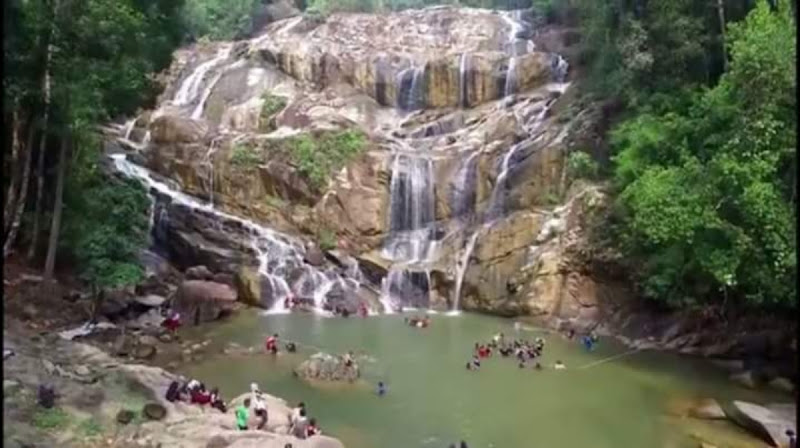
Sungai Pandan Waterfall (Air Terjun Sungai Pandan), tucked into the Sungai Pandan Forest Reserve just outside Kuantan, Pahang, is a multi-tiered cascade that feels like a well-kept secret despite its popularity with locals. Formed over centuries of river flow carving through tropical rainforest, the falls spill into broad, clear pools ringed by smooth rock ledges and verdant jungle β ideal for bathing, picnics and relaxed exploration. Historically the area grew around small agricultural settlements (including nearby Felda Panching), and the site has long been a weekend retreat for families from Kuantan. What makes Sungai Pandan special is the scale and accessibility of its cascades: several tiers of falls create a dramatic backdrop while easy paths and a short walk from the car park mean visitors of many abilities can enjoy it. Bring a towel and a picnic, or combine a dip with short walks among the forest and streams. Visit for cooling swims, photography of the layered falls, and a taste of Pahangβs lowland rainforest close to town.
Sungai Pandan Waterfall stands as one of those places where you can actually feel the stress just melting away the moment you arrive. This natural swimming pool carved by cascading water over centuries offers visitors a genuine escape from the bustling city life, and honestly, itβs the kind of spot that reminds you why getting out into nature matters so much. The waterfall itself isnβt exactly towering or dramatic in that postcard-perfect way, but thereβs something wonderfully authentic about its modest beauty that just works.
What makes this place special is how accessible it feels for families and casual adventurers alike. You donβt need to be some hardcore trekking enthusiast to enjoy what Sungai Pandan has to offer. The swimming area at the base of the falls provides a refreshing dip thatβs especially welcome in the tropical heat, and watching kids splash around while parents relax on the surrounding rocks creates this lovely community atmosphere that you donβt always find at more commercialized attractions.
The surrounding area functions as both a recreation center and national reserve, which means thereβs been some effort to balance preservation with visitor access. Youβll find food vendors scattered around selling local snacks and refreshments, plus souvenir stalls if youβre into that sort of thing. Some travelers might find these commercial elements a bit intrusive, but Iβd argue they actually make longer visits more practical, especially when youβve got hungry kids in tow.
Timing your visit to Sungai Pandan Waterfall can honestly make or break your experience, and Iβve learned this the hard way over the years. The dry season, typically running from March through October, offers the most predictable conditions. During these months, youβll find clearer water and more comfortable hiking conditions, though βdryβ is relative in a tropical climate where afternoon showers can still pop up unexpectedly.
Weekdays are hands down your best bet if youβre looking to avoid crowds. Weekends and public holidays transform this place into something resembling a water park, with families arriving in droves and claiming every available picnic table by mid-morning. But on a Tuesday or Wednesday? You might find yourself sharing the waterfall with just a handful of other visitors, which completely changes the vibe.
Early mornings hold a special magic here. Arriving around 8 or 9 AM means youβll catch the waterfall before the afternoon heat really kicks in, and the lighting is absolutely gorgeous for photos. Plus, the water feels extra refreshing when youβre not already drenched in sweat from the humidity. Late afternoons can work too, though youβll want to factor in that tropical locations tend to darken quickly once the sun starts setting.
The wet season from November through February brings heavier rainfall, which pumps up the waterfallβs volume and creates more dramatic cascades. Sounds appealing, right? And it can be, but thereβs a trade-off. Heavy rains can muddy the swimming area and make the trails slippery and potentially dangerous. Iβve seen the access paths turn into minor streams themselves during particularly heavy downpours. If you do visit during wetter months, check recent weather patterns and maybe have a backup plan ready.
Public holidays and school vacation periods should probably be avoided unless you genuinely enjoy the bustling atmosphere of hundreds of people all trying to claim their spot. The Malaysian school holidays in particular can turn this into quite the scene, though some folks appreciate that energy and community feeling.
Getting to Sungai Pandan Waterfall requires a bit of planning, but itβs not the logistical nightmare that some more remote attractions demand. Most visitors arrive by private vehicle, which remains the most practical option if youβre traveling with family or a group of friends. The drive takes you through some pleasant countryside thatβs worth appreciating rather than just rushing through.
From major urban centers, youβll generally be looking at a drive that takes anywhere from an hour to several hours depending on your starting point and traffic conditions. The roads leading to the waterfall are mostly paved and in decent condition, though the final approach involves some narrower routes where youβll want to drive carefully. Donβt expect highway-quality surfaces all the way to the entrance.
Parking availability can get tight during peak visiting times, and Iβm talking about arriving to find cars lined up along the roadside because the designated lots are completely full. This is another reason why weekday visits or very early morning arrivals make sense. The parking areas arenβt exactly spacious, and thereβs no sophisticated system in place, so itβs basically first-come, first-served.
Public transportation options exist but require more patience and flexibility. You might need to take a combination of buses and then arrange for a taxi or ride-sharing service for the final leg. Itβs doable, absolutely, but youβll spend considerably more time in transit compared to driving yourself. For budget travelers or those without access to a vehicle, though, itβs worth the extra effort.
Some visitors opt for organized tours that include Sungai Pandan Waterfall as part of a broader itinerary covering multiple attractions in the region. These can be convenient if you prefer having transportation and logistics handled for you, though they typically operate on tighter schedules that might not align with your preferred pace.
Navigation apps generally do a decent job of getting you to the general vicinity, but donβt be surprised if the final directions require some local knowledge or asking for guidance. Cell phone reception can get spotty in the area, so downloading offline maps beforehand is genuinely smart rather than just being overly cautious.
Letβs talk practical advice thatβll actually improve your experience rather than just stating the obvious. First off, bring proper footwear, and I mean actually proper, not those flimsy flip-flops you picked up at a convenience store. The paths around the waterfall can be slippery even during dry conditions, and wet rocks are basically natureβs way of testing your balance. Water shoes work brilliantly because they protect your feet while allowing you to wade into the swimming area without worrying about sharp rocks or uneven surfaces.
Pack your own food and drinks if youβre particular about what you eat or trying to manage costs. Yeah, there are vendors on-site, but selection can be limited and prices reflect the captive audience situation. A cooler with sandwiches, fruit, and plenty of water keeps everyone happy without breaking the budget. That said, do consider buying at least something from the local vendors as a way of supporting the community economy.
Waterproof bags or containers are essential for protecting phones, wallets, and anything else that shouldnβt get wet. Iβve watched too many people learn this lesson the hard way, frantically trying to dry out their soaked belongings. Even if you donβt plan on swimming, the spray from the waterfall and general humidity can affect your stuff.
Arrive prepared for sun exposure despite the tree cover. The surrounding areas where people set up picnics and the approaches to the waterfall can leave you quite exposed, and tropical sun doesnβt mess around. Sunscreen, hats, and maybe even a lightweight long-sleeve shirt for particularly sun-sensitive folks will save you from spending the evening covered in aloe vera and regrets.
Respect the environment because this place depends on visitors actually caring about its preservation. Pack out everything you bring in, donβt carve your initials into trees or rocks, and avoid disturbing wildlife. Itβs basic stuff, but youβd be surprised how many people seem to forget these principles once theyβre on vacation.
The facilities, while present, are pretty basic. Donβt expect luxury restrooms or sophisticated changing areas. Manage your expectations accordingly and maybe use facilities before arriving if youβre the type whoβs particular about such things. Toilet paper and hand sanitizer brought from home can be lifesavers.
Swimming ability matters here. The natural pool isnβt uniform in depth, and while itβs generally safe, non-swimmers should stay in shallower areas and children need constant supervision. There arenβt lifeguards stationed around, so youβre responsible for your own safety and that of your group.
Consider visiting during different seasons if you can manage multiple trips. The waterfall genuinely transforms between wet and dry seasons, offering quite different experiences. What you see in April might look dramatically different from a December visit, and neither is necessarily better, just different.
Mosquito repellent and basic first aid supplies round out the essentials. Natural areas mean insects, and while theyβre generally more annoying than dangerous, preventing bites is way better than dealing with itchy welts for days afterward. Band-aids, antiseptic, and any personal medications should come along for the ride.
Photography enthusiasts will want to bring protective gear for cameras and maybe experiment with longer exposures to capture that silky water effect everyone loves. The mid-day sun can create harsh shadows, so early morning or late afternoon light tends to produce better results.
Finally, check current conditions before heading out, especially during or after heavy rains. Local Facebook groups or recent visitor reviews can provide real-time information about water clarity, access road conditions, and crowd levels that official sources might not update frequently. A little research saves you from showing up to find the place either dangerously swollen or disappointingly dry.
Last modified March 30, 2026
Sungai Pandan Waterfall stands as one of those places where you can actually feel the stress just melting away the moment you arrive. This natural swimming pool carved by cascading water over centuries offers visitors a genuine escape from the bustling city life, and honestly, it’s the kind of spot that reminds you why getting out into nature matters so much. The waterfall itself isn’t exactly towering or dramatic in that postcard-perfect way, but there’s something wonderfully authentic about its modest beauty that just works.
What makes this place special is how accessible it feels for families and casual adventurers alike. You don’t need to be some hardcore trekking enthusiast to enjoy what Sungai Pandan has to offer. The swimming area at the base of the falls provides a refreshing dip that’s especially welcome in the tropical heat, and watching kids splash around while parents relax on the surrounding rocks creates this lovely community atmosphere that you don’t always find at more commercialized attractions.
The surrounding area functions as both a recreation center and national reserve, which means there’s been some effort to balance preservation with visitor access. You’ll find food vendors scattered around selling local snacks and refreshments, plus souvenir stalls if you’re into that sort of thing. Some travelers might find these commercial elements a bit intrusive, but I’d argue they actually make longer visits more practical, especially when you’ve got hungry kids in tow.
Timing your visit to Sungai Pandan Waterfall can honestly make or break your experience, and I’ve learned this the hard way over the years. The dry season, typically running from March through October, offers the most predictable conditions. During these months, you’ll find clearer water and more comfortable hiking conditions, though “dry” is relative in a tropical climate where afternoon showers can still pop up unexpectedly.
Weekdays are hands down your best bet if you’re looking to avoid crowds. Weekends and public holidays transform this place into something resembling a water park, with families arriving in droves and claiming every available picnic table by mid-morning. But on a Tuesday or Wednesday? You might find yourself sharing the waterfall with just a handful of other visitors, which completely changes the vibe.
Early mornings hold a special magic here. Arriving around 8 or 9 AM means you’ll catch the waterfall before the afternoon heat really kicks in, and the lighting is absolutely gorgeous for photos. Plus, the water feels extra refreshing when you’re not already drenched in sweat from the humidity. Late afternoons can work too, though you’ll want to factor in that tropical locations tend to darken quickly once the sun starts setting.
The wet season from November through February brings heavier rainfall, which pumps up the waterfall’s volume and creates more dramatic cascades. Sounds appealing, right? And it can be, but there’s a trade-off. Heavy rains can muddy the swimming area and make the trails slippery and potentially dangerous. I’ve seen the access paths turn into minor streams themselves during particularly heavy downpours. If you do visit during wetter months, check recent weather patterns and maybe have a backup plan ready.
Public holidays and school vacation periods should probably be avoided unless you genuinely enjoy the bustling atmosphere of hundreds of people all trying to claim their spot. The Malaysian school holidays in particular can turn this into quite the scene, though some folks appreciate that energy and community feeling.
Getting to Sungai Pandan Waterfall requires a bit of planning, but it’s not the logistical nightmare that some more remote attractions demand. Most visitors arrive by private vehicle, which remains the most practical option if you’re traveling with family or a group of friends. The drive takes you through some pleasant countryside that’s worth appreciating rather than just rushing through.
From major urban centers, you’ll generally be looking at a drive that takes anywhere from an hour to several hours depending on your starting point and traffic conditions. The roads leading to the waterfall are mostly paved and in decent condition, though the final approach involves some narrower routes where you’ll want to drive carefully. Don’t expect highway-quality surfaces all the way to the entrance.
Parking availability can get tight during peak visiting times, and I’m talking about arriving to find cars lined up along the roadside because the designated lots are completely full. This is another reason why weekday visits or very early morning arrivals make sense. The parking areas aren’t exactly spacious, and there’s no sophisticated system in place, so it’s basically first-come, first-served.
Public transportation options exist but require more patience and flexibility. You might need to take a combination of buses and then arrange for a taxi or ride-sharing service for the final leg. It’s doable, absolutely, but you’ll spend considerably more time in transit compared to driving yourself. For budget travelers or those without access to a vehicle, though, it’s worth the extra effort.
Some visitors opt for organized tours that include Sungai Pandan Waterfall as part of a broader itinerary covering multiple attractions in the region. These can be convenient if you prefer having transportation and logistics handled for you, though they typically operate on tighter schedules that might not align with your preferred pace.
Navigation apps generally do a decent job of getting you to the general vicinity, but don’t be surprised if the final directions require some local knowledge or asking for guidance. Cell phone reception can get spotty in the area, so downloading offline maps beforehand is genuinely smart rather than just being overly cautious.
Let’s talk practical advice that’ll actually improve your experience rather than just stating the obvious. First off, bring proper footwear, and I mean actually proper, not those flimsy flip-flops you picked up at a convenience store. The paths around the waterfall can be slippery even during dry conditions, and wet rocks are basically nature’s way of testing your balance. Water shoes work brilliantly because they protect your feet while allowing you to wade into the swimming area without worrying about sharp rocks or uneven surfaces.
Pack your own food and drinks if you’re particular about what you eat or trying to manage costs. Yeah, there are vendors on-site, but selection can be limited and prices reflect the captive audience situation. A cooler with sandwiches, fruit, and plenty of water keeps everyone happy without breaking the budget. That said, do consider buying at least something from the local vendors as a way of supporting the community economy.
Waterproof bags or containers are essential for protecting phones, wallets, and anything else that shouldn’t get wet. I’ve watched too many people learn this lesson the hard way, frantically trying to dry out their soaked belongings. Even if you don’t plan on swimming, the spray from the waterfall and general humidity can affect your stuff.
Arrive prepared for sun exposure despite the tree cover. The surrounding areas where people set up picnics and the approaches to the waterfall can leave you quite exposed, and tropical sun doesn’t mess around. Sunscreen, hats, and maybe even a lightweight long-sleeve shirt for particularly sun-sensitive folks will save you from spending the evening covered in aloe vera and regrets.
Respect the environment because this place depends on visitors actually caring about its preservation. Pack out everything you bring in, don’t carve your initials into trees or rocks, and avoid disturbing wildlife. It’s basic stuff, but you’d be surprised how many people seem to forget these principles once they’re on vacation.
The facilities, while present, are pretty basic. Don’t expect luxury restrooms or sophisticated changing areas. Manage your expectations accordingly and maybe use facilities before arriving if you’re the type who’s particular about such things. Toilet paper and hand sanitizer brought from home can be lifesavers.
Swimming ability matters here. The natural pool isn’t uniform in depth, and while it’s generally safe, non-swimmers should stay in shallower areas and children need constant supervision. There aren’t lifeguards stationed around, so you’re responsible for your own safety and that of your group.
Consider visiting during different seasons if you can manage multiple trips. The waterfall genuinely transforms between wet and dry seasons, offering quite different experiences. What you see in April might look dramatically different from a December visit, and neither is necessarily better, just different.
Mosquito repellent and basic first aid supplies round out the essentials. Natural areas mean insects, and while they’re generally more annoying than dangerous, preventing bites is way better than dealing with itchy welts for days afterward. Band-aids, antiseptic, and any personal medications should come along for the ride.
Photography enthusiasts will want to bring protective gear for cameras and maybe experiment with longer exposures to capture that silky water effect everyone loves. The mid-day sun can create harsh shadows, so early morning or late afternoon light tends to produce better results.
Finally, check current conditions before heading out, especially during or after heavy rains. Local Facebook groups or recent visitor reviews can provide real-time information about water clarity, access road conditions, and crowd levels that official sources might not update frequently. A little research saves you from showing up to find the place either dangerously swollen or disappointingly dry.

No reviews found! Be the first to review!
Sungai Pandan Waterfall is a prominent attractions located in Kuantan.
Visit us at: Air Terjun Sungai Pandan, 26250 Kuantan, Pahang, Malaysia.
Explore verified points of interest within walking or short transit distance.
No neighboring places mapped within 5 km yet.
Stay22 provides this accommodation search. We may earn a commission if you book through it; verify current prices and terms with the provider.
GetYourGuide provides this tour inventory. We may earn a commission if you book through it; verify current availability, prices, and terms with the provider.
We may earn a commission if you book through links on this page at no extra cost to you. All tours feature verified customer reviews and flexible cancellation options.
No traveler reviews yet. Share your experience below!
No traveler questions yet. Be the first to ask a local!