Description
Gua Charas represents one of those remarkable places where spirituality, natural wonder, and human ingenuity come together in unexpected ways. This century-old cave temple near Panching in Kuantan has been quietly drawing visitors who seek something different from the usual beach resort experience that dominates Malaysia’s east coast tourism scene. The site centers around a natural limestone cave that houses a Hindu temple, and honestly, the journey to reach the inner sanctum is just as memorable as the destination itself.
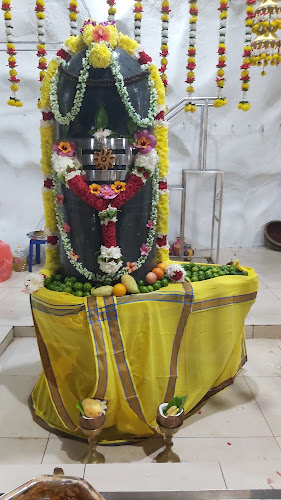
What immediately catches your eye as you approach is the massive abstract statue of Lord Shiva that seems to rise organically from the earth. It’s not your typical religious statue—there’s something almost contemporary about its design, which creates this interesting contrast with the ancient cave formations behind it. A steel staircase spirals around this statue, and let me tell you, it’s quite the climb. The engineering behind this staircase is impressive, wrapping around the deity in a way that feels both respectful and dramatic.
The cave temple itself has been a place of worship for over a hundred years, which means you’re walking through spaces that have held significance for generations of devotees. Inside the cave, you’ll find various Hindu deities, prayer areas, and religious iconography that has been carefully maintained over the decades. The natural rock formations add to the atmosphere, with stalactites and stalagmites creating this otherworldly backdrop to the religious elements. Some visitors come purely for the spiritual experience, while others are drawn by the geological and historical aspects. Both groups seem to leave satisfied, though the physical demands of the visit do filter out those who aren’t prepared for a bit of exertion.
The location near Panching, just outside Kuantan proper, means it’s accessible enough for a day trip but removed enough that it maintains a sense of discovery. You won’t find the crowds that flock to more commercialized attractions, which honestly adds to the appeal for many travelers.
Key Features
- Century-old Hindu temple housed within a natural limestone cave system that preserves both geological formations and religious heritage
- Striking abstract statue of Lord Shiva that serves as the centerpiece of the site, with unique artistic interpretation that differs from traditional representations
- Dramatic steel staircase constructed around the Shiva statue, offering an engineering marvel and a physical challenge for visitors ascending to the cave entrance
- Well-preserved stalactites and stalagmites throughout the cave interior, providing natural sculptural elements that complement the religious installations
- Active place of worship where visitors can observe Hindu religious practices and ceremonies, particularly during festival periods
- Multiple shrine areas within the cave complex dedicated to various Hindu deities, each with distinct characteristics and offerings
- Natural ventilation and lighting effects created by cave openings that illuminate different areas at various times of day
- Relatively uncrowded compared to other tourist attractions in the Kuantan area, allowing for contemplative visits and better photography opportunities
- Restroom facilities available on-site, which is more than can be said for many natural attractions in the region
- Suitable for families with older children who can manage the stairs, making it an educational destination that combines nature, culture, and religion
Best Time to Visit
Timing your visit to Gua Charas requires thinking about both weather patterns and cultural events. The east coast of Peninsular Malaysia has a distinct monsoon season, and this really matters when you’re planning a trip that involves climbing outdoor stairs and exploring caves.
The ideal months fall between March and September when the weather is generally drier and more predictable. During these months, you’ll have clearer skies and less chance of those sudden tropical downpours that can make the steel staircase treacherously slippery. I’ve talked to folks who attempted the climb during light rain, and they all say the same thing—it’s doable but nerve-wracking. The stairs can become slick, and when you’re spiraling around a tall statue with gaps in the steps, you want conditions in your favor.
Early morning visits, particularly around 7 or 8 AM, offer several advantages. First, the temperature is significantly cooler, which matters when you’re climbing stairs in tropical humidity. Second, the morning light creates beautiful effects inside the cave as sunlight filters through openings at different angles. And third, you’ll likely have the place largely to yourself, which transforms the experience from tourist activity to something more meditative and personal.
Avoiding the November to January monsoon period is generally wise. Heavy rains can not only make the visit uncomfortable but occasionally the site may have restricted access if conditions are deemed unsafe. But if you’re already in Kuantan during these months and there’s a clear day, the site remains open and can be less crowded than usual.
Hindu festival periods bring an entirely different dimension to Gua Charas. During celebrations like Thaipusam, the cave temple becomes a focal point for religious observances, with devotees making pilgrimages and conducting ceremonies. If you’re interested in cultural experiences and don’t mind larger crowds, visiting during these times offers insight into living religious traditions. However, if you prefer a quieter, more exploratory visit, you’ll want to check the Hindu festival calendar and plan accordingly.
Weekdays typically see fewer visitors than weekends, when local families and regional tourists make day trips to the site. If flexibility exists in your schedule, a Tuesday or Wednesday morning might provide the most serene experience.
How to Get There
Reaching Gua Charas from Kuantan involves a journey of approximately 25 to 30 kilometers, depending on your starting point in the city. The most straightforward approach is by car or motorcycle, as public transportation options don’t directly service the site.
If you’re driving from central Kuantan, head west toward Panching along Route 318. The road is generally well-maintained, though it narrows as you get closer to Panching village. Navigation apps work reliably in this area, though you’ll want to download offline maps just in case the listing data connection becomes spotty in the more rural stretches. Look for signage indicating Gua Charas as you approach the Panching area—the signs exist but aren’t always as prominent as you might hope, so keeping your eyes open matters.
For those without their own transportation, hiring a taxi or using ride-sharing services from Kuantan is practical and often economical if you’re traveling with others. Negotiate a round-trip fare that includes waiting time, as finding a return ride from the cave can be challenging. Most drivers familiar with the area know Gua Charas, though showing them a map or address helps ensure clarity. Budget around 60 to 80 ringgit for a round trip, though prices fluctuate based on negotiation skills and current fuel costs.
Renting a car in Kuantan gives you flexibility not just for reaching Gua Charas but for exploring other attractions in the Panching area. Rental agencies operate near the airport and in the city center, with daily rates typically ranging from 80 to 150 ringgit depending on vehicle type. The drive itself is pleasant, passing through oil palm plantations and rural kampungs that offer glimpses of life outside tourist zones.
Some tour operators in Kuantan include Gua Charas in day trip packages, often combining it with other nearby attractions. This option suits travelers who prefer organized logistics, though it means less control over timing and duration of your visit.
Parking at the site is informal but adequate, with space near the base of the hill where the cave is located. There’s no official parking fee, though keeping valuables out of sight in your vehicle is sensible, as it is anywhere.
Tips for Visiting
Preparing properly makes the difference between an enjoyable visit and a challenging one. Let’s start with footwear, because this honestly can’t be emphasized enough. Wear closed-toe shoes with good grip—sandals and flip-flops are inadequate for climbing the steel staircase, especially if any moisture is present. Athletic shoes or hiking sandals with proper treads work well.
Clothing should be modest, respecting the religious nature of the site. This means covering shoulders and knees at minimum. Lightweight, breathable fabrics help manage the heat and humidity, and having a scarf or shawl can be useful if you need additional coverage. The cave interior is cooler than outside, which provides relief after the stair climb.
Bring water, seriously. The combination of heat, humidity, and physical exertion means you’ll be thirsty. There aren’t vendors selling drinks right at the cave entrance, so having your own supply prevents dehydration. A small backpack works well for carrying water, a towel for wiping sweat, and any other essentials.
The staircase climb takes varying amounts of time depending on fitness level, but plan for 10 to 20 minutes of steady ascending. There are places to pause and catch your breath, and honestly, these pauses let you appreciate the statue and surrounding landscape from different perspectives. Don’t rush it—this isn’t a race, and the views from various levels of the staircase are worth savoring.
Photography is generally permitted, but be respectful within the temple areas. If religious ceremonies are occurring, observe from a appropriate distance and avoid flash photography that might disrupt worship. The natural lighting inside the cave creates interesting photographic challenges and opportunities, so if you’re serious about getting good shots, visiting when sunlight enters the cave openings produces the most dramatic results.
Small donations are appreciated at the temple. While there’s no entrance fee, temples rely on visitor contributions for maintenance and operations. Whatever amount feels appropriate to you helps preserve the site for future visitors.
Accessibility is limited here. The staircase and cave terrain aren’t wheelchair accessible, and individuals with mobility limitations will find the site challenging. Families with very young children should consider whether kids can manage the stairs safely—it requires holding handrails and watching footing throughout the climb.
Insect repellent can be useful, particularly during dawn or dusk visits when mosquitoes are more active. The cave itself harbors bats, which are harmless but worth noting for those who might be startled by occasional bat activity.
Visiting with respect for both the natural environment and religious significance creates a better experience for everyone. This means not littering, speaking in moderate tones within the temple areas, and observing any specific rules posted at the site.
The entire visit typically takes 1.5 to 2 hours, allowing time for the climb, exploration of the cave and temple, and descent. This makes it perfect as a morning activity before moving on to other Kuantan adventures, or as an afternoon stop if you’re road-tripping along the coast. Whatever brings you to Gua Charas, approaching it with curiosity and appropriate preparation ensures you’ll leave with appreciation for this unique intersection of faith, nature, and human creativity.