Heart-shaped Traffic Light Kota Bharu
About Heart-shaped Traffic Light Kota Bharu
Description
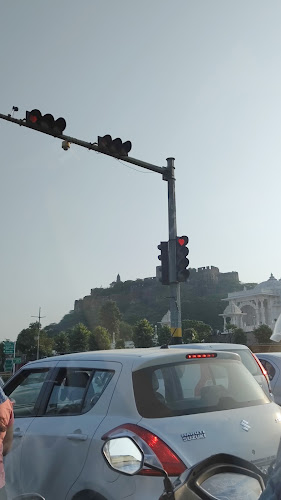
The Heart-shaped Traffic Light in Kota Bharu stands as one of those quirky roadside attractions that you'd never expect to stumble upon in northeastern Malaysia. It's essentially what it sounds like - a traffic light creatively designed in the shape of a heart, and honestly, it's become something of a local landmark that travelers seem to either seek out intentionally or discover by happy accident while navigating the city streets. When I first heard about this attraction, I'll admit I was skeptical. A traffic light? Really? But there's something genuinely charming about communities that take everyday infrastructure and turn it into something memorable. Kota Bharu isn't exactly drowning in tourist attractions compared to places like Penang or Kuala Lumpur, which makes this heart-shaped oddity all the more endearing. The local authorities decided to transform what would otherwise be a forgettable intersection into a photo opportunity, and travelers have responded with enthusiasm. Located in the capital of Kelantan state, this traffic installation reflects the city's effort to add character to its urban landscape. It's not going to take up hours of your itinerary, but it represents the kind of unexpected discovery that makes travel memorable. You know those moments when you're wandering through a new place and you find something that makes you smile and reach for your camera? That's exactly what this is. The heart shape itself is executed with surprising attention to detail. The designers didn't just slap a heart outline around a standard traffic signal - they actually integrated the functional aspects of traffic control into the romantic silhouette. And let me tell you, in a state known for its conservative Islamic values and traditional culture, seeing authorities embrace something this whimsical and romantic feels refreshingly unexpected.Key Features
- Fully functional traffic light cleverly designed in a red heart shape that serves actual traffic control purposes while doubling as a photo-worthy landmark
- Unique architectural element that showcases Kota Bharu's attempt to blend practical infrastructure with artistic expression and tourist appeal
- Free attraction that requires zero admission fee, making it accessible to budget travelers and those looking for quick photo stops during city exploration
- Represents local character and the city's willingness to add personality to urban spaces, reflecting a softer side of Kelantan's cultural identity
- Easily photographable from street level, though visitors should obviously remain mindful of active traffic and pedestrian safety while capturing images
- Particularly photogenic during evening hours when the traffic signals illuminate the heart shape against the darkening sky
- Serves as a convenient meeting point or landmark when navigating Kota Bharu with travel companions or local friends
- Located in an area where visitors can combine their visit with exploration of nearby shops, eateries, and other downtown attractions
Best Time to Visit
Here's the thing about visiting a traffic light - it's operational 24/7, which technically means you can see it anytime. But if you want to actually appreciate it properly and get decent photos, timing matters more than you'd think. The golden hour just before sunset offers beautiful natural lighting that makes the heart shape stand out against the sky without the harsh shadows of midday. I'd say aim for around 5:30 to 6:30 PM when the light is soft and flattering. Plus, you'll get to see the transition as the traffic signals start illuminating more prominently as darkness falls. Evening visits between 7 PM and 9 PM work wonderfully because the lit-up heart shape becomes more dramatic against the night sky. The red glow of the traffic signals takes on an almost romantic quality (which I suppose was the whole point). Just be aware that traffic patterns shift throughout the day, so you might encounter more vehicles during evening rush periods. Weekday mornings see heavy commuter traffic, which isn't ideal if you're trying to safely photograph the installation from street level. Weekends, particularly Sunday mornings, tend to be quieter in the downtown area, giving you more flexibility to position yourself for photos without constantly dodging vehicles or pedestrians. Weather-wise, Kota Bharu experiences monsoon season from November through January, bringing heavy rainfall that can disrupt your plans for outdoor photography. The driest months run from February through August, though temperatures can climb uncomfortably high during midday. Early morning visits around 7-8 AM can be pleasant temperature-wise, though the lighting isn't as dramatic as evening hours. Special occasions like Valentine's Day or local festivals might see the area more crowded with locals also snapping photos, which could either enhance the atmosphere or make it harder to get clear shots, depending on your perspective. But honestly, seeing locals enjoying their own city landmarks adds authenticity to the experience.How to Get There
Getting to the Heart-shaped Traffic Light doesn't require elaborate planning or specialized transportation. It's located right in the urban core of Kota Bharu, which means most visitors staying anywhere central can reach it without much hassle. If you're staying in downtown Kota Bharu, walking is probably your best bet. The city center isn't particularly large by Malaysian standards, and a leisurely stroll lets you absorb the local atmosphere along the way. Most downtown hotels sit within a 15-20 minute walk from the traffic light, and the streets are generally safe for pedestrians during daylight hours. Grab (Southeast Asia's equivalent to Uber) operates extensively in Kota Bharu and offers the most convenient option for travelers unfamiliar with the city layout. Just enter "Heart-shaped Traffic Light" or the nearby landmarks into the app, and drivers will know where to take you. Fares within the city center rarely exceed RM10-15, making this an affordable option, especially if you're traveling with companions to split the cost. Traditional taxis remain available, though they're less common than Grab nowadays. If you do use a regular taxi, negotiate or insist on using the meter before departing to avoid inflated tourist prices. Some drivers might claim not to know the exact location, so having a photo or knowing nearby landmarks helps with communication. For the adventurous, renting a bicycle from shops near the central market area gives you flexibility to explore multiple attractions at your own pace. Kota Bharu's relatively flat terrain makes cycling manageable, though traffic can feel chaotic if you're not accustomed to Malaysian driving patterns. Coming from outside Kota Bharu, most travelers arrive via Sultan Ismail Petra Airport, which sits about 8 kilometers from the city center. Airport taxis operate on a fixed-coupon system and will take you downtown for around RM25-30. From your accommodation, you can then use any of the methods mentioned above to reach the traffic light specifically. If you're arriving by bus from other Malaysian cities or from Thailand (the border is quite close), the main bus terminal sits a bit outside the center, and you'll want to take a Grab or taxi into town rather than attempting to walk with luggage.Tips for Visiting
Safety should be your top priority when visiting any roadside attraction, and this applies doubly to something literally in the middle of active traffic. Don't step into the street to get a better angle - no photo is worth getting hit by a motorcycle or car. Malaysian drivers can be unpredictable, and Kota Bharu traffic moves faster than you might expect. Find a safe vantage point on the sidewalk or nearby pedestrian areas. Sometimes the best shots come from slightly oblique angles anyway, which adds visual interest compared to straight-on documentation. And trust me, other travelers and locals have figured out all the good spots already, so just observe where others are positioning themselves. Bring your phone or camera with a decent zoom capability, since you'll likely be photographing from a distance. The heart shape is distinctive enough that you don't need an extreme close-up for it to register in photos. Wide-angle shots that include some surrounding context actually tell a better story than tightly cropped images. Visit during multiple lighting conditions if your schedule allows. The traffic light looks completely different at noon versus dusk versus full darkness, and each version offers unique photographic opportunities. I've seen travelers return three or four times during their Kota Bharu stay just to capture different moods. Combine your visit with exploration of nearby attractions rather than making this your sole destination. The central market (Pasar Siti Khadijah), various museums, and street food areas all sit within reasonable walking distance. This way, you maximize your time and create a more well-rounded experience of Kota Bharu. Dress modestly, particularly if you're visiting on a Friday or during prayer times. Kelantan is Malaysia's most conservative state, and while tourists receive some latitude, showing respect through appropriate clothing makes interactions with locals more pleasant. Women should consider covering shoulders and knees; men should avoid going shirtless. Don't expect any facilities or formal viewing areas - this is literally just a traffic light on a regular street corner. There's no gift shop, information center, or designated parking. It's beautifully unpretentious in that way, just an ordinary piece of infrastructure given extraordinary character. Chat with locals if you get the opportunity. Kelantanese people are generally friendly and often curious about why tourists visit their city (which sees far fewer international visitors compared to western Malaysian destinations). You might learn interesting stories about how the heart-shaped traffic light came to exist or get recommendations for lesser-known local spots. Be mindful of your belongings, as you would in any urban area. While Kota Bharu isn't particularly dangerous, distracted tourists focused on photography can become targets for opportunistic theft. Keep bags zipped and valuables secure, especially if visiting during busy periods. Consider the cultural context of what you're photographing. Some locals might not want to appear in your photos, so be respectful about what you're capturing beyond just the traffic light itself. A simple gesture asking permission goes a long way toward positive cultural exchange. Finally, manage your expectations appropriately. This is a traffic light shaped like a heart - charming and worth seeing, but not a jaw-dropping wonder of the world. Approach it with a sense of humor and appreciation for quirky local character rather than expecting some transformative experience. Sometimes the best travel moments come from embracing the silly, unexpected things that make a place memorable.Key Features
- Distinct heart-shaped light housing — a rare decorative traffic signal
- Located in Kampung Sirih within central Kota Bharu for easy access
- Popular local photo stop and social-media friendly landmark
- Contrasts with surrounding traditional Kelantanese architecture and street life
- Low-key, family-friendly attraction suitable for quick visits
More Details
Updated March 30, 2026
Table of Contents
- Description
- Key Features
- Best Time to Visit
- How to Get There
- Tips for Visiting
- Key Highlights
- Location
- Places to Stay Near Heart-shaped Traffic Light Kota Bharu
- Find and Book a Tour
- Explore More Travel Guides
- Nearby Places You Might Like
- Traveler Reviews for Heart-shaped Traffic Light Kota Bharu
- Share Your Experience
Description
The Heart-shaped Traffic Light in Kota Bharu stands as one of those quirky roadside attractions that you’d never expect to stumble upon in northeastern Malaysia. It’s essentially what it sounds like – a traffic light creatively designed in the shape of a heart, and honestly, it’s become something of a local landmark that travelers seem to either seek out intentionally or discover by happy accident while navigating the city streets.
When I first heard about this attraction, I’ll admit I was skeptical. A traffic light? Really? But there’s something genuinely charming about communities that take everyday infrastructure and turn it into something memorable. Kota Bharu isn’t exactly drowning in tourist attractions compared to places like Penang or Kuala Lumpur, which makes this heart-shaped oddity all the more endearing. The local authorities decided to transform what would otherwise be a forgettable intersection into a photo opportunity, and travelers have responded with enthusiasm.
Located in the capital of Kelantan state, this traffic installation reflects the city’s effort to add character to its urban landscape. It’s not going to take up hours of your itinerary, but it represents the kind of unexpected discovery that makes travel memorable. You know those moments when you’re wandering through a new place and you find something that makes you smile and reach for your camera? That’s exactly what this is.
The heart shape itself is executed with surprising attention to detail. The designers didn’t just slap a heart outline around a standard traffic signal – they actually integrated the functional aspects of traffic control into the romantic silhouette. And let me tell you, in a state known for its conservative Islamic values and traditional culture, seeing authorities embrace something this whimsical and romantic feels refreshingly unexpected.
Key Features
- Fully functional traffic light cleverly designed in a red heart shape that serves actual traffic control purposes while doubling as a photo-worthy landmark
- Unique architectural element that showcases Kota Bharu’s attempt to blend practical infrastructure with artistic expression and tourist appeal
- Free attraction that requires zero admission fee, making it accessible to budget travelers and those looking for quick photo stops during city exploration
- Represents local character and the city’s willingness to add personality to urban spaces, reflecting a softer side of Kelantan’s cultural identity
- Easily photographable from street level, though visitors should obviously remain mindful of active traffic and pedestrian safety while capturing images
- Particularly photogenic during evening hours when the traffic signals illuminate the heart shape against the darkening sky
- Serves as a convenient meeting point or landmark when navigating Kota Bharu with travel companions or local friends
- Located in an area where visitors can combine their visit with exploration of nearby shops, eateries, and other downtown attractions
Best Time to Visit
Here’s the thing about visiting a traffic light – it’s operational 24/7, which technically means you can see it anytime. But if you want to actually appreciate it properly and get decent photos, timing matters more than you’d think.
The golden hour just before sunset offers beautiful natural lighting that makes the heart shape stand out against the sky without the harsh shadows of midday. I’d say aim for around 5:30 to 6:30 PM when the light is soft and flattering. Plus, you’ll get to see the transition as the traffic signals start illuminating more prominently as darkness falls.
Evening visits between 7 PM and 9 PM work wonderfully because the lit-up heart shape becomes more dramatic against the night sky. The red glow of the traffic signals takes on an almost romantic quality (which I suppose was the whole point). Just be aware that traffic patterns shift throughout the day, so you might encounter more vehicles during evening rush periods.
Weekday mornings see heavy commuter traffic, which isn’t ideal if you’re trying to safely photograph the installation from street level. Weekends, particularly Sunday mornings, tend to be quieter in the downtown area, giving you more flexibility to position yourself for photos without constantly dodging vehicles or pedestrians.
Weather-wise, Kota Bharu experiences monsoon season from November through January, bringing heavy rainfall that can disrupt your plans for outdoor photography. The driest months run from February through August, though temperatures can climb uncomfortably high during midday. Early morning visits around 7-8 AM can be pleasant temperature-wise, though the lighting isn’t as dramatic as evening hours.
Special occasions like Valentine’s Day or local festivals might see the area more crowded with locals also snapping photos, which could either enhance the atmosphere or make it harder to get clear shots, depending on your perspective. But honestly, seeing locals enjoying their own city landmarks adds authenticity to the experience.
How to Get There
Getting to the Heart-shaped Traffic Light doesn’t require elaborate planning or specialized transportation. It’s located right in the urban core of Kota Bharu, which means most visitors staying anywhere central can reach it without much hassle.
If you’re staying in downtown Kota Bharu, walking is probably your best bet. The city center isn’t particularly large by Malaysian standards, and a leisurely stroll lets you absorb the local atmosphere along the way. Most downtown hotels sit within a 15-20 minute walk from the traffic light, and the streets are generally safe for pedestrians during daylight hours.
Grab (Southeast Asia’s equivalent to Uber) operates extensively in Kota Bharu and offers the most convenient option for travelers unfamiliar with the city layout. Just enter “Heart-shaped Traffic Light” or the nearby landmarks into the app, and drivers will know where to take you. Fares within the city center rarely exceed RM10-15, making this an affordable option, especially if you’re traveling with companions to split the cost.
Traditional taxis remain available, though they’re less common than Grab nowadays. If you do use a regular taxi, negotiate or insist on using the meter before departing to avoid inflated tourist prices. Some drivers might claim not to know the exact location, so having a photo or knowing nearby landmarks helps with communication.
For the adventurous, renting a bicycle from shops near the central market area gives you flexibility to explore multiple attractions at your own pace. Kota Bharu’s relatively flat terrain makes cycling manageable, though traffic can feel chaotic if you’re not accustomed to Malaysian driving patterns.
Coming from outside Kota Bharu, most travelers arrive via Sultan Ismail Petra Airport, which sits about 8 kilometers from the city center. Airport taxis operate on a fixed-coupon system and will take you downtown for around RM25-30. From your accommodation, you can then use any of the methods mentioned above to reach the traffic light specifically.
If you’re arriving by bus from other Malaysian cities or from Thailand (the border is quite close), the main bus terminal sits a bit outside the center, and you’ll want to take a Grab or taxi into town rather than attempting to walk with luggage.
Tips for Visiting
Safety should be your top priority when visiting any roadside attraction, and this applies doubly to something literally in the middle of active traffic. Don’t step into the street to get a better angle – no photo is worth getting hit by a motorcycle or car. Malaysian drivers can be unpredictable, and Kota Bharu traffic moves faster than you might expect.
Find a safe vantage point on the sidewalk or nearby pedestrian areas. Sometimes the best shots come from slightly oblique angles anyway, which adds visual interest compared to straight-on documentation. And trust me, other travelers and locals have figured out all the good spots already, so just observe where others are positioning themselves.
Bring your phone or camera with a decent zoom capability, since you’ll likely be photographing from a distance. The heart shape is distinctive enough that you don’t need an extreme close-up for it to register in photos. Wide-angle shots that include some surrounding context actually tell a better story than tightly cropped images.
Visit during multiple lighting conditions if your schedule allows. The traffic light looks completely different at noon versus dusk versus full darkness, and each version offers unique photographic opportunities. I’ve seen travelers return three or four times during their Kota Bharu stay just to capture different moods.
Combine your visit with exploration of nearby attractions rather than making this your sole destination. The central market (Pasar Siti Khadijah), various museums, and street food areas all sit within reasonable walking distance. This way, you maximize your time and create a more well-rounded experience of Kota Bharu.
Dress modestly, particularly if you’re visiting on a Friday or during prayer times. Kelantan is Malaysia’s most conservative state, and while tourists receive some latitude, showing respect through appropriate clothing makes interactions with locals more pleasant. Women should consider covering shoulders and knees; men should avoid going shirtless.
Don’t expect any facilities or formal viewing areas – this is literally just a traffic light on a regular street corner. There’s no gift shop, information center, or designated parking. It’s beautifully unpretentious in that way, just an ordinary piece of infrastructure given extraordinary character.
Chat with locals if you get the opportunity. Kelantanese people are generally friendly and often curious about why tourists visit their city (which sees far fewer international visitors compared to western Malaysian destinations). You might learn interesting stories about how the heart-shaped traffic light came to exist or get recommendations for lesser-known local spots.
Be mindful of your belongings, as you would in any urban area. While Kota Bharu isn’t particularly dangerous, distracted tourists focused on photography can become targets for opportunistic theft. Keep bags zipped and valuables secure, especially if visiting during busy periods.
Consider the cultural context of what you’re photographing. Some locals might not want to appear in your photos, so be respectful about what you’re capturing beyond just the traffic light itself. A simple gesture asking permission goes a long way toward positive cultural exchange.
Finally, manage your expectations appropriately. This is a traffic light shaped like a heart – charming and worth seeing, but not a jaw-dropping wonder of the world. Approach it with a sense of humor and appreciation for quirky local character rather than expecting some transformative experience. Sometimes the best travel moments come from embracing the silly, unexpected things that make a place memorable.
Key Highlights
- Distinct heart-shaped light housing — a rare decorative traffic signal
- Located in Kampung Sirih within central Kota Bharu for easy access
- Popular local photo stop and social-media friendly landmark
- Contrasts with surrounding traditional Kelantanese architecture and street life
- Low-key, family-friendly attraction suitable for quick visits
Location
Places to Stay Near Heart-shaped Traffic Light Kota Bharu
Find and Book a Tour
Explore More Travel Guides
No reviews found! Be the first to review!
Heart-shaped Traffic Light Kota Bharu is a prominent Traffic officer located in Kota Bharu.
Visit us at: Kampung Sirih, 15050 Kota Bharu, Kelantan, Malaysia.
Traveler Reviews for Heart-shaped Traffic Light Kota Bharu
There are no reviews yet. Be the first one to write one.
Have you visited Heart-shaped Traffic Light Kota Bharu? Help other travelers by sharing your review.
Nearby Attractions
Find Accommodations Nearby
Recommended Tours & Activities
Visitor Reviews
There are no reviews yet. Be the first one to write one.
Share Your Experience
Have you visited Heart-shaped Traffic Light Kota Bharu? Help other travelers by leaving a review.
