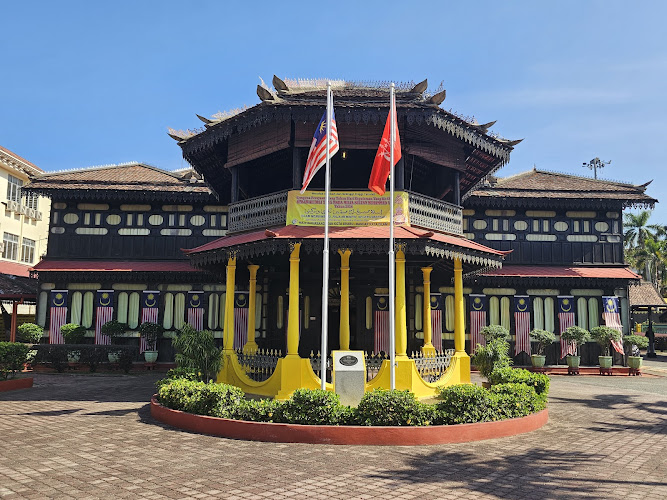
Istana Jahar stands as one of those remarkable architectural treasures that somehow manages to transport you back to 19th century royal Malay life the moment you step through its entrance.
Highlights & Key Features
Extensive collection of royal ceremonial costumes and wedding attire that showcase the elaborate textiles and designs favored by Kelantan's royal family throughout different periods
Impressive display of antique weapons including keris daggers, spears, and ceremonial swords that reflect both the martial traditions and artistic sensibilities of the sultanate
Original royal household items and furniture arranged to recreate the living spaces as they would have appeared during the palace's active years
Traditional musical instruments used in royal ceremonies and entertainment, offering insights into the cultural practices of the court
Accessible facilities including wheelchair-friendly entrances, parking areas, and restrooms making the museum welcoming for all visitors
Well-maintained grounds that provide excellent photo opportunities and showcase traditional Malay landscaping principles
Educational displays with information about Kelantanese royal customs, traditions, and the historical significance of various artifacts
Visitor Guide & Information
Description
The palace itself exemplifies traditional Kelantanese architecture at its finest, with intricate wood carvings that’ll have you stopping every few feet to admire the craftsmanship. The building’s elevated structure on stilts follows the classic Malay design philosophy, which was both practical for flood prevention and symbolic of social hierarchy. What really sets this place apart though is its collection of royal regalia, ceremonial costumes, and antique weapons that tell stories of a bygone era when sultans ruled with absolute authority and royal life was filled with elaborate customs and traditions.
The museum houses artifacts that aren’t just sitting behind glass looking pretty – they’re arranged in ways that help visitors understand how royalty actually lived their daily lives. You’ll find everything from traditional musical instruments to ceremonial dress, from ancient weaponry to household items that give you a real sense of what went on within these walls over a century ago.
Key Features
Stunning traditional Kelantanese wooden architecture featuring intricate carved details and elevated stilted construction that represents some of the finest examples of Malay craftsmanship from the 1800s
Extensive collection of royal ceremonial costumes and wedding attire that showcase the elaborate textiles and designs favored by Kelantan’s royal family throughout different periods
Impressive display of antique weapons including keris daggers, spears, and ceremonial swords that reflect both the martial traditions and artistic sensibilities of the sultanate
Original royal household items and furniture arranged to recreate the living spaces as they would have appeared during the palace’s active years
Traditional musical instruments used in royal ceremonies and entertainment, offering insights into the cultural practices of the court
Accessible facilities including wheelchair-friendly entrances, parking areas, and restrooms making the museum welcoming for all visitors
Well-maintained grounds that provide excellent photo opportunities and showcase traditional Malay landscaping principles
Educational displays with information about Kelantanese royal customs, traditions, and the historical significance of various artifacts
Best Time to Visit
Timing your visit to Istana Jahar can make a real difference in your experience, trust me on this one. The museum operates throughout the year, but certain periods offer distinct advantages depending on what you’re looking for.
The dry season between March and September generally provides the most comfortable weather conditions for exploring the palace and its grounds. Temperatures during these months hover around 27-32 degrees Celsius, which is warm but manageable if you dress appropriately. But here’s the thing – this is also when you’re likely to encounter more tourists, particularly during school holiday periods.
For those who prefer a quieter experience, weekday mornings are absolutely golden. Arriving right when the museum opens means you’ll have more space to really absorb the exhibits without feeling rushed or crowded. I’ve found that Tuesday through Thursday mornings tend to be particularly peaceful, giving you the chance to photograph exhibits without other visitors in your shots.
The cooler months from November through February bring slightly lower temperatures and occasional rain, which can actually be quite pleasant if you don’t mind the possibility of a shower. The palace’s covered areas protect most exhibits, and there’s something almost magical about visiting historical sites when the air is fresh after rain.
Avoid visiting during major public holidays and festival periods unless you specifically want to experience the museum during cultural celebrations. While these times can offer special programming, the crowds can be overwhelming and might detract from your ability to appreciate the finer details of the exhibits.
If you’re particularly interested in photography, the soft morning light between 9 and 11 AM creates beautiful conditions for capturing the palace’s architectural details. The afternoon sun can be harsh and creates challenging shadows, though sunset visits offer warm golden-hour lighting that’s absolutely gorgeous.
How to Get There
Getting to Istana Jahar is relatively straightforward once you understand the layout of Kota Bharu, though it does require a bit of planning if you’re coming from outside the region.
For international and domestic travelers, Sultan Ismail Petra Airport serves as the primary gateway to Kota Bharu. From the airport, the palace sits approximately 8 kilometers away, which takes about 15-20 minutes by taxi or ride-sharing service. Local taxis are readily available outside the terminal, though agreeing on a fare beforehand prevents any awkward negotiations later – a lesson I learned the hard way during my travels in Southeast Asia.
If you’re already in Kota Bharu’s city center, the museum is actually within walking distance of several other cultural attractions, making it easy to include in a day of exploration. The palace sits in the cultural heart of the city, which means you can easily combine your visit with trips to nearby museums and markets.
For those driving, parking facilities are available and wheelchair accessible, which is genuinely helpful. The roads leading to the palace are well-marked, and most GPS systems recognize the location without difficulty. Just keep in mind that street parking can be limited during peak visiting hours.
Bus services connect various parts of Kota Bharu to the vicinity of the palace, though routes and schedules can be somewhat unpredictable. Local buses are incredibly affordable but require patience and perhaps a willingness to ask locals for help – most people are genuinely friendly and happy to assist confused-looking tourists.
Bicycle rentals have become increasingly popular in Kota Bharu, and cycling to Istana Jahar can be a pleasant way to experience the city while getting around. The relatively flat terrain makes cycling manageable for most fitness levels, and you’ll discover interesting sights along the way that you’d miss in a car.
Tips for Visiting
Making the most of your Istana Jahar experience requires a bit of insider knowledge that guidebooks sometimes skip over. Here’s what I wish someone had told me before my first visit.
Dress modestly and respectfully – this is still a site of cultural and historical significance. While the museum doesn’t enforce a strict dress code like active mosques, covering your shoulders and knees shows respect for the location’s heritage. Plus, you’ll feel less self-conscious and more comfortable moving through the spaces.
Bring cash for the entrance fee and any souvenir purchases. While some Malaysian attractions have embraced digital payments, smaller museums sometimes operate on a cash-only basis. The entrance fee is quite reasonable, typically just a few ringgit, making it one of the better value attractions you’ll find.
Photography is generally permitted in most areas, but flash photography can damage delicate textiles and artifacts. Take advantage of natural lighting where possible, and always check with staff if you’re unsure about photography restrictions in specific exhibition areas. And please, be considerate of other visitors when taking photos – nobody wants to wait five minutes while someone stages the perfect Instagram shot.
The museum provides restroom facilities, which is genuinely helpful since there aren’t many public facilities in the immediate vicinity. Take advantage of this before you leave, especially if you’re planning to explore the surrounding area afterward.
Plan to spend at least 45 minutes to an hour exploring properly. Rushing through defeats the purpose of visiting – these artifacts deserve your attention and contemplation. I’ve seen too many tourists blow through in 20 minutes and miss the subtle details that make this place special.
Consider hiring a local guide or joining a guided tour if available. While the exhibits have informational plaques, a knowledgeable guide can provide context and stories that bring the artifacts to life in ways that written descriptions simply can’t match. The relatively small additional cost is worth it for the enhanced understanding you’ll gain.
Visit the palace early in your Kota Bharu itinerary rather than leaving it for last. Understanding the royal history and cultural context provides valuable background for appreciating other attractions in the region. It’s like reading the first chapter of a book – everything that follows makes more sense.
Be aware that the museum typically closes for lunch and prayer times, which is common for public institutions in Kelantan. Check the current operating hours before visiting to avoid disappointment, as schedules can vary during religious holidays and special occasions.
Don’t skip the exterior and grounds. While the interior exhibits are the main attraction, the palace architecture itself deserves appreciation. Walk around the building to admire the construction techniques and decorative elements that make traditional Malay architecture so distinctive.
For families with children, the museum can be educational and engaging if you take time to explain what they’re seeing. The weapons display particularly fascinates younger visitors, though you’ll need to manage expectations about touching – everything is understandably behind barriers for preservation purposes.
Stay hydrated, especially if you’re visiting during warmer months. The museum provides some climate control, but you’ll still be doing a fair amount of walking and standing. Bringing a water bottle ensures you can focus on the exhibits rather than your thirst.
Remember that this palace represents living heritage for many Malaysians. Approaching your visit with genuine curiosity and respect rather than treating it as just another tourist checkbox creates a richer experience for everyone involved.
Istana Jahar stands as one of those remarkable architectural treasures that somehow manages to transport you back to 19th century royal Malay life the moment you step through its entrance. Built during the 1800s by Sultan Muhammad II, this former royal residence has been transformed into a museum that showcases the opulence and cultural richness of Kelantan’s royal heritage. And honestly, the first time I walked through these halls, I was struck by how different it felt from other museums I’d visited – there’s something almost intimate about exploring what was once someone’s actual home, you know?
The palace itself exemplifies traditional Kelantanese architecture at its finest, with intricate wood carvings that’ll have you stopping every few feet to admire the craftsmanship. The building’s elevated structure on stilts follows the classic Malay design philosophy, which was both practical for flood prevention and symbolic of social hierarchy. What really sets this place apart though is its collection of royal regalia, ceremonial costumes, and antique weapons that tell stories of a bygone era when sultans ruled with absolute authority and royal life was filled with elaborate customs and traditions.
The museum houses artifacts that aren’t just sitting behind glass looking pretty – they’re arranged in ways that help visitors understand how royalty actually lived their daily lives. You’ll find everything from traditional musical instruments to ceremonial dress, from ancient weaponry to household items that give you a real sense of what went on within these walls over a century ago.
Key Features
Stunning traditional Kelantanese wooden architecture featuring intricate carved details and elevated stilted construction that represents some of the finest examples of Malay craftsmanship from the 1800s
Extensive collection of royal ceremonial costumes and wedding attire that showcase the elaborate textiles and designs favored by Kelantan’s royal family throughout different periods
Impressive display of antique weapons including keris daggers, spears, and ceremonial swords that reflect both the martial traditions and artistic sensibilities of the sultanate
Original royal household items and furniture arranged to recreate the living spaces as they would have appeared during the palace’s active years
Traditional musical instruments used in royal ceremonies and entertainment, offering insights into the cultural practices of the court
Accessible facilities including wheelchair-friendly entrances, parking areas, and restrooms making the museum welcoming for all visitors
Well-maintained grounds that provide excellent photo opportunities and showcase traditional Malay landscaping principles
Educational displays with information about Kelantanese royal customs, traditions, and the historical significance of various artifacts
Best Time to Visit
Timing your visit to Istana Jahar can make a real difference in your experience, trust me on this one. The museum operates throughout the year, but certain periods offer distinct advantages depending on what you’re looking for.
The dry season between March and September generally provides the most comfortable weather conditions for exploring the palace and its grounds. Temperatures during these months hover around 27-32 degrees Celsius, which is warm but manageable if you dress appropriately. But here’s the thing – this is also when you’re likely to encounter more tourists, particularly during school holiday periods.
For those who prefer a quieter experience, weekday mornings are absolutely golden. Arriving right when the museum opens means you’ll have more space to really absorb the exhibits without feeling rushed or crowded. I’ve found that Tuesday through Thursday mornings tend to be particularly peaceful, giving you the chance to photograph exhibits without other visitors in your shots.
The cooler months from November through February bring slightly lower temperatures and occasional rain, which can actually be quite pleasant if you don’t mind the possibility of a shower. The palace’s covered areas protect most exhibits, and there’s something almost magical about visiting historical sites when the air is fresh after rain.
Avoid visiting during major public holidays and festival periods unless you specifically want to experience the museum during cultural celebrations. While these times can offer special programming, the crowds can be overwhelming and might detract from your ability to appreciate the finer details of the exhibits.
If you’re particularly interested in photography, the soft morning light between 9 and 11 AM creates beautiful conditions for capturing the palace’s architectural details. The afternoon sun can be harsh and creates challenging shadows, though sunset visits offer warm golden-hour lighting that’s absolutely gorgeous.
How to Get There
Getting to Istana Jahar is relatively straightforward once you understand the layout of Kota Bharu, though it does require a bit of planning if you’re coming from outside the region.
For international and domestic travelers, Sultan Ismail Petra Airport serves as the primary gateway to Kota Bharu. From the airport, the palace sits approximately 8 kilometers away, which takes about 15-20 minutes by taxi or ride-sharing service. Local taxis are readily available outside the terminal, though agreeing on a fare beforehand prevents any awkward negotiations later – a lesson I learned the hard way during my travels in Southeast Asia.
If you’re already in Kota Bharu’s city center, the museum is actually within walking distance of several other cultural attractions, making it easy to include in a day of exploration. The palace sits in the cultural heart of the city, which means you can easily combine your visit with trips to nearby museums and markets.
For those driving, parking facilities are available and wheelchair accessible, which is genuinely helpful. The roads leading to the palace are well-marked, and most GPS systems recognize the location without difficulty. Just keep in mind that street parking can be limited during peak visiting hours.
Bus services connect various parts of Kota Bharu to the vicinity of the palace, though routes and schedules can be somewhat unpredictable. Local buses are incredibly affordable but require patience and perhaps a willingness to ask locals for help – most people are genuinely friendly and happy to assist confused-looking tourists.
Bicycle rentals have become increasingly popular in Kota Bharu, and cycling to Istana Jahar can be a pleasant way to experience the city while getting around. The relatively flat terrain makes cycling manageable for most fitness levels, and you’ll discover interesting sights along the way that you’d miss in a car.
Tips for Visiting
Making the most of your Istana Jahar experience requires a bit of insider knowledge that guidebooks sometimes skip over. Here’s what I wish someone had told me before my first visit.
Dress modestly and respectfully – this is still a site of cultural and historical significance. While the museum doesn’t enforce a strict dress code like active mosques, covering your shoulders and knees shows respect for the location’s heritage. Plus, you’ll feel less self-conscious and more comfortable moving through the spaces.
Bring cash for the entrance fee and any souvenir purchases. While some Malaysian attractions have embraced digital payments, smaller museums sometimes operate on a cash-only basis. The entrance fee is quite reasonable, typically just a few ringgit, making it one of the better value attractions you’ll find.
Photography is generally permitted in most areas, but flash photography can damage delicate textiles and artifacts. Take advantage of natural lighting where possible, and always check with staff if you’re unsure about photography restrictions in specific exhibition areas. And please, be considerate of other visitors when taking photos – nobody wants to wait five minutes while someone stages the perfect Instagram shot.
The museum provides restroom facilities, which is genuinely helpful since there aren’t many public facilities in the immediate vicinity. Take advantage of this before you leave, especially if you’re planning to explore the surrounding area afterward.
Plan to spend at least 45 minutes to an hour exploring properly. Rushing through defeats the purpose of visiting – these artifacts deserve your attention and contemplation. I’ve seen too many tourists blow through in 20 minutes and miss the subtle details that make this place special.
Consider hiring a local guide or joining a guided tour if available. While the exhibits have informational plaques, a knowledgeable guide can provide context and stories that bring the artifacts to life in ways that written descriptions simply can’t match. The relatively small additional cost is worth it for the enhanced understanding you’ll gain.
Visit the palace early in your Kota Bharu itinerary rather than leaving it for last. Understanding the royal history and cultural context provides valuable background for appreciating other attractions in the region. It’s like reading the first chapter of a book – everything that follows makes more sense.
Be aware that the museum typically closes for lunch and prayer times, which is common for public institutions in Kelantan. Check the current operating hours before visiting to avoid disappointment, as schedules can vary during religious holidays and special occasions.
Don’t skip the exterior and grounds. While the interior exhibits are the main attraction, the palace architecture itself deserves appreciation. Walk around the building to admire the construction techniques and decorative elements that make traditional Malay architecture so distinctive.
For families with children, the museum can be educational and engaging if you take time to explain what they’re seeing. The weapons display particularly fascinates younger visitors, though you’ll need to manage expectations about touching – everything is understandably behind barriers for preservation purposes.
Stay hydrated, especially if you’re visiting during warmer months. The museum provides some climate control, but you’ll still be doing a fair amount of walking and standing. Bringing a water bottle ensures you can focus on the exhibits rather than your thirst.
Remember that this palace represents living heritage for many Malaysians. Approaching your visit with genuine curiosity and respect rather than treating it as just another tourist checkbox creates a richer experience for everyone involved.
Key Highlights
Extensive collection of royal ceremonial costumes and wedding attire that showcase the elaborate textiles and designs favored by Kelantan's royal family throughout different periods
Impressive display of antique weapons including keris daggers, spears, and ceremonial swords that reflect both the martial traditions and artistic sensibilities of the sultanate
Original royal household items and furniture arranged to recreate the living spaces as they would have appeared during the palace's active years
Traditional musical instruments used in royal ceremonies and entertainment, offering insights into the cultural practices of the court
Accessible facilities including wheelchair-friendly entrances, parking areas, and restrooms making the museum welcoming for all visitors
Well-maintained grounds that provide excellent photo opportunities and showcase traditional Malay landscaping principles
Educational displays with information about Kelantanese royal customs, traditions, and the historical significance of various artifacts
Explore verified points of interest within walking or short transit distance.
No neighboring places mapped within 5 km yet.
Find Places to Stay Nearby
Stay22 provides this accommodation search. We may earn a commission if you book through it; verify current prices and terms with the provider.
🗺️
Interactive accommodation map requires marketing cookies to display live rates.
Recommended Experiences & Activities
GetYourGuide provides this tour inventory. We may earn a commission if you book through it; verify current availability, prices, and terms with the provider.
Top Viator Experiences & Guided Tours in Kota Bharu
We may earn a commission if you book through links on this page at no extra cost to you. All tours feature verified customer reviews and flexible cancellation options.