Chinatown Kelantan ( Kota Bharu, Kelantan )
About Chinatown Kelantan ( Kota Bharu, Kelantan )
Description
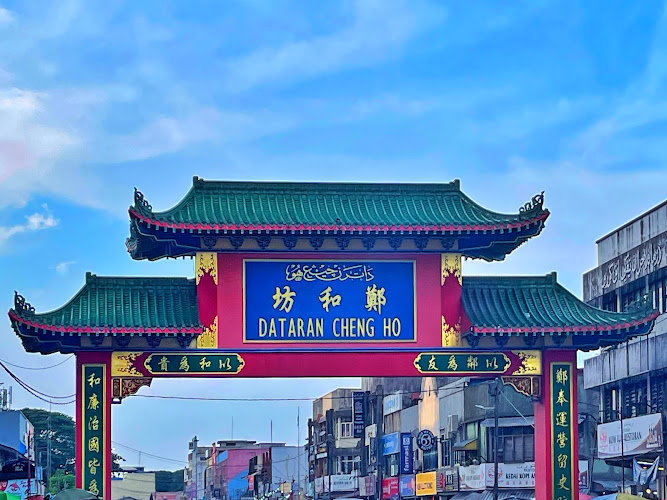
Chinatown in Kota Bharu isn't quite what you'd expect if you've wandered through the sprawling Chinese districts of Kuala Lumpur or Penang. This is a different sort of experience altogether, and honestly, that's part of what makes it worth visiting. Located in the heart of Kelantan's capital, this area represents a fascinating cultural pocket in what is otherwise Malaysia's most conservative Malay state. The Chinese community here has carved out their own space over generations, creating a neighborhood that feels both distinctly Chinese and uniquely Kelantanese at the same time. Walking through these streets, you'll notice the architecture tells stories of merchants and traders who settled here decades ago, building shophouses that still stand today with their characteristic five-foot ways and wooden shutters. What strikes most visitors is how this Chinatown operates at a different rhythm compared to other tourist-heavy areas. It's not trying to be a theme park version of Chinese culture. Instead, you're getting an authentic glimpse into how the Chinese community has adapted and thrived in this predominantly Malay state. The food scene alone makes the trip worthwhile – and we're talking about dishes that have evolved specifically in this region, influenced by both Chinese cooking traditions and local Kelantanese ingredients. During my last visit, I spent an afternoon just watching how locals went about their daily business, completely unfazed by the occasional tourist wandering through with a camera. That's the beauty of this place. It hasn't been sanitized for tourism, which means you might encounter some rough edges, but you'll also experience something genuinely real.Key Features
The appeal of Chinatown Kota Bharu lies in several distinctive characteristics that set it apart from more commercialized tourist destinations:- Authentic Chinese-Kelantanese cuisine – The food here has evolved over generations, creating unique fusion dishes you won't find elsewhere in Malaysia. Small restaurants and coffee shops serve everything from traditional dim sum to noodle dishes with distinctly local twists.
- Historic shophouses – The architectural heritage represents pre-war construction styles, with many buildings showing their age in the most charming way possible. Some have been lovingly maintained while others wear their weathered facades like badges of honor.
- Local temples and cultural sites – Several Chinese temples dot the area, serving as active places of worship rather than mere tourist attractions. They provide insight into how the community maintains its cultural identity.
- Traditional trades and businesses – You'll still find craftspeople practicing trades that have largely disappeared elsewhere, from traditional medicine shops to specialty food producers making items by hand.
- Less commercialized atmosphere – Unlike some other Chinatowns that cater heavily to tourists, this one remains primarily a functioning neighborhood where real people live and work.
- Accessible facilities – Despite the older infrastructure, you'll find restrooms available and the area is generally suitable for families with children who can handle some walking.
- Photography opportunities – The mix of old and new, traditional and contemporary, creates countless moments worth capturing, especially in the softer light of early morning or late afternoon.
- Affordable exploration – Visiting doesn't require a significant budget, making it accessible for backpackers and budget-conscious travelers who want genuine cultural experiences without breaking the bank.
Best Time to Visit
Timing your visit to Chinatown Kota Bharu requires some consideration of both weather patterns and local rhythms. The monsoon season, which typically runs from November through January, brings heavy rains that can make exploring less pleasant. Streets might flood during particularly intense downpours, and some smaller businesses might close early. The driest months generally fall between March and September, offering more reliable weather for wandering around. But here's the thing – Kota Bharu is hot year-round. We're talking temperatures that hover around 30-32 degrees Celsius most days, with humidity that'll have you reaching for water regularly. Early mornings, roughly between 7 and 10 AM, offer the most comfortable conditions for exploring. The sun hasn't reached its peak intensity yet, and you'll catch the neighborhood at its most active as shopkeepers open up and breakfast spots fill with locals. This is when you want to grab your coffee and start poking around. Midday can be brutal, honestly. The heat combined with limited shade in some areas makes afternoon exploration less enjoyable. Many locals take a break during these hours, and you'd be wise to follow their lead. Duck into an air-conditioned coffee shop or restaurant and enjoy a leisurely meal. Late afternoons and early evenings, from about 4 PM onwards, bring another good window for exploring. The temperature drops slightly, and the neighborhood takes on a different character as the dinner crowd starts arriving. Some food stalls that operate in the evening begin setting up around this time. Weekends see more local visitors, which means more energy but also more crowds at popular eating spots. Weekdays offer a quieter experience where you can take your time without competing for table space. Consider your preferences when planning. The Islamic holy month of Ramadan adds another layer of consideration. While Chinese-owned businesses continue operating normally, the overall atmosphere in Kota Bharu shifts noticeably. Some restaurants might have reduced hours, and you should be respectful about eating or drinking in public spaces during daylight hours. Chinese New Year transforms the area completely, with decorations going up and special foods appearing. If you can time your visit during this period, you'll witness the community at its most festive. But expect closures on the actual holiday dates as families celebrate.How to Get There
Getting to Chinatown Kota Bharu requires first reaching the city itself, which serves as the gateway. Sultan Ismail Petra Airport connects Kota Bharu to Kuala Lumpur with several daily flights, making air travel the quickest option for those coming from other parts of Malaysia or internationally through KL. The flight from Kuala Lumpur takes roughly an hour, and once you land, the airport sits about 8 kilometers from the city center. Taxis and ride-sharing services can get you into town, though you'll want to agree on a fare beforehand if taking a traditional taxi. Overland travel presents another option for those with more time. Long-distance buses connect Kota Bharu to major cities throughout peninsular Malaysia, though be prepared for lengthy journeys. From Kuala Lumpur, you're looking at roughly 8-10 hours depending on traffic and stops. From Penang, expect around 6-7 hours. Once you're in Kota Bharu itself, reaching Chinatown is straightforward. The area sits relatively central to the city, within walking distance of other major attractions like the Central Market and various museums. Most hotels in the downtown area place you within reasonable walking distance, though the heat might make you reconsider covering long distances on foot. Local taxis can take you directly to the area if you're staying further out. Just tell the driver "Chinatown" or mention specific street names if you've done your homework. Ride-sharing apps work in Kota Bharu too, offering another convenient option. If you're feeling adventurous, local buses serve the area, though the system can be confusing for first-time visitors. Routes aren't always clearly marked in English, and schedules run on what feels like approximations rather than strict timetables. I tried navigating the bus system once and ended up walking anyway after waiting 40 minutes without seeing the right bus. Walking from the central market area takes maybe 10-15 minutes depending on your pace and how often you stop to look at things along the way. The route is fairly straightforward, and you can ask locals for directions if needed. Most people are helpful, though English proficiency varies. For those driving themselves, parking can be found in the vicinity, though spaces fill up during busy periods. Street parking exists but pay attention to restrictions and time limits to avoid fines.Tips for Visiting
Approaching Chinatown Kota Bharu with the right mindset and preparation makes a significant difference in your experience. This isn't a polished tourist destination with English signage everywhere and staff trained in hospitality. It's a real neighborhood, which means you need to adjust your expectations accordingly. Dress appropriately for both the weather and the cultural context. Kota Bharu is conservative, so while Chinatown itself has a more relaxed atmosphere, you're still in Kelantan. Women should consider covering shoulders and knees, and everyone should avoid clothing that's too revealing. Comfortable walking shoes are essential because you'll be on your feet quite a bit, and some sidewalks are uneven. Bring cash. Many smaller establishments don't accept cards, and while some bigger restaurants might have card machines, you can't count on it. ATMs exist in the broader downtown area, so withdraw money before diving deep into your exploration. Don't expect everyone to speak English fluently. Many shopkeepers and restaurant staff have basic English, enough for ordering food and asking prices, but complex conversations might require patience and creative communication. Learning a few basic Malay phrases helps tremendously and shows respect for local culture. The food scene deserves special attention. This is arguably the main reason to visit, so come hungry and be willing to try things that might be unfamiliar. Small coffee shops might not look impressive from the outside, but they often serve the most memorable meals. And don't judge food quality by Western hygiene standards – use your judgment, but also recognize that local establishments operate differently. Respect religious and cultural spaces. If you enter a temple, dress modestly and observe any posted rules about photography or behavior. Remove shoes where indicated, and don't interrupt people who are praying or making offerings. Photography is generally acceptable in public spaces, but always ask before photographing people directly, especially elderly folks or children. A smile and a gesture toward your camera usually gets the message across even without shared language. Restroom facilities are available but might not meet luxury standards. Carry tissues or toilet paper just in case, and don't expect Western-style toilets everywhere. Hand sanitizer comes in handy too. Bargaining isn't really part of the culture at food stalls or coffee shops where prices are usually fixed and already reasonable. At shops selling goods, polite negotiation might be acceptable, but aggressive haggling isn't appreciated like it might be in some other tourist areas. The pace here is slower than you might be used to. Service at restaurants can take time, especially during busy periods. Embrace it rather than getting frustrated. This is part of the authentic experience you came for. Stay hydrated because the heat and humidity will sneak up on you. Bottled water is cheap and available everywhere. Coffee shops usually provide iced drinks that help combat the temperature. Finally, manage your expectations about what you'll find here. This isn't Georgetown's Chinatown with its street art and carefully preserved heritage. It's grittier, more worn around the edges, and definitely less touristic. But that's exactly what makes it special. You're getting something real, something that hasn't been curated for Instagram. And in a world where everything feels increasingly manufactured for tourism, that authenticity is worth its weight in gold.Key Features
- Cluster of historic shophouses and narrow lanes reflecting local Chinese heritage
- Small family-run eateries offering unique Kelantan-style Chinese snacks and fusion dishes
- Traditional shops selling dried goods, Chinese herbs and ceremonial items
- Intimate, authentic atmosphere — less touristy than larger Malaysian Chinatowns
- Close proximity to local markets and cultural sites for combined exploration
More Details
Updated March 30, 2026
Table of Contents
- Description
- Key Features
- Best Time to Visit
- How to Get There
- Tips for Visiting
- Key Highlights
- Location
- Places to Stay Near Chinatown Kelantan ( Kota Bharu, Kelantan )
- Find and Book a Tour
- Explore More Travel Guides
- Nearby Places You Might Like
- Traveler Reviews for Chinatown Kelantan ( Kota Bharu, Kelantan )
- Share Your Experience
Description
Chinatown in Kota Bharu isn’t quite what you’d expect if you’ve wandered through the sprawling Chinese districts of Kuala Lumpur or Penang. This is a different sort of experience altogether, and honestly, that’s part of what makes it worth visiting. Located in the heart of Kelantan’s capital, this area represents a fascinating cultural pocket in what is otherwise Malaysia’s most conservative Malay state.
The Chinese community here has carved out their own space over generations, creating a neighborhood that feels both distinctly Chinese and uniquely Kelantanese at the same time. Walking through these streets, you’ll notice the architecture tells stories of merchants and traders who settled here decades ago, building shophouses that still stand today with their characteristic five-foot ways and wooden shutters.
What strikes most visitors is how this Chinatown operates at a different rhythm compared to other tourist-heavy areas. It’s not trying to be a theme park version of Chinese culture. Instead, you’re getting an authentic glimpse into how the Chinese community has adapted and thrived in this predominantly Malay state. The food scene alone makes the trip worthwhile – and we’re talking about dishes that have evolved specifically in this region, influenced by both Chinese cooking traditions and local Kelantanese ingredients.
During my last visit, I spent an afternoon just watching how locals went about their daily business, completely unfazed by the occasional tourist wandering through with a camera. That’s the beauty of this place. It hasn’t been sanitized for tourism, which means you might encounter some rough edges, but you’ll also experience something genuinely real.
Key Features
The appeal of Chinatown Kota Bharu lies in several distinctive characteristics that set it apart from more commercialized tourist destinations:
- Authentic Chinese-Kelantanese cuisine – The food here has evolved over generations, creating unique fusion dishes you won’t find elsewhere in Malaysia. Small restaurants and coffee shops serve everything from traditional dim sum to noodle dishes with distinctly local twists.
- Historic shophouses – The architectural heritage represents pre-war construction styles, with many buildings showing their age in the most charming way possible. Some have been lovingly maintained while others wear their weathered facades like badges of honor.
- Local temples and cultural sites – Several Chinese temples dot the area, serving as active places of worship rather than mere tourist attractions. They provide insight into how the community maintains its cultural identity.
- Traditional trades and businesses – You’ll still find craftspeople practicing trades that have largely disappeared elsewhere, from traditional medicine shops to specialty food producers making items by hand.
- Less commercialized atmosphere – Unlike some other Chinatowns that cater heavily to tourists, this one remains primarily a functioning neighborhood where real people live and work.
- Accessible facilities – Despite the older infrastructure, you’ll find restrooms available and the area is generally suitable for families with children who can handle some walking.
- Photography opportunities – The mix of old and new, traditional and contemporary, creates countless moments worth capturing, especially in the softer light of early morning or late afternoon.
- Affordable exploration – Visiting doesn’t require a significant budget, making it accessible for backpackers and budget-conscious travelers who want genuine cultural experiences without breaking the bank.
Best Time to Visit
Timing your visit to Chinatown Kota Bharu requires some consideration of both weather patterns and local rhythms. The monsoon season, which typically runs from November through January, brings heavy rains that can make exploring less pleasant. Streets might flood during particularly intense downpours, and some smaller businesses might close early.
The driest months generally fall between March and September, offering more reliable weather for wandering around. But here’s the thing – Kota Bharu is hot year-round. We’re talking temperatures that hover around 30-32 degrees Celsius most days, with humidity that’ll have you reaching for water regularly.
Early mornings, roughly between 7 and 10 AM, offer the most comfortable conditions for exploring. The sun hasn’t reached its peak intensity yet, and you’ll catch the neighborhood at its most active as shopkeepers open up and breakfast spots fill with locals. This is when you want to grab your coffee and start poking around.
Midday can be brutal, honestly. The heat combined with limited shade in some areas makes afternoon exploration less enjoyable. Many locals take a break during these hours, and you’d be wise to follow their lead. Duck into an air-conditioned coffee shop or restaurant and enjoy a leisurely meal.
Late afternoons and early evenings, from about 4 PM onwards, bring another good window for exploring. The temperature drops slightly, and the neighborhood takes on a different character as the dinner crowd starts arriving. Some food stalls that operate in the evening begin setting up around this time.
Weekends see more local visitors, which means more energy but also more crowds at popular eating spots. Weekdays offer a quieter experience where you can take your time without competing for table space. Consider your preferences when planning.
The Islamic holy month of Ramadan adds another layer of consideration. While Chinese-owned businesses continue operating normally, the overall atmosphere in Kota Bharu shifts noticeably. Some restaurants might have reduced hours, and you should be respectful about eating or drinking in public spaces during daylight hours.
Chinese New Year transforms the area completely, with decorations going up and special foods appearing. If you can time your visit during this period, you’ll witness the community at its most festive. But expect closures on the actual holiday dates as families celebrate.
How to Get There
Getting to Chinatown Kota Bharu requires first reaching the city itself, which serves as the gateway. Sultan Ismail Petra Airport connects Kota Bharu to Kuala Lumpur with several daily flights, making air travel the quickest option for those coming from other parts of Malaysia or internationally through KL.
The flight from Kuala Lumpur takes roughly an hour, and once you land, the airport sits about 8 kilometers from the city center. Taxis and ride-sharing services can get you into town, though you’ll want to agree on a fare beforehand if taking a traditional taxi.
Overland travel presents another option for those with more time. Long-distance buses connect Kota Bharu to major cities throughout peninsular Malaysia, though be prepared for lengthy journeys. From Kuala Lumpur, you’re looking at roughly 8-10 hours depending on traffic and stops. From Penang, expect around 6-7 hours.
Once you’re in Kota Bharu itself, reaching Chinatown is straightforward. The area sits relatively central to the city, within walking distance of other major attractions like the Central Market and various museums. Most hotels in the downtown area place you within reasonable walking distance, though the heat might make you reconsider covering long distances on foot.
Local taxis can take you directly to the area if you’re staying further out. Just tell the driver “Chinatown” or mention specific street names if you’ve done your homework. Ride-sharing apps work in Kota Bharu too, offering another convenient option.
If you’re feeling adventurous, local buses serve the area, though the system can be confusing for first-time visitors. Routes aren’t always clearly marked in English, and schedules run on what feels like approximations rather than strict timetables. I tried navigating the bus system once and ended up walking anyway after waiting 40 minutes without seeing the right bus.
Walking from the central market area takes maybe 10-15 minutes depending on your pace and how often you stop to look at things along the way. The route is fairly straightforward, and you can ask locals for directions if needed. Most people are helpful, though English proficiency varies.
For those driving themselves, parking can be found in the vicinity, though spaces fill up during busy periods. Street parking exists but pay attention to restrictions and time limits to avoid fines.
Tips for Visiting
Approaching Chinatown Kota Bharu with the right mindset and preparation makes a significant difference in your experience. This isn’t a polished tourist destination with English signage everywhere and staff trained in hospitality. It’s a real neighborhood, which means you need to adjust your expectations accordingly.
Dress appropriately for both the weather and the cultural context. Kota Bharu is conservative, so while Chinatown itself has a more relaxed atmosphere, you’re still in Kelantan. Women should consider covering shoulders and knees, and everyone should avoid clothing that’s too revealing. Comfortable walking shoes are essential because you’ll be on your feet quite a bit, and some sidewalks are uneven.
Bring cash. Many smaller establishments don’t accept cards, and while some bigger restaurants might have card machines, you can’t count on it. ATMs exist in the broader downtown area, so withdraw money before diving deep into your exploration.
Don’t expect everyone to speak English fluently. Many shopkeepers and restaurant staff have basic English, enough for ordering food and asking prices, but complex conversations might require patience and creative communication. Learning a few basic Malay phrases helps tremendously and shows respect for local culture.
The food scene deserves special attention. This is arguably the main reason to visit, so come hungry and be willing to try things that might be unfamiliar. Small coffee shops might not look impressive from the outside, but they often serve the most memorable meals. And don’t judge food quality by Western hygiene standards – use your judgment, but also recognize that local establishments operate differently.
Respect religious and cultural spaces. If you enter a temple, dress modestly and observe any posted rules about photography or behavior. Remove shoes where indicated, and don’t interrupt people who are praying or making offerings.
Photography is generally acceptable in public spaces, but always ask before photographing people directly, especially elderly folks or children. A smile and a gesture toward your camera usually gets the message across even without shared language.
Restroom facilities are available but might not meet luxury standards. Carry tissues or toilet paper just in case, and don’t expect Western-style toilets everywhere. Hand sanitizer comes in handy too.
Bargaining isn’t really part of the culture at food stalls or coffee shops where prices are usually fixed and already reasonable. At shops selling goods, polite negotiation might be acceptable, but aggressive haggling isn’t appreciated like it might be in some other tourist areas.
The pace here is slower than you might be used to. Service at restaurants can take time, especially during busy periods. Embrace it rather than getting frustrated. This is part of the authentic experience you came for.
Stay hydrated because the heat and humidity will sneak up on you. Bottled water is cheap and available everywhere. Coffee shops usually provide iced drinks that help combat the temperature.
Finally, manage your expectations about what you’ll find here. This isn’t Georgetown’s Chinatown with its street art and carefully preserved heritage. It’s grittier, more worn around the edges, and definitely less touristic. But that’s exactly what makes it special. You’re getting something real, something that hasn’t been curated for Instagram. And in a world where everything feels increasingly manufactured for tourism, that authenticity is worth its weight in gold.
Key Highlights
- Cluster of historic shophouses and narrow lanes reflecting local Chinese heritage
- Small family-run eateries offering unique Kelantan-style Chinese snacks and fusion dishes
- Traditional shops selling dried goods, Chinese herbs and ceremonial items
- Intimate, authentic atmosphere — less touristy than larger Malaysian Chinatowns
- Close proximity to local markets and cultural sites for combined exploration
Location
Places to Stay Near Chinatown Kelantan ( Kota Bharu, Kelantan )
Find and Book a Tour
Explore More Travel Guides
No reviews found! Be the first to review!
Chinatown Kelantan ( Kota Bharu, Kelantan ) is a prominent attractions located in Kota Bharu.
Visit us at: 7, Jln Kebun Sultan, Bandar Kota Bharu, 15300 Kota Bharu, Kelantan, Malaysia.
Traveler Reviews for Chinatown Kelantan ( Kota Bharu, Kelantan )
There are no reviews yet. Be the first one to write one.
Have you visited Chinatown Kelantan ( Kota Bharu, Kelantan )? Help other travelers by sharing your review.
Nearby Attractions
Find Accommodations Nearby
Recommended Tours & Activities
Visitor Reviews
There are no reviews yet. Be the first one to write one.
Share Your Experience
Have you visited Chinatown Kelantan ( Kota Bharu, Kelantan )? Help other travelers by leaving a review.
