
Hórreo Carbayedo
About Hórreo Carbayedo
Description
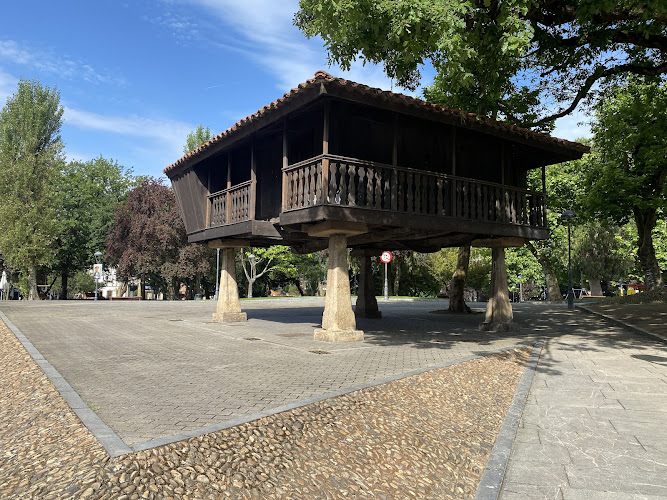
Ask locals in Avilés about the Hórreo Carbayedo and most will light up, maybe even tilt their heads with a bit of nostalgia. This historic hórreo sits quietly among the paved plaza’s modern bustle, its wooden posts standing stubbornly like grizzled guardians from centuries past. For many travelers, it’s just a curious raised granary. But spend a moment here and you’ll see — the old Asturian hórreo has character, far more than its humble footprint suggests.
What really strikes me about Hórreo Carbayedo, and why I tell friends not to skip it, is how seamlessly it combines the everyday life of Avilés with a living piece of Asturian rural heritage. You might catch a school group gathered around it, snapping selfies or poking at the massive beams. Sometimes, folks on their lunch breaks just linger nearby. The hórreo itself, a robust wooden structure lifted on mushroom-shaped stone legs called pegoyos, was originally meant for something far less glamorous than sightseeing: keeping grain dry and rodents out. Yet here it is, outlasting generations and weather, inviting everyone for a little peek backwards in time.
It’s not one of those polished, overly restored tourist props. No, the Hórreo Carbayedo wears its age proudly. The grainy wood, the moss between stones, a few knots and splits—those details give it heart, a sort of quiet dignity. I’ll admit, at first glance you may wonder what the big deal is. But once you linger, you realize this isn’t a relic to rush past; it’s a storybook, open for anyone curious enough to look closer. And yes, it even sits in a leafy park spot, which means the kids can run around while you muse over history. All the better!
Key Features
- Authentic Asturian Granary: One of the few surviving urban hórreos, offering a genuine taste of Asturian rural tradition right in the heart of Avilés.
- Distinctive Architectural Details: Elevated wooden structure on stone pegoyos, with crossbeams and weathered slats. The construction is both ingenious and beautiful in its simplicity—architecturally sturdy, yet surprisingly elegant up close.
- Family-Friendly Park Setting: Surrounded by trees and open space, the hórreo sits in a plaza that’s perfect for strolling, playing, or simply taking a breather. Let your kids roam or have a picnic nearby.
- Accessible Entrance: The surrounding park area is wheelchair-friendly, so travelers with mobility needs can easily enjoy the site.
- Cultural Landmark: Serves as a proud symbol of Asturian heritage—appearing in local festivals and educational tours.
- Great Photo Opportunity: If you’re a photography buff (or just hooked on Instagram), the rustic textures and strong late afternoon light make for atmospheric shots.
- Unobtrusive Information Signs: There are subtle info plaques nearby (with occasional English) giving context without disturbing the ambiance.
- A Moment of Calm: Unlike busier monuments, you’ll often find the Hórreo Carbayedo pleasantly peaceful—ideal for solo travelers or contemplative moments.
Best Time to Visit
Let’s be honest: Asturias is famous for its unpredictable weather. Sunny one minute, misty and romantic the next. I say this as someone who got both sunburned and soaked on the same afternoon here. But the hórreo looks beautiful no matter the weather! Spring and early autumn, in my opinion, are pure magic. The surrounding trees burst with life (or wildleaf fire if you’re here in October), and that gentle drizzle air just adds to the region’s charm—bring a light raincoat and you’ll fit right in.
During summer months, the plaza tends to buzz with families and locals meeting up in the shade, making it a good moment to people-watch. Mornings are generally quietest year round, great for contemplative travelers or introverts who don’t want a crowd in their photos. If you’re hoping to catch any festivals or cultural events, check the local calendar; Avilés often comes alive with open-air performances and food stalls, some of which happen mere steps from the hórreo.
How to Get There
Ah, the joys and (sometimes) mild headaches of Spanish towns—Avilés isn’t enormous, but its mix of winding old streets and modern avenues makes arriving at Hórreo Carbayedo an adventure in itself. From the city center, you’re really just a short stroll away. Follow the flow of locals heading to the plaza. I tend to rely on my internal compass (which, let’s be clear, has gotten me gloriously lost now and then). But trust me, if you find yourself surrounded by leafy parkland and old-school stonework, you’re probably on the right track.
There are regular buses that drop off near the main plaza, with clear signage—no need to stress if your Spanish is rusty. Taxis are a fast option too, and if you’re driving, good news: public parking isn’t far, though on weekends it can fill up with local families. And for my fellow wanderers who love getting their steps in, walking through Avilés’ centro histórico is half the fun anyway. You’ll pass other landmarks, little cafes, and quite a few pastries I dare you to resist. Trust me, plan a little buffer time—unexpected discoveries are kind of Avilés’ thing.
Tips for Visiting
Now, I’m not the type to make a bucket list out of every historic nook, but Hórreo Carbayedo—worth a detour. Here’s what I wish I’d known on my first trip and what I always tell new visitors:
- Slow Down: This isn’t a “snap and run” sight. Linger a bit, walk all the way around the hórreo (without climbing, of course). Each angle reveals new textures and details—sunlight plays tricks with the wooden slats.
- Read the Signs: The info panels are subtle, tucked nearby, and usually brief but surprisingly informative. They helped me appreciate just how clever medieval storage solutions actually were.
- Picnic Perk: Pack a little snack or pastry from nearby bakeries. The benches and open air around the hórreo are perfect for a relaxed meal outdoors.
- Photographer’s Dream: If you care for good light, try early morning or just before sunset for softer shadows. But honestly, overcast is wonderful too—Asturian light just… works.
- Kid-Friendly Fun: Little ones can explore (and burn energy) in the adjacent park area. There are open spaces and shade, so families can actually relax while kids stay safe.
- Accessibility Matters: Wheelchair access is solid thanks to paved paths. No need for special arrangements; accessibility’s been thoughtfully managed.
- Stay for Local Life: Don’t rush off when you've seen the hórreo. Watch how locals use the plaza—joggers, chess players, old timers swapping stories. The heartbeat of Avilés is here.
- Respect the Landmark: This site means a lot to the community. It’s tempting to touch, but please don’t climb or lean on the hórreo—centuries of wear and tear have done their work already.
- Combine With Other Sights: You’re well-placed to explore the rest of Avilés’ charming old town—think medieval streets, fresh seafood, art museums, or the Niemeyer Centre if you’re feeling modern.
- Listen Up: If you hear someone telling a story about the hórreo, pause and listen. Some of the best anecdotes aren’t written down, they’re passed from neighbor to neighbor.
So, whether you’re a seasoned history buff, an architecture fan, or just curious about the odd wooden buildings scattered across Asturias, visiting Hórreo Carbayedo delivers a little time travel—and a good reason to slow down and savor Avilés itself. I’d say it’s an essential stop, even if you didn’t know you were looking for one.
Key Features
- Key Features
- Best Time to Visit
- How to Get There
- Tips for Visiting
More Details
Updated July 2, 2025
Table of Contents
Description
Ask locals in Avilés about the Hórreo Carbayedo and most will light up, maybe even tilt their heads with a bit of nostalgia. This historic hórreo sits quietly among the paved plaza’s modern bustle, its wooden posts standing stubbornly like grizzled guardians from centuries past. For many travelers, it’s just a curious raised granary. But spend a moment here and you’ll see — the old Asturian hórreo has character, far more than its humble footprint suggests.
What really strikes me about Hórreo Carbayedo, and why I tell friends not to skip it, is how seamlessly it combines the everyday life of Avilés with a living piece of Asturian rural heritage. You might catch a school group gathered around it, snapping selfies or poking at the massive beams. Sometimes, folks on their lunch breaks just linger nearby. The hórreo itself, a robust wooden structure lifted on mushroom-shaped stone legs called pegoyos, was originally meant for something far less glamorous than sightseeing: keeping grain dry and rodents out. Yet here it is, outlasting generations and weather, inviting everyone for a little peek backwards in time.
It’s not one of those polished, overly restored tourist props. No, the Hórreo Carbayedo wears its age proudly. The grainy wood, the moss between stones, a few knots and splits—those details give it heart, a sort of quiet dignity. I’ll admit, at first glance you may wonder what the big deal is. But once you linger, you realize this isn’t a relic to rush past; it’s a storybook, open for anyone curious enough to look closer. And yes, it even sits in a leafy park spot, which means the kids can run around while you muse over history. All the better!
Key Features
-
Authentic Asturian Granary:
One of the few surviving urban hórreos, offering a genuine taste of Asturian rural tradition right in the heart of Avilés. -
Distinctive Architectural Details:
Elevated wooden structure on stone pegoyos, with crossbeams and weathered slats. The construction is both ingenious and beautiful in its simplicity—architecturally sturdy, yet surprisingly elegant up close. -
Family-Friendly Park Setting:
Surrounded by trees and open space, the hórreo sits in a plaza that’s perfect for strolling, playing, or simply taking a breather. Let your kids roam or have a picnic nearby. -
Accessible Entrance:
The surrounding park area is wheelchair-friendly, so travelers with mobility needs can easily enjoy the site. -
Cultural Landmark:
Serves as a proud symbol of Asturian heritage—appearing in local festivals and educational tours. -
Great Photo Opportunity:
If you’re a photography buff (or just hooked on Instagram), the rustic textures and strong late afternoon light make for atmospheric shots. -
Unobtrusive Information Signs:
There are subtle info plaques nearby (with occasional English) giving context without disturbing the ambiance. -
A Moment of Calm:
Unlike busier monuments, you’ll often find the Hórreo Carbayedo pleasantly peaceful—ideal for solo travelers or contemplative moments.
Best Time to Visit
Let’s be honest: Asturias is famous for its unpredictable weather. Sunny one minute, misty and romantic the next. I say this as someone who got both sunburned and soaked on the same afternoon here. But the hórreo looks beautiful no matter the weather! Spring and early autumn, in my opinion, are pure magic. The surrounding trees burst with life (or wildleaf fire if you’re here in October), and that gentle drizzle air just adds to the region’s charm—bring a light raincoat and you’ll fit right in.
During summer months, the plaza tends to buzz with families and locals meeting up in the shade, making it a good moment to people-watch. Mornings are generally quietest year round, great for contemplative travelers or introverts who don’t want a crowd in their photos. If you’re hoping to catch any festivals or cultural events, check the local calendar; Avilés often comes alive with open-air performances and food stalls, some of which happen mere steps from the hórreo.
How to Get There
Ah, the joys and (sometimes) mild headaches of Spanish towns—Avilés isn’t enormous, but its mix of winding old streets and modern avenues makes arriving at Hórreo Carbayedo an adventure in itself. From the city center, you’re really just a short stroll away. Follow the flow of locals heading to the plaza. I tend to rely on my internal compass (which, let’s be clear, has gotten me gloriously lost now and then). But trust me, if you find yourself surrounded by leafy parkland and old-school stonework, you’re probably on the right track.
There are regular buses that drop off near the main plaza, with clear signage—no need to stress if your Spanish is rusty. Taxis are a fast option too, and if you’re driving, good news: public parking isn’t far, though on weekends it can fill up with local families. And for my fellow wanderers who love getting their steps in, walking through Avilés’ centro histórico is half the fun anyway. You’ll pass other landmarks, little cafes, and quite a few pastries I dare you to resist. Trust me, plan a little buffer time—unexpected discoveries are kind of Avilés’ thing.
Tips for Visiting
Now, I’m not the type to make a bucket list out of every historic nook, but Hórreo Carbayedo—worth a detour. Here’s what I wish I’d known on my first trip and what I always tell new visitors:
-
Slow Down:
This isn’t a “snap and run” sight. Linger a bit, walk all the way around the hórreo (without climbing, of course). Each angle reveals new textures and details—sunlight plays tricks with the wooden slats. -
Read the Signs:
The info panels are subtle, tucked nearby, and usually brief but surprisingly informative. They helped me appreciate just how clever medieval storage solutions actually were. -
Picnic Perk:
Pack a little snack or pastry from nearby bakeries. The benches and open air around the hórreo are perfect for a relaxed meal outdoors. -
Photographer’s Dream:
If you care for good light, try early morning or just before sunset for softer shadows. But honestly, overcast is wonderful too—Asturian light just… works. -
Kid-Friendly Fun:
Little ones can explore (and burn energy) in the adjacent park area. There are open spaces and shade, so families can actually relax while kids stay safe. -
Accessibility Matters:
Wheelchair access is solid thanks to paved paths. No need for special arrangements; accessibility’s been thoughtfully managed. -
Stay for Local Life:
Don’t rush off when you’ve seen the hórreo. Watch how locals use the plaza—joggers, chess players, old timers swapping stories. The heartbeat of Avilés is here. -
Respect the Landmark:
This site means a lot to the community. It’s tempting to touch, but please don’t climb or lean on the hórreo—centuries of wear and tear have done their work already. -
Combine With Other Sights:
You’re well-placed to explore the rest of Avilés’ charming old town—think medieval streets, fresh seafood, art museums, or the Niemeyer Centre if you’re feeling modern. -
Listen Up:
If you hear someone telling a story about the hórreo, pause and listen. Some of the best anecdotes aren’t written down, they’re passed from neighbor to neighbor.
So, whether you’re a seasoned history buff, an architecture fan, or just curious about the odd wooden buildings scattered across Asturias, visiting Hórreo Carbayedo delivers a little time travel—and a good reason to slow down and savor Avilés itself. I’d say it’s an essential stop, even if you didn’t know you were looking for one.
Key Highlights
- Key Features
- Best Time to Visit
- How to Get There
- Tips for Visiting
Location
Places to Stay Near Hórreo Carbayedo
Find and Book a Tour
Explore More Travel Guides
No reviews found! Be the first to review!
Traveler Reviews for Hórreo Carbayedo
There are no reviews yet. Be the first one to write one.
Have you visited Hórreo Carbayedo? Help other travelers by sharing your review.
You Might Also Like
Balsera Palace

Iglesia de Santo Tomás de Canterbury
Parque de Ferrera
Find Accommodations Nearby
Recommended Tours & Activities
Visitor Reviews
There are no reviews yet. Be the first one to write one.
Share Your Experience
Have you visited Hórreo Carbayedo? Help other travelers by leaving a review.