
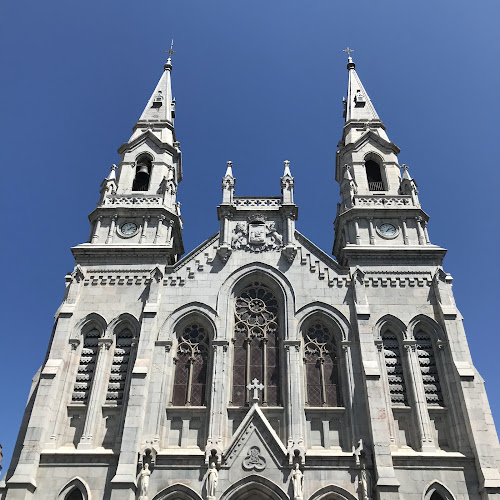
Iglesia de Santo Tomás de Canterbury
About Iglesia de Santo Tomás de Canterbury
Description
Let me tell you, the Iglesia de Santo Tomás de Canterbury isn't just another old Catholic church you stumble upon in Spain. It's a living piece of Aviles that kind of grows on you the more you experience it. You know, walking up to it, with the sunlight skipping across the stone, I couldn’t help but just stand there. What strikes first is the blend of stoic medieval lines with all the understated, quiet beauty you want from a Spanish cathedral—sure, you see bigger, but rarely such an endearing atmosphere.
The church has this warmth. It’s been here through storms, fiestas, strange centuries, watching generations come and go. I remember my first time ducking inside to escape a rainstorm—suddenly surrounded by the hush and those glowing mosaics—I lost track of time. And here’s something you might not expect: it’s both deeply local and quietly welcoming of travelers.
Don’t come only for the pictures you’ll snap (though, trust me, you’ll have plenty); come for that slow, grounding moment. That hushed awe that can’t be captured in a photo or a postcard. On most days, you’ll find a mix of believers lighting candles and visitors pausing in the cool shadows, just letting the history settle over them. The congregation and clergy here have this genuine smile for strangers like they've seen a thousand times before, but they somehow still mean it.
From an accessibility perspective, it’s a breath of fresh air—proper ramp by the entrance, no weird steps (if you know, you know), and inside it’s pretty easy to move around whether you have a stroller, wheelchair, or just wobbly knees. And it’s not all showy gold; it’s got a certain humble grace, like the soul of Aviles itself. I’d go as far as to say, even if churches aren’t your usual thing, this one could win you over.
Key Features
- Historic Roots: The church is centuries old and was originally dedicated to St. Thomas Becket, bringing a rare touch of English heritage to northern Spain. That’s honestly cool—how many places can claim that?
- Stunning Stained Glass: Intricate windows throw kaleidoscopic patterns across the heavy flagstone floors, especially magical on sunny mornings.
- Romanesque-Gothic Architecture: If you’re a fan of columns, vaults, and those almost fortress-like arches, you’ll be in your element. Gaze up, the stonework has stories etched in every corner.
- Accessible Entrance: A rare find in many historic churches—wheelchair access right from the street, plus wide aisles inside.
- Lively Local Community: On weekends, you can eavesdrop (in the friendliest way) on local rituals and music from the choir. Feels a bit like being in on a well-kept town secret.
- Peaceful Ambiance: Away from touristy bustle, it's often calm, making it a perfect stop for contemplation, meditation, or—if you’re like me—just catching your breath.
- Impressive Altarpiece: Honestly, I’m not always a fan of ornate church decor, but their altarpiece is that rare blend of solemn and eye-catching. Look closer, there are details that seem to tell personal stories from eras past.
- Anecdote-worthy Chapel Corners: Every side chapel hides something curious—one even has a stone carving of a faithful dog lying at a knight’s feet. Maybe you’ll spot it. Let me know.
- Unhurried Pace: You won’t get pushed along by crowds here. Take your time, soak it up.
Best Time to Visit
Okay, real talk: if you love that golden, almost magical light streaming through stained glass, aim for late morning—somewhere between 10am and noon. The sun’s right, the interiors glow, and the peace is nearly tangible. But I’ve also dropped in late afternoon, just before Mass, and caught the choir practicing—definitely goosebump material, even if (like me) you’re a bit tone-deaf.
If you’re after quiet contemplation or a meditative visit, weekdays are your best bet. Sundays, on the other hand, bust out all that local flavor: the hum of families, a few nattering elders on stone benches outside, and sometimes—if you get lucky—a slice of home-baked cake at a local charity stall nearby. Spring is just about perfect (winter can be chilly indoors and summer, sometimes, a tad stuffy), but honestly, there’s no real bad season—just pack in layers, Spain can surprise you with a chilly breeze even in June. I’ve learned that the hard way, trust me!
How to Get There
Alright travelers, getting here is a breeze. If you're already in Aviles’ historical area, it’s simply a matter of a short stroll—honestly, your feet will thank you after wandering those cobbles. For those coming from further afield, the main train station is close enough to allow a meandering walk through some charming alleys. There's really no excuse to skip over this one.
If mobility or heavy luggage are a factor, local buses stop just a few blocks away. And parking? There’s a small lot nearby, but it fills up quick during feast days, so I recommend public transport or just enjoying a walk into town if possible. The streets around here were made for walking, anyway. For folks with reduced mobility, the direct entrance and smooth (for a centuries-old church) stonework means you won’t struggle to get in or around.
Tips for Visiting
After numerous wanderings—in varying degrees of lost and found—here are my best tips, from one travel-lover to another:
- Respect local customs: Shoulders covered, voices hushed, snap photos only where allowed (usually okay when services aren’t underway).
- Time your visit: Don’t rush it—let yourself linger and soak up details. You might stumble onto something unexpected, like a choir practice or an impromptu chat with locals about the church’s quirks.
- Accessibility matters: If you or your travel buddy use a wheelchair or stroller, breath easy and just follow the signs—the entrance is ramped and spacious enough.
- Bring a soft scarf: Not only is it respectful, but it also helps ward off a surprising draft inside, especially on breezier days.
- Look closely: Every detail, from ancient carvings to memorials tucked behind pillars, has a story. Don’t miss the smaller chapels.
- Stay for a service: Even if you’re not religious, Sunday Mass is a cultural immersion—music, choral singing, families in their very best.
- Explore the neighborhood: After your visit, don’t rush off! The area brims with tiny bakeries, quirky artisan shops, and curious little squares perfect for people-watching (or digesting everything you’ve just seen).
- Keep an open mind: Not every experience here is grand or jaw-dropping, but the calm and sense of insight you'll leave with? That's the real magic, especially if you pause long enough to let it in.
- Chat with staff or parishioners: They often have the best stories—sometimes about hidden corners or funny events over the years. Don't be shy; a smile and a simple “Hola” go a long way.
All said and done, visiting the Iglesia de Santo Tomás de Canterbury is less about checking off a tourist box and more about slipping into the fabric of Aviles for a while. Breathe it in, keep your eyes wide, your steps slow, and who knows—maybe you’ll leave a little piece of your heart among the stones, like so many before.
Key Features
- Key Features
- Best Time to Visit
- How to Get There
- Tips for Visiting
More Details
Updated July 2, 2025
Table of Contents
- Description
- Key Features
- Best Time to Visit
- How to Get There
- Tips for Visiting
- Key Highlights
- Location
- Places to Stay Near Iglesia de Santo Tomás de Canterbury
- Find and Book a Tour
- Explore More Travel Guides
- Nearby Places You Might Like
- Traveler Reviews for Iglesia de Santo Tomás de Canterbury
- Share Your Experience
Description
Let me tell you, the Iglesia de Santo Tomás de Canterbury isn’t just another old Catholic church you stumble upon in Spain. It’s a living piece of Aviles that kind of grows on you the more you experience it. You know, walking up to it, with the sunlight skipping across the stone, I couldn’t help but just stand there. What strikes first is the blend of stoic medieval lines with all the understated, quiet beauty you want from a Spanish cathedral—sure, you see bigger, but rarely such an endearing atmosphere.
The church has this warmth. It’s been here through storms, fiestas, strange centuries, watching generations come and go. I remember my first time ducking inside to escape a rainstorm—suddenly surrounded by the hush and those glowing mosaics—I lost track of time. And here’s something you might not expect: it’s both deeply local and quietly welcoming of travelers.
Don’t come only for the pictures you’ll snap (though, trust me, you’ll have plenty); come for that slow, grounding moment. That hushed awe that can’t be captured in a photo or a postcard. On most days, you’ll find a mix of believers lighting candles and visitors pausing in the cool shadows, just letting the history settle over them. The congregation and clergy here have this genuine smile for strangers like they’ve seen a thousand times before, but they somehow still mean it.
From an accessibility perspective, it’s a breath of fresh air—proper ramp by the entrance, no weird steps (if you know, you know), and inside it’s pretty easy to move around whether you have a stroller, wheelchair, or just wobbly knees. And it’s not all showy gold; it’s got a certain humble grace, like the soul of Aviles itself. I’d go as far as to say, even if churches aren’t your usual thing, this one could win you over.
Key Features
- Historic Roots: The church is centuries old and was originally dedicated to St. Thomas Becket, bringing a rare touch of English heritage to northern Spain. That’s honestly cool—how many places can claim that?
- Stunning Stained Glass: Intricate windows throw kaleidoscopic patterns across the heavy flagstone floors, especially magical on sunny mornings.
- Romanesque-Gothic Architecture: If you’re a fan of columns, vaults, and those almost fortress-like arches, you’ll be in your element. Gaze up, the stonework has stories etched in every corner.
- Accessible Entrance: A rare find in many historic churches—wheelchair access right from the street, plus wide aisles inside.
- Lively Local Community: On weekends, you can eavesdrop (in the friendliest way) on local rituals and music from the choir. Feels a bit like being in on a well-kept town secret.
- Peaceful Ambiance: Away from touristy bustle, it’s often calm, making it a perfect stop for contemplation, meditation, or—if you’re like me—just catching your breath.
- Impressive Altarpiece: Honestly, I’m not always a fan of ornate church decor, but their altarpiece is that rare blend of solemn and eye-catching. Look closer, there are details that seem to tell personal stories from eras past.
- Anecdote-worthy Chapel Corners: Every side chapel hides something curious—one even has a stone carving of a faithful dog lying at a knight’s feet. Maybe you’ll spot it. Let me know.
- Unhurried Pace: You won’t get pushed along by crowds here. Take your time, soak it up.
Best Time to Visit
Okay, real talk: if you love that golden, almost magical light streaming through stained glass, aim for late morning—somewhere between 10am and noon. The sun’s right, the interiors glow, and the peace is nearly tangible. But I’ve also dropped in late afternoon, just before Mass, and caught the choir practicing—definitely goosebump material, even if (like me) you’re a bit tone-deaf.
If you’re after quiet contemplation or a meditative visit, weekdays are your best bet. Sundays, on the other hand, bust out all that local flavor: the hum of families, a few nattering elders on stone benches outside, and sometimes—if you get lucky—a slice of home-baked cake at a local charity stall nearby. Spring is just about perfect (winter can be chilly indoors and summer, sometimes, a tad stuffy), but honestly, there’s no real bad season—just pack in layers, Spain can surprise you with a chilly breeze even in June. I’ve learned that the hard way, trust me!
How to Get There
Alright travelers, getting here is a breeze. If you’re already in Aviles’ historical area, it’s simply a matter of a short stroll—honestly, your feet will thank you after wandering those cobbles. For those coming from further afield, the main train station is close enough to allow a meandering walk through some charming alleys. There’s really no excuse to skip over this one.
If mobility or heavy luggage are a factor, local buses stop just a few blocks away. And parking? There’s a small lot nearby, but it fills up quick during feast days, so I recommend public transport or just enjoying a walk into town if possible. The streets around here were made for walking, anyway. For folks with reduced mobility, the direct entrance and smooth (for a centuries-old church) stonework means you won’t struggle to get in or around.
Tips for Visiting
After numerous wanderings—in varying degrees of lost and found—here are my best tips, from one travel-lover to another:
- Respect local customs: Shoulders covered, voices hushed, snap photos only where allowed (usually okay when services aren’t underway).
- Time your visit: Don’t rush it—let yourself linger and soak up details. You might stumble onto something unexpected, like a choir practice or an impromptu chat with locals about the church’s quirks.
- Accessibility matters: If you or your travel buddy use a wheelchair or stroller, breath easy and just follow the signs—the entrance is ramped and spacious enough.
- Bring a soft scarf: Not only is it respectful, but it also helps ward off a surprising draft inside, especially on breezier days.
- Look closely: Every detail, from ancient carvings to memorials tucked behind pillars, has a story. Don’t miss the smaller chapels.
- Stay for a service: Even if you’re not religious, Sunday Mass is a cultural immersion—music, choral singing, families in their very best.
- Explore the neighborhood: After your visit, don’t rush off! The area brims with tiny bakeries, quirky artisan shops, and curious little squares perfect for people-watching (or digesting everything you’ve just seen).
- Keep an open mind: Not every experience here is grand or jaw-dropping, but the calm and sense of insight you’ll leave with? That’s the real magic, especially if you pause long enough to let it in.
- Chat with staff or parishioners: They often have the best stories—sometimes about hidden corners or funny events over the years. Don’t be shy; a smile and a simple “Hola” go a long way.
All said and done, visiting the Iglesia de Santo Tomás de Canterbury is less about checking off a tourist box and more about slipping into the fabric of Aviles for a while. Breathe it in, keep your eyes wide, your steps slow, and who knows—maybe you’ll leave a little piece of your heart among the stones, like so many before.
Key Highlights
- Key Features
- Best Time to Visit
- How to Get There
- Tips for Visiting
Location
Places to Stay Near Iglesia de Santo Tomás de Canterbury
Find and Book a Tour
Explore More Travel Guides
No reviews found! Be the first to review!
Traveler Reviews for Iglesia de Santo Tomás de Canterbury
There are no reviews yet. Be the first one to write one.
Have you visited Iglesia de Santo Tomás de Canterbury? Help other travelers by sharing your review.
You Might Also Like
Parque infantil Les Meanes/Las Meanas
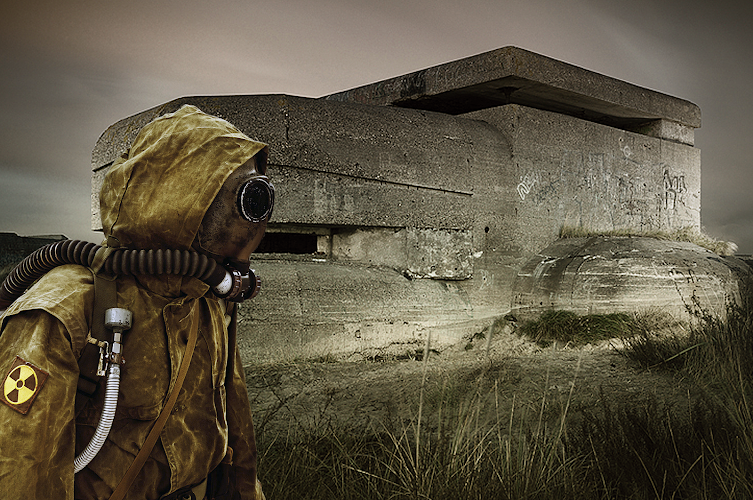
Escape room en Asturias, Avilés - Las Celdas - Asturias Xperiences
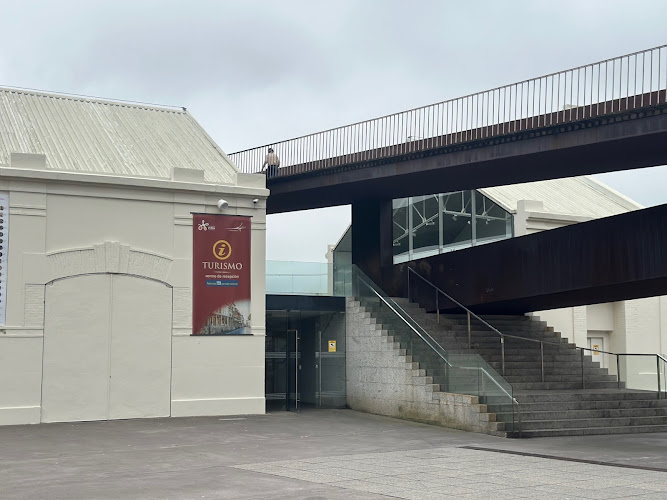
Tourist Office of Avilés
Find Accommodations Nearby
Recommended Tours & Activities
Visitor Reviews
There are no reviews yet. Be the first one to write one.
Share Your Experience
Have you visited Iglesia de Santo Tomás de Canterbury? Help other travelers by leaving a review.