
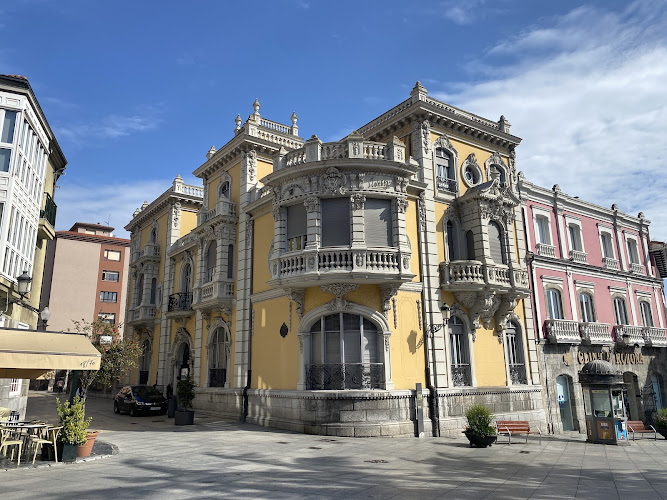
Balsera Palace
About Balsera Palace
Description
Ever stumbled upon a place in Spain so packed with character you start inventing time machines, just to go back and witness its golden days? Balsera Palace, right in the heart of Avilés, is one of those spots. I'm honestly not exaggerating—it’s like stepping onto the set of an elaborate period drama, minus the stern Victorian governesses (well, unless you count some of the music students practicing scales to perfection). What makes this attraction truly unusual isn’t just its grand architecture—though, let me tell you, you’ll be craning your neck at its ornate balconies and intricate stone detailing—but the honest, no-frills way it has woven itself into daily life. Today, the palace isn’t just gazed at; it’s alive with music from the Conservatorio Municipal Profesional Julián Orbón. Students drift through its hallways as if they own the place (maybe in spirit, they do), notes echoing through rooms that once hosted high society gatherings. It’s one of those rare buildings where history rubs shoulders with the creative energy of the next generation.
Yeah, the place carries an air of grandeur, but it also feels approachable. Some historic sites feel a bit, well, snobbish—I’ve felt that, haven't you? Balsera Palace, on the other hand, welcomes the curious, the lost, the last-minute tourists, and wide-eyed music lovers with the same relaxed charm. That being said, I’ve had friends visit who described Balsera like a living movie set: you won’t just take pictures here; you’ll genuinely want to linger, let your imagination run wild, and maybe even daydream about mastering the piano (no one’s stopping you).
There’s something else about this place I appreciate: it’s not all perfectly polished. The palace’s edges are softened by time. The occasional worn flagstone, sun-faded fresco, and ambient student chatter add a realness that you won’t find in more curated museums. In short, this isn’t your run-of-the-mill tourist attraction. This is living history, humming with music, and impossible to forget.
Key Features
- Architectural Details: The palace itself is a stunner—early 20th-century design with elaborate facades and art nouveau touches. Even non-architecture buffs find themselves snapping every angle.
- Home of the Julian Orbón Conservatory: Active since 1980, this conservatory fills the palace with music nearly every day. Think classical performances, impromptu rehearsals, even the odd flamenco riff drifting out an open window.
- Music Events and Public Concerts: Throughout the year, you can catch impressive student recitals or special concerts, always with that historic backdrop.
- Inviting Interior: If you’re lucky to go inside, you’ll notice ceiling frescos and original marble details. I’ve heard people gasp walking up the grand staircase!
- Central Location: Situated just a stone’s throw from Avilés’ old town, you can add a palace detour even to the busiest sightseeing schedule. Any good visit is actually a stroll away.
- Photographer’s Dream: Light sneaks in through tall windows, casting shadows that make for moody, captivating photographs. I honestly ran out of space on my phone here, oops.
- Not Just a Museum: Because it’s a living conservatory, you feel the rhythm of everyday life—a rarity for a historical building.
Best Time to Visit
Curious about the best time to go? Well, here’s my honest take: spring and autumn steal the show in Avilés. Around March to June and late September through November, the city perks up with comfortable weather, fewer crowds, and that dreamy northern Spanish light that makes photographers swoon (myself included, though my camera etiquette leaves something to be desired in the excitement). Summer is also lively, especially when the conservatory holds public concerts or open doors events, but you might encounter more fellow wanderers then. Avoid the deep winter if you’re hoping for a sunlit photo—rain loves this region in December and January, and, trust me, some cortados and pastries at a nearby café will make up for any drizzle.
If music performances are on your wish list (they should be!), keep an eye out for local event calendars. I once stumbled upon a student concert in April—totally serendipitous—and ended up completely transfixed for an hour. You get that satisfaction of being exactly where you’re supposed to be, you know?
How to Get There
You’ve got options, my friend, and none of them require you to be a local navigation genius! The palace is situated in a very accessible part of Avilés, which—if I'm allowed a quick tangent—is honestly one of northern Spain’s most under-the-radar cities for travelers. Whether you’re coming from Gijón, Oviedo, or even farther afield, here’s how you do it:
- By Train: RENFE trains drop you at Avilés station, which is just a pleasant 10-minute stroll to the palace. Follow the gentle buzz of city life and charming streets straight to your destination.
- By Bus: The main bus station also sits close by—again, you’re facing another walk that lets you peek into daily Avilés. Pro tip: stop for an espresso chino along the way, like the locals do.
- By Car: You can drive into the city center, but parking might prove a bit tricky if you’ve hit a busy weekend or local festival. Plan ahead, and maybe let your passenger partner handle the Spanish radio—some of those love songs are wild and catchy!
- On Foot: If you’re already exploring central Avilés, honestly, just wander toward the palace on foot. The walk is safe, easy, and full of interesting shopfronts and historic corners. You’ll feel the atmosphere shift as you approach the impressive facade.
- Accessibility: Be aware that parking isn’t especially adapted for wheelchairs right near the palace—it’s not ideal, and I wish it were different. If you or someone you travel with needs extra access, call ahead or check out city websites for alternative arrangements.
Tips for Visiting
- Check for Concerts: If you can, sync your visit with a public concert or recitals. Trust me, hearing live music inside these walls? Goosebumps guaranteed.
- Photography: Bring a camera, and charge your phone—the light in the early afternoon glows just right for photos. Wide angles work especially well to capture the grandeur.
- Respect the Students: This is an active conservatory, so mind the signs, avoid interrupting classes, and don’t be surprised to hear the occasional not-so-perfect violin note. Real learning in action, folks!
- Dress for the Season: The palace is old-school when it comes to heating (if you visit in winter), so toss an extra layer in your bag. I learned the hard way and had to borrow a scarf from a friend—never again!
- Plan for Accessibility: If mobility is a concern, some spaces might be trickier to navigate. Don’t rely on parking being directly at the entrance, and consider reaching out to see what accommodations are available.
- Combine with Other Sites: After exploring Balsera Palace, duck over to the medieval heart of Avilés—cafés, art galleries, and beautiful plazas are just minutes away by foot.
- Allow for Downtime: This isn’t a flash-and-run spot. You’ll enjoy it more if you slow down, listen (music or not), and let your thoughts wander. I often find inspiration for my own writing just by soaking in the ambiance here.
- Ask Questions: Don’t hesitate to chat with staff or students—everyone I’ve met has been genuinely enthusiastic about sharing facts or stories. Some will even give you surprising historic tidbits not in any guidebook.
- Be Open-Minded: It’s easy to let expectations rule the day, but Balsera Palace offers something different to every visitor. Go with curiosity—you might even find a favorite new composer while there.
Here’s the bottom line: Balsera Palace isn’t just another tick on your Spanish travel list. It’s a living, breathing piece of culture where heritage and creativity mix in the most unexpected ways. Pack your camera, keep your ears open, and let yourself write a little of your own story into its timeless walls. Who knows, maybe years from now, you’ll be telling friends about the time you wandered into a palace in Avilés and it changed the way you felt about travel.
Key Features
- Key Features
- Best Time to Visit
- How to Get There
- Tips for Visiting
More Details
Updated July 2, 2025
Table of Contents
Description
Ever stumbled upon a place in Spain so packed with character you start inventing time machines, just to go back and witness its golden days? Balsera Palace, right in the heart of Avilés, is one of those spots. I’m honestly not exaggerating—it’s like stepping onto the set of an elaborate period drama, minus the stern Victorian governesses (well, unless you count some of the music students practicing scales to perfection). What makes this attraction truly unusual isn’t just its grand architecture—though, let me tell you, you’ll be craning your neck at its ornate balconies and intricate stone detailing—but the honest, no-frills way it has woven itself into daily life. Today, the palace isn’t just gazed at; it’s alive with music from the Conservatorio Municipal Profesional Julián Orbón. Students drift through its hallways as if they own the place (maybe in spirit, they do), notes echoing through rooms that once hosted high society gatherings. It’s one of those rare buildings where history rubs shoulders with the creative energy of the next generation.
Yeah, the place carries an air of grandeur, but it also feels approachable. Some historic sites feel a bit, well, snobbish—I’ve felt that, haven’t you? Balsera Palace, on the other hand, welcomes the curious, the lost, the last-minute tourists, and wide-eyed music lovers with the same relaxed charm. That being said, I’ve had friends visit who described Balsera like a living movie set: you won’t just take pictures here; you’ll genuinely want to linger, let your imagination run wild, and maybe even daydream about mastering the piano (no one’s stopping you).
There’s something else about this place I appreciate: it’s not all perfectly polished. The palace’s edges are softened by time. The occasional worn flagstone, sun-faded fresco, and ambient student chatter add a realness that you won’t find in more curated museums. In short, this isn’t your run-of-the-mill tourist attraction. This is living history, humming with music, and impossible to forget.
Key Features
- Architectural Details: The palace itself is a stunner—early 20th-century design with elaborate facades and art nouveau touches. Even non-architecture buffs find themselves snapping every angle.
- Home of the Julian Orbón Conservatory: Active since 1980, this conservatory fills the palace with music nearly every day. Think classical performances, impromptu rehearsals, even the odd flamenco riff drifting out an open window.
- Music Events and Public Concerts: Throughout the year, you can catch impressive student recitals or special concerts, always with that historic backdrop.
- Inviting Interior: If you’re lucky to go inside, you’ll notice ceiling frescos and original marble details. I’ve heard people gasp walking up the grand staircase!
- Central Location: Situated just a stone’s throw from Avilés’ old town, you can add a palace detour even to the busiest sightseeing schedule. Any good visit is actually a stroll away.
- Photographer’s Dream: Light sneaks in through tall windows, casting shadows that make for moody, captivating photographs. I honestly ran out of space on my phone here, oops.
- Not Just a Museum: Because it’s a living conservatory, you feel the rhythm of everyday life—a rarity for a historical building.
Best Time to Visit
Curious about the best time to go? Well, here’s my honest take: spring and autumn steal the show in Avilés. Around March to June and late September through November, the city perks up with comfortable weather, fewer crowds, and that dreamy northern Spanish light that makes photographers swoon (myself included, though my camera etiquette leaves something to be desired in the excitement). Summer is also lively, especially when the conservatory holds public concerts or open doors events, but you might encounter more fellow wanderers then. Avoid the deep winter if you’re hoping for a sunlit photo—rain loves this region in December and January, and, trust me, some cortados and pastries at a nearby café will make up for any drizzle.
If music performances are on your wish list (they should be!), keep an eye out for local event calendars. I once stumbled upon a student concert in April—totally serendipitous—and ended up completely transfixed for an hour. You get that satisfaction of being exactly where you’re supposed to be, you know?
How to Get There
You’ve got options, my friend, and none of them require you to be a local navigation genius! The palace is situated in a very accessible part of Avilés, which—if I’m allowed a quick tangent—is honestly one of northern Spain’s most under-the-radar cities for travelers. Whether you’re coming from Gijón, Oviedo, or even farther afield, here’s how you do it:
- By Train: RENFE trains drop you at Avilés station, which is just a pleasant 10-minute stroll to the palace. Follow the gentle buzz of city life and charming streets straight to your destination.
- By Bus: The main bus station also sits close by—again, you’re facing another walk that lets you peek into daily Avilés. Pro tip: stop for an espresso chino along the way, like the locals do.
- By Car: You can drive into the city center, but parking might prove a bit tricky if you’ve hit a busy weekend or local festival. Plan ahead, and maybe let your passenger partner handle the Spanish radio—some of those love songs are wild and catchy!
- On Foot: If you’re already exploring central Avilés, honestly, just wander toward the palace on foot. The walk is safe, easy, and full of interesting shopfronts and historic corners. You’ll feel the atmosphere shift as you approach the impressive facade.
- Accessibility: Be aware that parking isn’t especially adapted for wheelchairs right near the palace—it’s not ideal, and I wish it were different. If you or someone you travel with needs extra access, call ahead or check out city websites for alternative arrangements.
Tips for Visiting
- Check for Concerts: If you can, sync your visit with a public concert or recitals. Trust me, hearing live music inside these walls? Goosebumps guaranteed.
- Photography: Bring a camera, and charge your phone—the light in the early afternoon glows just right for photos. Wide angles work especially well to capture the grandeur.
- Respect the Students: This is an active conservatory, so mind the signs, avoid interrupting classes, and don’t be surprised to hear the occasional not-so-perfect violin note. Real learning in action, folks!
- Dress for the Season: The palace is old-school when it comes to heating (if you visit in winter), so toss an extra layer in your bag. I learned the hard way and had to borrow a scarf from a friend—never again!
- Plan for Accessibility: If mobility is a concern, some spaces might be trickier to navigate. Don’t rely on parking being directly at the entrance, and consider reaching out to see what accommodations are available.
- Combine with Other Sites: After exploring Balsera Palace, duck over to the medieval heart of Avilés—cafés, art galleries, and beautiful plazas are just minutes away by foot.
- Allow for Downtime: This isn’t a flash-and-run spot. You’ll enjoy it more if you slow down, listen (music or not), and let your thoughts wander. I often find inspiration for my own writing just by soaking in the ambiance here.
- Ask Questions: Don’t hesitate to chat with staff or students—everyone I’ve met has been genuinely enthusiastic about sharing facts or stories. Some will even give you surprising historic tidbits not in any guidebook.
- Be Open-Minded: It’s easy to let expectations rule the day, but Balsera Palace offers something different to every visitor. Go with curiosity—you might even find a favorite new composer while there.
Here’s the bottom line: Balsera Palace isn’t just another tick on your Spanish travel list. It’s a living, breathing piece of culture where heritage and creativity mix in the most unexpected ways. Pack your camera, keep your ears open, and let yourself write a little of your own story into its timeless walls. Who knows, maybe years from now, you’ll be telling friends about the time you wandered into a palace in Avilés and it changed the way you felt about travel.
Key Highlights
- Key Features
- Best Time to Visit
- How to Get There
- Tips for Visiting
Location
Places to Stay Near Balsera Palace
Find and Book a Tour
Explore More Travel Guides
No reviews found! Be the first to review!
Traveler Reviews for Balsera Palace
There are no reviews yet. Be the first one to write one.
Have you visited Balsera Palace? Help other travelers by sharing your review.
You Might Also Like
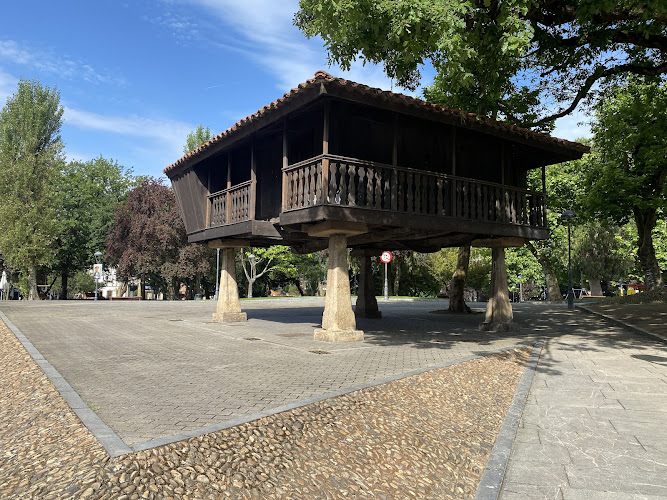
Hórreo Carbayedo
Escape room en Asturias, Avilés - Las Celdas - Asturias Xperiences
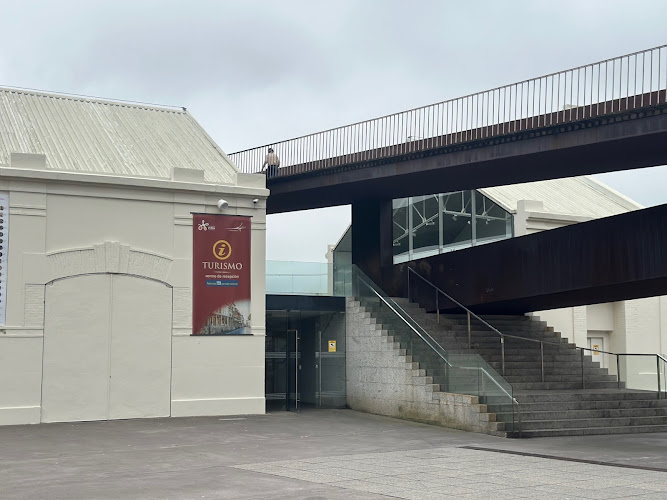
Tourist Office of Avilés
Find Accommodations Nearby
Recommended Tours & Activities
Visitor Reviews
There are no reviews yet. Be the first one to write one.
Share Your Experience
Have you visited Balsera Palace? Help other travelers by leaving a review.