
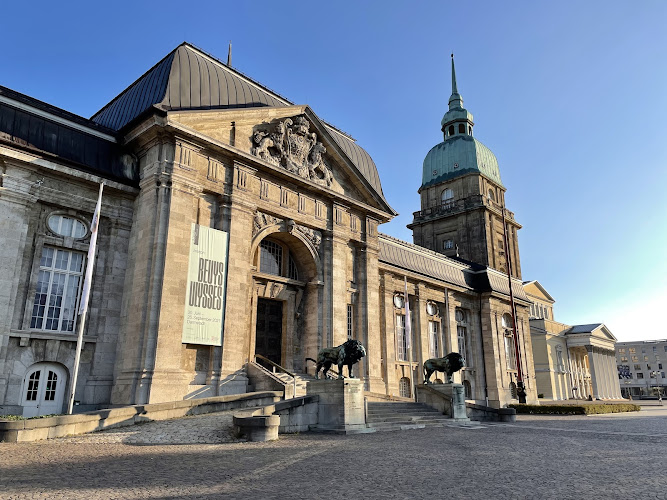
Hessisches Landesmuseum Darmstadt
About Hessisches Landesmuseum Darmstadt
Description
The Hessisches Landesmuseum Darmstadt is one of those rare places where you walk through the door and immediately feel like you’ve stumbled into a treasure chest of human history, culture, and even ancient nature. It’s not just an art museum, though the paintings are jaw-dropping, and it’s not just a natural history museum, though fossils and prehistoric creatures are right there too. It’s the kind of place where Rembrandt shares space with a mastodon, and where medieval altarpieces sit just a few steps away from modern works by Joseph Beuys. That mix is what makes it stand out—this is a universal museum in the truest sense of the word.
Now, to be fair, not every single visitor walks out starry-eyed. Some people find the sheer size of the collection a little overwhelming, and I get that. You could easily lose a whole day here and still feel like you barely scratched the surface. But for most travelers, that’s part of the magic. There’s always another gallery around the corner, another surprise waiting. Personally, I remember wandering into the zoological section and suddenly being face-to-face with the fossil of a primeval horse. I hadn’t even planned on spending much time in that area, but it pulled me in. That’s the kind of place this is—it rewards curiosity.
The museum is also deeply tied to the history of Darmstadt itself. Founded on the collections of the counts and grand dukes, it reflects centuries of collecting, preserving, and showcasing the world’s wonders. And while its roots are historic, the building itself, designed by Alfred Messel in collaboration with Grand Duke Ernst Ludwig, still feels strikingly modern and welcoming. It’s not a stuffy place where you tiptoe around; it’s a space that invites exploration.
Key Features
- Extensive European art collection spanning 700 years, including works by Rembrandt and Pieter Bruegel.
- The largest collection of Arnold Böcklin paintings outside Switzerland.
- Natural history exhibits featuring a mastodon, primeval horse, and other fossils.
- Modern and contemporary art, including pieces by Joseph Beuys.
- Family-friendly amenities such as changing tables and kid-friendly exhibits.
- Wheelchair accessible entrances, restrooms, and parking.
- Guided tours available for deeper insight into the collections.
- On-site Wi-Fi and restrooms for visitor convenience.
Best Time to Visit
If you’re the kind of traveler who likes to avoid crowds, weekdays are your best bet. Mornings tend to be quieter, which gives you more room to breathe and really take in the details without feeling rushed. Weekends, especially when the weather outside isn’t great, can get busier. Personally, I think autumn is the sweet spot. The city of Darmstadt has a crisp, cozy vibe that time of year, and wandering the museum after a stroll through the fall leaves feels just right. Summer is fine too, but be prepared for more tourists and families with kids filling the halls.
One thing worth noting—special exhibitions can draw larger crowds, but they’re often absolutely worth it. I once visited during a temporary exhibit that focused on 19th-century symbolism, and it completely changed how I thought about that era of art. So if you see something special on the calendar, don’t hesitate to plan your visit around it.
How to Get There
The museum is centrally located in Darmstadt, which makes it easy to reach whether you’re coming by train, car, or even on foot if you’re staying nearby. From the main train station, public transport connections are straightforward and efficient—you can hop on a tram or bus and be there in no time. If you’re driving, there’s a paid parking garage close by, which is convenient but can fill up quickly during peak times. Personally, I prefer taking public transport in German cities because it’s reliable and saves the hassle of parking, but if you’ve got luggage or kids in tow, the garage is a solid option.
For those with accessibility needs, the museum has made thoughtful accommodations. Entrances, restrooms, and parking are all wheelchair accessible, which makes the visit smoother and more enjoyable for everyone.
Tips for Visiting
First tip: don’t try to do it all in one go. The museum’s collection is massive—over a million objects—and unless you’re some kind of marathon museum-goer, you’ll burn out. Pick a few sections that really interest you, whether it’s the Old Masters, the natural history exhibits, or modern art, and give yourself permission to skip the rest. You can always come back another time.
Second, bring your curiosity. This isn’t a place where you just walk past paintings and nod politely. Take a moment to read the descriptions, or better yet, join one of the guided tours. The guides here really know their stuff, and they bring the stories behind the objects to life. I once learned about how a particular fossil was discovered in the region, and it made me look at the whole exhibit with fresh eyes.
Third, if you’re visiting with kids, don’t worry—they’ll be fine here. The museum is surprisingly family-friendly, with changing tables and exhibits that capture children’s imaginations. The natural history section, especially, tends to be a hit with younger visitors.
And finally, give yourself time to just sit and absorb. There are benches scattered throughout, and sometimes the best part of a museum visit isn’t rushing from room to room but simply sitting quietly in front of a painting or fossil and letting it sink in. Grab a coffee nearby afterwards and chat about what you saw—it’s the kind of experience that sticks with you long after you’ve left.
Key Features
- Extensive European art collection spanning 700 years, including works by Rembrandt and Pieter Bruegel.
- The largest collection of Arnold Böcklin paintings outside Switzerland.
- Natural history exhibits featuring a mastodon, primeval horse, and other fossils.
- Modern and contemporary art, including pieces by Joseph Beuys.
- Family-friendly amenities such as changing tables and kid-friendly exhibits.
- Wheelchair accessible entrances, restrooms, and parking.
- Guided tours available for deeper insight into the collections.
- On-site Wi-Fi and restrooms for visitor convenience.
More Details
Updated September 8, 2025
Table of Contents
Description
The Hessisches Landesmuseum Darmstadt is one of those rare places where you walk through the door and immediately feel like you’ve stumbled into a treasure chest of human history, culture, and even ancient nature. It’s not just an art museum, though the paintings are jaw-dropping, and it’s not just a natural history museum, though fossils and prehistoric creatures are right there too. It’s the kind of place where Rembrandt shares space with a mastodon, and where medieval altarpieces sit just a few steps away from modern works by Joseph Beuys. That mix is what makes it stand out—this is a universal museum in the truest sense of the word.
Now, to be fair, not every single visitor walks out starry-eyed. Some people find the sheer size of the collection a little overwhelming, and I get that. You could easily lose a whole day here and still feel like you barely scratched the surface. But for most travelers, that’s part of the magic. There’s always another gallery around the corner, another surprise waiting. Personally, I remember wandering into the zoological section and suddenly being face-to-face with the fossil of a primeval horse. I hadn’t even planned on spending much time in that area, but it pulled me in. That’s the kind of place this is—it rewards curiosity.
The museum is also deeply tied to the history of Darmstadt itself. Founded on the collections of the counts and grand dukes, it reflects centuries of collecting, preserving, and showcasing the world’s wonders. And while its roots are historic, the building itself, designed by Alfred Messel in collaboration with Grand Duke Ernst Ludwig, still feels strikingly modern and welcoming. It’s not a stuffy place where you tiptoe around; it’s a space that invites exploration.
Key Features
- Extensive European art collection spanning 700 years, including works by Rembrandt and Pieter Bruegel.
- The largest collection of Arnold Böcklin paintings outside Switzerland.
- Natural history exhibits featuring a mastodon, primeval horse, and other fossils.
- Modern and contemporary art, including pieces by Joseph Beuys.
- Family-friendly amenities such as changing tables and kid-friendly exhibits.
- Wheelchair accessible entrances, restrooms, and parking.
- Guided tours available for deeper insight into the collections.
- On-site Wi-Fi and restrooms for visitor convenience.
Best Time to Visit
If you’re the kind of traveler who likes to avoid crowds, weekdays are your best bet. Mornings tend to be quieter, which gives you more room to breathe and really take in the details without feeling rushed. Weekends, especially when the weather outside isn’t great, can get busier. Personally, I think autumn is the sweet spot. The city of Darmstadt has a crisp, cozy vibe that time of year, and wandering the museum after a stroll through the fall leaves feels just right. Summer is fine too, but be prepared for more tourists and families with kids filling the halls.
One thing worth noting—special exhibitions can draw larger crowds, but they’re often absolutely worth it. I once visited during a temporary exhibit that focused on 19th-century symbolism, and it completely changed how I thought about that era of art. So if you see something special on the calendar, don’t hesitate to plan your visit around it.
How to Get There
The museum is centrally located in Darmstadt, which makes it easy to reach whether you’re coming by train, car, or even on foot if you’re staying nearby. From the main train station, public transport connections are straightforward and efficient—you can hop on a tram or bus and be there in no time. If you’re driving, there’s a paid parking garage close by, which is convenient but can fill up quickly during peak times. Personally, I prefer taking public transport in German cities because it’s reliable and saves the hassle of parking, but if you’ve got luggage or kids in tow, the garage is a solid option.
For those with accessibility needs, the museum has made thoughtful accommodations. Entrances, restrooms, and parking are all wheelchair accessible, which makes the visit smoother and more enjoyable for everyone.
Tips for Visiting
First tip: don’t try to do it all in one go. The museum’s collection is massive—over a million objects—and unless you’re some kind of marathon museum-goer, you’ll burn out. Pick a few sections that really interest you, whether it’s the Old Masters, the natural history exhibits, or modern art, and give yourself permission to skip the rest. You can always come back another time.
Second, bring your curiosity. This isn’t a place where you just walk past paintings and nod politely. Take a moment to read the descriptions, or better yet, join one of the guided tours. The guides here really know their stuff, and they bring the stories behind the objects to life. I once learned about how a particular fossil was discovered in the region, and it made me look at the whole exhibit with fresh eyes.
Third, if you’re visiting with kids, don’t worry—they’ll be fine here. The museum is surprisingly family-friendly, with changing tables and exhibits that capture children’s imaginations. The natural history section, especially, tends to be a hit with younger visitors.
And finally, give yourself time to just sit and absorb. There are benches scattered throughout, and sometimes the best part of a museum visit isn’t rushing from room to room but simply sitting quietly in front of a painting or fossil and letting it sink in. Grab a coffee nearby afterwards and chat about what you saw—it’s the kind of experience that sticks with you long after you’ve left.
Key Highlights
- Extensive European art collection spanning 700 years, including works by Rembrandt and Pieter Bruegel.
- The largest collection of Arnold Böcklin paintings outside Switzerland.
- Natural history exhibits featuring a mastodon, primeval horse, and other fossils.
- Modern and contemporary art, including pieces by Joseph Beuys.
- Family-friendly amenities such as changing tables and kid-friendly exhibits.
- Wheelchair accessible entrances, restrooms, and parking.
- Guided tours available for deeper insight into the collections.
- On-site Wi-Fi and restrooms for visitor convenience.
Location
Places to Stay Near Hessisches Landesmuseum Darmstadt
Find and Book a Tour
Explore More Travel Guides
No reviews found! Be the first to review!
Traveler Reviews for Hessisches Landesmuseum Darmstadt
There are no reviews yet. Be the first one to write one.
Have you visited Hessisches Landesmuseum Darmstadt? Help other travelers by sharing your review.
Find Accommodations Nearby
Recommended Tours & Activities
Visitor Reviews
There are no reviews yet. Be the first one to write one.
Share Your Experience
Have you visited Hessisches Landesmuseum Darmstadt? Help other travelers by leaving a review.